Ohio’s H.B. 249 Advances to the Senate: A Deep Dive into the “Indecent Exposure Modernization Act” and the Fight for LGBTQIA+ Visibility
- Rainbow_Rocks
- March 25, 2026
- Editorial Features, Entertainment
- #ACLUOhio, #ColumbusOhio, #DragIsArt, #EqualityOhio, #FirstAmendment, #HB249, #IndependentJournalism, #LegislativeAlert, #LGBTQIA, #NoOnHB249, #OhioPolitics2026, #OhioSenate, #ProtectTransYouth, #RainbowRocks, #StopTheBan, #TransRights, #VisibilityMatters, #XeniaLoophole
- 0 Comments
Written by Kyle / RainbowRocks, LGBTQIA+ and Ally Independent Journalist, Content Creator, and Digital Media Producer at RainbowRocks.Space
March 25th, 2026
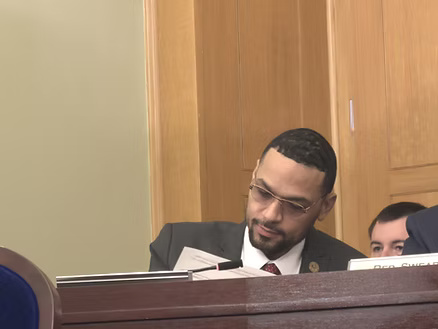
On March 25, 2026, H.B. 249, known as the “Indecent Exposure Modernization Act,” cleared a major legislative hurdle as the Ohio House Judiciary Committee voted to favorably report the bill out of committee. This high-stakes hearing was punctuated by the dramatic failure of Amendment 2096, a critical “shield” intended to strike language that opponents argue specifically targets transgender identity. Bill sponsor Josh Williams successfully led the opposition to table the amendment, maintaining that biological sex markers are legally necessary for the enforcement of the act’s new standards.
Later that same day, the bill moved to the House floor where it passed with a 63–32 vote, largely along party lines. On March 26, 2026, the legislation officially made it to the Ohio Senate, where it was introduced and is currently awaiting further consideration.
The Core of the Conflict
The legislation aims to overhaul Ohio’s obscenity and public indecency laws, but the “modernization” has sparked intense debate over its true intent:
- The Proponent Narrative: Led by the Center for Christian Virtue (CCV) and sponsors Angie King and Josh Williams, supporters frame the bill as a common-sense measure for “child safety” and “regulatory parity.” They argue the bill closes the “Xenia Loophole”—referring to a 2023 case where an individual was acquitted of public indecency in a YMCA—by replacing the term “private parts” with the more expansive “private area” and establishing biological sex as the legal baseline for privacy in restrooms and locker rooms.
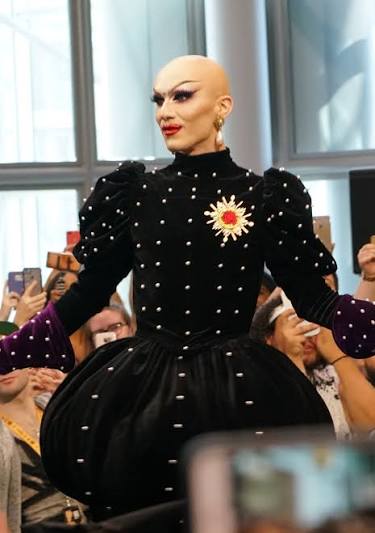
- The Opponent Warning: A broad coalition—including the ACLU of Ohio, Nina West, and Equality Ohio—warns that the bill’s vague definitions of “adult cabaret performances” effectively criminalize gender-diverse expression. They argue that by classifying performances featuring “gender identity different from biological sex” as potentially harmful to minors, the state is creating a “chilling effect” that threatens to ban drag shows and transgender visibility in public spaces.
Expanded Legal Implications
The bill introduces the offense of “unlawful adult cabaret performance,” which would prohibit such acts in any location other than a designated adult cabaret if a minor is or could be present.
- Penalties: Depending on the circumstances, violations could range from a first-degree misdemeanor to a fourth- or fifth-degree felony.
- Enforcement: Opponents emphasize that the lack of clear definitions for “obscene” or “harmful to juveniles” within this specific context gives local authorities broad power to target LGBTQIA+ events, such as Pride festivals or library story hours.
With H.B. 249 now in the Ohio Senate, the LGBTQIA+ community faces an imminent threat to public visibility and creative freedom. Advocacy groups are currently mobilizing for the next round of testimony, as the bill’s arrival in the Senate marks the final major stage before it could potentially reach the Governor’s desk.