Storm Scars Upper Arlington, Lou Berliner Park, Olde Towne East: EF1 Tornado Hits Southside of Columbus By Barack Park Community Center 580 E Woodrow Ave: Devastation Unleashed Without Warning as Residents and Officials Demand Answers: Givernor Mike Dewine Declares Declaration of Emergency for Franklin, County Ohio.
- Rainbow_Rocks
- August 11, 2026
- Breaking News, Editorial Features
- #ColumbusOhio, #IndependentJournalism, #RainbowRocks, Andrew Ginther, Barack Community Center, Columbus, current, Franklin County EMA, LGBTQIA+, Mayor Andrew Ginther, news, NWS, Ohio, Olde Towne EAst, report, severe, South Columbus, storm, update, upperarlington
- 0 Comments
Written and Photographed by Independent News Reporter — Kyle Williams — Rainbow Rocks — RainbowRocks.space
August 11th, 2026
(Full Article Below Live Updates)
Date: Updated as of August 14, 2026
Berliner Park & Storm Recovery Update
Mayor Andrew J. Ginther hosted a briefing at West High School addressing the storm damage from Tuesday, August 11th, 2026.
Key Infrastructure Impacts
- Power Lines & Poles: 1.5 miles of transmission and distribution lines, along with 33 utility poles, were destroyed.
- Restoration Status: Crews are working continuously, but sections of Berliner Park remain closed through the weekend.
Event & Community Relief
- Softball Tournament: The State of Ohio Firefighters Softball Tournament will still take place, with all proceeds supporting the Red Cross and the Mid-Ohio Food Collective.
- Acknowledgments: Mayor Ginther thanked city crews, the Red Cross, and local partners for their ongoing recovery work.
Note: The briefing notably omitted any mention of Governor Mike DeWine’s Franklin County disaster declaration.
Date: Updated as of August 13, 2026
Status: Live Coverage & Ongoing Field Breakdown
CENTRAL OHIO STORM BREAKING UPDATES: DAMAGE APPRAISALS, GROUND REALITIES, AND INSTITUTIONAL GATES
🚨 Breaking Live Updates
- Gov. Mike DeWine: declared a state of emergency for Franklin County after severe storms caused significant damage across the region on Tuesday August 11th, 2026.
- EF1 Tornado Confirmed on South Side: Preliminary damage surveys from the National Weather Service (NWS) Wilmington, Ohio forecast office confirmed that an EF1 tornado touched down in south Columbus. The damage track extended from E. Hinman Avenue eastward across Parsons Avenue—impacting Barack Park, the Barack Community Center, and surrounding neighborhoods with a distinct convergent pattern and severe roof/structural failures.
- Catastrophic South Side Devastation: Ground reporting documents severe destruction across the south side, including the metal roof of the Barack Community Center being completely stripped away and crumpled like plastic around uprooted trees, alongside extensive residential roof damage and downed infrastructure.
- Upper Arlington Straight-Line Wind Classifications vs. Eyewitness Accounts: While NWS preliminary assessments categorized heavy damage near Upper Arlington High School, Zollinger Road, and surrounding corridors as powerful 90 to 100 mph straight-line winds with no rotational patterns found, local residents and field reports tell a starkly different story. Eyewitnesses reported hearing a distinct tornado roar and seeing trees lift and swirl violently, leaving a scale of destruction that many locals feel is understated.
- Game-Time Survey Decisions & Information Bottlenecks: NWS Wilmington field teams faced a fluid, rapidly evolving operational landscape, treating survey deployments as “game-time decisions” due to overlapping severe weather threats. However, this was severely compounded by a lack of proactive media coordination from the Franklin County EMA and municipal governments in Upper Arlington and Columbus, creating a major information bottleneck for independent reporting channels and the public.
- Widespread Regional Strain: Extended power outages continue to impact large pockets of Franklin County, while Upper Arlington City Schools confirmed that K-12 students will not fully return to classrooms until Monday, August 17, 2026, due to massive infrastructure recovery and utility repairs.
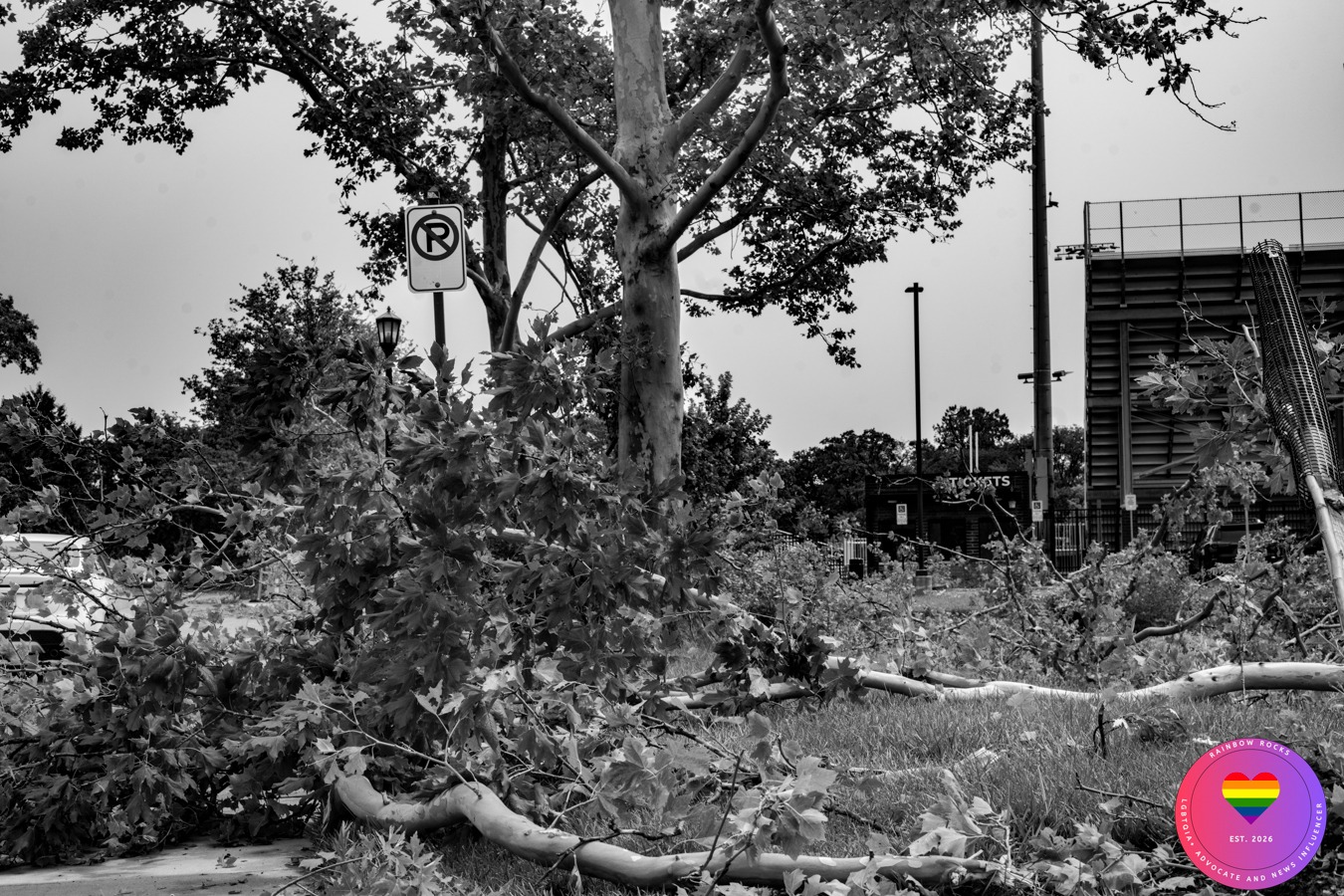
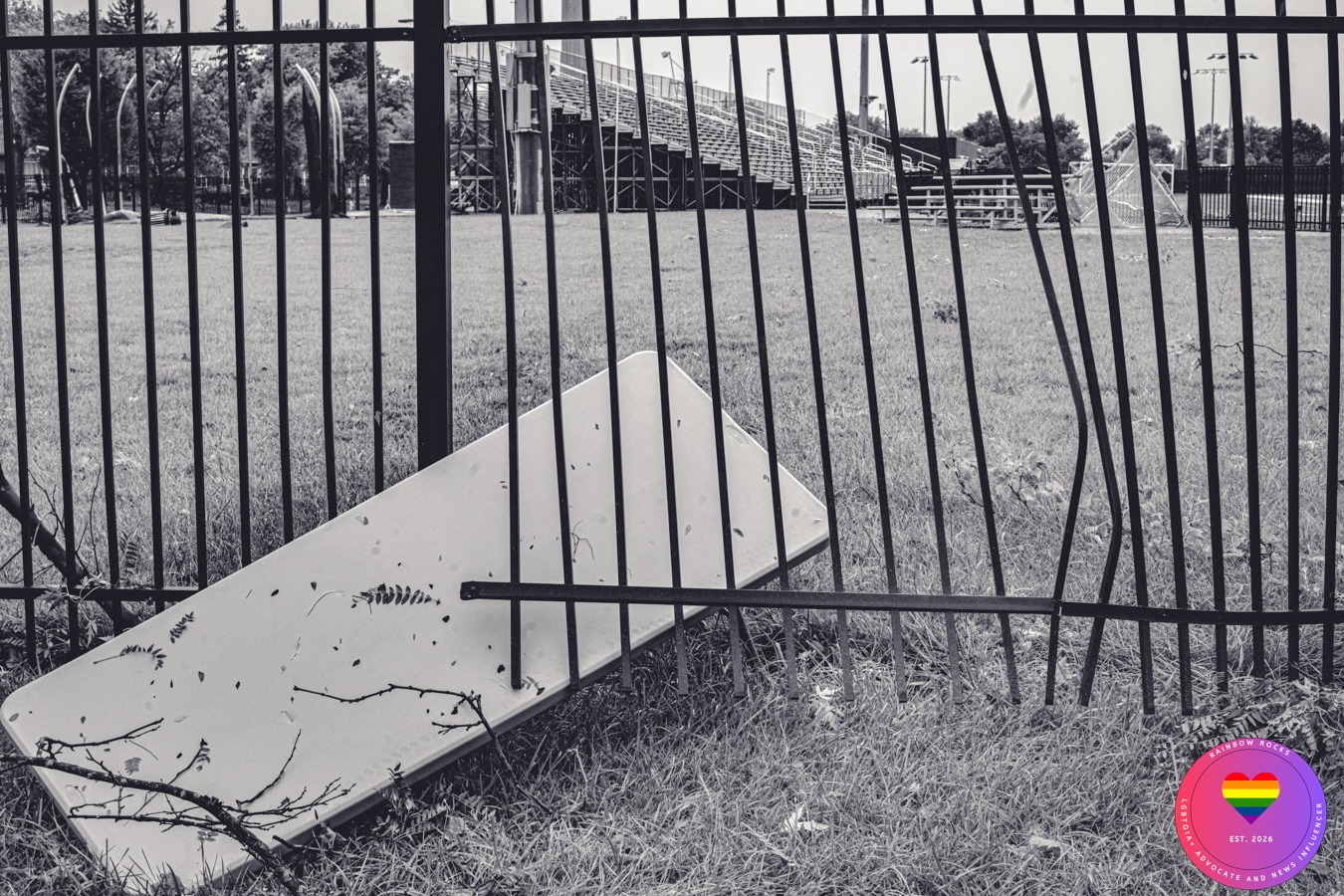
- Lou Berliner Sports Park: remains closed indefinitely after severe storms toppled high-voltage transmission lines across the baseball fields. Crews are working to clear the potentially energized lines and storm debris before any safety assessments or repairs can begin.
Ground Report: On-the-Ground Realities vs. Institutional Responses: In-depth Breaking News Live Updates Breakdown
The aftermath of the severe derecho and storm system that swept through Central Ohio on Tuesday, August 11, 2026, continues to expose a sharp disconnect between official preliminary categorizations and the actual devastation witnessed by residents and independent reporters on the ground.
Discrepancies in Damage Appraisals: Upper Arlington & South Columbus
Independent reporting from the field—spanning Upper Arlington, Lou Berliner Park, Olde Towne East, and the heavily impacted corridors of South Columbus near the Barack Community Center—highlights deep skepticism regarding initial administrative assessments:
- The Upper Arlington Experience: While NWS preliminary findings attributed heavy structural and tree damage in Upper Arlington to intense straight-line winds estimated between 90 and 100 mph, local accounts tell a more violent story. Multiple eyewitnesses reported hearing the unmistakable roar of a tornado and witnessing trees violently lift and swirl. For neighborhoods facing massive structural strain and prolonged power outages near Upper Arlington High School, the scale of destruction feels severely understated by blanket classifications.
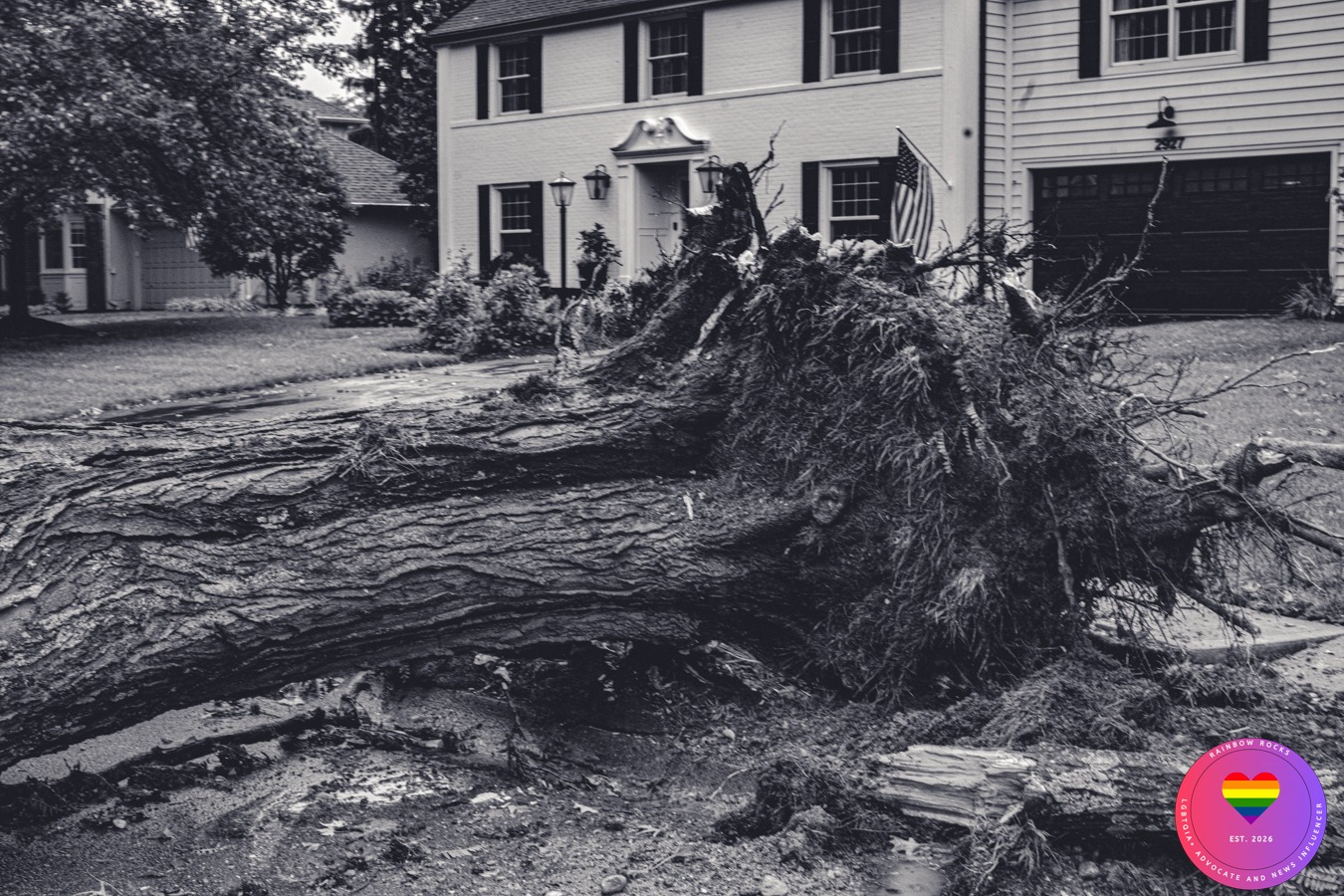
- South Columbus Devastation: The ground reality south of Driving Park and around the Barack Community Center on East Hinman Avenue and Parsons Avenue reveals staggering destruction. Entire blocks feature severe roof damage, collapsed elements, and crushed infrastructure (such as a camper crushed by a falling tree on Morrill Avenue). While NWS survey teams confirmed a convergent damage pattern consistent with an EF1 tornado, the cumulative visual devastation across South Columbus far exceeds what localized summaries convey to communities trying to rebuild.
The Leadership and Communication Vacuum
The crisis has been profoundly worsened by institutional silence and a lack of unified public communication from civic leaders:
Marginalized Communities Left Isolated: For marginalized populations, including LGBTQIA+ communities and working-class neighborhoods in South Columbus, the lack of accessible, real-time emergency data deepens systemic vulnerabilities. When municipal bodies fail to issue clear guidance or coordinate transparently with independent reporting channels, grassroots watchdogs are left to fill a dangerous vacuum. Unity recovery, ensuring that all residents and regional watchdogs stay informed when public infrastructure fails.
Civic Press Conferences Falling Short: High-level municipal briefings, including public remarks from Columbus leadership like Mayor Andrew Ginther, have faced sharp criticism from residents and community watchdogs for failing to address acute, granular crises unfolding on the ground—particularly regarding prolonged outages, infrastructure cleanup, and direct aid for vulnerable neighborhoods.
The Upper Arlington Blackout: Compounding the frustration, the Upper Arlington City Government has drawn intense scrutiny for a near-total absence of proactive public press releases, updates, or transparent briefings for residents.
Following the destructive straight-line winds and severe storms that recently battered Central Ohio and left nearly 100,000 Franklin County residents without power, Mayor Andrew Ginther formally declared a state of emergency for Columbus. The severe weather system dealt heavy blows to the south side of the city, causing major structural and utility damage right along the Interstate 71 corridor and near Lou Berliner Sports Park, where downed power poles, snapped utility lines, and compromised fencing and dugouts have raised immediate concerns regarding the upcoming Gay Softball World Series scheduled for late August.
City officials, including Mayor Ginther and Governor Mike DeWine, have mobilized an all-hands emergency response, with the Columbus Division of Fire logging over 1,100 calls during the peak of the storm. The emergency declaration is intended to grant the municipal administration the legal and financial agility required to fast-track resource allocation, clear blocked infrastructure, and expedite repairs across heavily impacted public spaces.
Pressure is mounting from Local LGBTQIA+ Community Organizers, Advocacy Networks, and Visitors who rely on the city’s municipal infrastructure remaining operational for Major Tourism Drivers. With thousands of Athletes, Spectators, and Visitors set to converge on Columbus for the GAY WORLD SOFTBALL SERIES Tournament hosted by the Columbus Lesbian and Gay Softball Association (CLGSA), municipal agencies face intense scrutiny to ensure that Lou Berliner Sports Park can safely restore its fields, amenities, and electrical grids ahead of the late-August to September event window. Community Stakeholders continue to press the Mayor’s office and the Recreation and Parks Department for a concrete, transparent timeline regarding how rapidly municipal cleanup crews and contracted utility workers can reverse the storm’s devastation to safeguard the city’s LGBTQIA+ community and economy.
Full Article Located Here
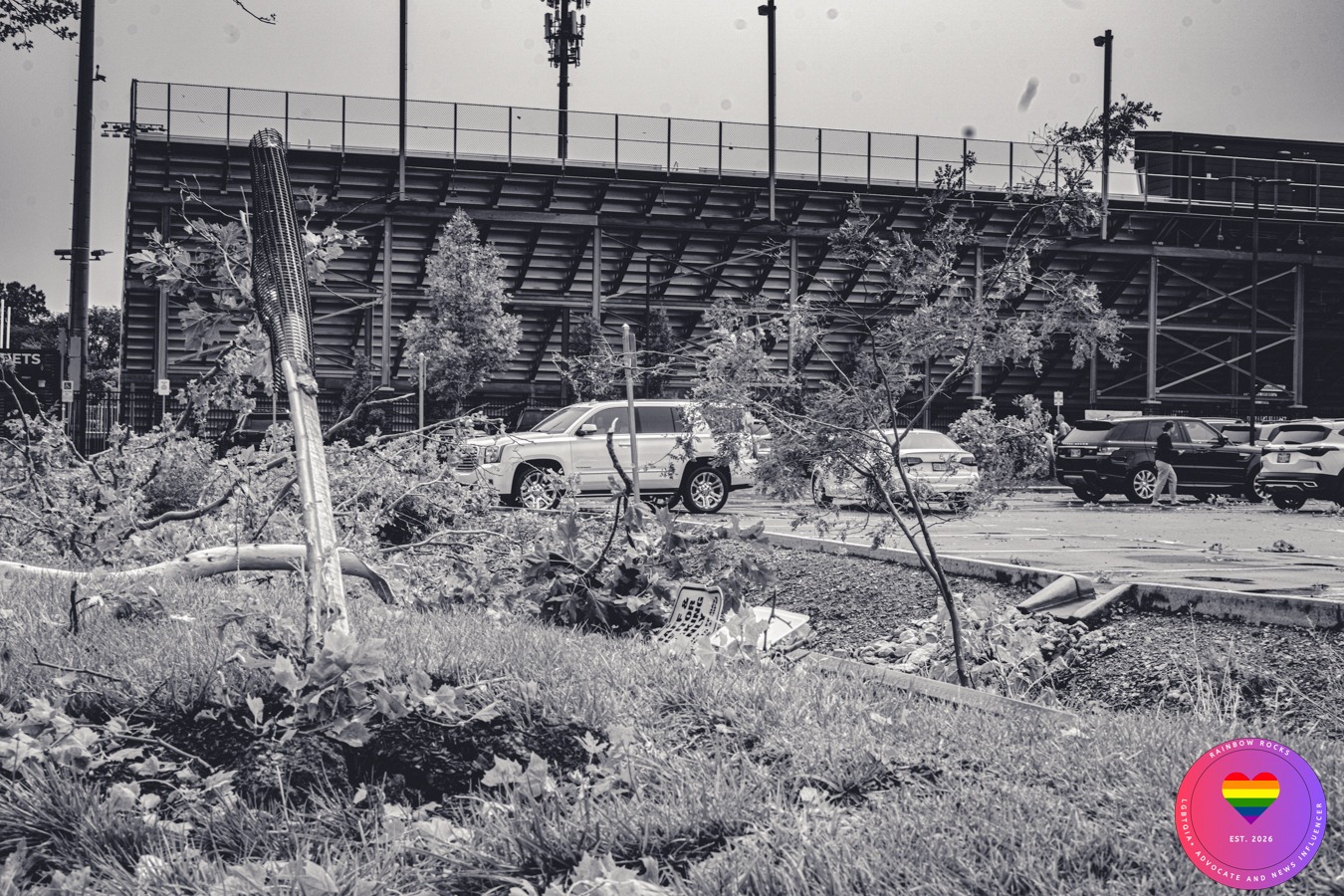
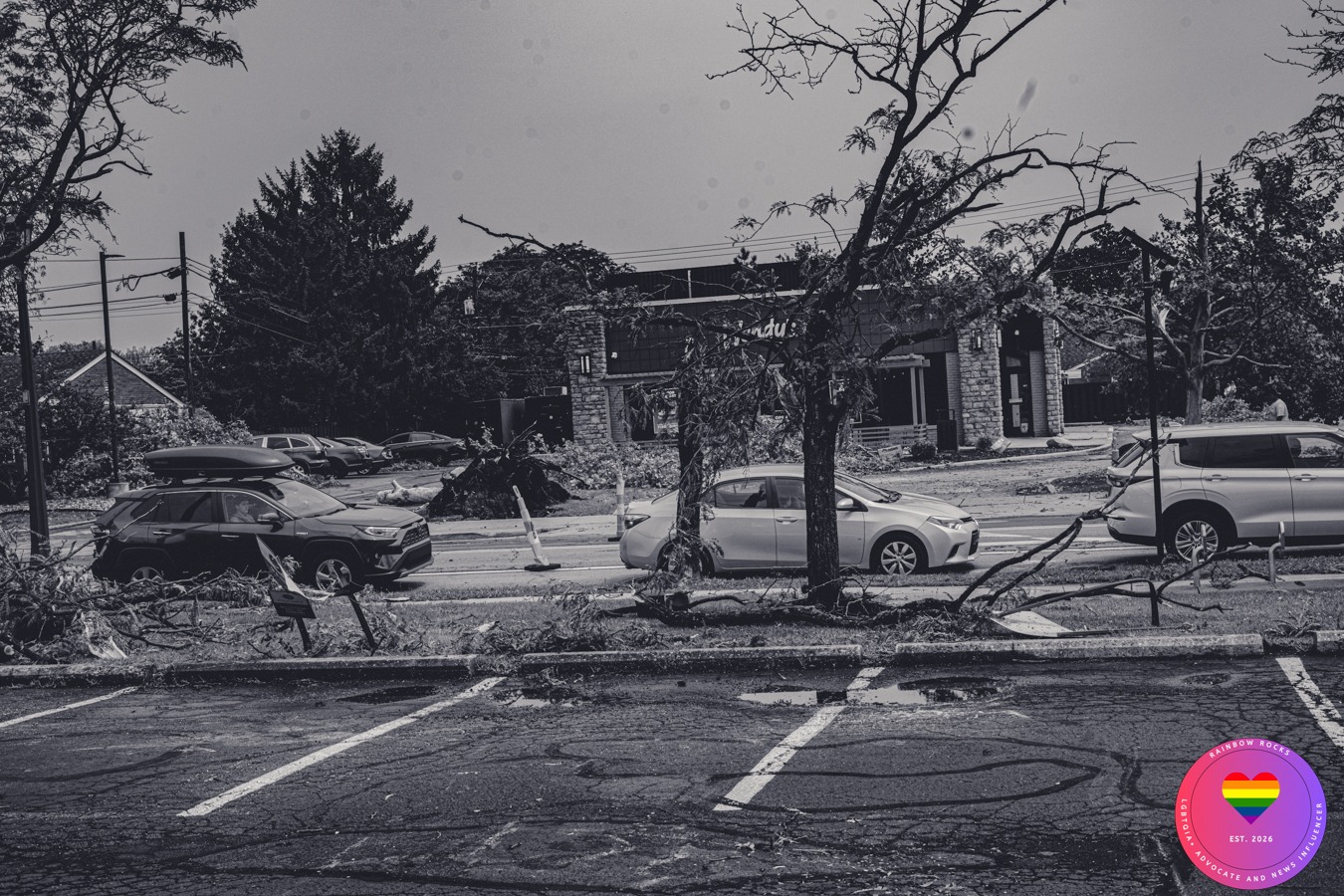
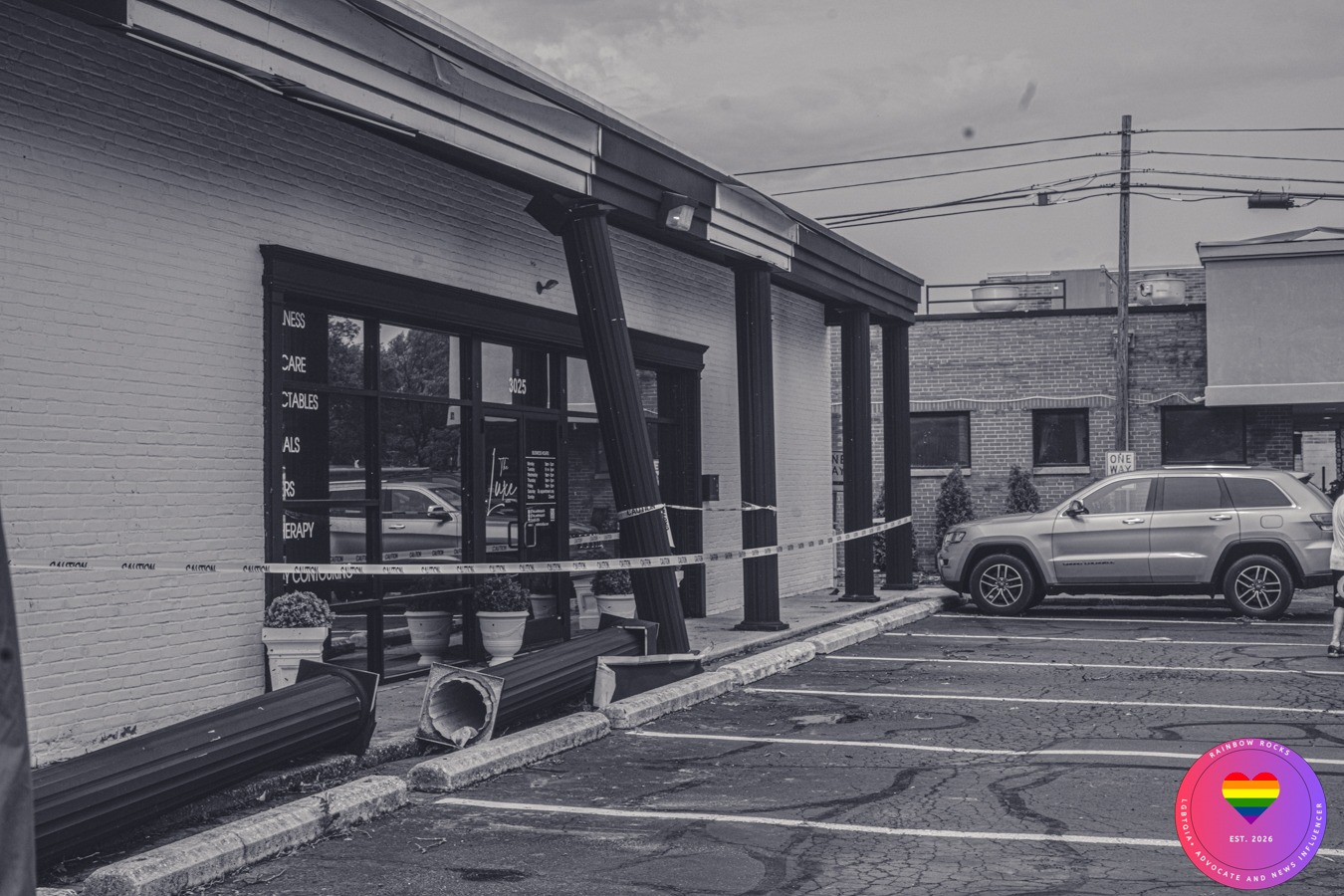
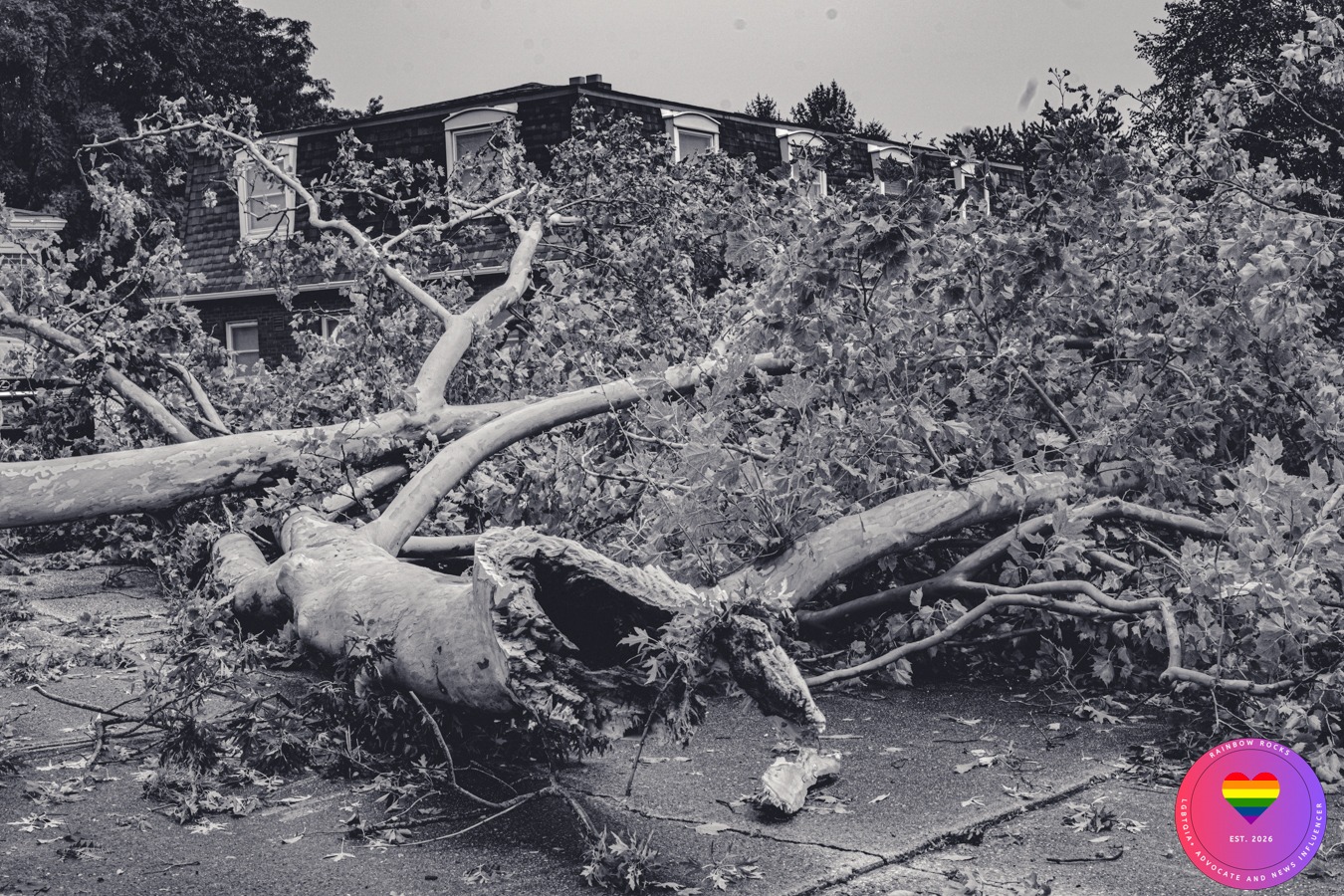
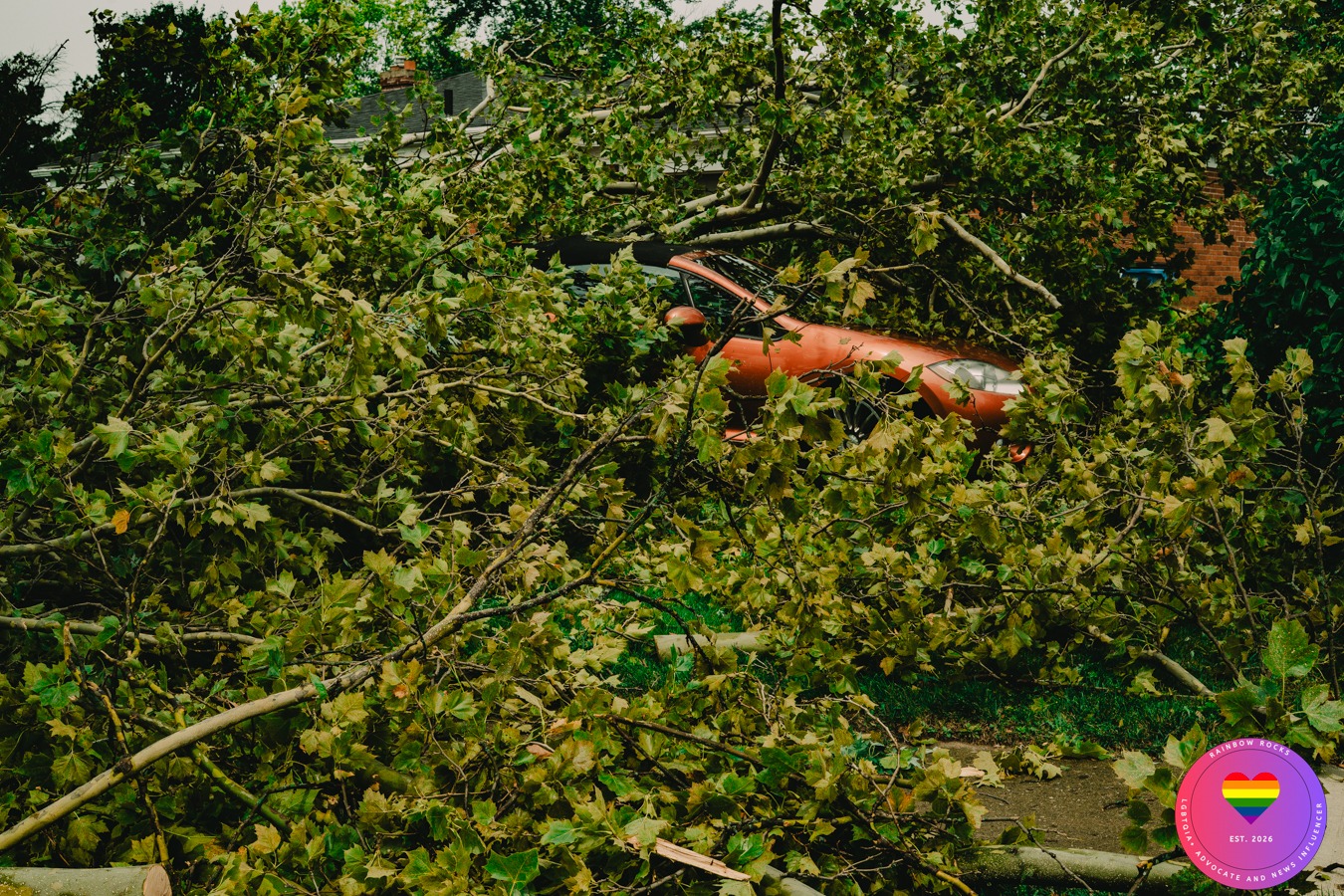
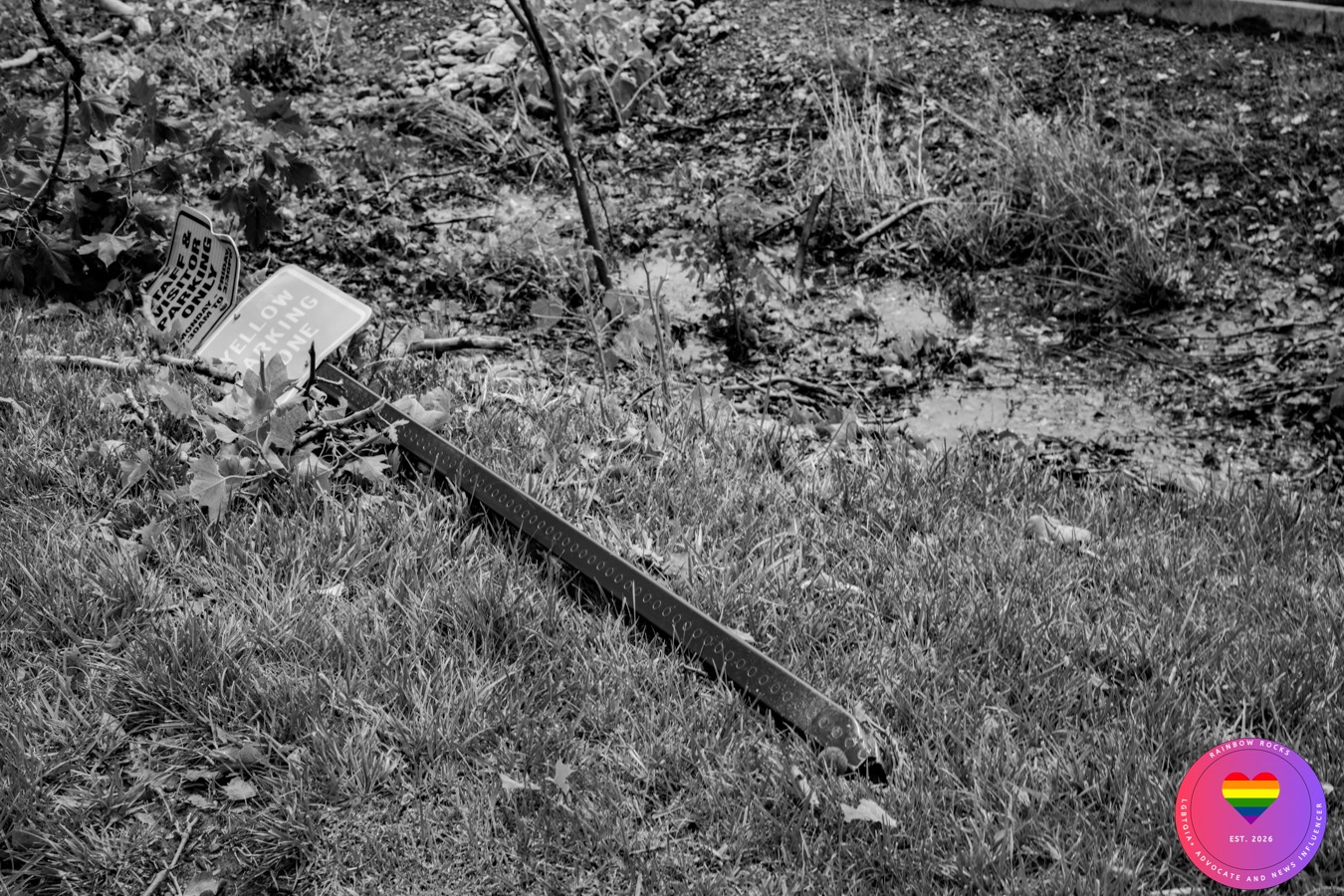
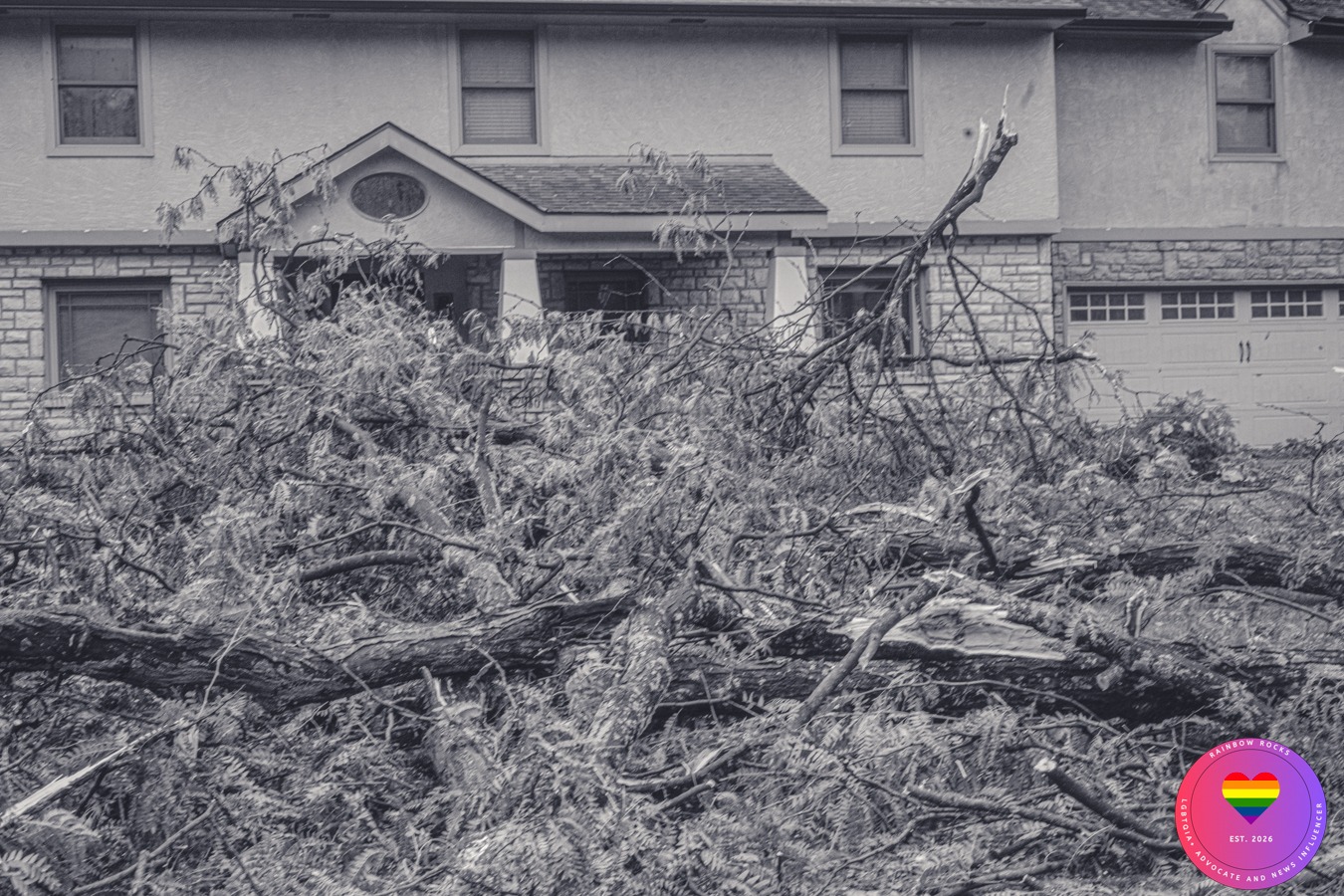
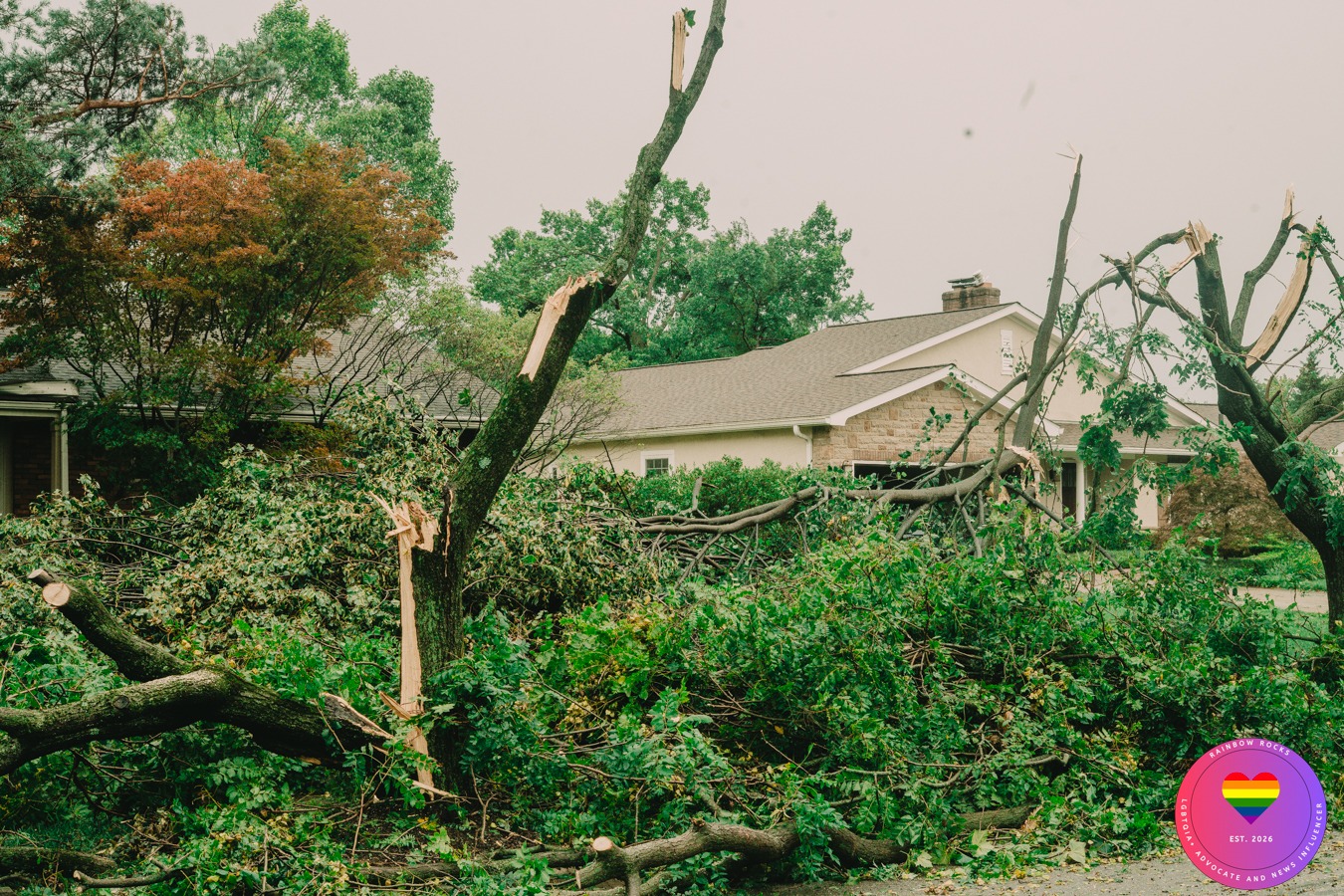
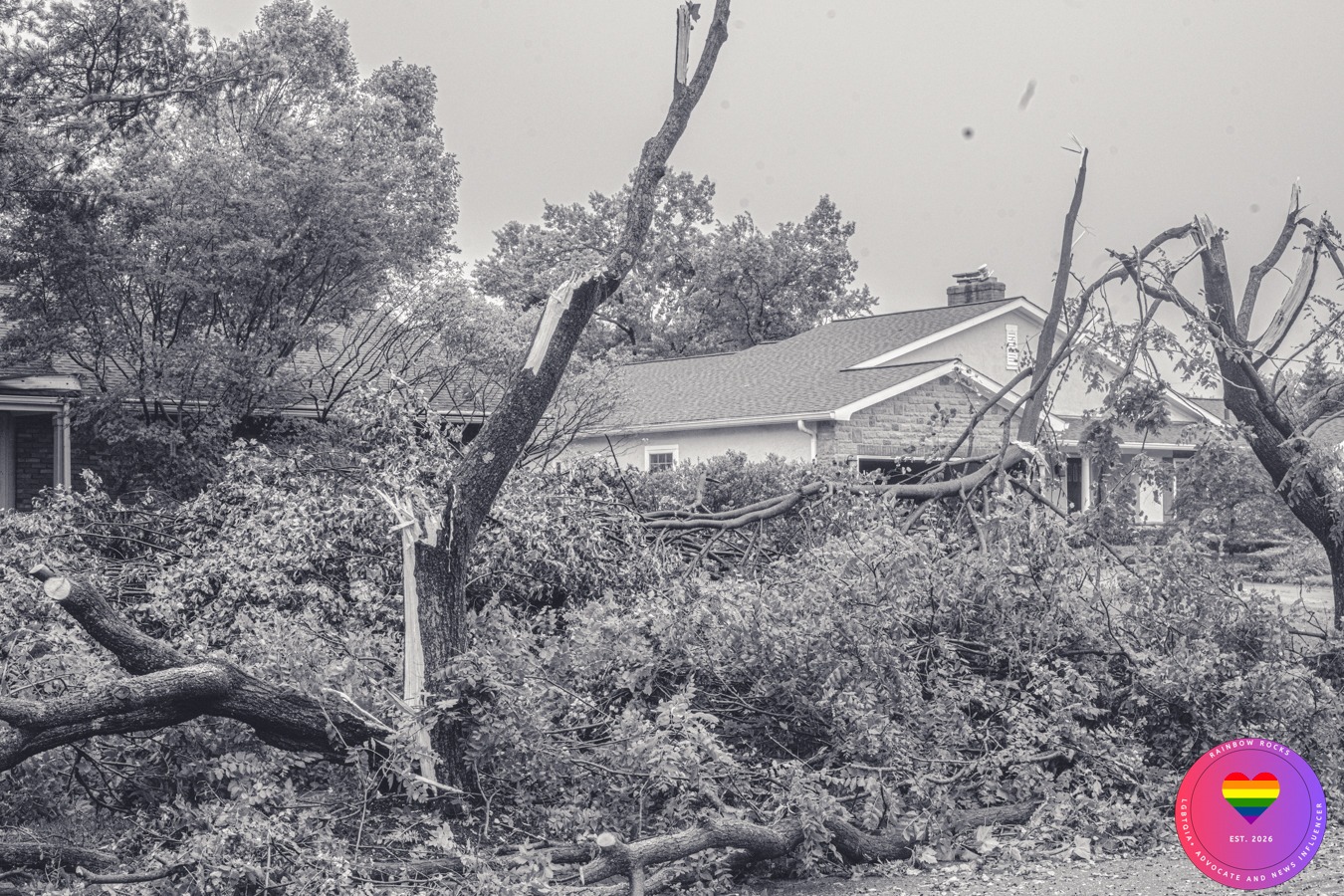
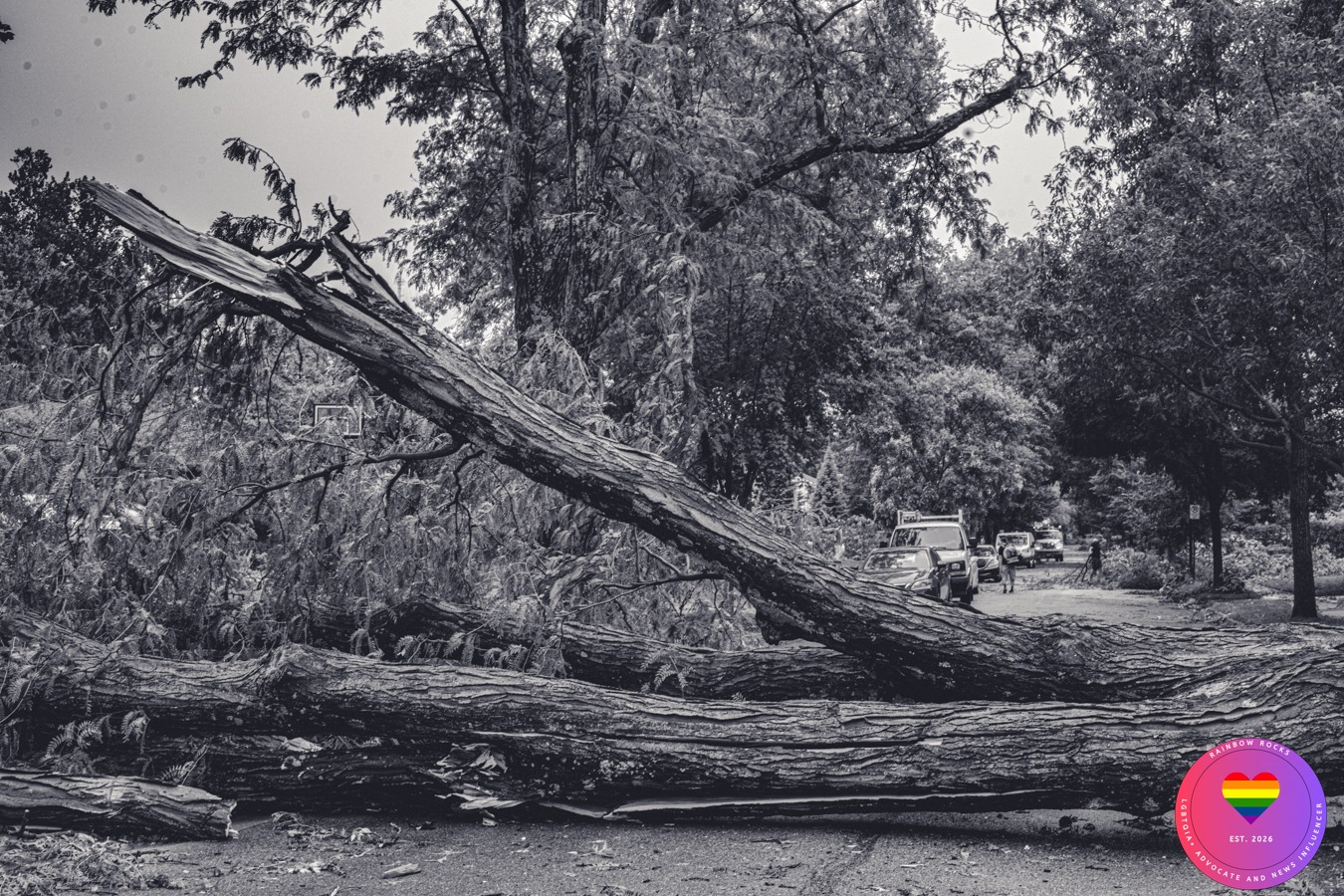
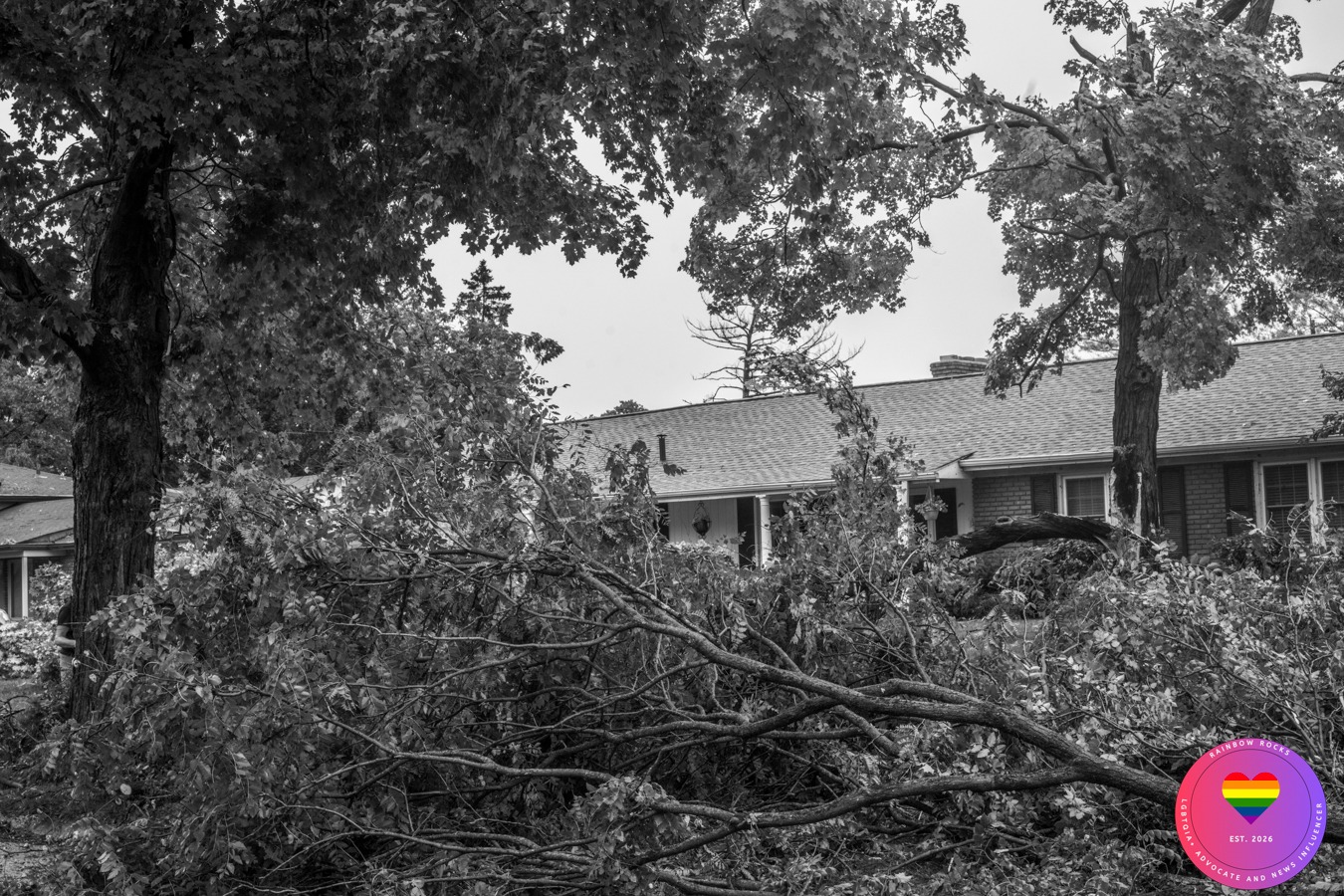
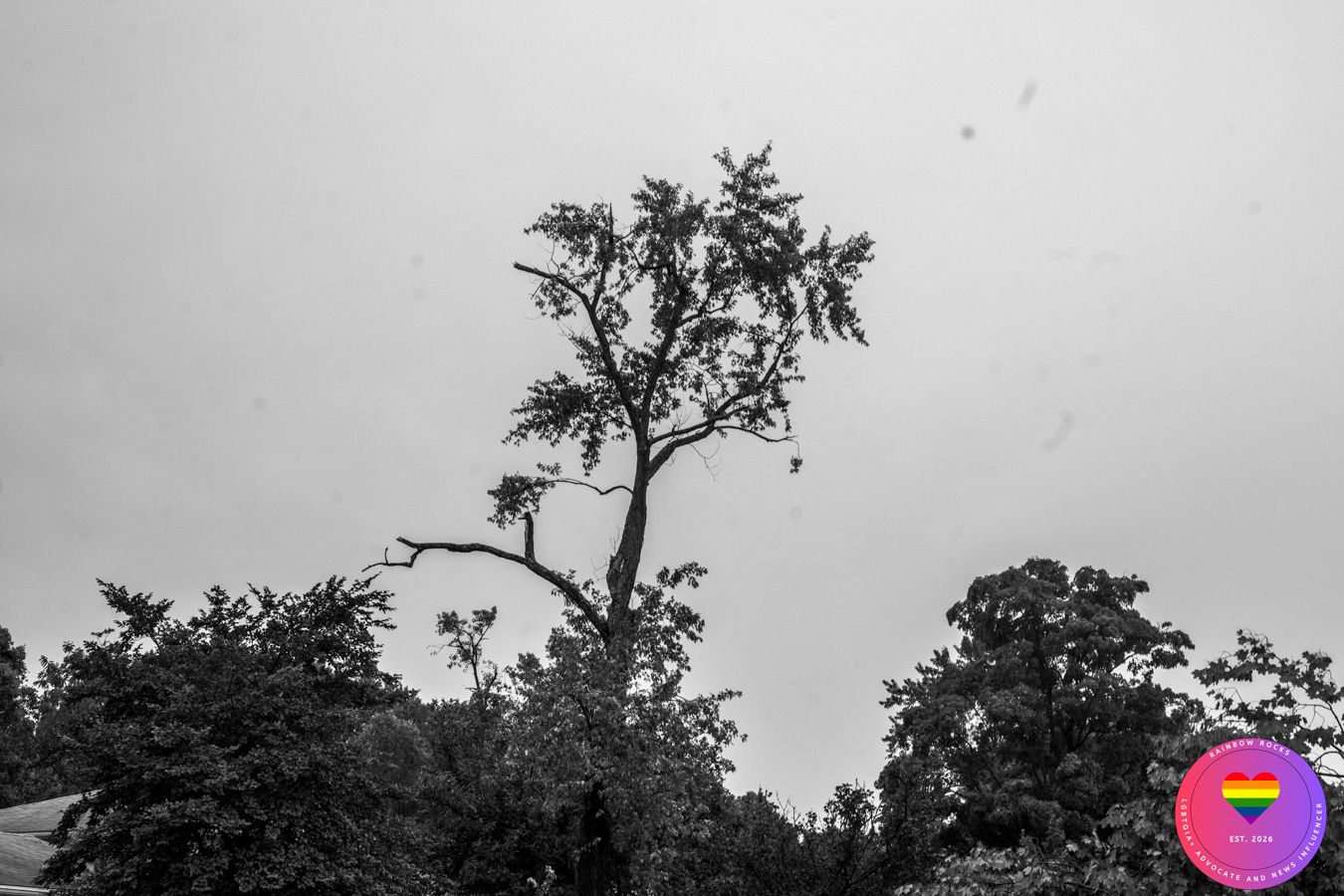
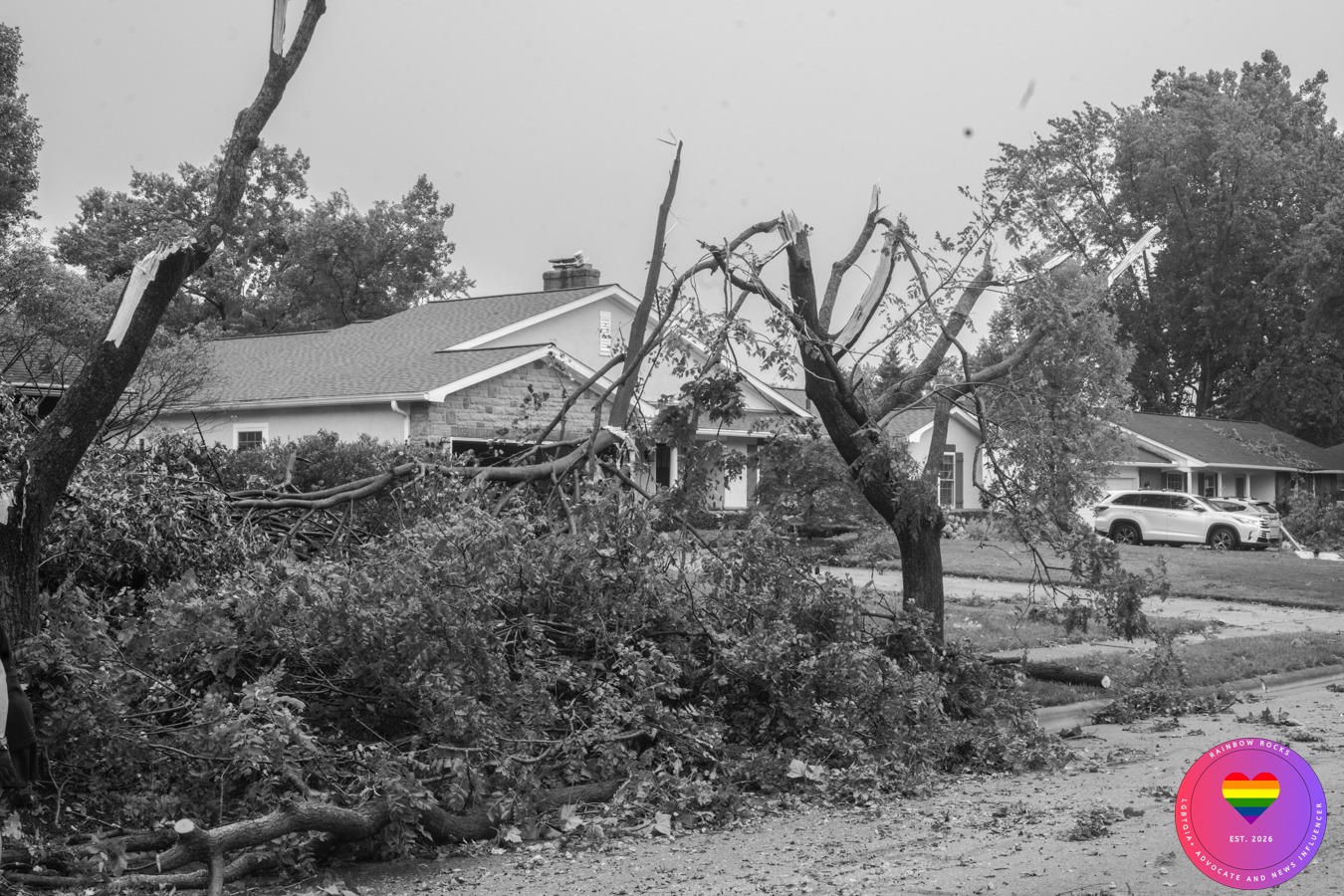
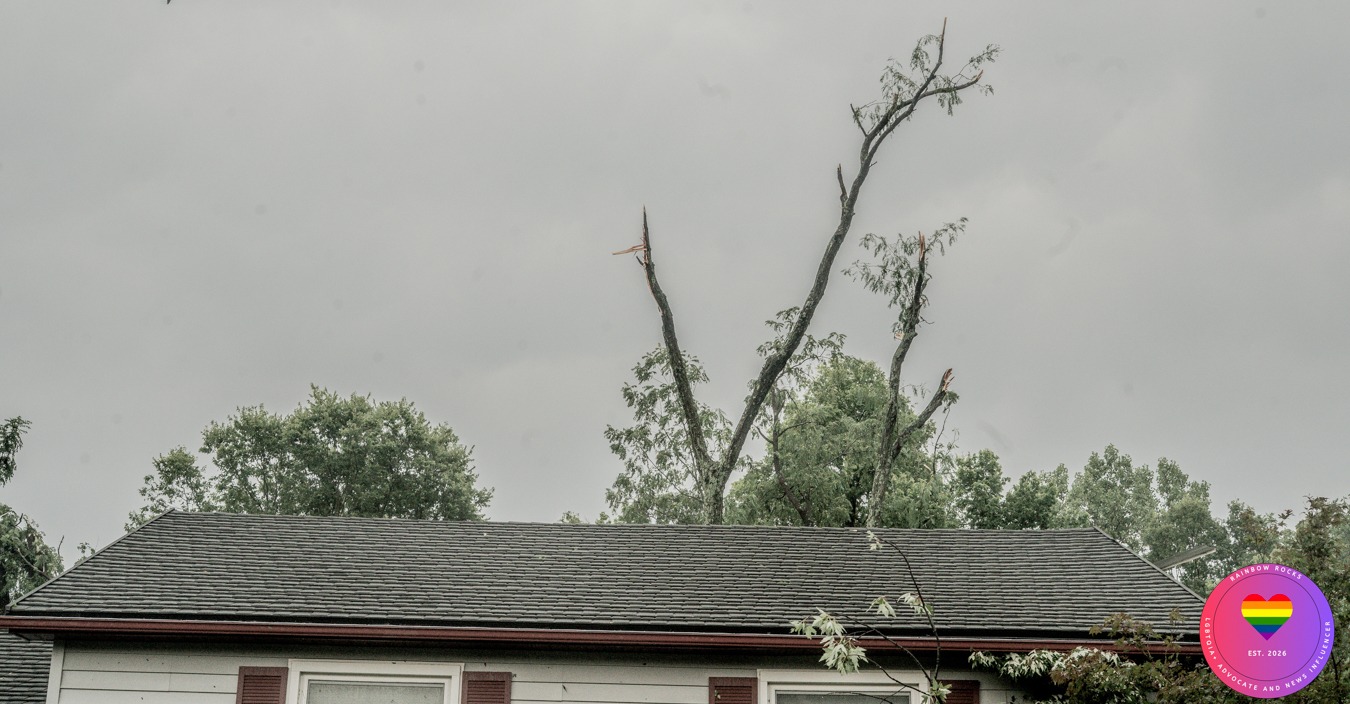
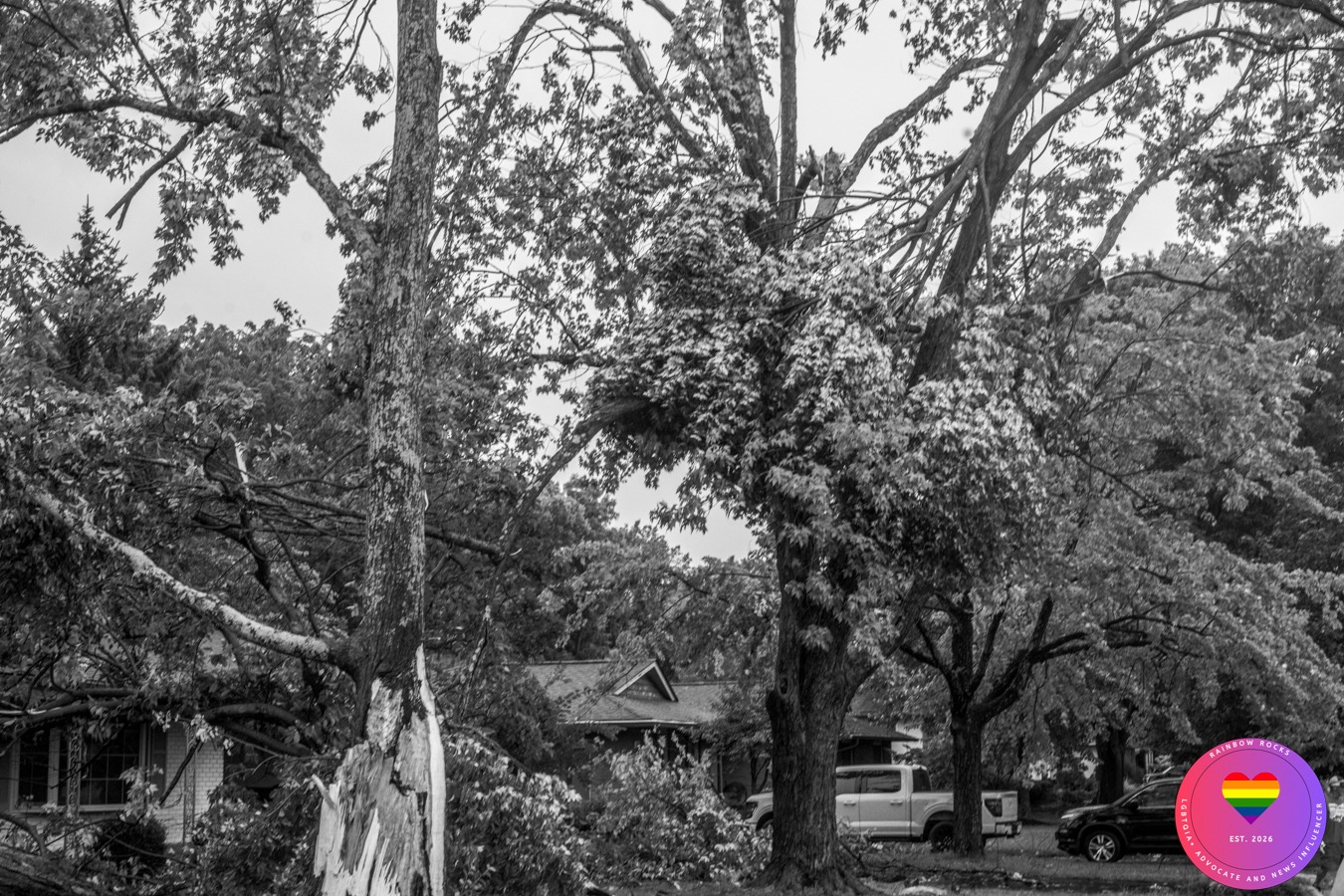
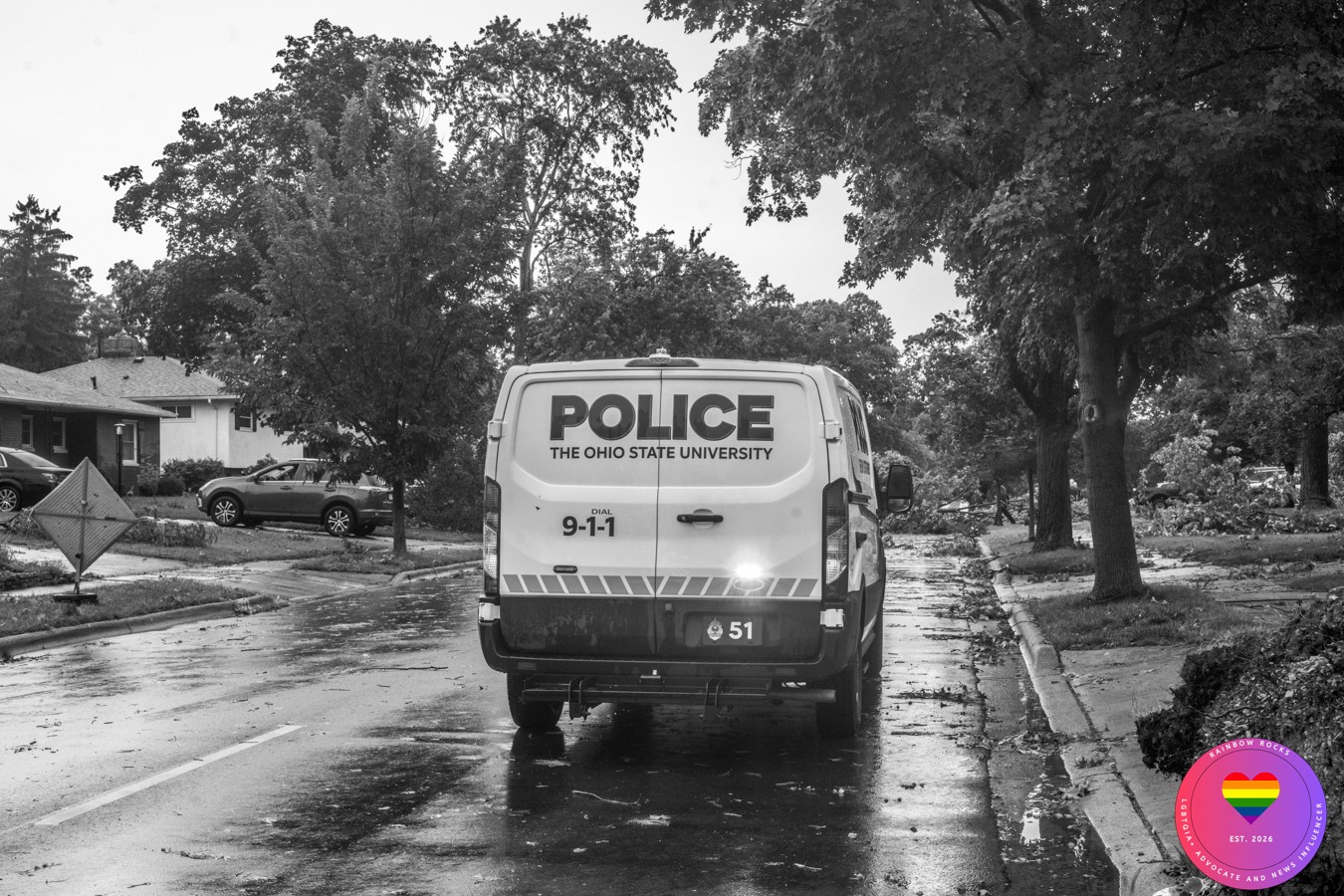
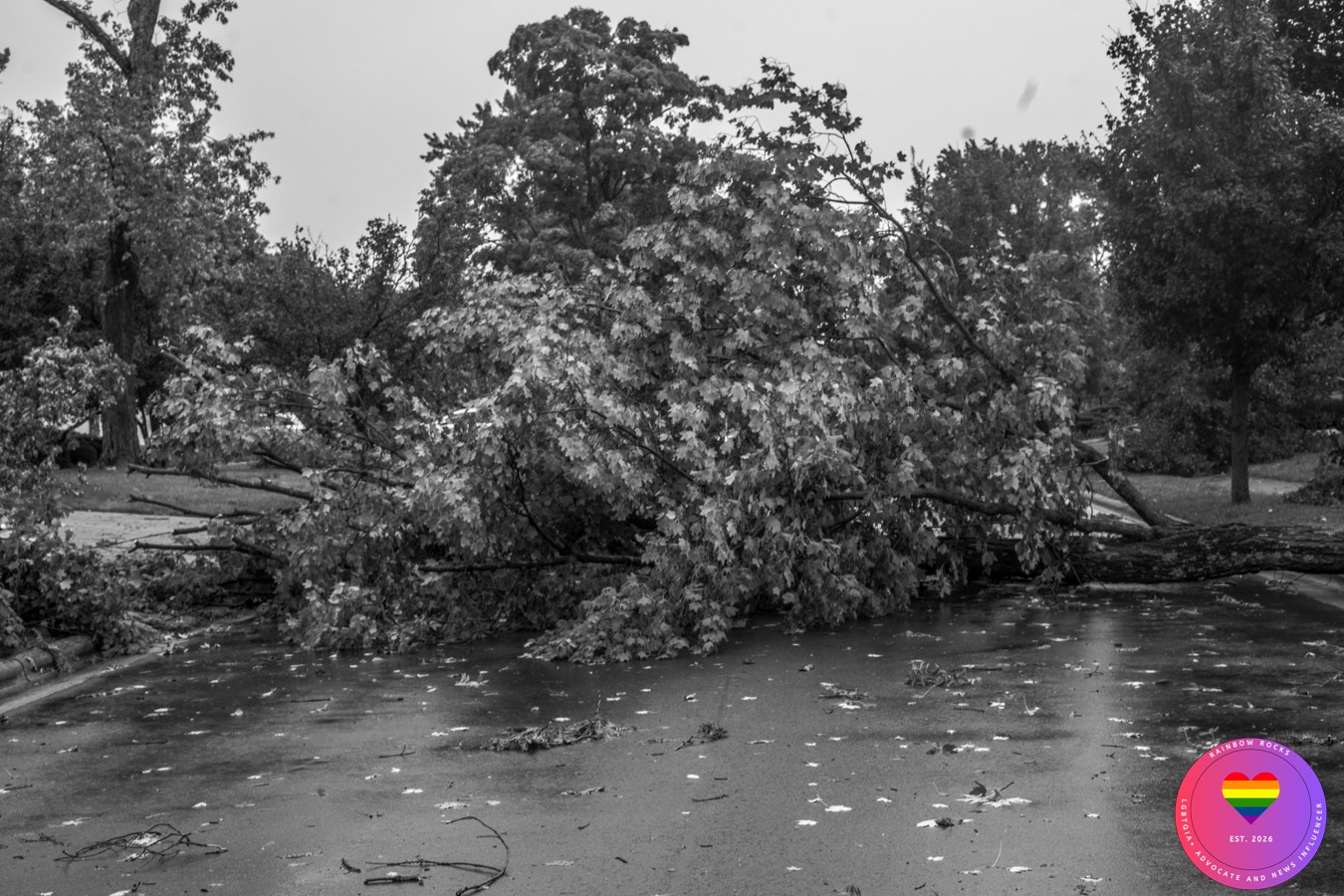
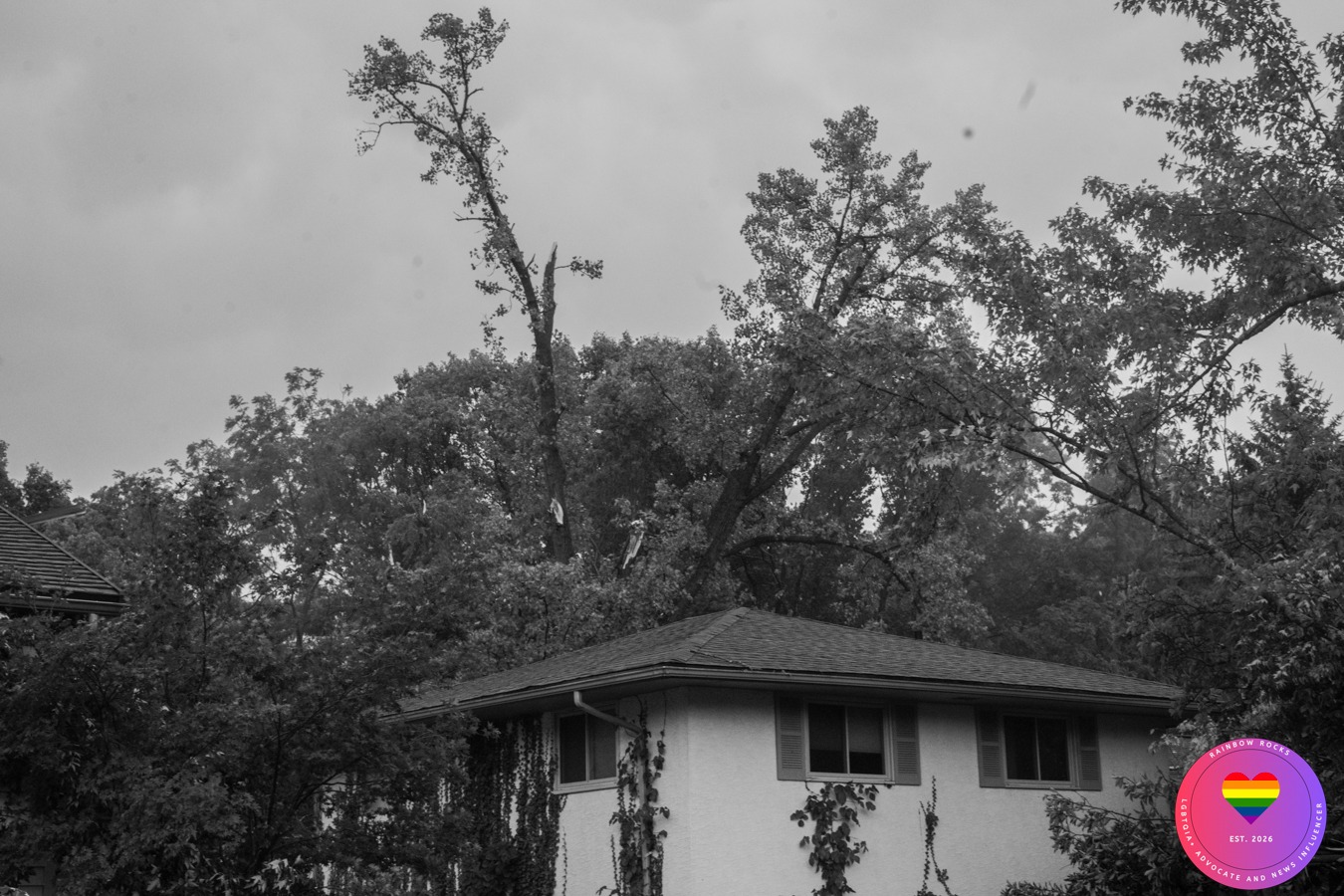
UPPER ARLINGTON, Ohio — Early this morning, a violent and unrelenting weather assault tore through Upper Arlington around 10:30 AM EST, leaving behind a staggering path of wreckage that shocked Eyewitnesses, City Workers, and Veteran Emergency Responders alike.
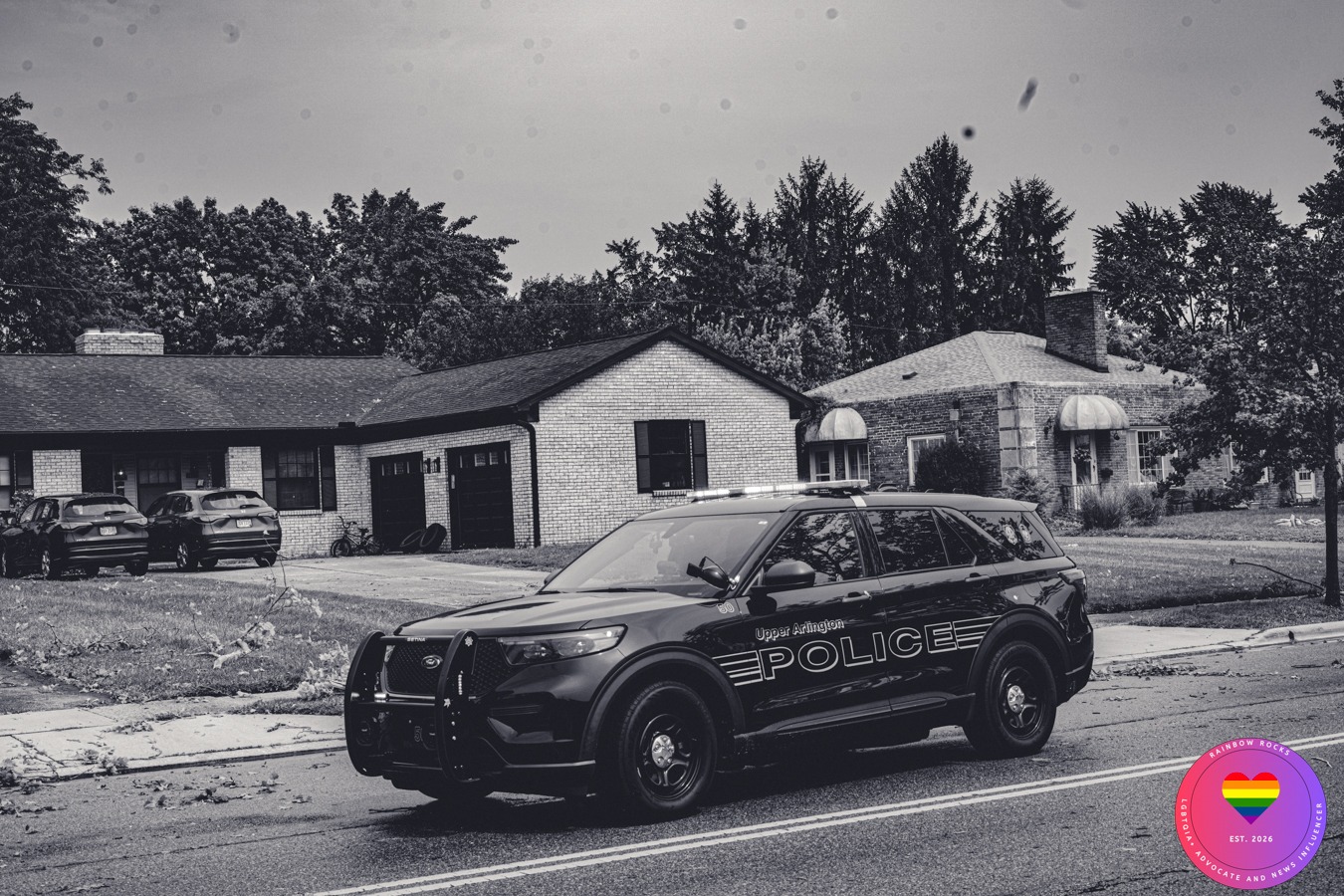
In the immediate aftermath, the consensus on the ground from the Upper Arlington Police Department and Local Residents was stark and universal: it looked like a bomb had gone off.
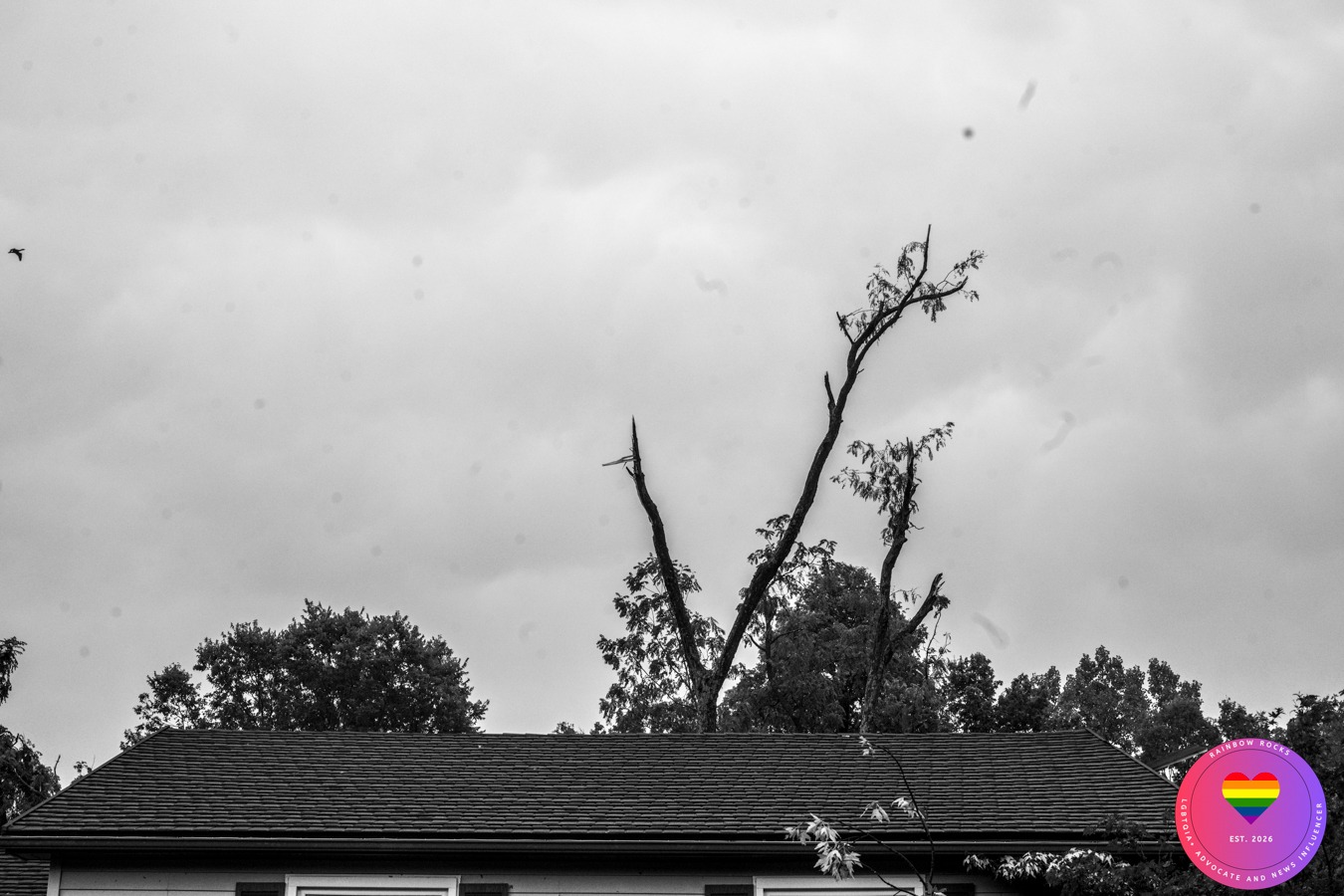
A Silent Strike and Unprecedented Destruction
The system arrived with terrifying speed, catching the entire community completely off guard. Most alarming to residents was the total absence of warning—no sirens wailed, and no alerts preceded the onslaught. Multiple residents reported hearing the distinct, unmistakable roar of the potential tornado tearing through, but because it came with zero lead time, they had no way of expecting it before it struck out of nowhere.
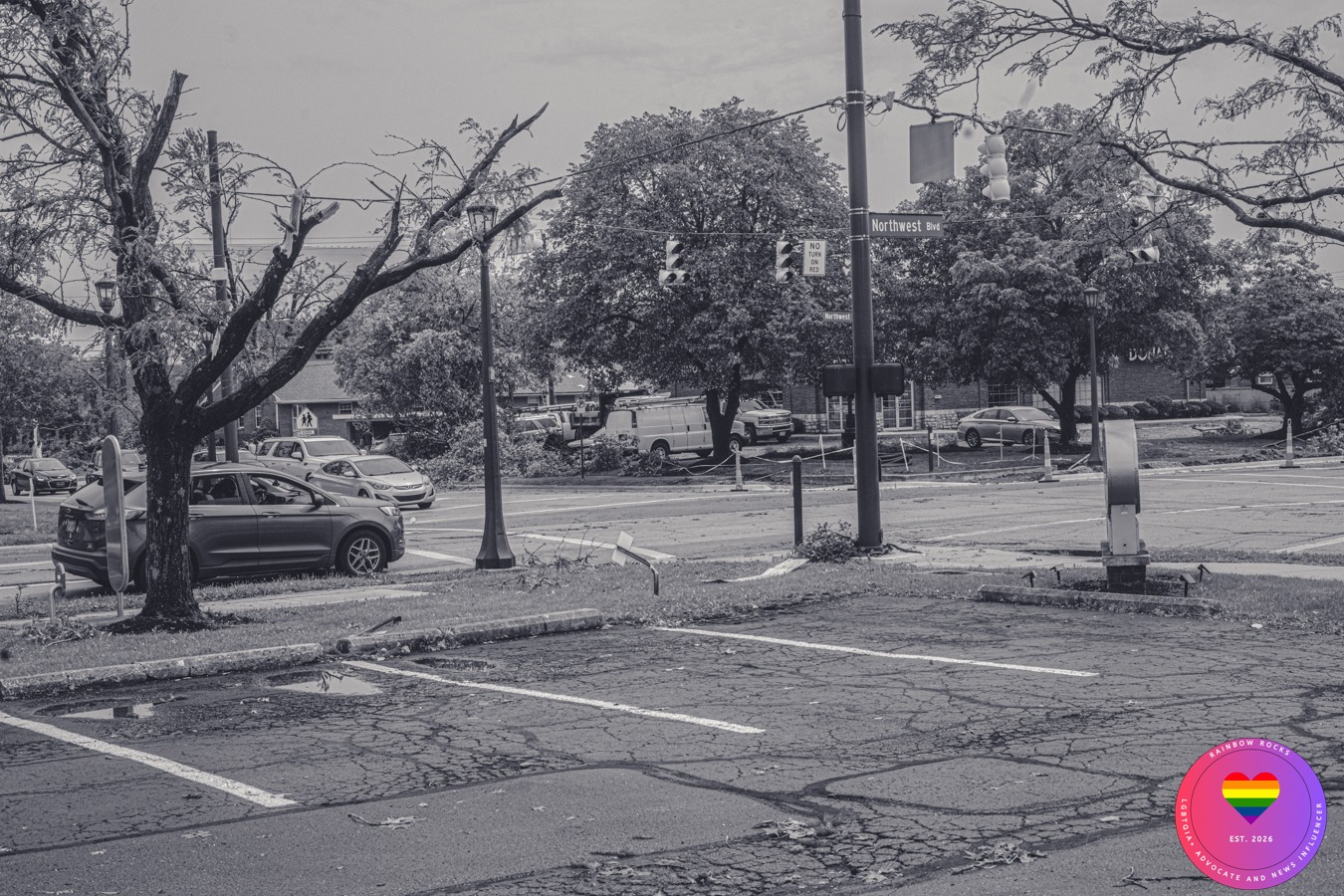
Looking out west along Zollinger Road, Northwest Boulevard, and Brandon Road, the visible path of the system carves directly toward the west side of Upper Arlington over by Schodeninger Funeral Home, where it is apparent where the possible tornado touched down initially. Pushing hard and fast toward the area around Upper Arlington High School and Eastward, massive damage was concentrated right around the high school grounds and along Zollinger Road near Brandon Road, and surrounding neighborhoods just East of Upper Arlington High School, where eyewitness reports strongly indicate a localized touchdown occurred by the damage and hearing the freight train sound of a possible tornado.
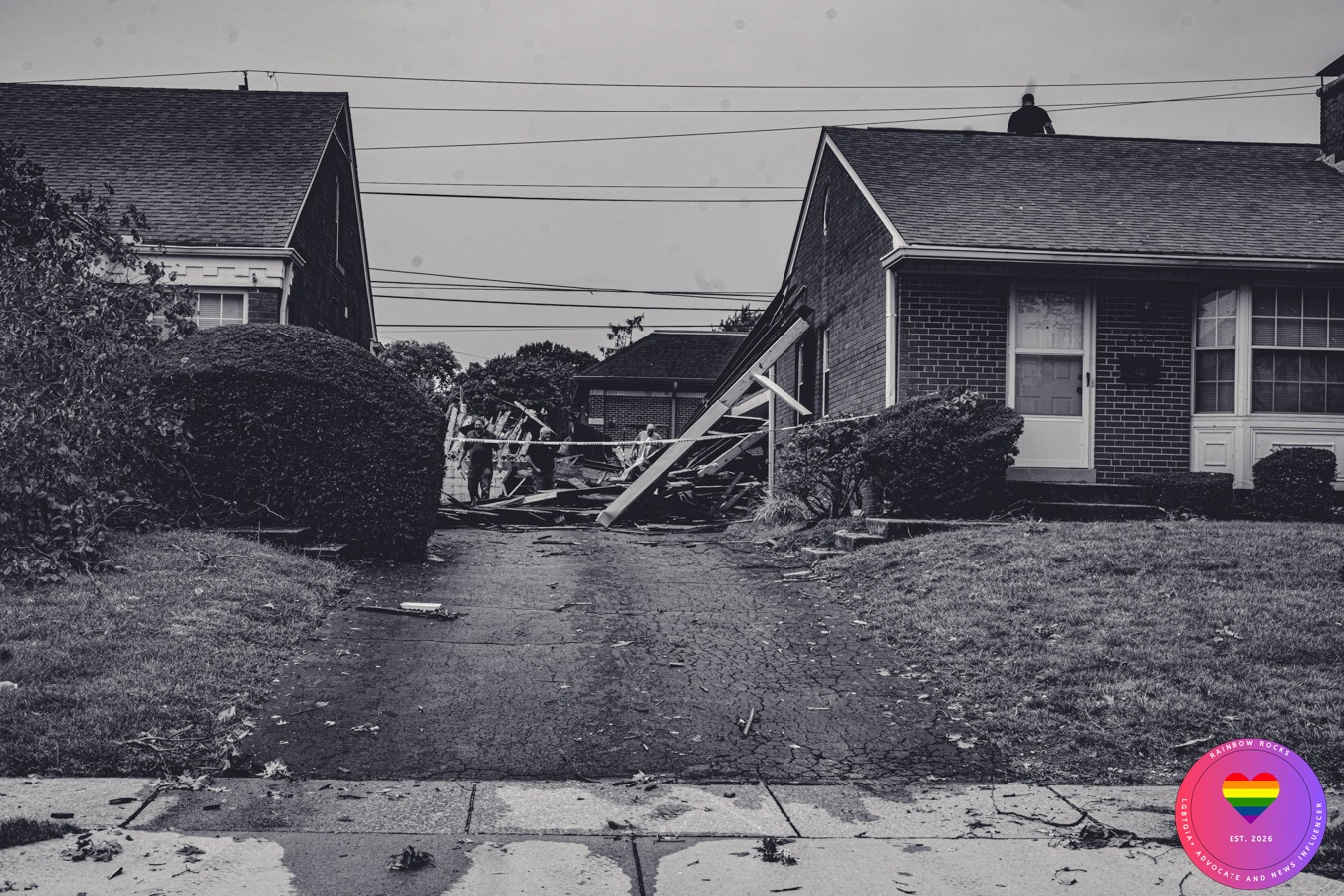
Just west of Upper Arlington High School, by Zollinger Rd and Brandon Rd, a car garage was completely blown to pieces, bearing the unmistakable structural signatures of a potential EF-1 tornado strike, though everyone is currently waiting on the NWS Damage Survey to confirm if it was a tornado and what strength it carried. Furthermore, there was massive damage, including a car burned out at a house on the corner of Brandon Road and Zollinger Road.
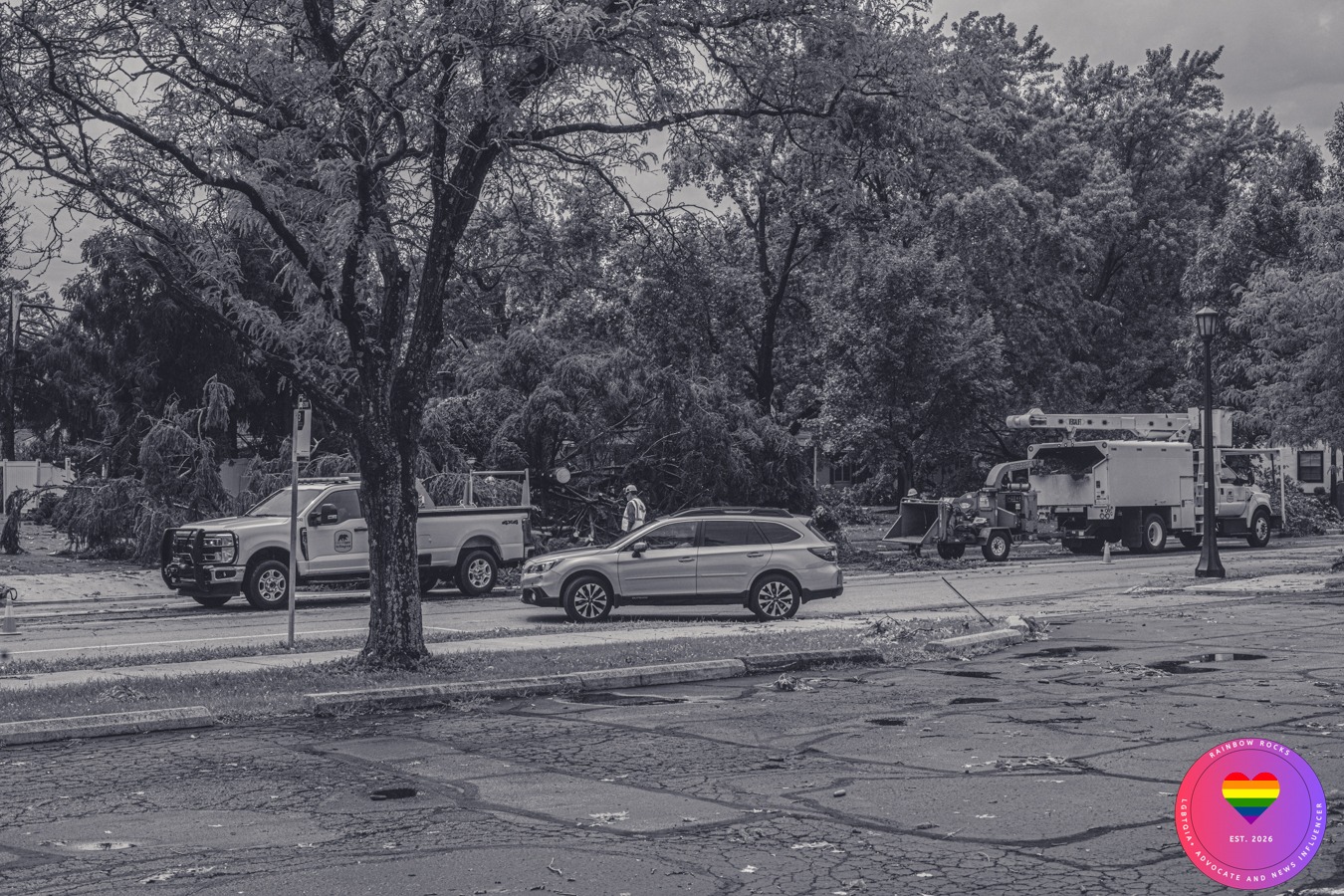
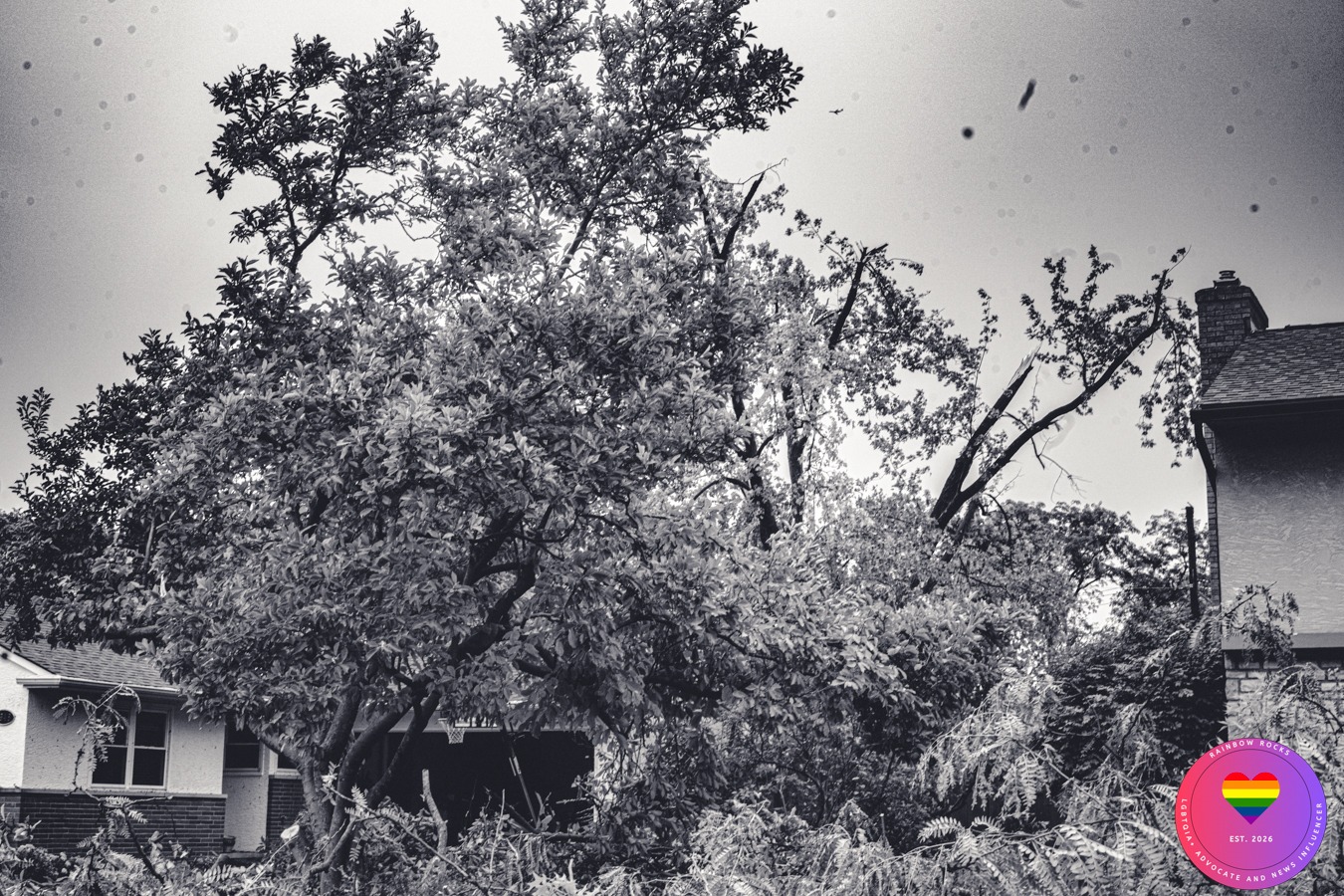
The trail of wreckage continued sweeping through toward Zollinger Road, Mount Holyoke Road, and back behind the local Giant Eagle on Zollinger Rd. Debris fields, broken timber, and structural hits mark what many are calling the worst localized storm damage the area has experienced since a devastating severe weather outbreak struck the community roughly seven years ago.
Impact on the Local LGBTQIA+ Community and Inclusive Neighborhoods
The widespread destruction and sudden blackouts have deeply impacted communities throughout Columbus, including vibrant, inclusive neighborhoods and local safe havens heavily populated by and supportive of the LGBTQIA+ community—stretching from the queer-friendly hubs near Old Town East and Parsons Avenue out toward the northwest corridors. With extensive power outages shutting down local businesses, community spaces, and residential blocks, many queer residents, transgender individuals, non-binary neighbors, chosen families, and local advocacy networks are left navigating the crisis in the dark. In tight-knit urban pockets built on mutual aid, queer inclusivity, and fierce solidarity, the sudden loss of infrastructure has heightened vulnerabilities, making grassroots neighborhood support networks and community-led care critical for safety, communication, and resource sharing during the blackout.
Federal Failure and Warning Omissions
Anger is mounting far beyond property lines, directly targeting the federal government’s weather apparatus. Critics and local observers are heavily condemning the National Weather Service for an egregious failure to notify Franklin County of a tornado warning. Across multiple populated corridors throughout Columbus—including Upper Arlington, the Ohio State University campus, Parsons Avenue, and Old Town East—residents were left completely in the dark without a formal tornado warning being issued to alert the public before disaster struck.
Widespread Blackouts, School Grid Failure, and Power Outages
As a direct result of the violent system tearing through the municipality, a large majority of Upper Arlington is currently completely out of power. Downed lines, shattered utility poles, and transformer failures have plunged major sections of the city into darkness, paralyzing everyday routines. Upper Arlington High School has lost primary power and is currently running solely on backup emergency generators. Given the immense scale of the devastation across the entire city, utility crews face a massive uphill battle, and it is expected to be a considerable length of time before full power is restored to the community.
The Specter of a Possible EF-1 Tornado and Growing NWS Frustration
While standard initial classifications often default to severe straight-line winds, the distinct, highly localized, and carved signature of the destruction—stretching from Schodeninger Funeral Home, Zollinger Road, Northwest Boulevard, right through the heart of the city—has left experts and locals pointing toward a potential EF-1 tornado that rolled through the community. The twisting and concentration of the structural and tree damage bear the unmistakable hallmarks of tornadic activity.
Compounding the community’s shock and trauma is a rising tide of frustration directed at federal weather authorities. Local sources report that the National Weather Service in Wilmington has resisted or refused to deploy a team promptly to conduct an official storm survey later this week, leaving residents and city officials high and dry without an official assessment or explanation for what ripped through their neighborhoods.
Neighbors Helping Neighbors in the Wake of Devastation
Amidst the power outages, property destruction, and lack of official support from the National Weather Service or Franklin County EMA, the true strength of Upper Arlington and the broader Columbus area has emerged from the ground up. In the face of this potentially EF-1 tornado, neighbors and first responders have instantly stepped up to help one another—embodying the deep-rooted spirit of community care and inclusivity. Resident-led recovery is fully underway across the blocks, with community members clearing blocked driveways, sharing generators, checking on vulnerable and LGBTQIA+ households, and offering shelter, safety, and tools to those hit hardest. That’s what community is about.
Lack of Support from National Weather Service and Franklin County Emergency Management Association
The final piece of this puzzle is the blatant and deeply frustrating lack of support and accountability from the National Weather Service in Wilmington, Ohio, and the Franklin County Emergency Management Association (EMA). Residents who survived the terrifying morning onslaught and are now left to pick up the pieces in the dark find themselves completely abandoned by the very agencies tasked with public safety and emergency oversight. From the total failure to issue an advance warning before disaster struck to the subsequent absence of field response, coordination, or timely damage assessment, the systemic vacuum left by NWS Wilmington and the Franklin County EMA has placed the full burden of survival squarely on the shoulders of the community.
When directly questioned about whether they had any indication beyond straight-line winds that a possible tornado tore through Upper Arlington, the Ohio State University Campus, Old Town East, and Parsons Avenue, representatives from the National Weather Service admitted that while they received post-storm reports of a possible tornado, they ultimately chose to withhold a warning because they “didn’t see it on the radar and had conflicting information based off the radar data.”
When talking with the Franklin County EMA, officials stated they are well aware of the damages in the areas of Upper Arlington, the Ohio State University campus, Old Town East, and Parsons Avenue, but passed the buck by stating that it is up to the National Weather Service to do a damage survey. Later this week, the National Weather Service is scheduled to conduct a damage survey to officially confirm or deny whether a tornado touched down and to determine its strength—even though anyone witnessing the destruction firsthand knows there is no way this catastrophic level of localized devastation was caused by standard straight-line winds.
Worse still, in conversations with Franklin County EMA officials, absolutely zero practical help, emergency guidance, or tailored advice was offered to the heavily impacted communities—particularly vibrant, LGBTQIA+ friendly neighborhoods and safe havens where vulnerable residents, non-binary neighbors, and chosen families are struggling through pitch-black conditions. Providing no direction or targeted outreach to these diverse grassroots populations in their greatest hour of need feels like a profound and insulting slap in the face from the Franklin County EMA.
Anatomy of a Silent Catastrophe: Accountability, Institutional Blind Spots, and the Power of Grassroots Survival
The unexpected storm and suspected EF-1 tornado that carved a destructive path through Upper Arlington, the Ohio State University campus, Old Town East, and Parsons Avenue exposed deep structural and institutional vulnerabilities across central Ohio. With no advance warning sirens or emergency alerts preceding the destructive onslaught, thousands of residents were left entirely unprotected as catastrophic localized damage tore through homes, garages, and historic corridors. Compounding this trauma, the response from regional authorities—marked by NWS Wilmington’s reliance on flawed radar logic despite overwhelming physical evidence and the Franklin County EMA’s bureaucratic buck-passing and complete failure to offer practical guidance or targeted outreach to vulnerable populations—underscored a profound systemic vacuum. Yet, even as federal and local agencies faltered in their primary duties of public safety and accountability, the crisis laid bare the unbreakable resilience of Columbus. Across queer-friendly neighborhoods, inclusive safe havens, and block-level mutual aid networks, community members stepped up immediately to clear debris, share resources, and protect one another—proving that true security and survival are forged from the ground up when institutional safety nets fail.