Japanese Volleyball Shakes Up Sports Representation as Star Rui Takahashi and Voreas Hokkaido’s Reon Arao Publicly Come Out
- Rainbow_Rocks
- September 30, 2026
- Breaking News
- #IndependentJournalism, Coming Out, Japan LGBTQ, LGBTQIA Athletes, LGBTQIA+, Rainbow Rocks, Reon Arao, Rui Takahashi, Suntory Sunbirds, SV League, Volleyball, Voreas Hokkaido
- 0 Comments
Written and Photographed by LGBTQIA+ Independent News Reporter — Kyle Williams — Rainbow Rocks — RainbowRocks.space — October 1, 2026
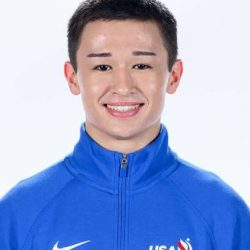
In what is rapidly becoming a watershed moment for professional athletics in Japan, the sports world is witnessing a historic wave of authentic representation. Japanese volleyball standout Rui Takahashi recently sent ripples across the global sports landscape by publicly coming out as gay, and his courage has already sparked a powerful domino effect. Shortly after Takahashi’s announcement, fellow professional volleyball player Reon Arao—the dependable libero for Voreas Hokkaido—also came out as LGBTQ+, explicitly crediting Takahashi with giving him the courage and space to share his own story with the world.
For Takahashi, a 26-year-old outside hitter for Suntory Sunbirds Osaka, stepping into his truth was a deeply reflective journey. In a heartfelt social media statement, Takahashi detailed the years of internal friction, hesitation, and self-doubt that often accompany navigating public life in a sporting culture where openly queer athletes remain exceptionally rare. Crucially, Takahashi noted that deep, open conversations with his younger brother and fellow volleyball star, Ran Takahashi, during their time sharing the same team court last season, served as a vital catalyst. “Talking with Ran became the trigger that finally allowed me to accept myself for the first time,” Takahashi shared, reflecting on how verbalizing his feelings helped clear away the mental fog and allowed him to embrace his identity fully.
“I would be grateful if putting my thoughts into words could help someone struggling to accept themselves for any reason or background,” Takahashi wrote, emphasizing his desire to be a source of comfort for others as he steps into the new SV.LEAGUE season. Media outlets, fans, and human rights advocates immediately heralded the announcement as a monumental leap forward for Japanese sports, drawing comparisons to earlier trailblazers like soccer player Shiho Shimoyamada and Kumi Yokoyama.
That ripple effect proved almost immediate within the domestic volleyball community. Inspired by Takahashi’s vulnerability, Reon Arao—the defensive anchor and libero for Voreas Hokkaido—stepped forward with his own announcement, choosing to publicly identify as LGBTQ+ and leaning closest to “Q” for Questioning. Arao made no secret of the fact that Takahashi’s bravery opened the door for him, noting that witnessing a prominent peer speak out so openly dismantled the lingering fears holding him back. The back-to-back announcements within the high-stakes environment of the SV.LEAGUE highlight an unprecedented wave of peer support, solidarity, and cultural evolution sweeping through professional leagues.
The broader implications for these back-to-back coming-out stories cannot be overstated. For generations, athletes in conservative athletic environments have faced heavy institutional and social pressures to keep their personal lives strictly concealed, often fearing professional alienation, loss of sponsorships, or fan backlash. By choosing to live authentically on and off the court, both Takahashi and Arao are dismantling those outdated mentalities piece by piece.
The response from teammates, club management, and fans has been overwhelmingly supportive, signaling a tangible shift in how Japanese sports organizations view inclusivity and athlete well-being. As Takahashi takes the court for Suntory Sunbirds Osaka and Arao digs in for Voreas Hokkaido this season, they carry far more than the standard athletic expectations of elite professional competitors. They now bear the profound honor of being beacons of hope, resilience, and visibility for LGBTQ+ youth and athletes across Japan and the international volleyball community, proving once and for all that true excellence requires total authenticity.