The Battle for the Soul of Columbus: No Kings Rally and the Reclaiming of the Streets
- Rainbow_Rocks
- March 25, 2026
- Entertainment, Featured, Sponsored Collaborations
- #CivilDefiance, #ColumbusOhio, #ColumbusProtest, #EqualityOhio, #GermanVillage, #IndependentJournalism, #LGBTQIA, #NoKings2026, #NoKings3, #NoKingsRally, #OhioStatehouse, #OperationMetro Surge, #PowerToThePeople, #RainbowRocks, #ShortNorth, #StatehouseOccupation, #TransRights, #VoterRights
- 0 Comments
Written And Photographed by Kyle / RainbowRocks, LGBTQIA+ and Ally Independent Journalist, Content Creator, and Digital Media Producer at RainbowRocks.Space
March 31st, 2026
The Battle for the Soul of Columbus: No Kings Rally and the Reclaiming of the Streets
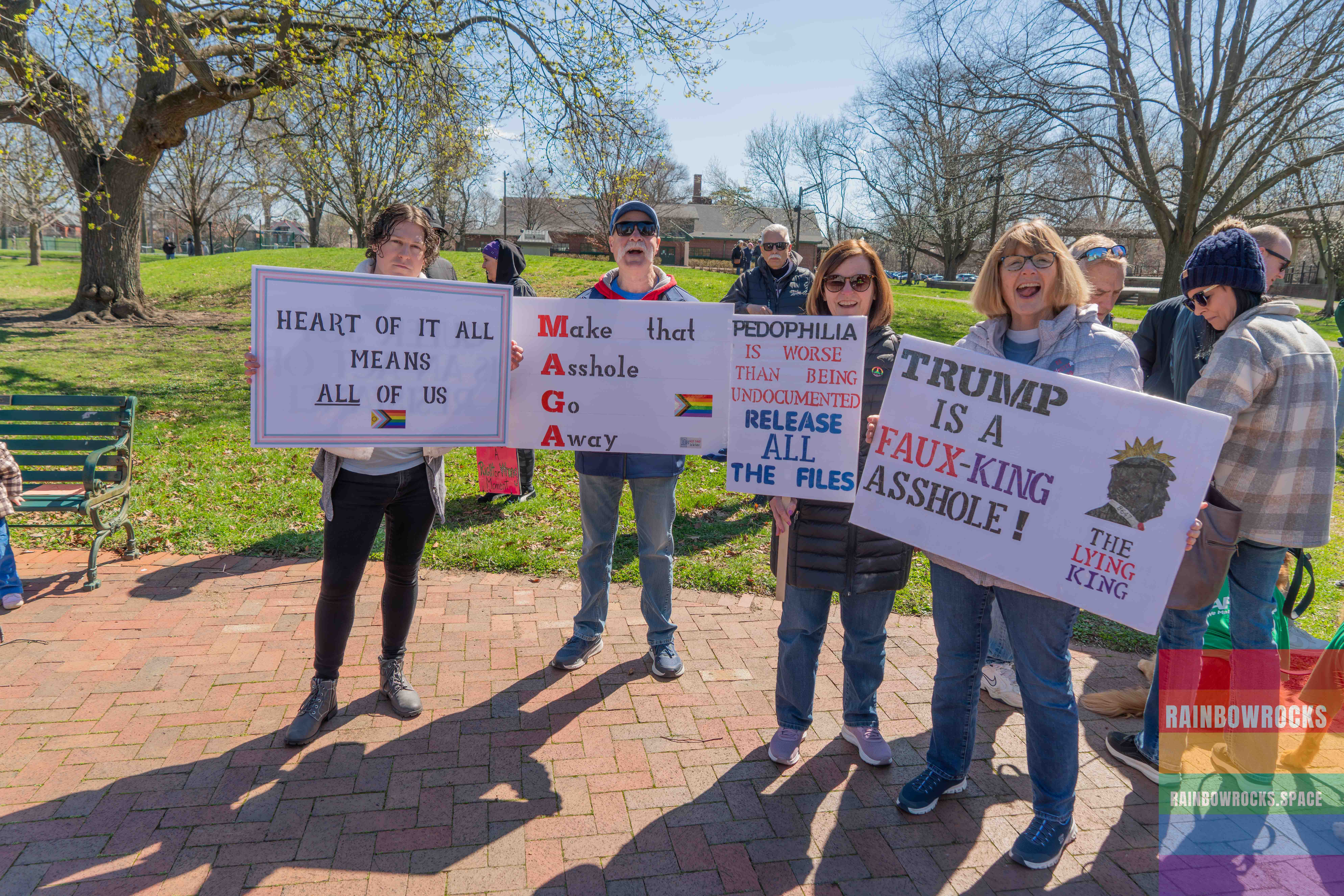
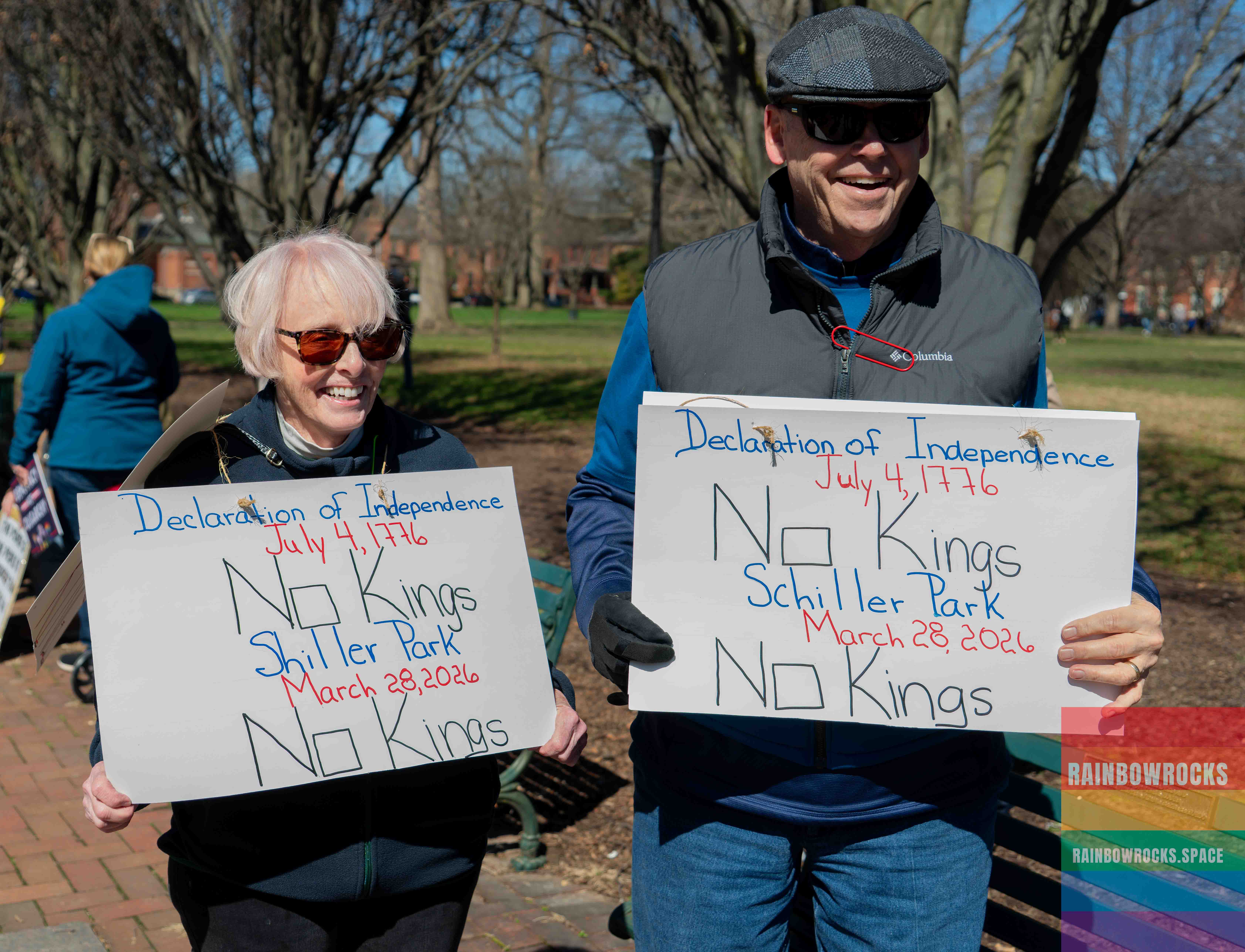
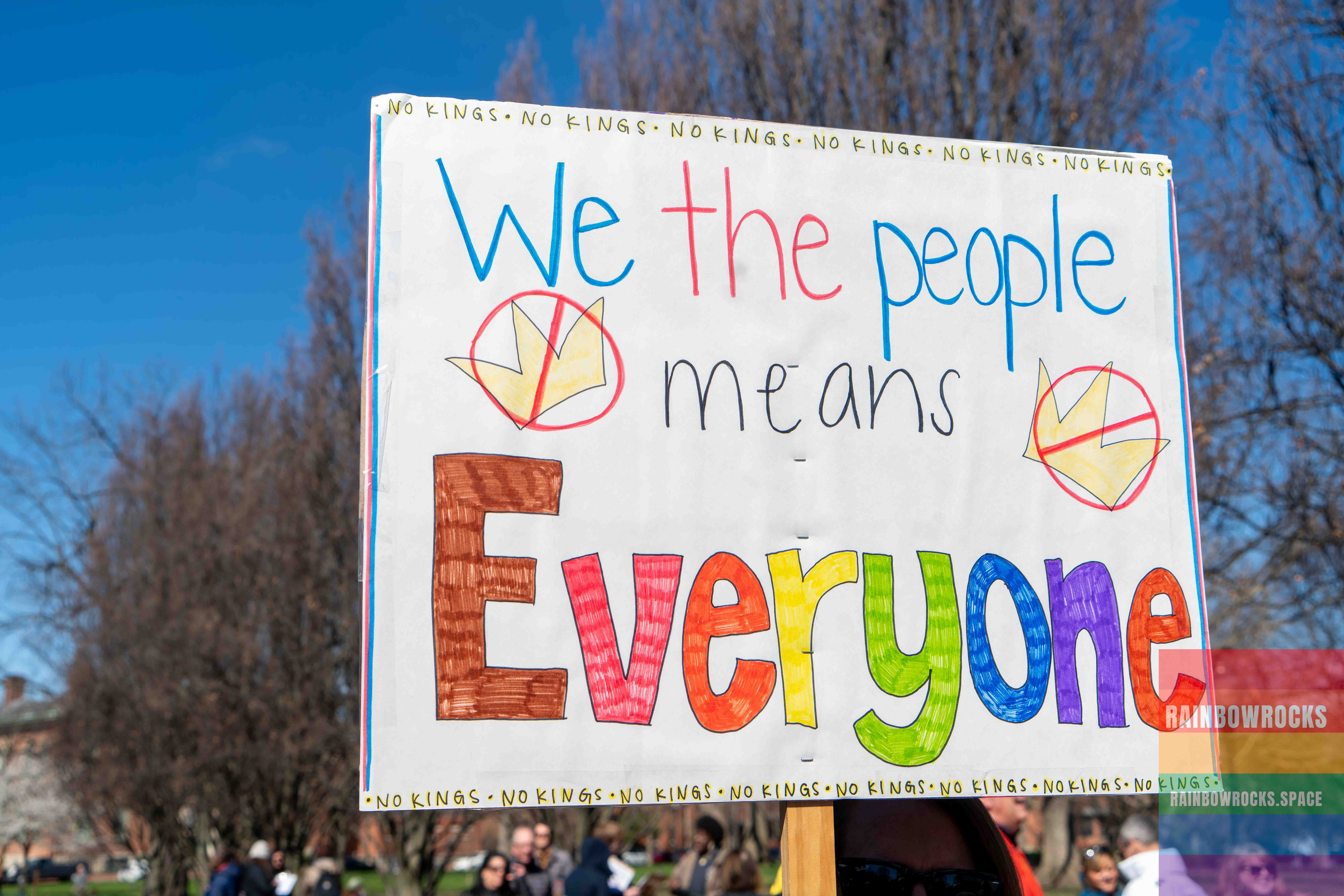
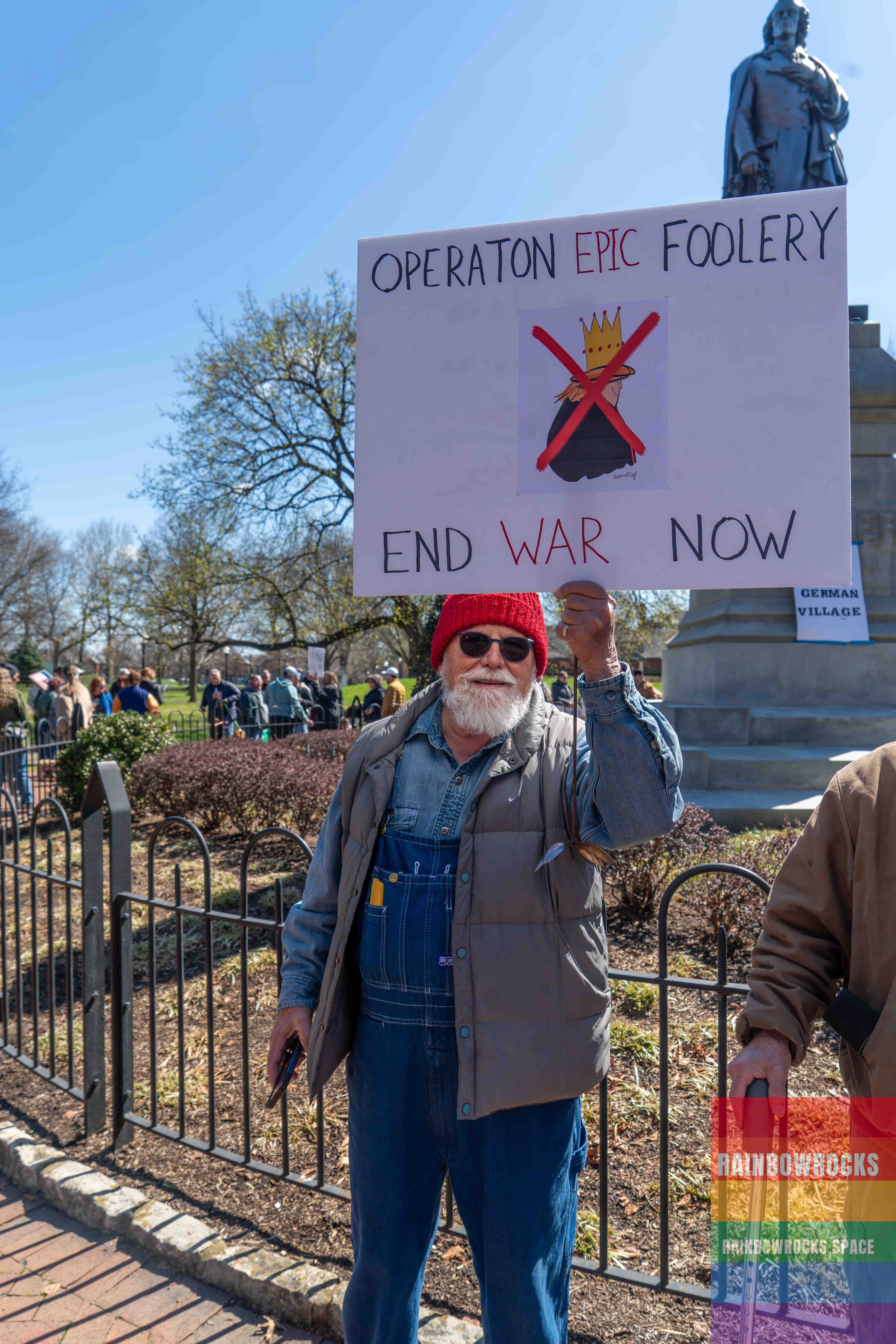
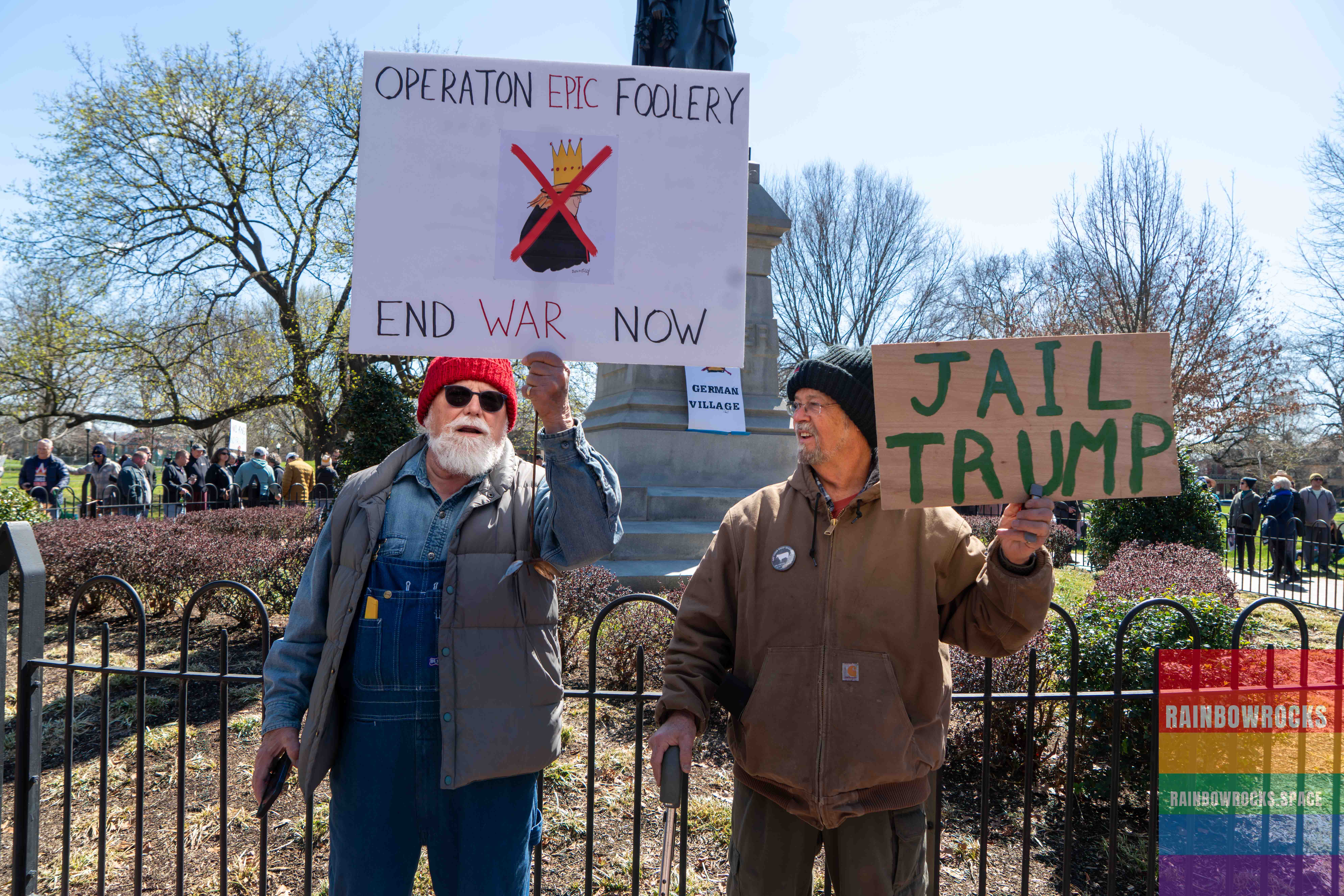
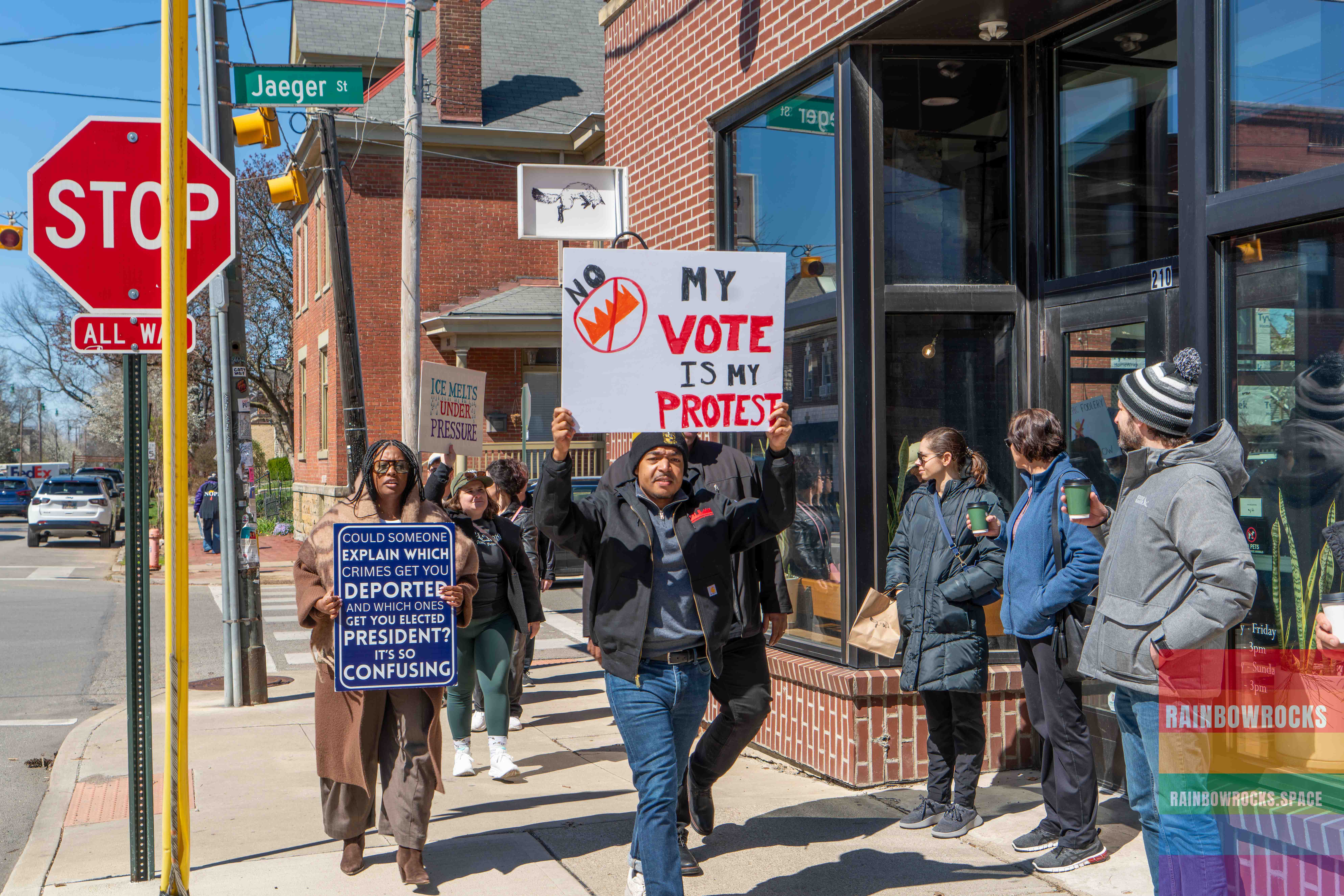
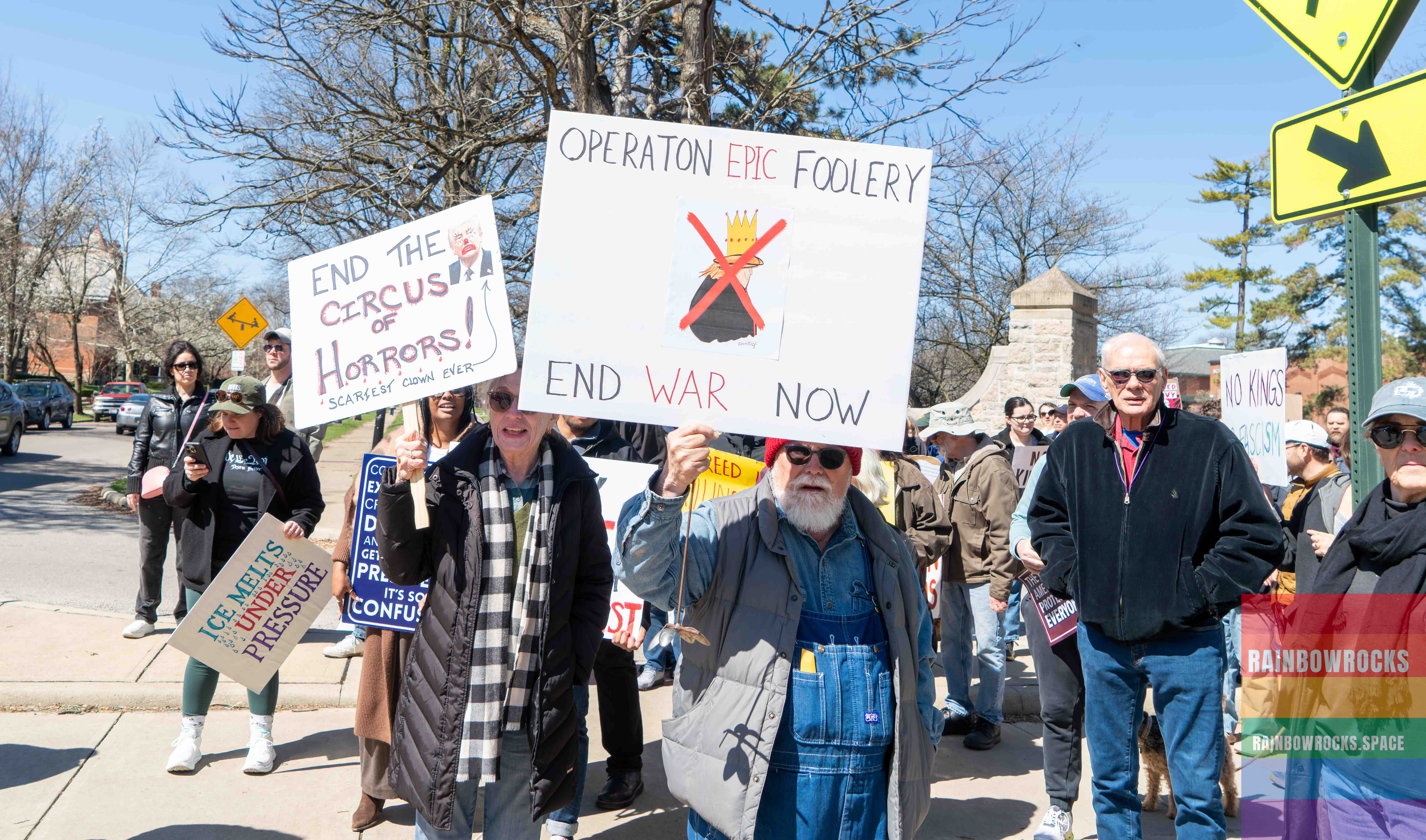
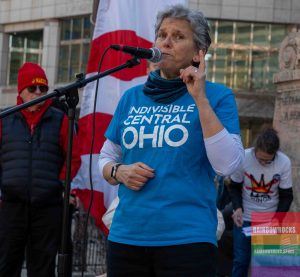
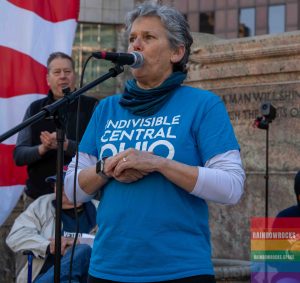
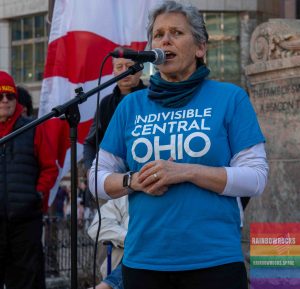
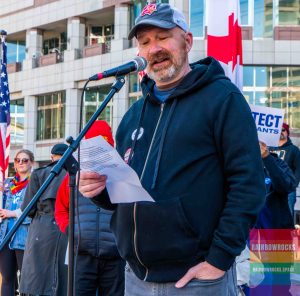
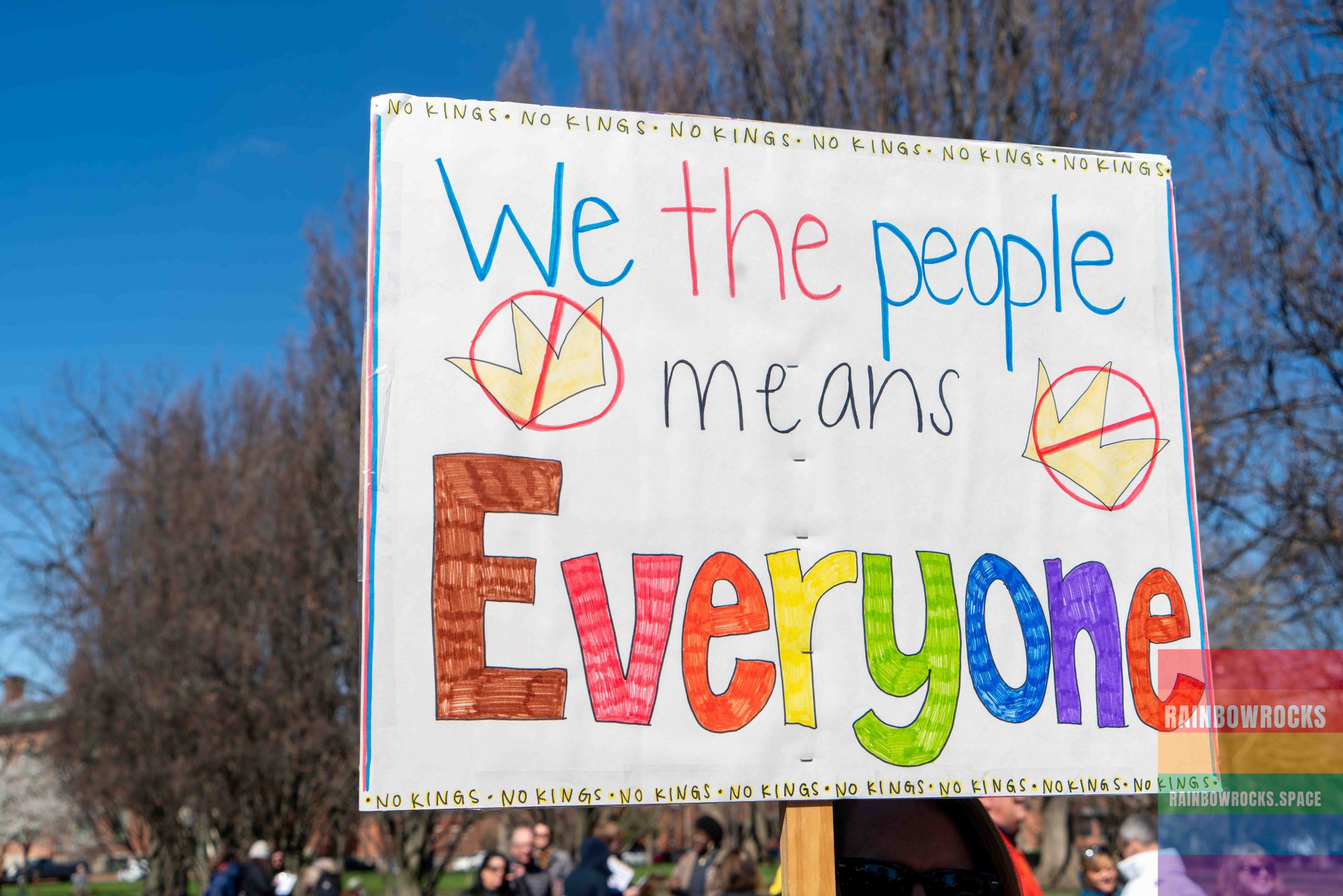
COLUMBUS, OH — The silence of the Ohio Statehouse was shattered by the collective voice of a city in open defiance. As part of the global “No Kings 3” day of action—which drew millions of participants worldwide—the capital’s grounds became a massive convergence point for a high-stakes rally that ultimately spilled over into an unprecedented occupation and march through the city’s major thoroughfares.
The Surge to the Statehouse
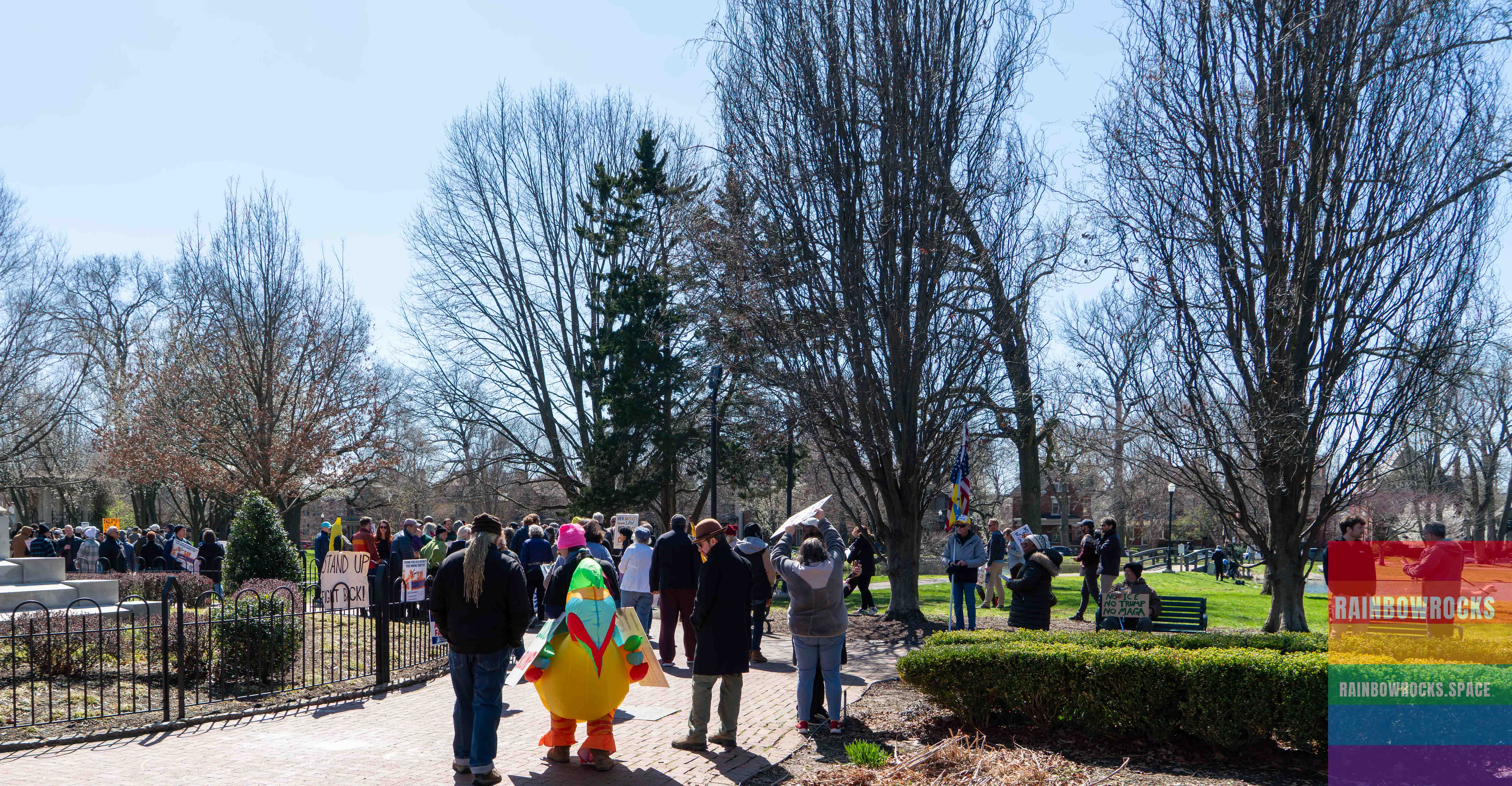
The day’s energy was ignited early Saturday afternoon as thousands gathered on the West Lawn of the Statehouse. This was not just a localized event; the crowd in Columbus was bolstered by organized groups traveling from across the state. Busloads of supporters from Cleveland, Cincinnati, Dayton, and Athens arrived throughout the early afternoon, turning the demonstration into a powerful statewide mandate against executive overreach.
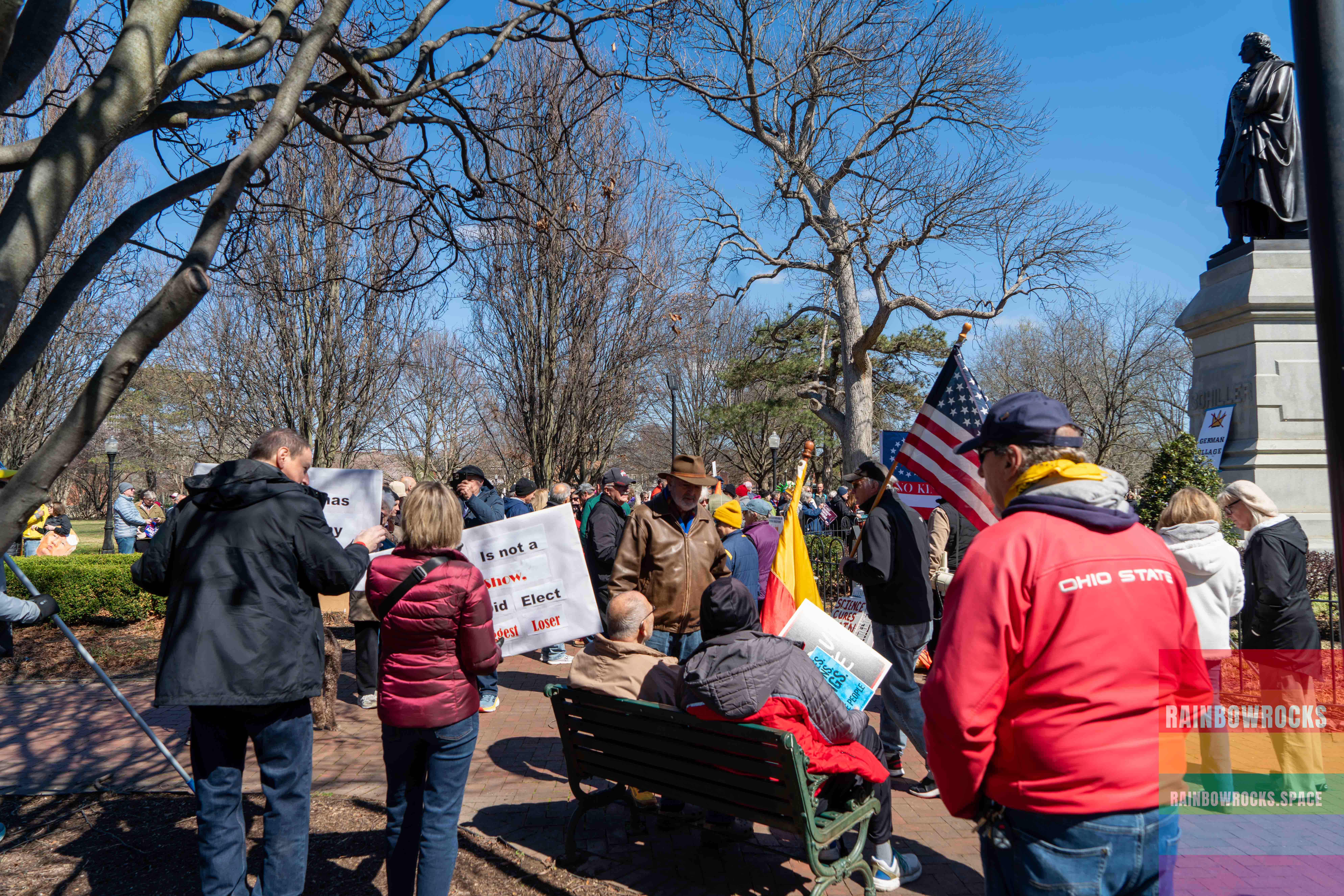
By mid-afternoon, these contingents merged with several thousand residents from German Village and various local cities who had moved toward the center to join the main body. The atmosphere was one of intense resolve as the various groups unified under a single banner of dissent.
“Rally Taking the Streets”: The Occupation
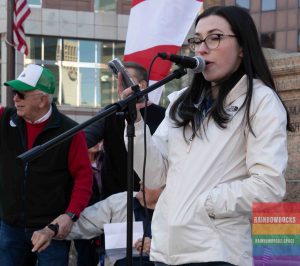
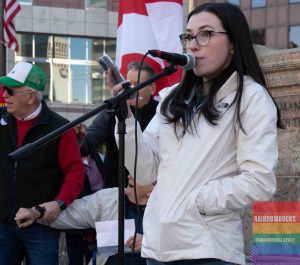
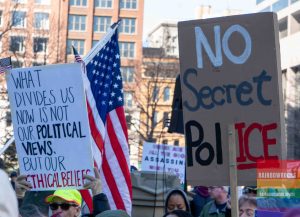
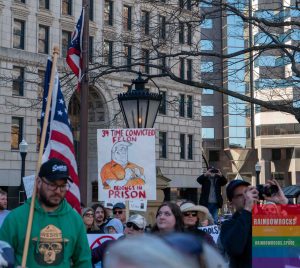
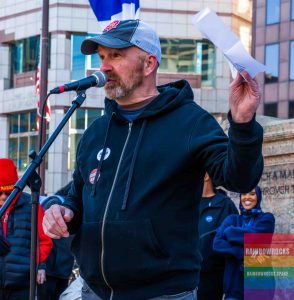
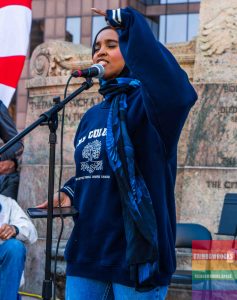
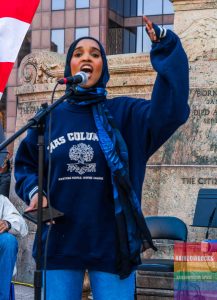
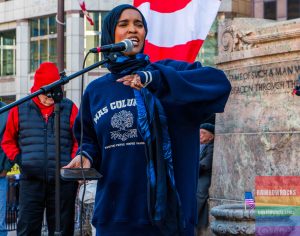
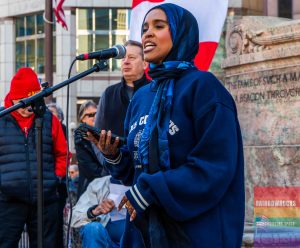
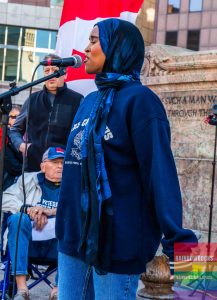
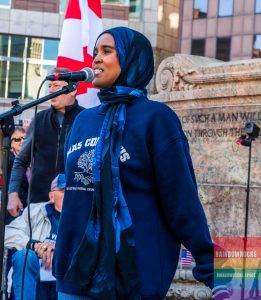
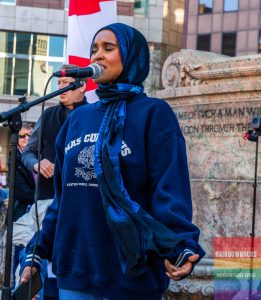
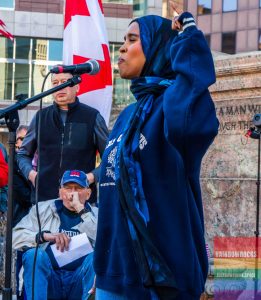
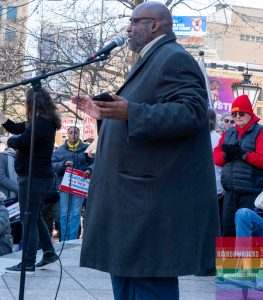
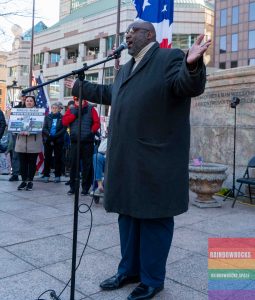
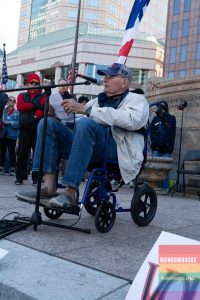
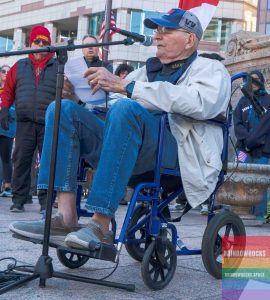
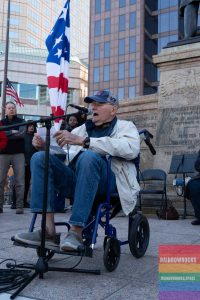
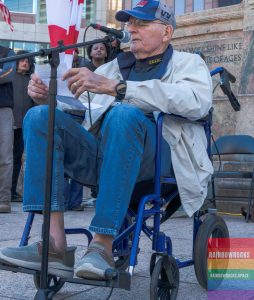
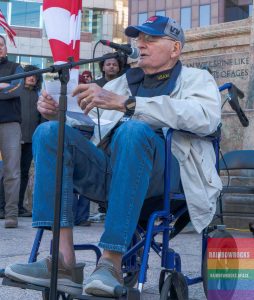
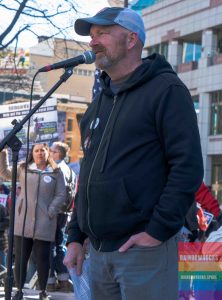
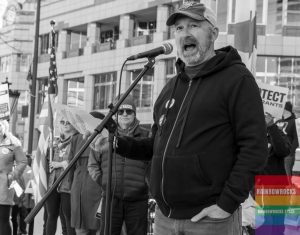
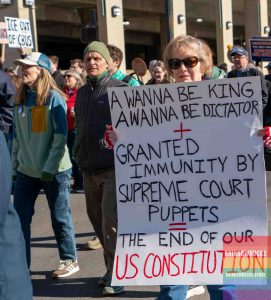
Following a series of powerful speeches on the Statehouse lawn, the energy shifted. Instead of a traditional march toward a distant location, the protesters moved as one from the grass into the pavement. The crowd effectively “took the streets,” marching directly into and occupying the massive intersections of Broad Street and High Street.
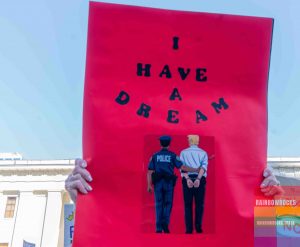
By holding these literal crossroads of the city, the thousands in attendance halted the machinery of Downtown Columbus, ensuring their message remained at the absolute center of Ohio’s government. Beyond the chanting and signs, the occupation functioned as a massive site of civic action:
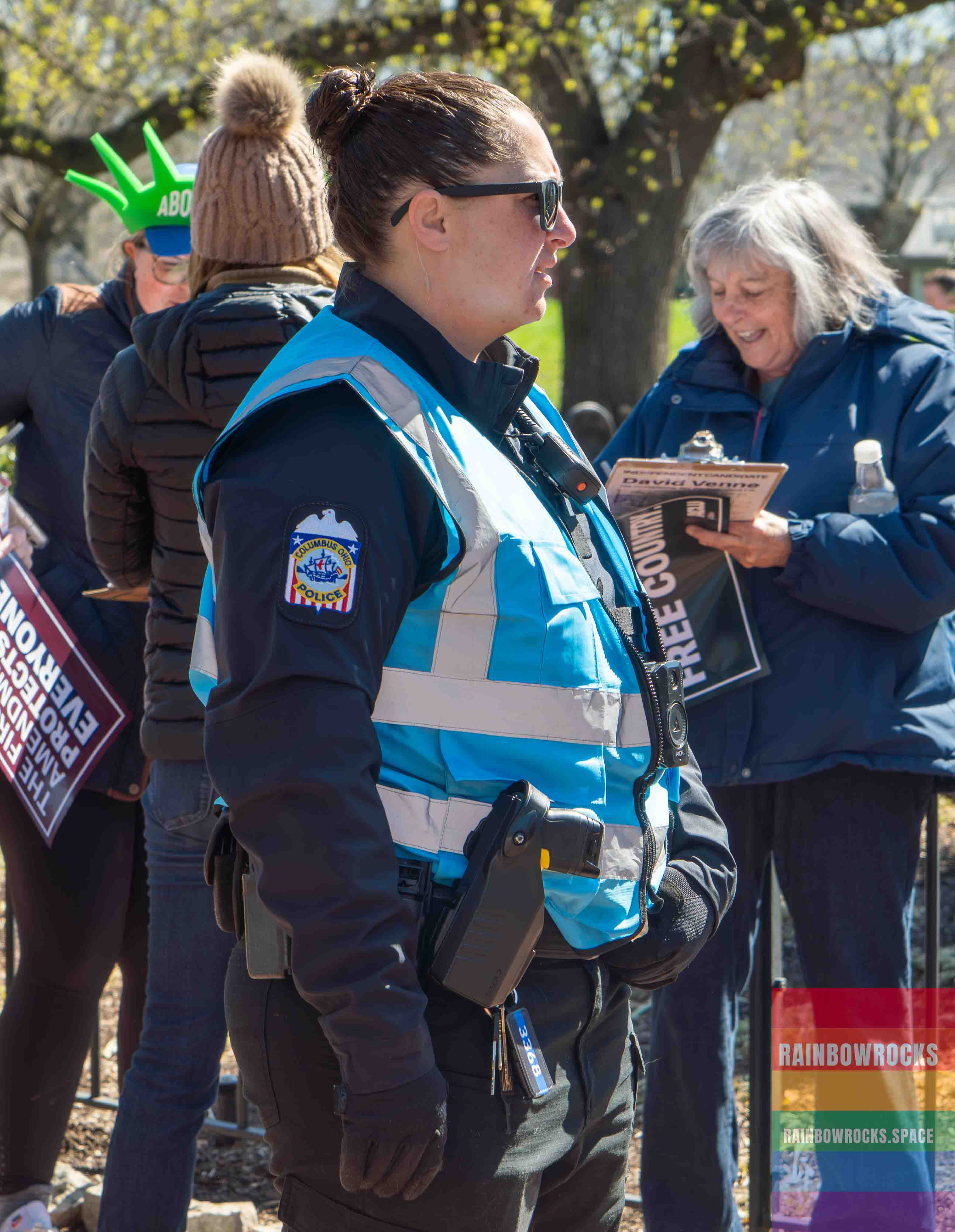
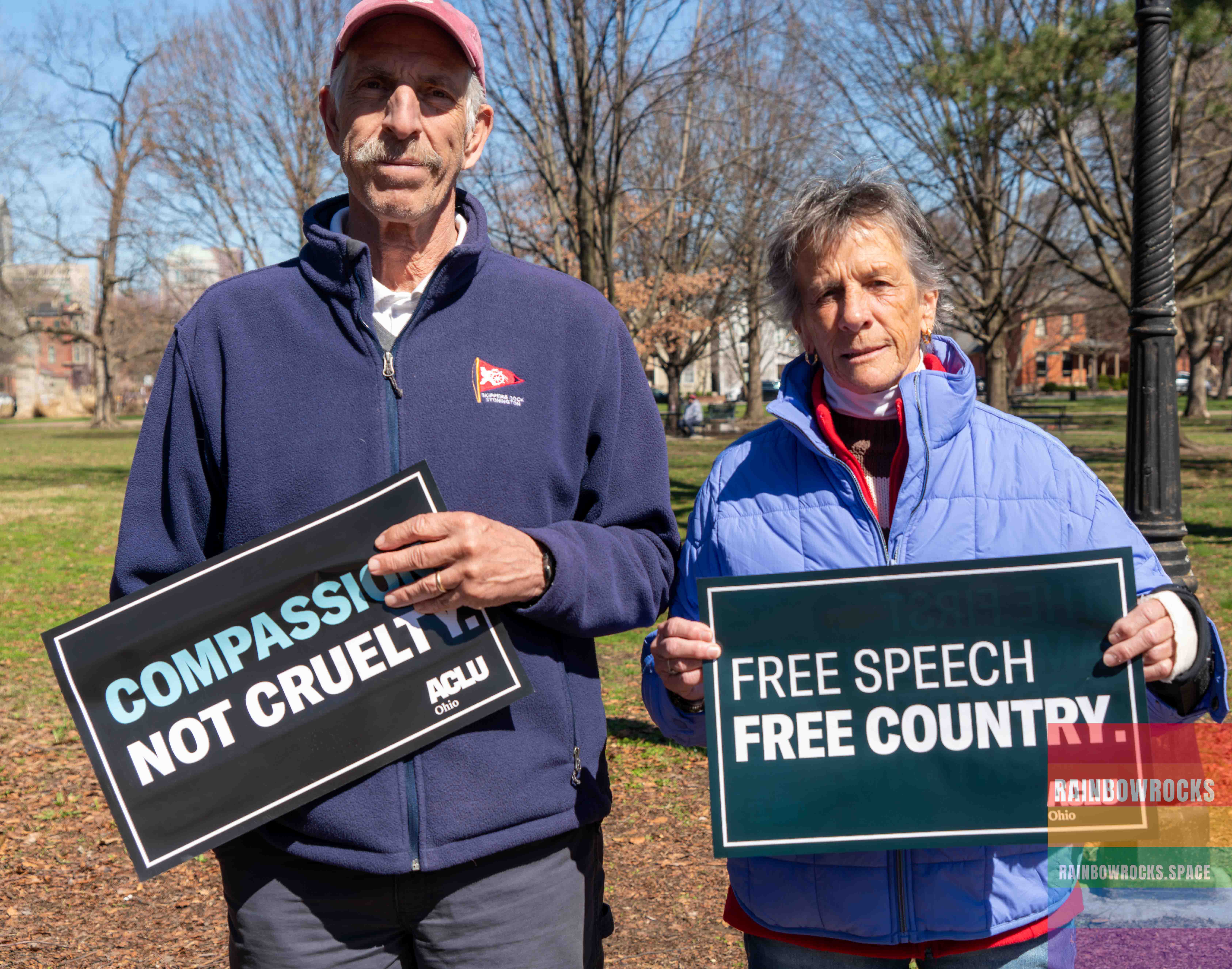
- Information & Resource Booths: Dozens of tents were erected across the Statehouse tiles and along the occupied sidewalks. Organizations like Common Cause Ohio, the ACLU, and the League of Women Voters operated hubs that provided legal resources, information on “Operation Metro Surge,” and guidance on navigating the domestic impacts of the 2026 Iran War.
- Voter Petitions: The rally served as a massive “work day” for democracy. Volunteers moved through the crowd with clipboards, collecting thousands of signatures for critical 2026 ballot initiatives. Primary among these was the Ohio Equality of Rights Under the Law Amendment, aimed at enshrining protections for sexual orientation and gender identity in the State Constitution, alongside petitions to repeal the state’s same-sex marriage ban.
- Mutual Aid: Booths also offered “know your rights” training for immigrant neighbors and distributed supplies to those staying for the long-term occupation of the city center.
From Occupation to Action: The March Through the Streets
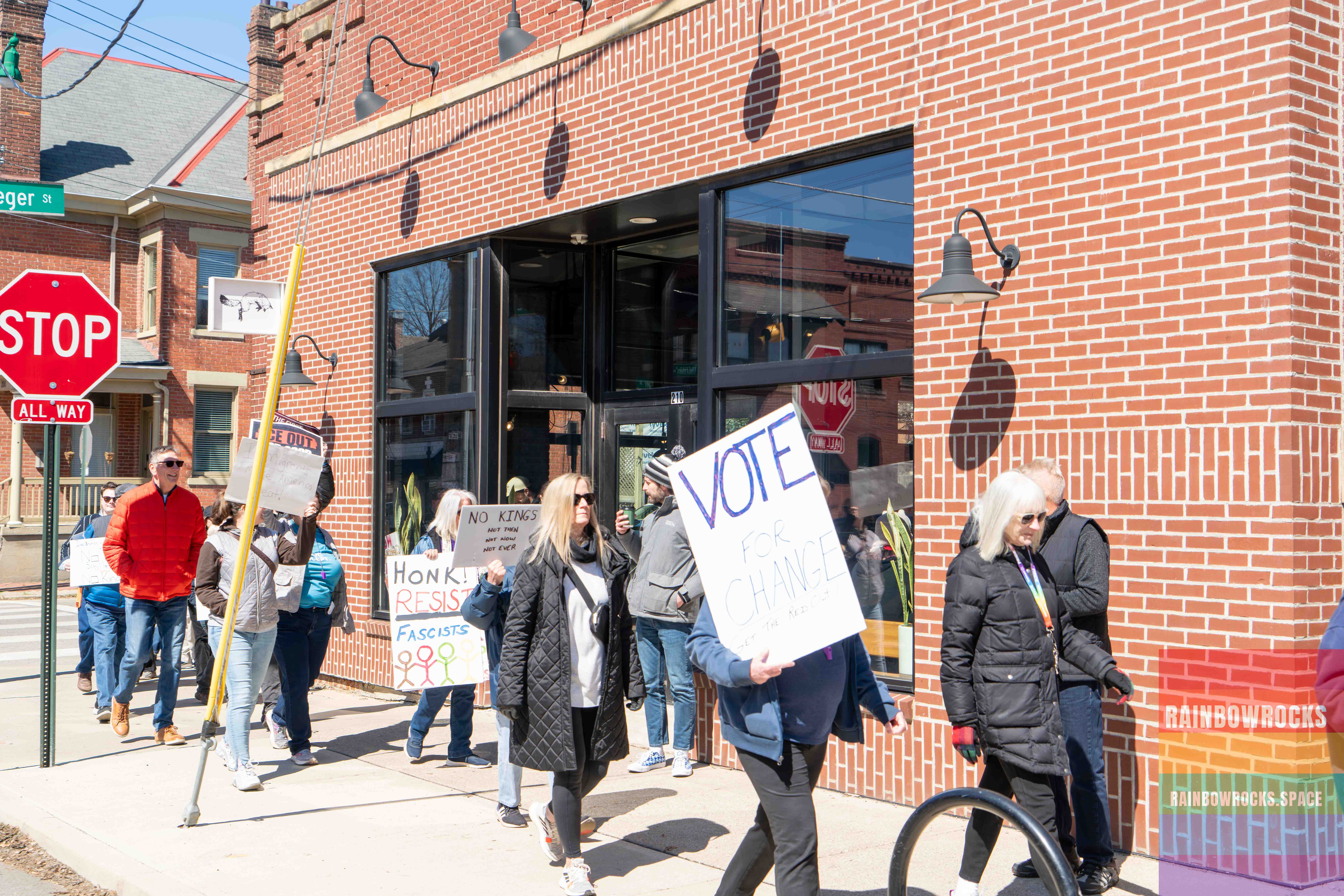
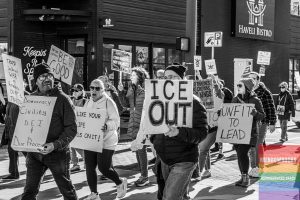
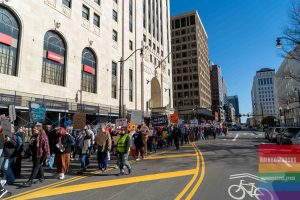
Once the crossroads were secured and the petitions were circulating, the energy transitioned from a static occupation into a powerful march through the streets. The several thousand participants, led by a coalition of trans youth and immigrant families, began a sweeping circuit through the heart of the city.
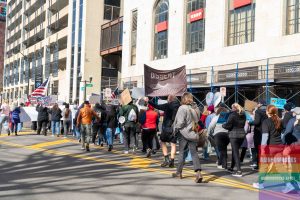
The marchers pushed forward down Broad Street toward Front Street by the river, their banners stretching across the wide boulevard with the Scioto Mile as a backdrop. From Front Street, the column moved to Spring Street, cutting across the downtown grid. The massive crowd then crossed High Street to 3rd Street, eventually winding back toward the State Capitol.
The sound of thousands of footsteps on the pavement replaced the usual Saturday traffic, as marchers carried the momentum from the Statehouse booths directly into the public eye. This wasn’t just a walk; it was a mobile demonstration of the “work day” results—with banners displaying the number of signatures collected and flags representing the diverse local cities that had joined the Columbus front.
Beyond Columbus: A Nationwide Defiance
The scenes in Columbus were part of a greater, coordinated effort across more than 3,300 locations worldwide. The defiance in Ohio was mirrored by major actions in other cities:
- St. Paul, Minnesota: Tens of thousands gathered for a flagship rally featuring a performance by Bruce Springsteen, dedicated to those impacted by recent federal operations.
- New York City: Massive crowds led by figures like Robert De Niro converged in Times Square, shutting down Manhattan traffic for hours.
- Atlanta, Georgia: Over 10,000 protesters marched to the Georgia State Capitol to voice their opposition to the current administration’s policies.
A City Reclaimed
The climax of the day in Columbus saw the Statehouse completely surrounded by a human chain as the marchers returned to the capital. By rallying, occupying the center, and then marching the streets alongside thousands of fellow Ohioans from German Village and surrounding cities, the participants sent an unmistakable message to the marble halls of power: There are no kings in a democracy, and the rights of the few cannot be sacrificed for the power of the one.
The Statehouse Occupied
The climax of the day saw the Ohio Statehouse surrounded by a crowd so large that Third Street and Broad Street were completely impassable. This wasn’t just a rally; it was a reclaiming of public space.
Unlike previous protests, the March 28th event was described by participants as a “united front.” The silos of activism were broken down as labor unions, immigrant rights groups, and queer activists stood together under the “No Kings” banner. The message delivered to the marble halls of power was unmistakable: There are no kings in a democracy, and the rights of the few cannot be sacrificed for the power of the one.
Looking Ahead
As the sun set over the Columbus skyline, the state capital remained draped in flags and signs—remnants of a day that redefined local activism. While the “No Kings” movement is national, the spirit of the March 28th rally was uniquely Columbus: a blend of historic preservation and progressive fire, fueled by the belief that every neighbor—regardless of where they were born or how they identify—deserves to live without fear.