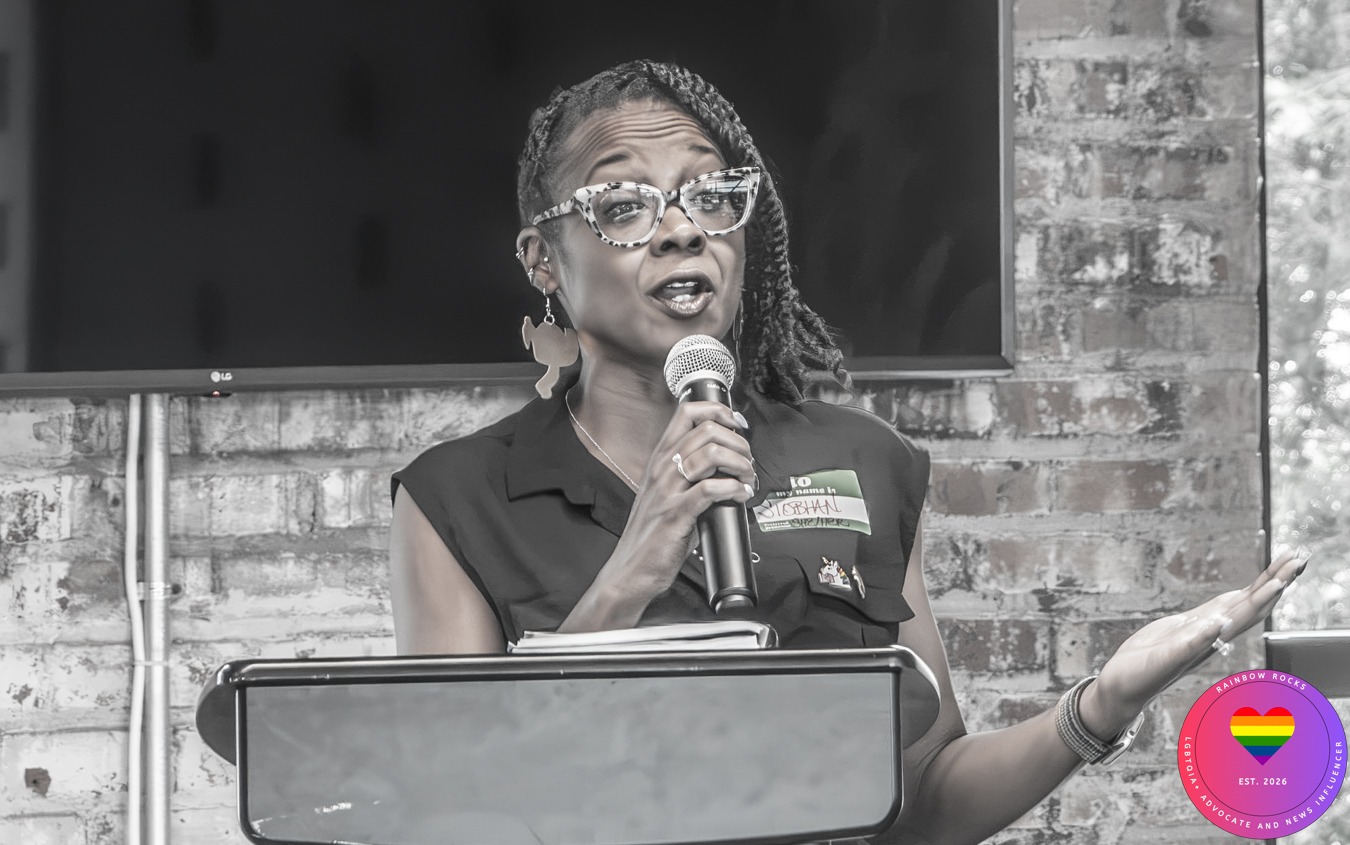
LGBTQ+ Meet the Candidates Night – Statewide Candidates At Stonewall Columbus, Columbus, Ohio, September 1st, 2026
- Rainbow_Rocks
- September 2, 2026
- Colab, Creative Work, Editorial Features, Politics
- #ColumbusOhio, #IndependentJournalism, #RainbowRocks, Allison Russo, BBI Accounting, Bill Redpath, Brennon Barrington, Dr Anita Somanti, Equality Ohio, James Mills, Judge Marilyn Zayas, Kelly Hunter, LGBTQIA+, Samuel Ronan, Seth Walsh, Stacie Baker, Stonewall Columbus
- 0 Comments
Written and Photographed by LGBTQIA+ Independent News Reporter — Kyle Williams — Rainbow Rocks — RainbowRocks.space — September 1st, 2026
Overview of the Event
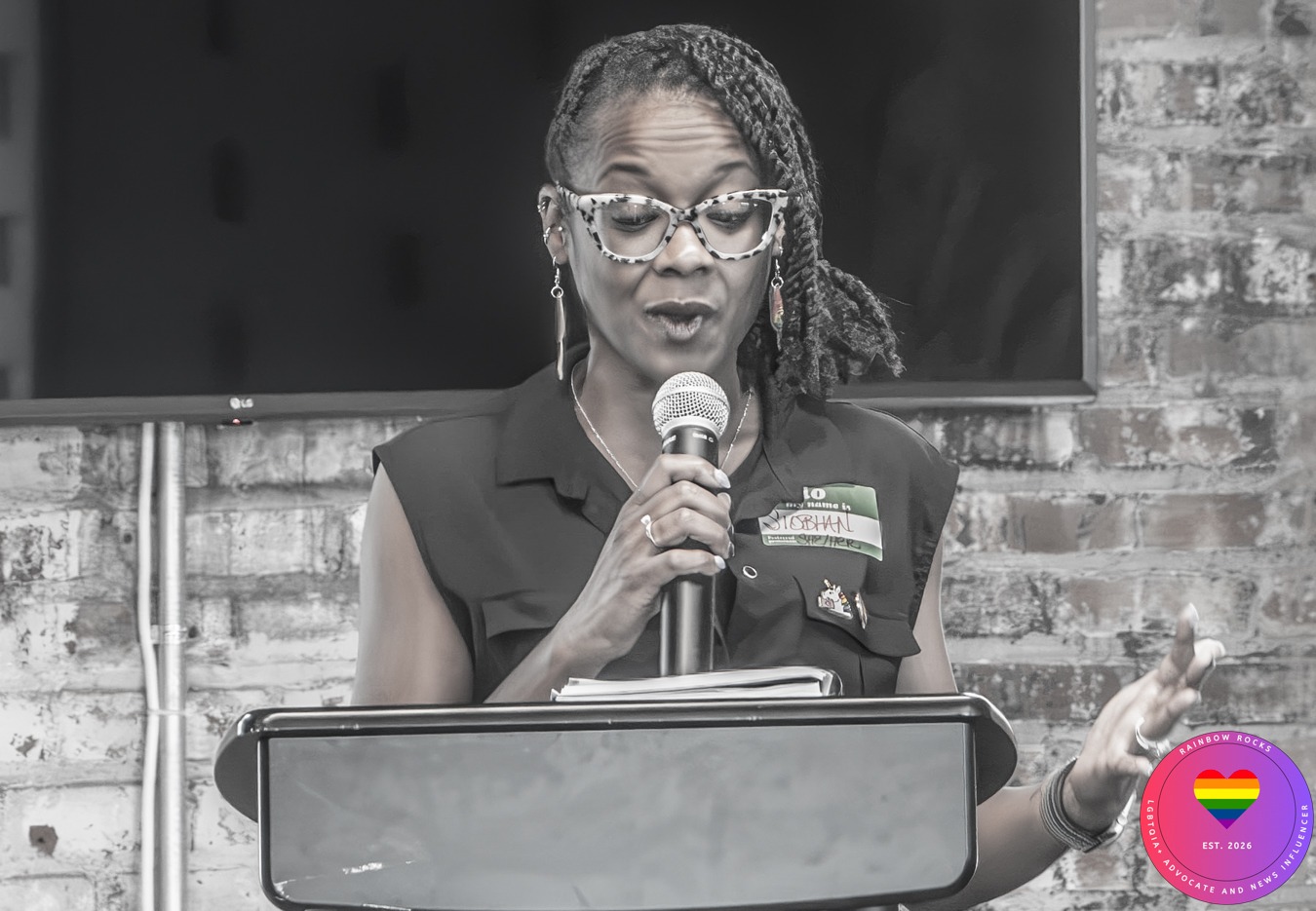
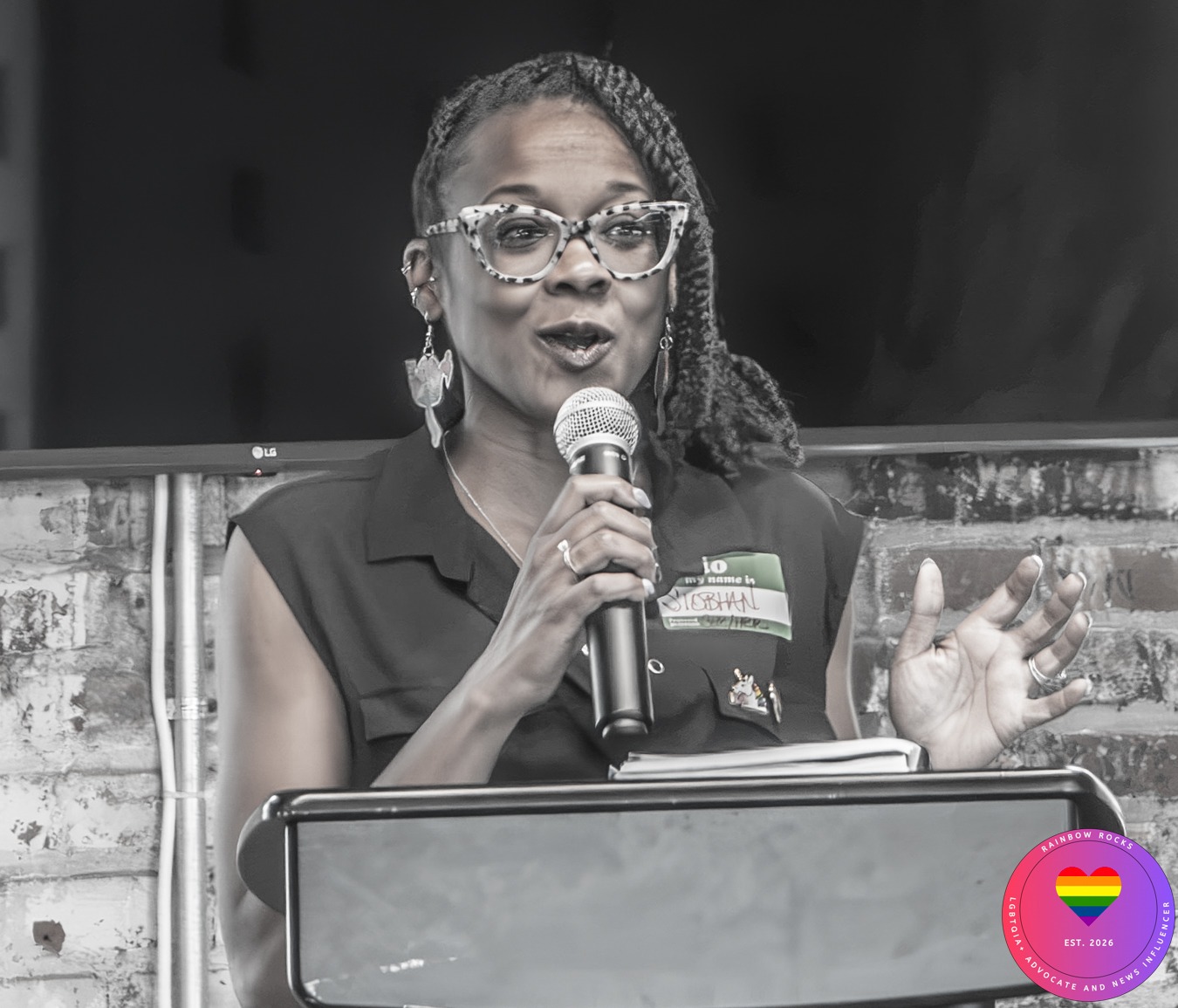
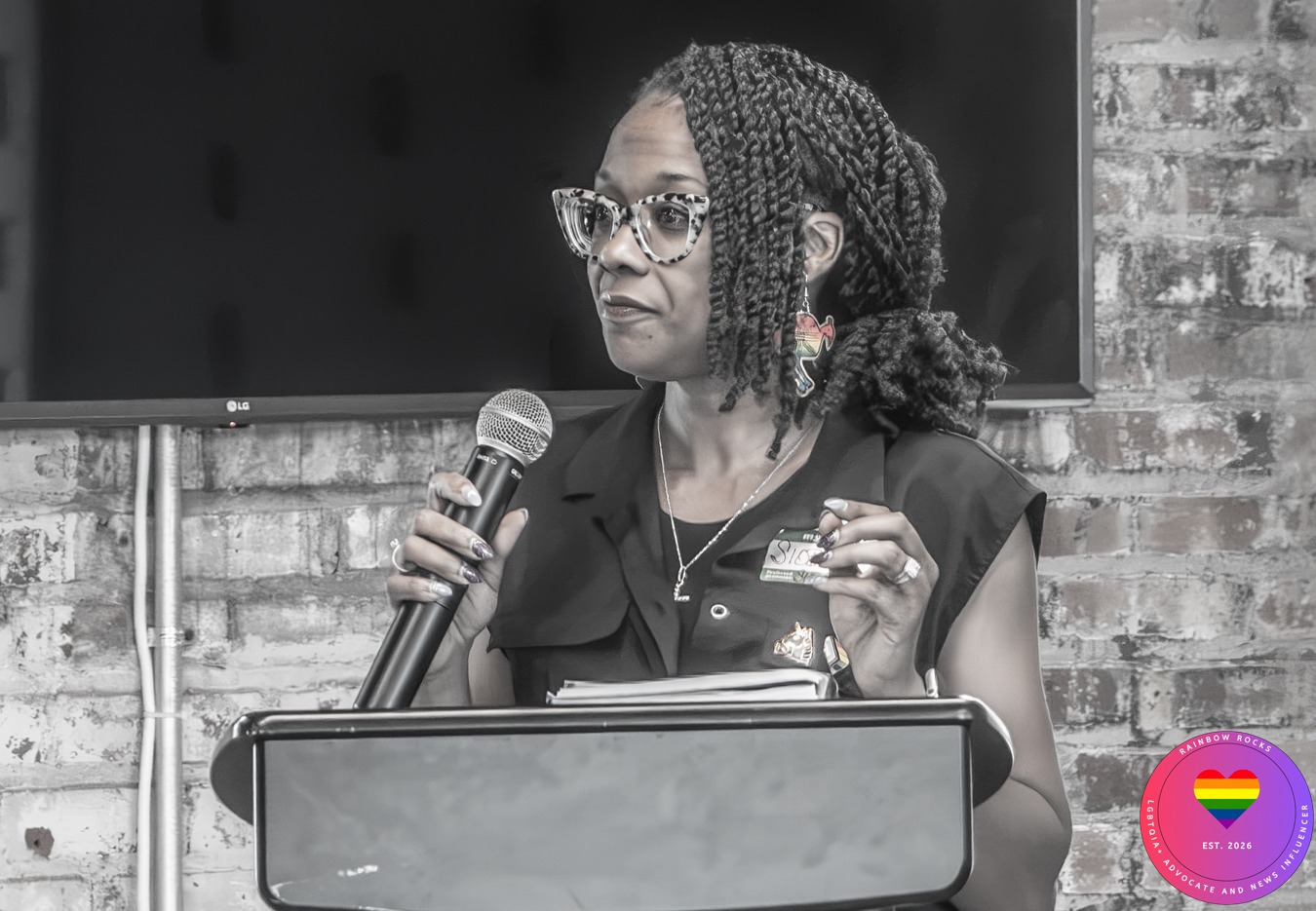
The LGBTQ+ Meet the Candidates Night for statewide candidates took place on Tuesday, September 1, running from 5:00 PM to 8:00 PM at Stonewall Columbus, located at 1160 N High St, Columbus, OH 43201. The non-partisan forum was organized in partnership with Get the Vote Out, Equality Ohio, the League of Women Voters, and Stonewall Columbus. It was designed to allow community members to hear directly from candidates about how they plan to support the LGBTQ+ community and advance pro-equality issues in Ohio. The evening was skillfully moderated by Siobhan R. Boyd-Nelson, JD, keeping discussions on schedule and engaging for all attendees. Underwritten by BBI Accounting, the forum provided a vital platform for candidates across various state races to answer questions, discuss their positions, and share their legislative priorities.
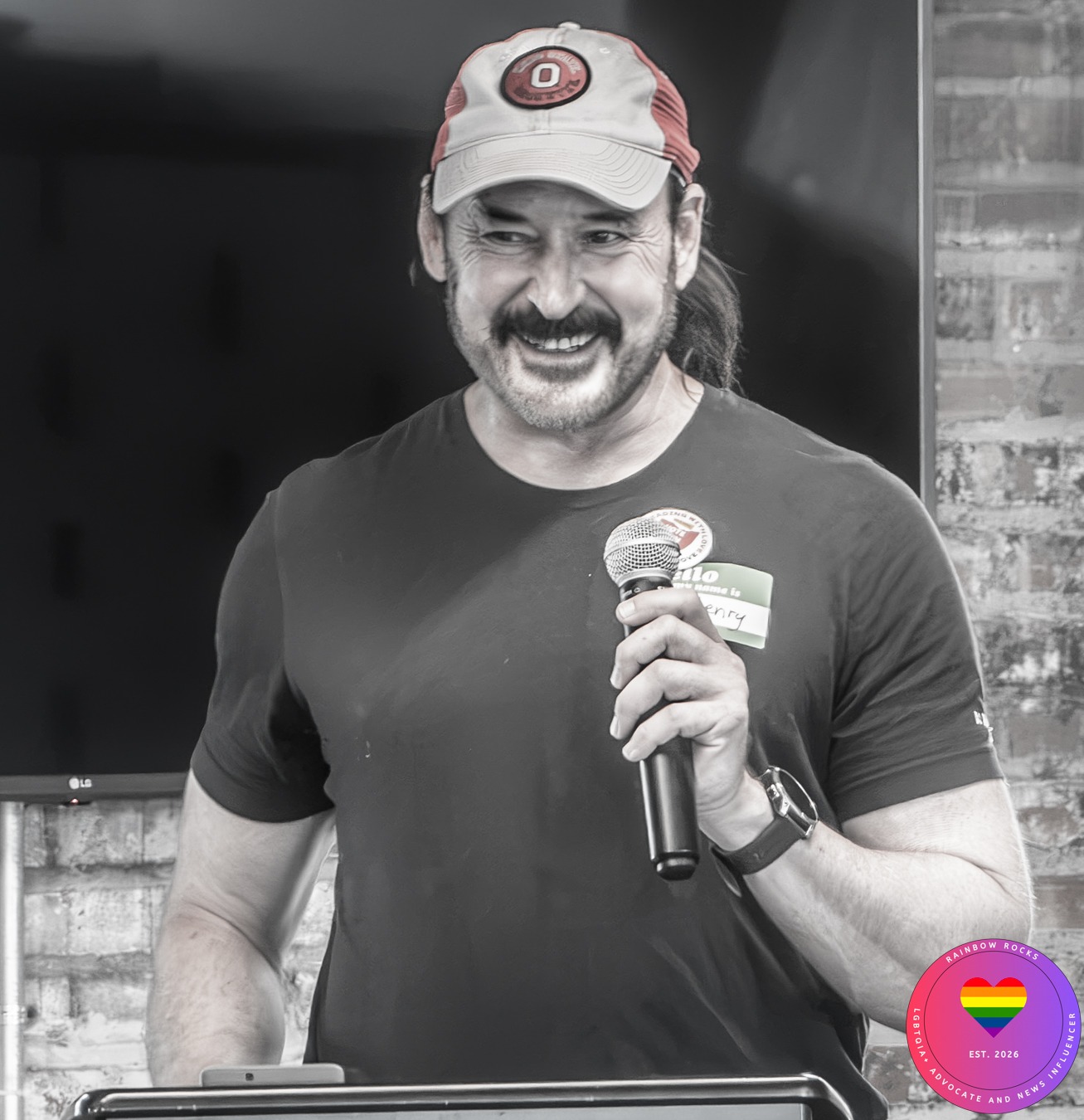

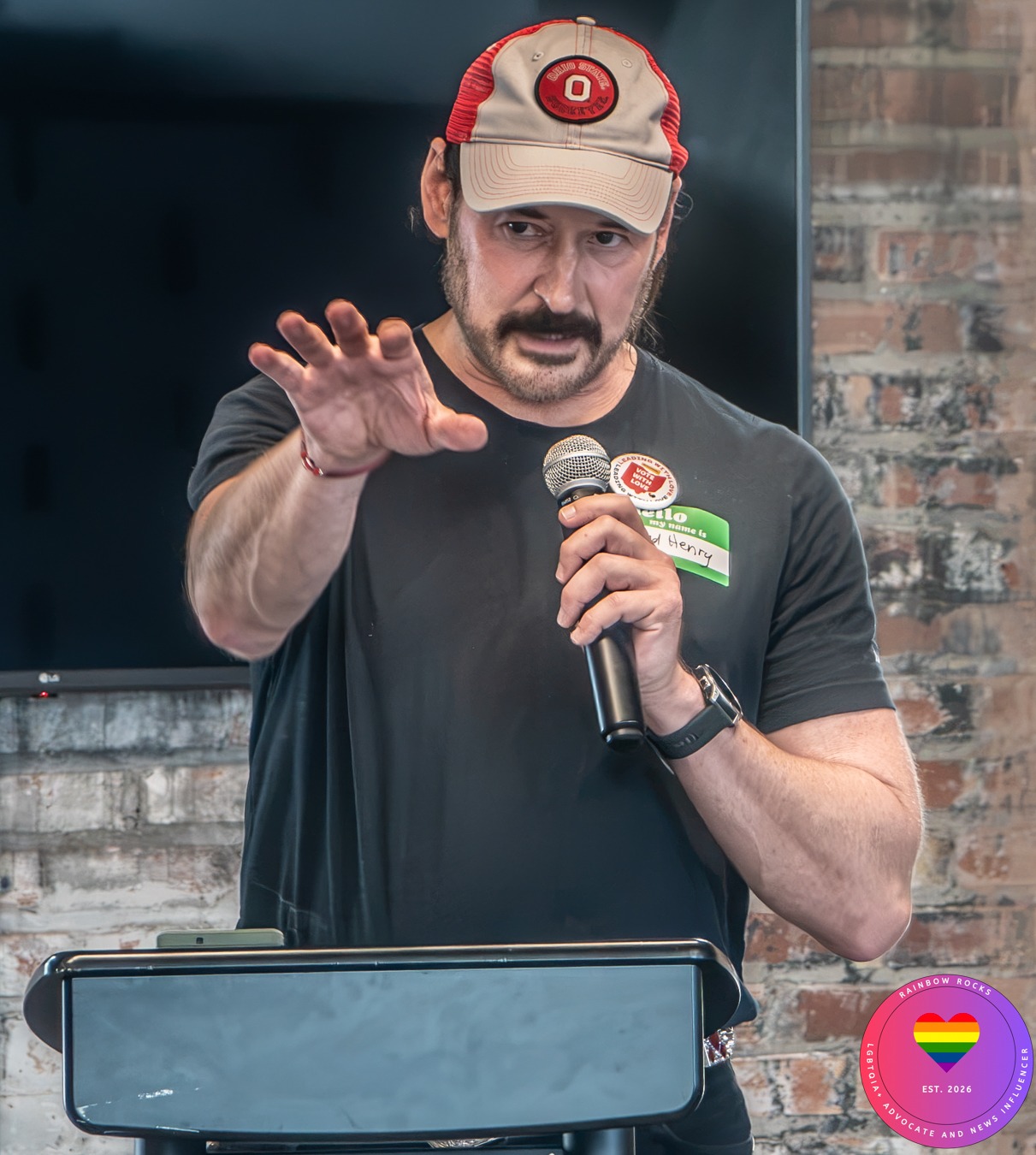
Judge Marilyn Zayas (Candidate for Ohio Supreme Court)
Judge Marilyn Zayas used her opening statement at the candidate forum hosted at Stonewall Columbus to emphasize her extensive judicial experience. Having served as an appellate judge with thousands of resolved cases, she positioned herself as a stabilizing force for the state’s legal system. She stressed that courts must act as independent defenders of civil rights rather than political instruments. Her remarks directly addressed public concerns regarding the protection of constitutional liberties and the need for judicial integrity.
Expanding on her platform, Zayas discussed the alarming trend of courts abruptly overturning established legal precedents. She argued that these sudden shifts create instability for lower courts, businesses, and everyday citizens seeking predictable protections under the law. By highlighting her background as a political outsider, she reassured attendees that her decisions are driven entirely by facts, statutory interpretation, and the state constitution. She reiterated that an independent judiciary is the ultimate safeguard for minority rights and equal protection.
During the question-and-answer session, Zayas fielded pointed inquiries from community members regarding how the high court handles high-profile equality and civil rights cases. She emphasized that judges must remain impartial arbiters who evaluate the merits of every case without succumbing to external political influence. Her responses focused on maintaining an open door to justice and ensuring that marginalized communities feel protected by the state’s highest legal institution. She underscored her dedication to upholding the rule of law fairly and equitably for all Ohioans.
In her concluding remarks, Zayas tied her judicial philosophy back to the core values of community trust and accountability. She urged voters to look closely at the backgrounds of judicial candidates to ensure that those wearing the robe possess a demonstrated commitment to fairness. By anchoring her campaign in transparency and constitutional fidelity, she left the audience with a clear vision of an impartial court system. Her comprehensive presentation reinforced her dedication to serving as a reliable check on executive and legislative overreach.
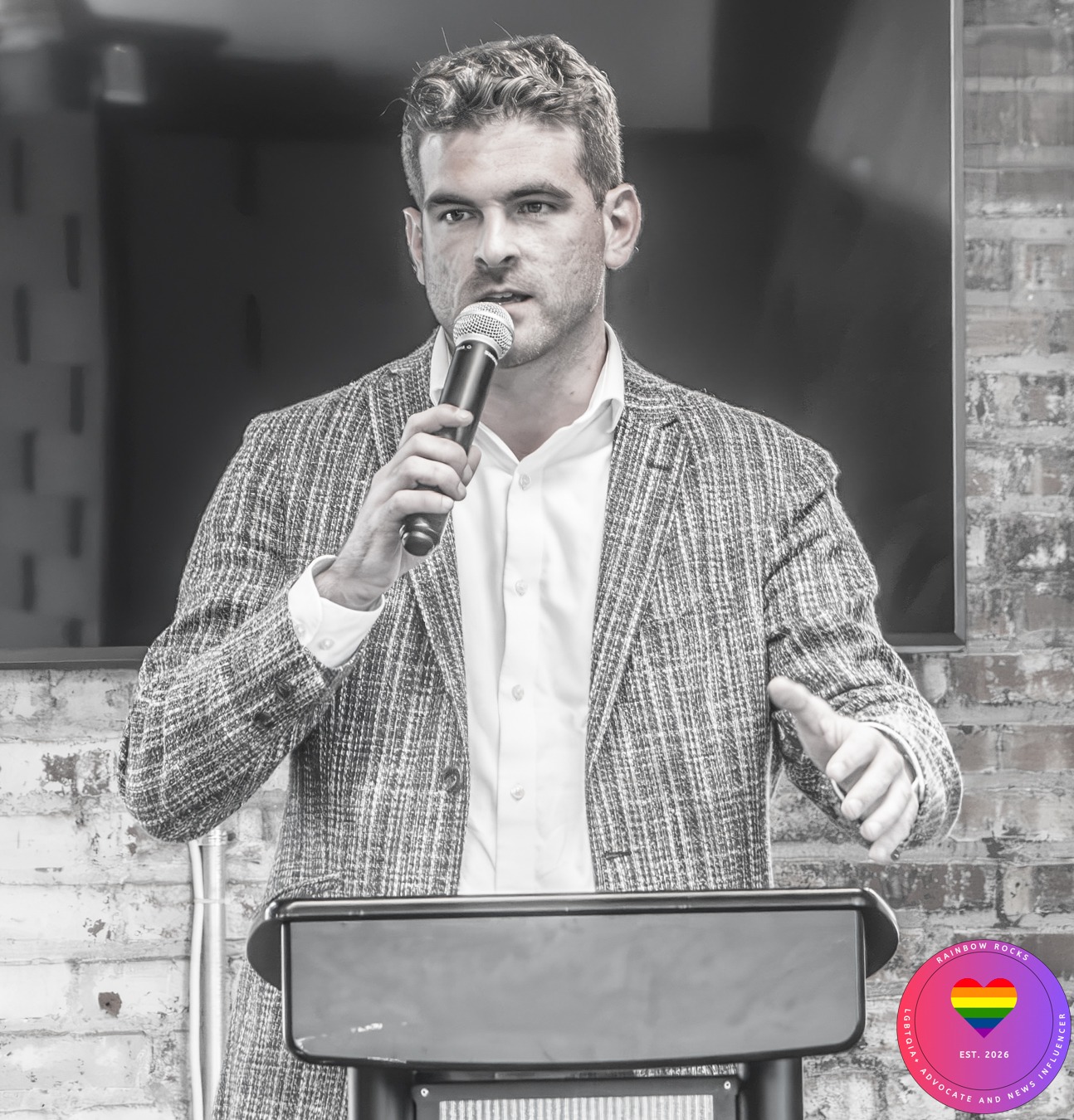
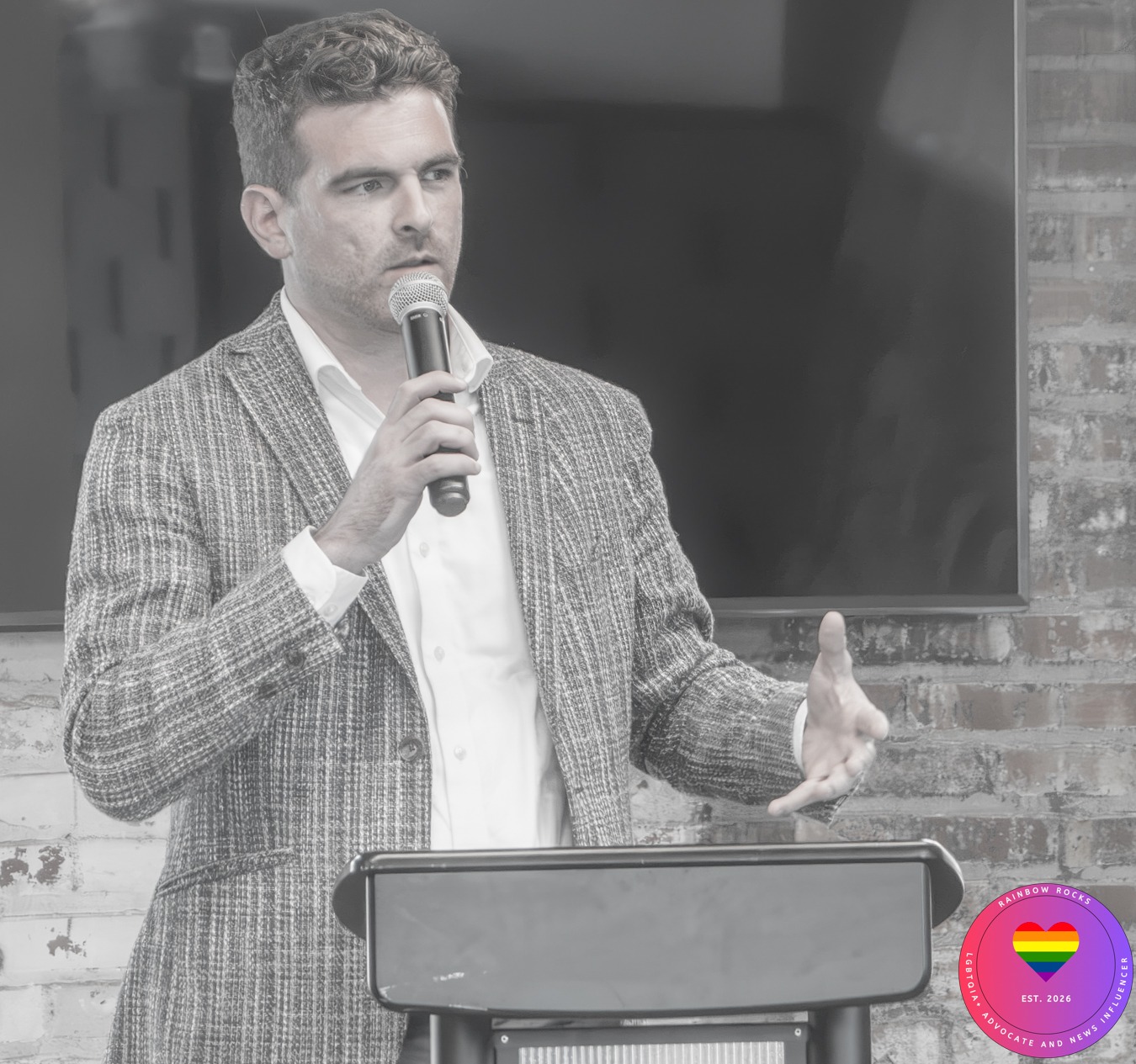

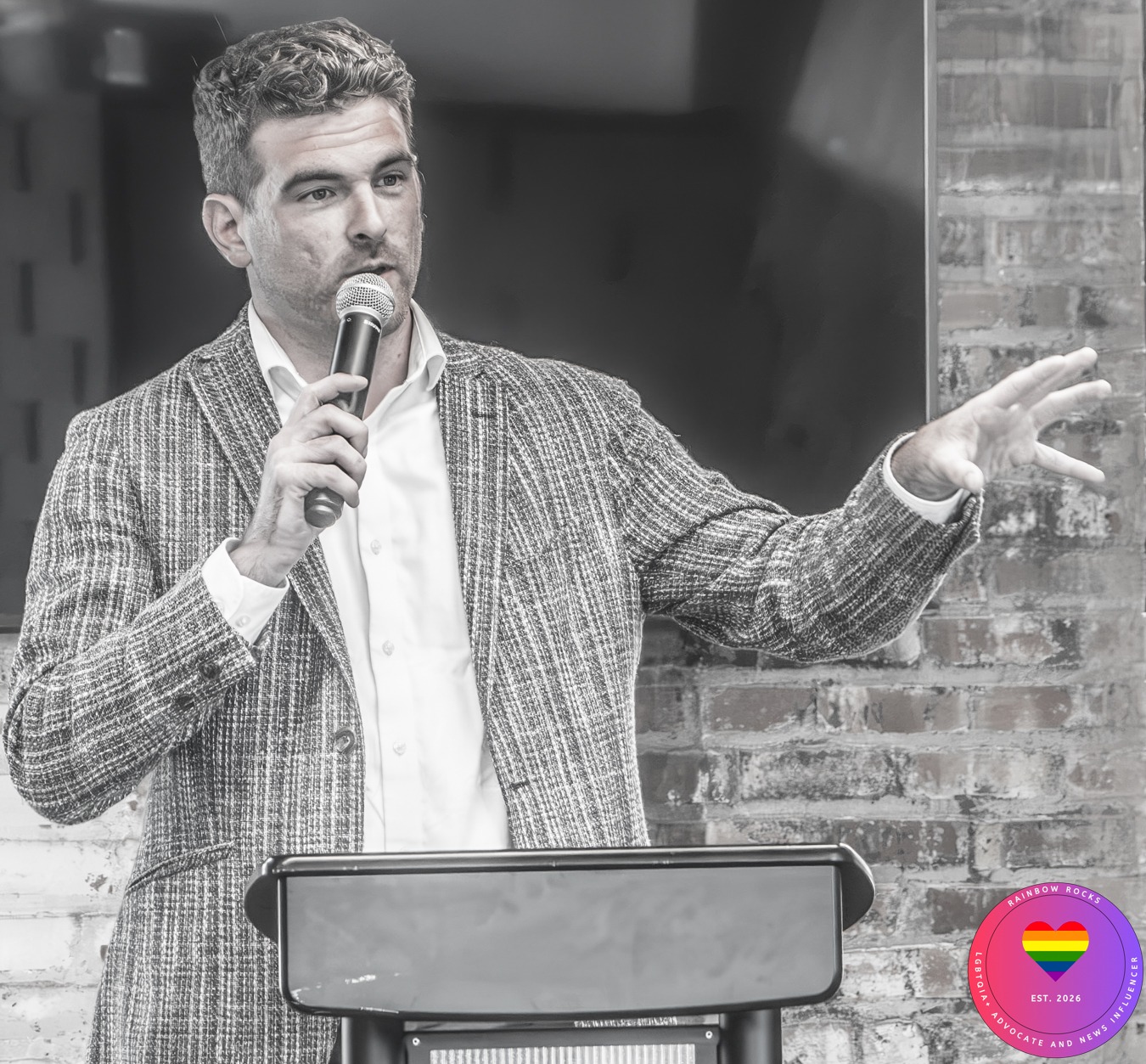
Seth Walsh (Candidate for State Treasurer)
Seth Walsh opened his address by outlining the vast financial responsibilities managed by the State Treasurer’s office. Overseeing billions of dollars in public assets and critical pension funds for public employees, teachers, and first responders requires meticulous oversight. Walsh explained that the office wields immense economic leverage that should be used to uplift local communities. He contrasted his vision with past administrative practices, arguing that state funds must be reinvested locally rather than funneled into corporate subsidies or speculative ventures.
Continuing his economic presentation, Walsh detailed his strategies for partnering with regional financial institutions. He explained how community-focused banking partnerships can stimulate small business growth and support working-class families across Ohio. By directing state deposits into localized economic development, the treasury can actively foster financial resilience. His plan centered on ensuring that public wealth serves the public good, creating stable economic foundations for neighborhoods that have historically lacked corporate investment.
During the interactive Q&A portion of the evening, Walsh answered audience questions regarding corporate accountability and the protection of state assets. He pledged to utilize the treasurer’s platform to advocate for transparent financial stewardship and defend public funds from harmful deployment. When questioned about pension security, he reaffirmed his commitment to safeguarding retirement accounts for public workers against legislative tampering. He emphasized that financial transparency and proactive defense of public investments are non-negotiable priorities for his administration.
Walsh wrapped up his segment by connecting fiscal health directly to social equity and community stability. He noted that economic justice is deeply intertwined with civil rights, as financial security allows families and community organizations to thrive. By framing treasury management through the lens of public service and community empowerment, he presented a holistic approach to state finance. He encouraged attendees to stay engaged with the financial decisions made at the state level that directly impact their daily lives.
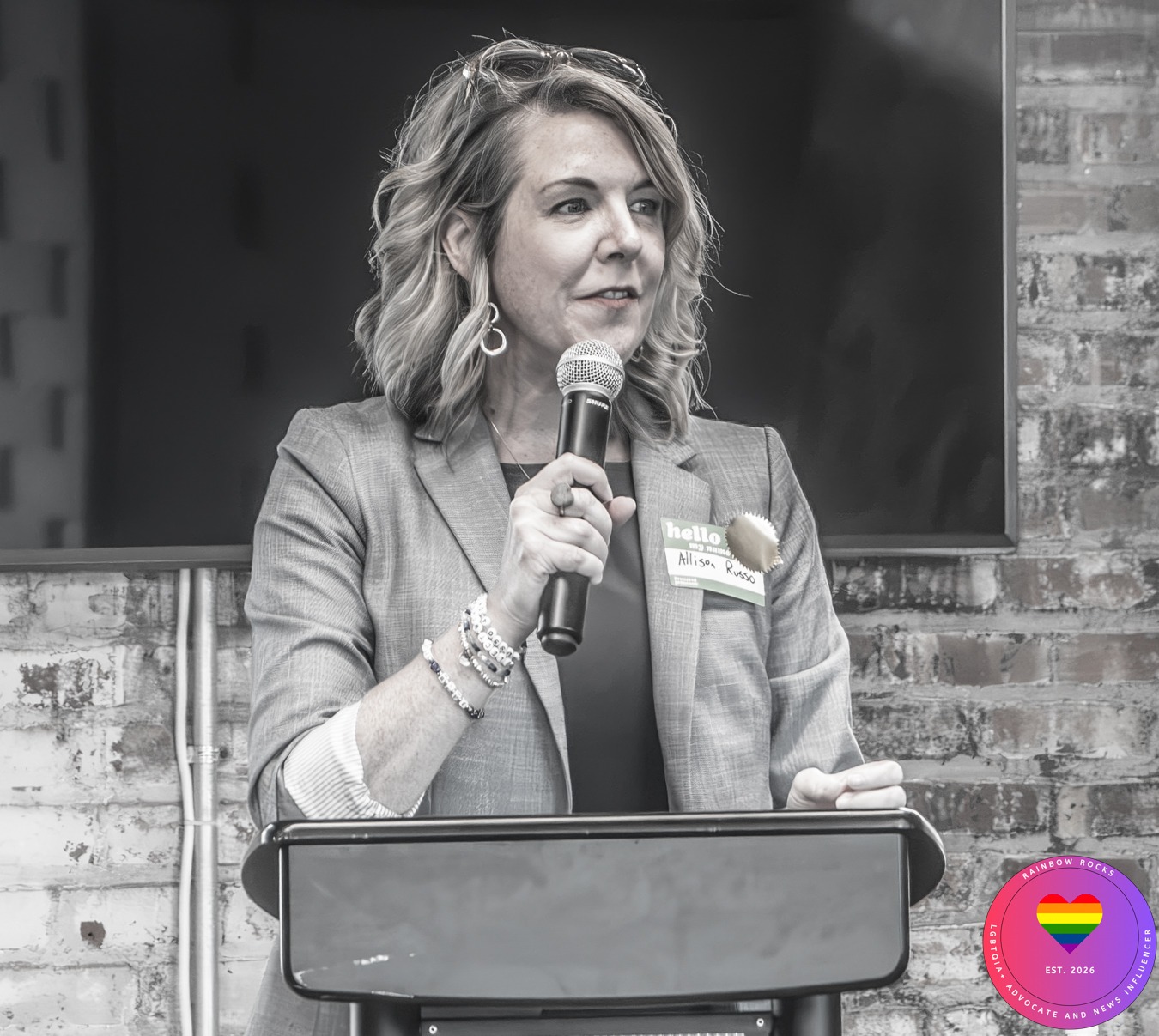
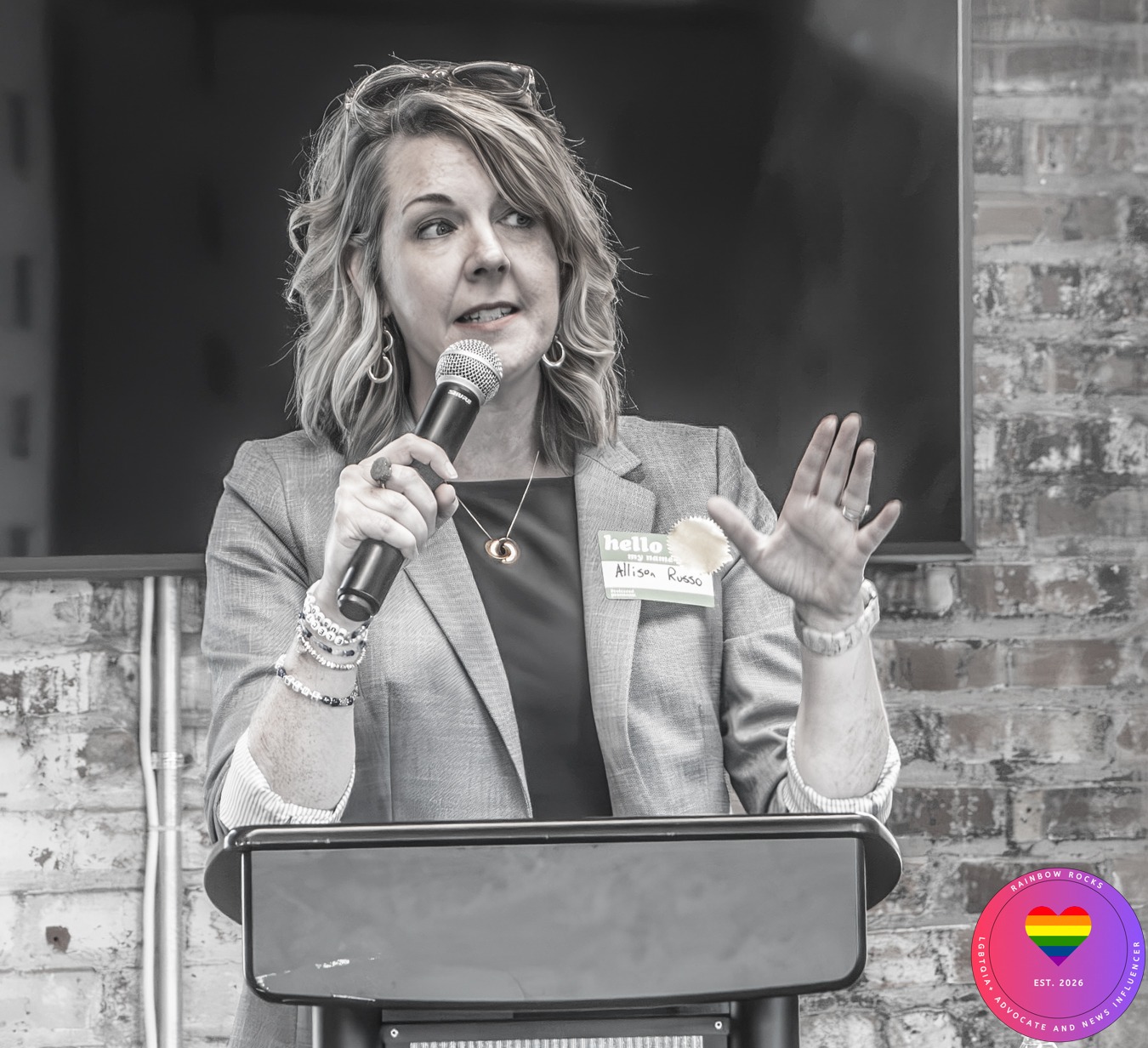
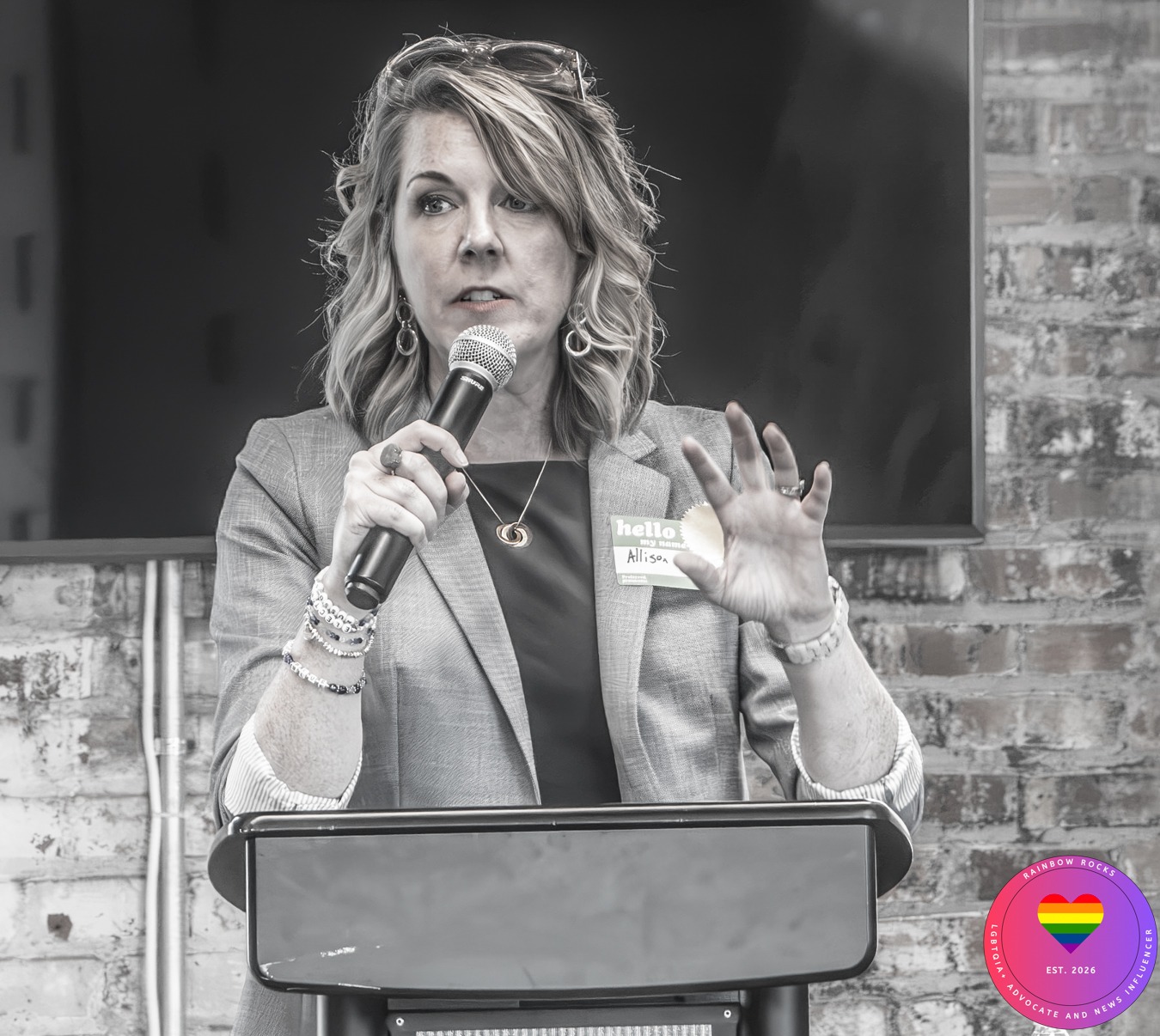
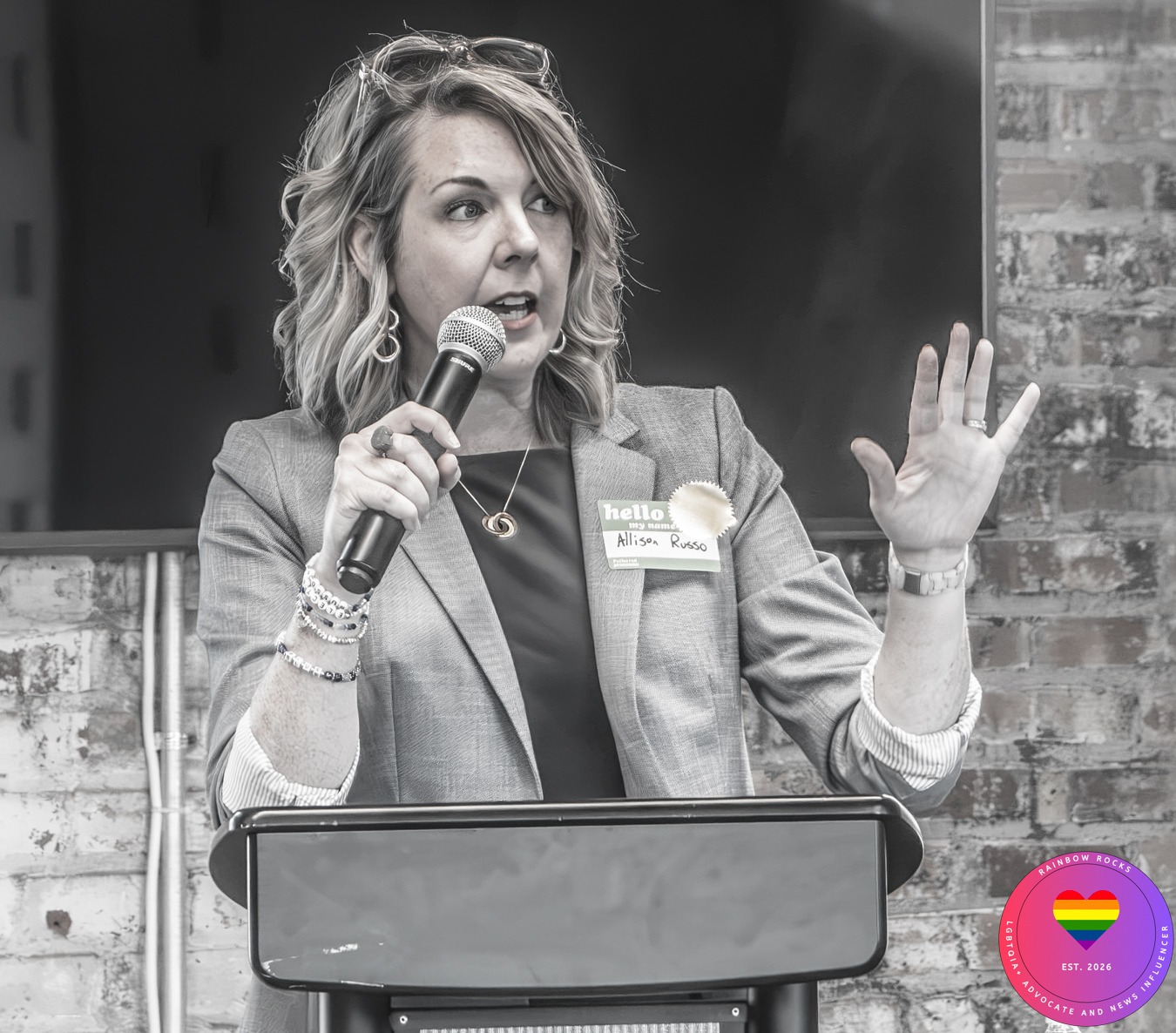
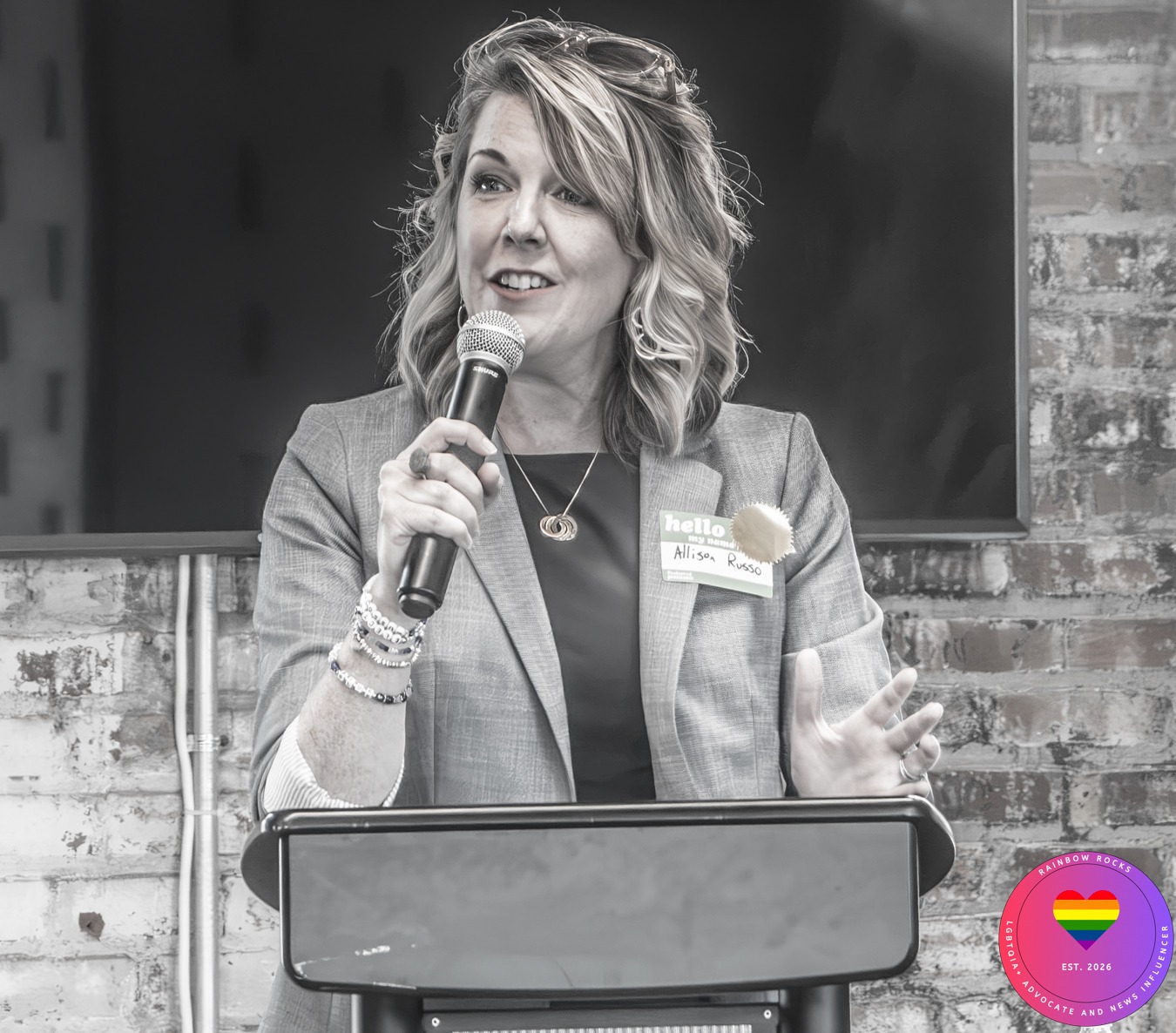
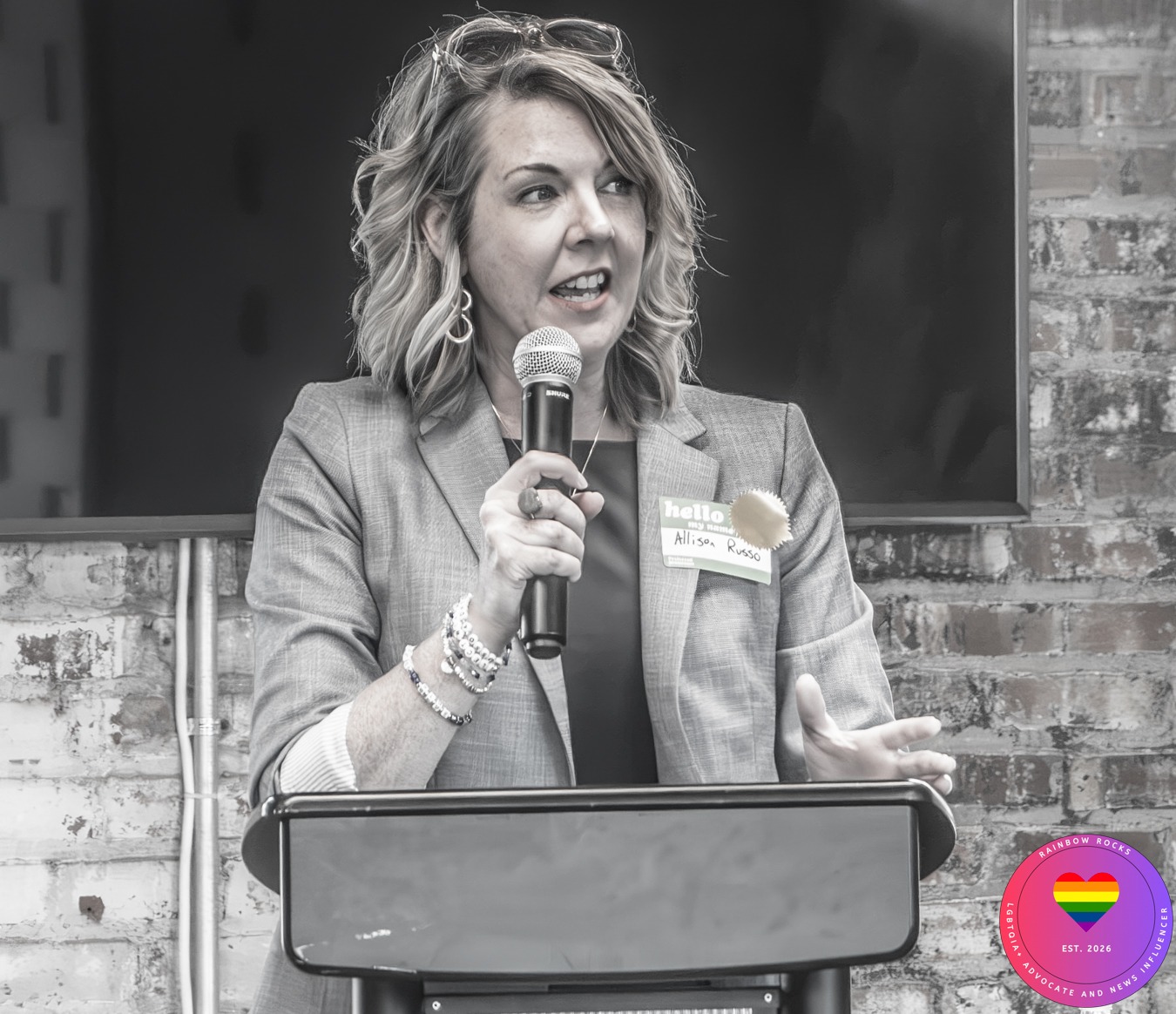
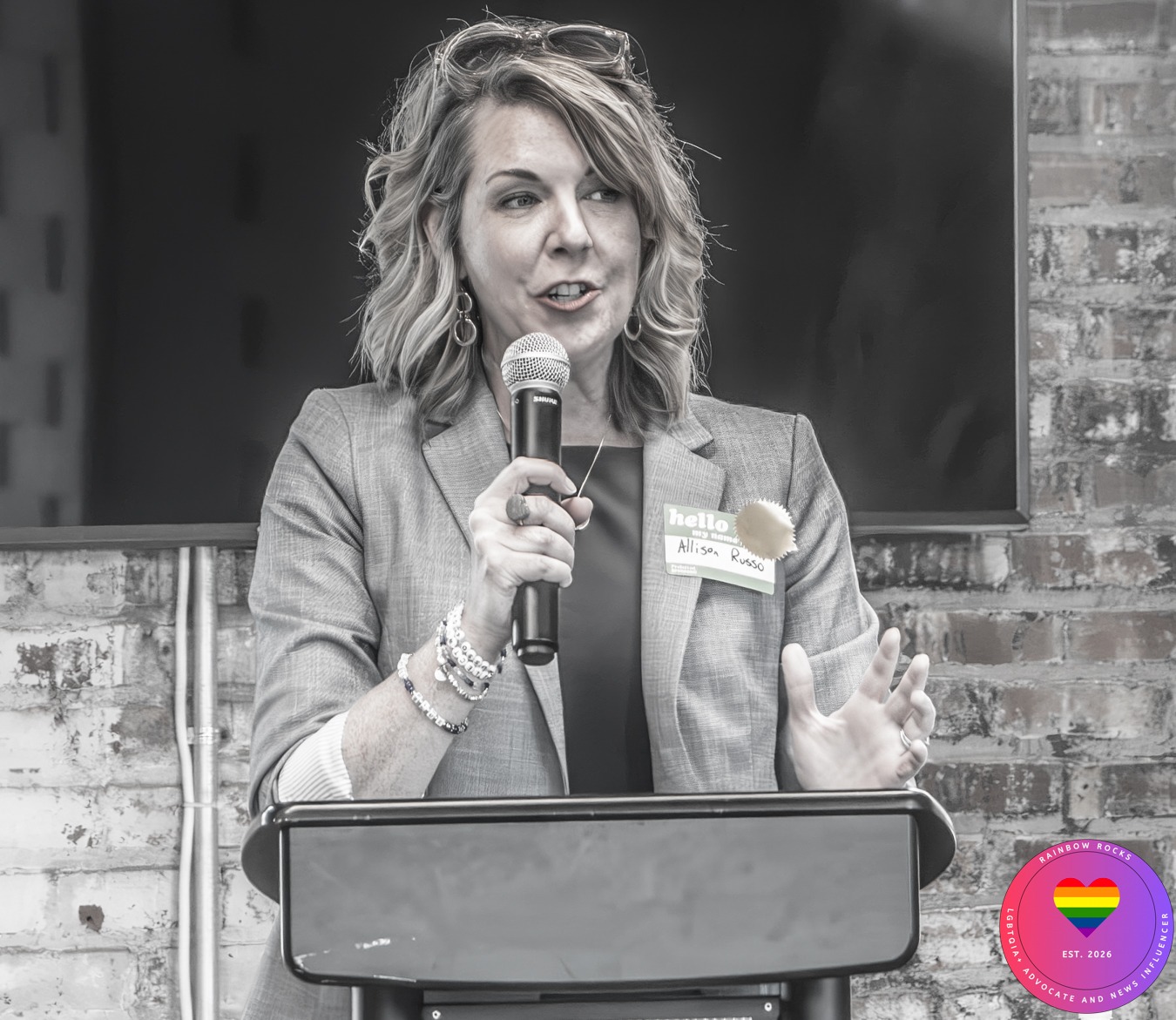
Allison Russo (Candidate for Ohio Secretary of State)
Allison Russo focused her opening remarks on the fundamental principles of a healthy democracy and accessible voting rights. Drawing on her extensive legislative experience, she argued that the primary duty of the Secretary of State is to act as a fierce, independent advocate for every eligible voter. She criticized administrative attempts to restrict ballot access, asserting that election systems must prioritize security, transparency, and universal participation across all 88 county boards of elections. Her platform centered on removing barriers to the ballot box and ensuring every voice is heard.
Russo addressed the complexities of election administration, defending robust vote-by-mail structures against restrictive executive mandates. She maintained that voting procedures should be designed to encourage maximum civic engagement rather than discourage turnout through administrative hurdles. Furthermore, she emphasized the importance of maintaining bipartisan parity and administrative neutrality on local county election boards. As Secretary of State, she pledged to serve as a fair tie-breaker focused exclusively on upholding statutory voting access and providing equal support to every county.
During the audience Q&A session, Russo answered detailed questions concerning election security, voter roll maintenance, and combating misinformation. She outlined proactive measures to ensure that local boards are fully equipped to handle high-turnout elections efficiently and securely. Her responses underscored the necessity of transparent communication between election officials and the public to foster trust in election outcomes. She reiterated her commitment to protecting voters from partisan interference and maintaining secure, reliable voting infrastructure.
In closing, Russo connected the fight for voting rights to the broader struggle for equality and civil representation. She noted that civic participation is the bedrock upon which all other community progress is built. By encouraging attendees to remain vigilant and actively involved in the democratic process, she reinforced her message of inclusive governance. Her comprehensive address left the audience with a clear understanding of her dedication to fair, open, and secure elections in Ohio.
James Mills (Libertarian Candidate for U.S. Senate)
James Mills used his opening platform to present a classical liberal perspective centered on individual liberty, fiscal austerity, and strict constitutional limits on federal power. Drawing on his professional background in finance, he argued that the entrenched two-party system has fostered systemic corruption and runaway national debt. He contended that federal overreach infringes upon personal freedoms and burdens working-class families with counterproductive economic policies. His opening remarks challenged voters to consider alternative political solutions to systemic national problems.
Expanding on his economic policies, Mills advocated for the complete dismantling of protectionist trade barriers and corporate welfare programs. He argued that true economic prosperity stems from unfettered individual enterprise and competitive free markets rather than government intervention. On the topic of federal spending, he proposed sweeping structural reforms to curb deficit spending and rein in entitlement programs through market-driven mechanisms. His platform emphasized personal responsibility and the reduction of government bureaucracy as the primary drivers of societal well-being.
During the forum’s question-and-answer segment, Mills addressed audience inquiries regarding foreign policy, individual rights, and economic freedom. He voiced strong opposition to foreign military interventions and unnecessary federal mandates that restrict personal autonomy. When questioned about civil liberties, he reiterated his belief that government should not dictate personal choices or interfere in the private lives of citizens. His consistent libertarian framework offered a distinct philosophical alternative focused strictly on non-intervention and decentralized authority.
Mills concluded his presentation by urging voters to break free from partisan voting habits that perpetuate governmental inefficiency. He encouraged attendees to demand greater accountability and transparency from all elected officials regardless of party affiliation. By framing his candidacy around the preservation of personal dignity and constitutional governance, he sought to build broad appeal among disillusioned voters. His participation added a distinct ideological dimension to the evening’s discussions on federal representation.
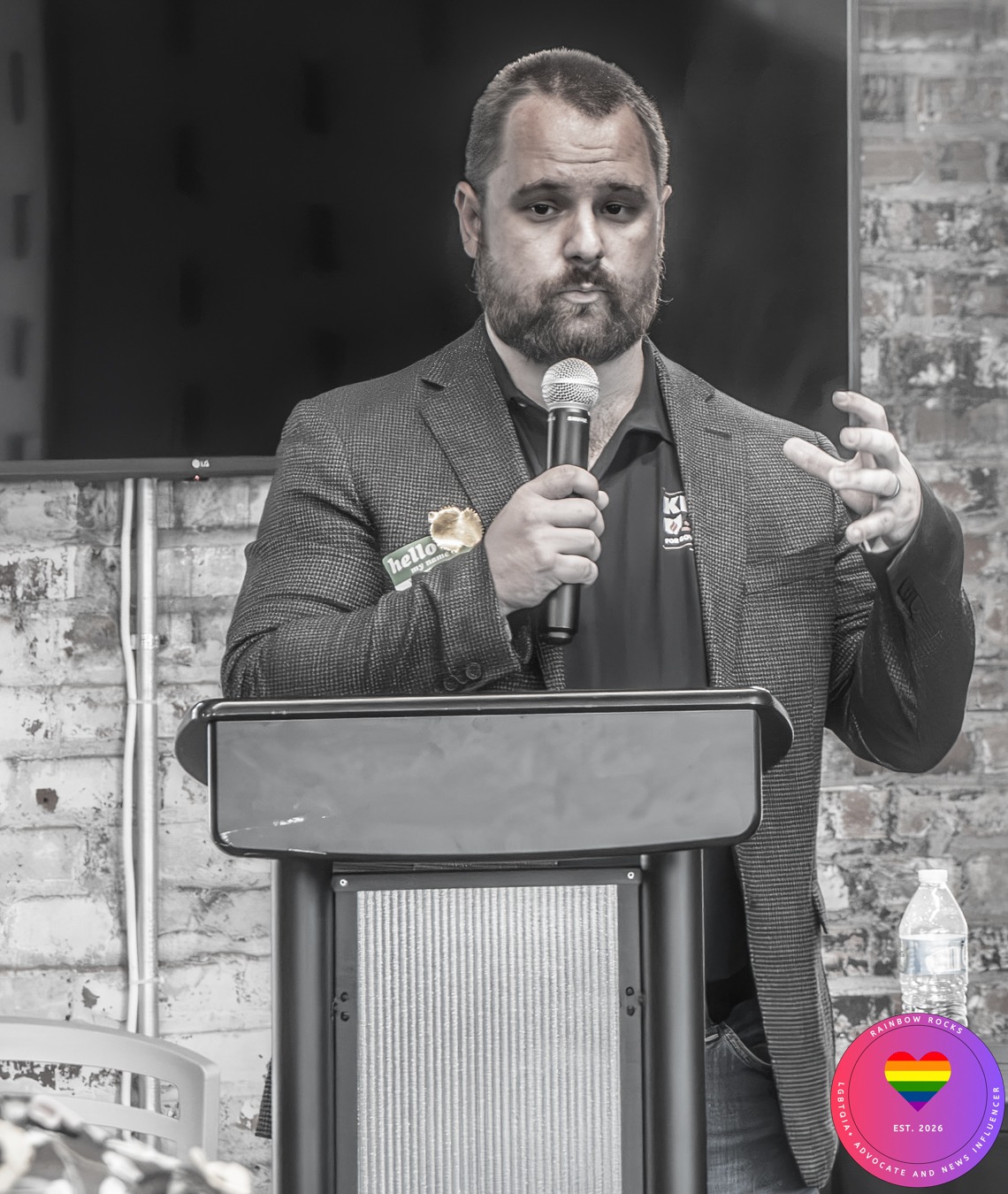

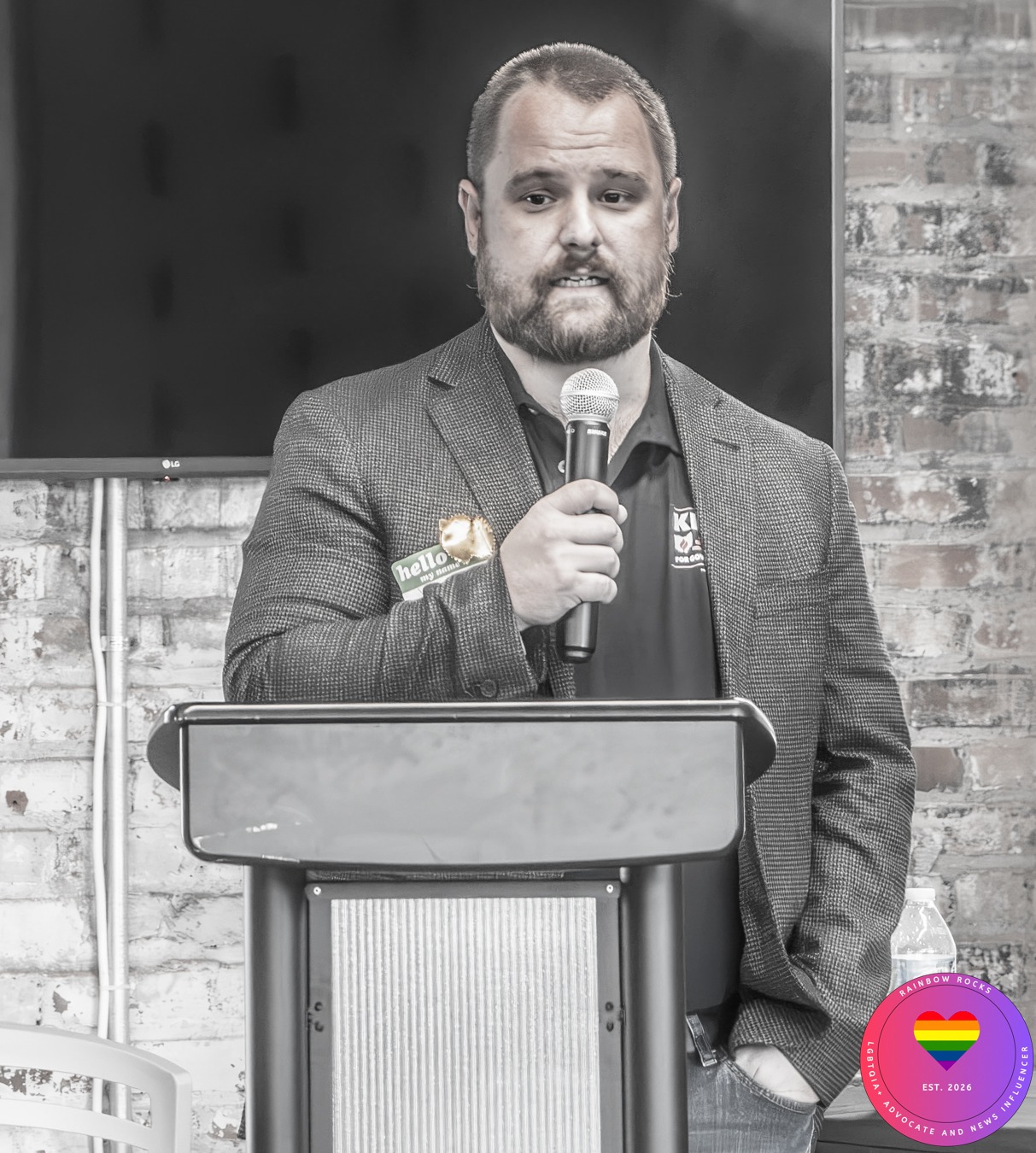
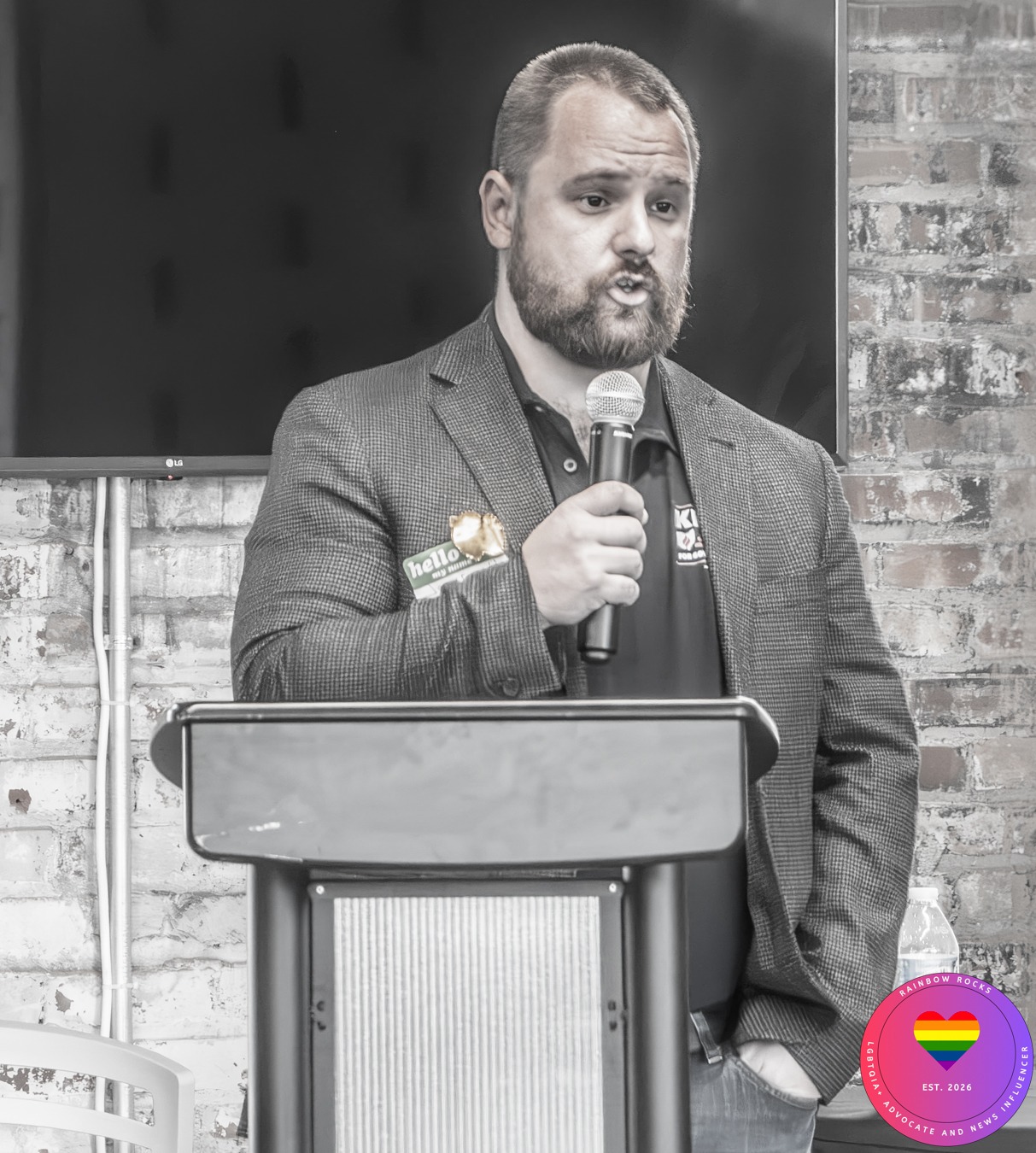
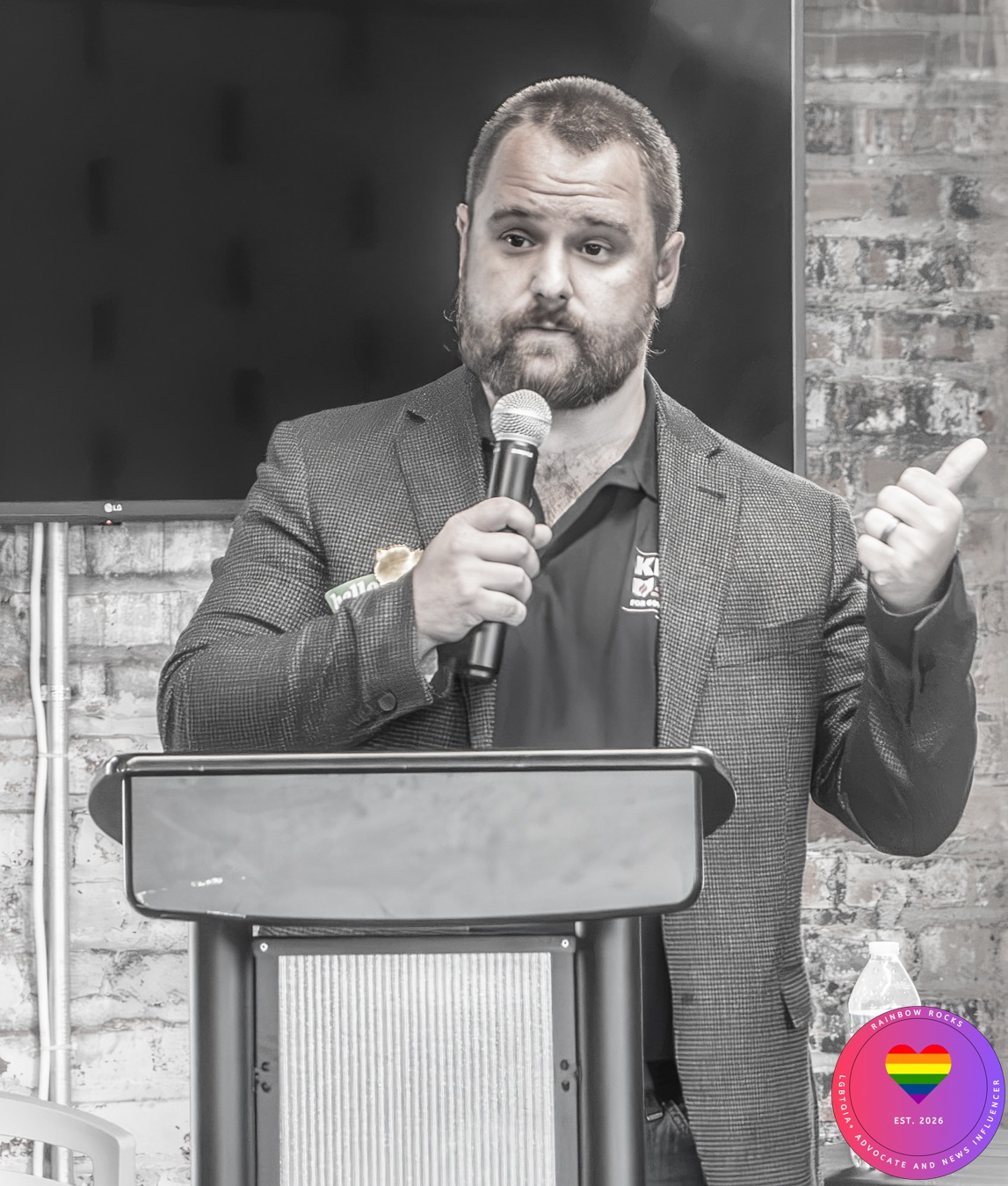
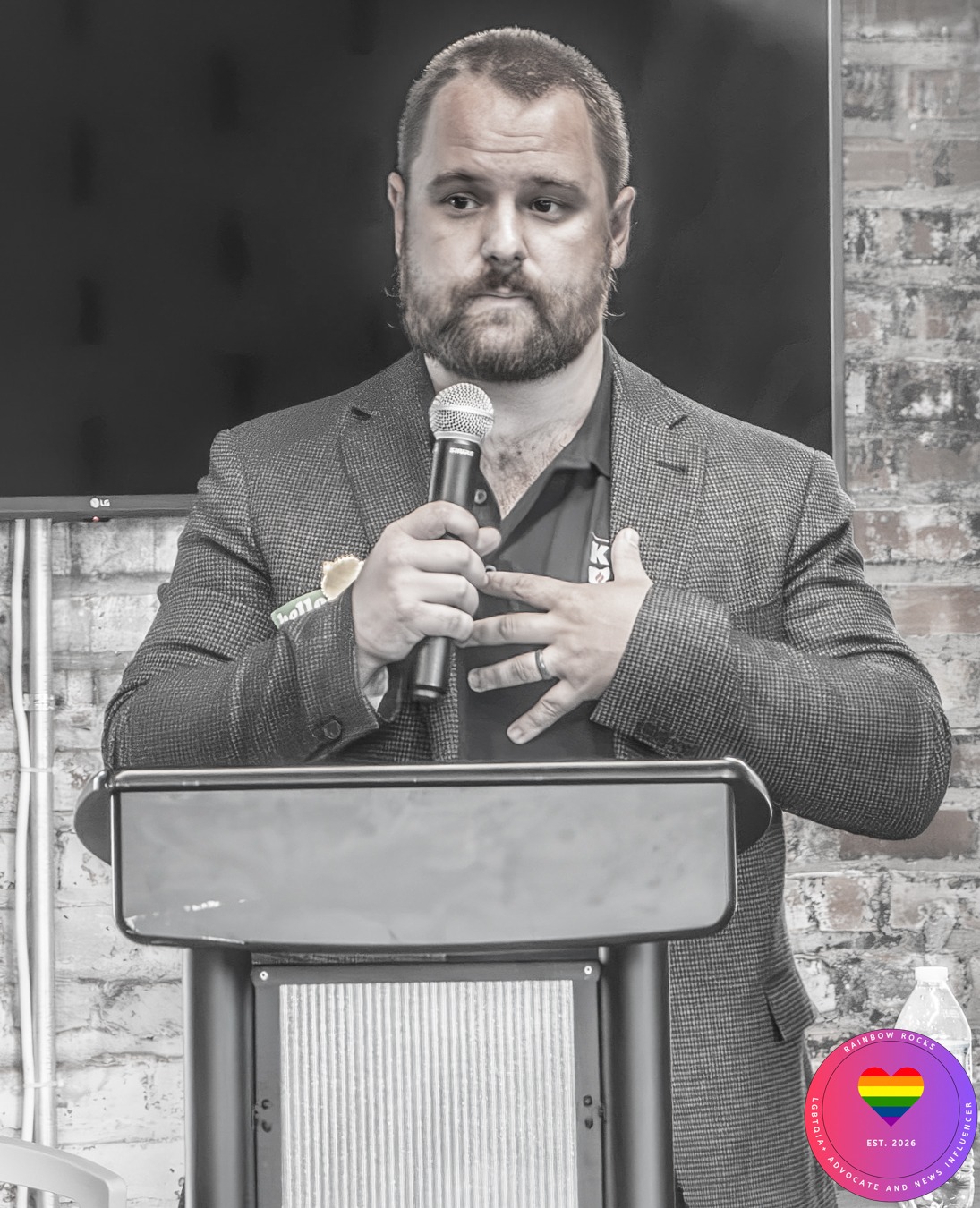

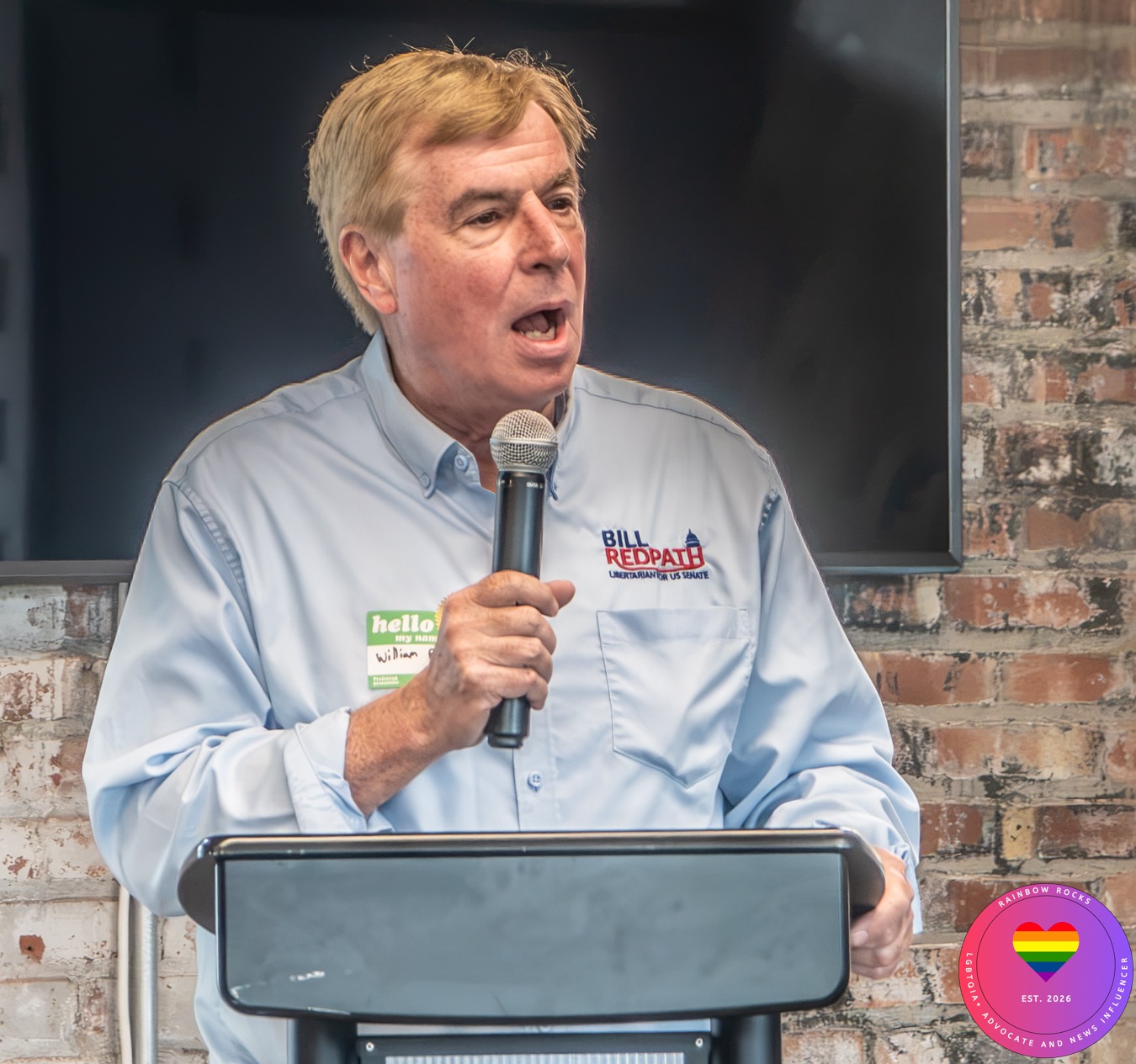
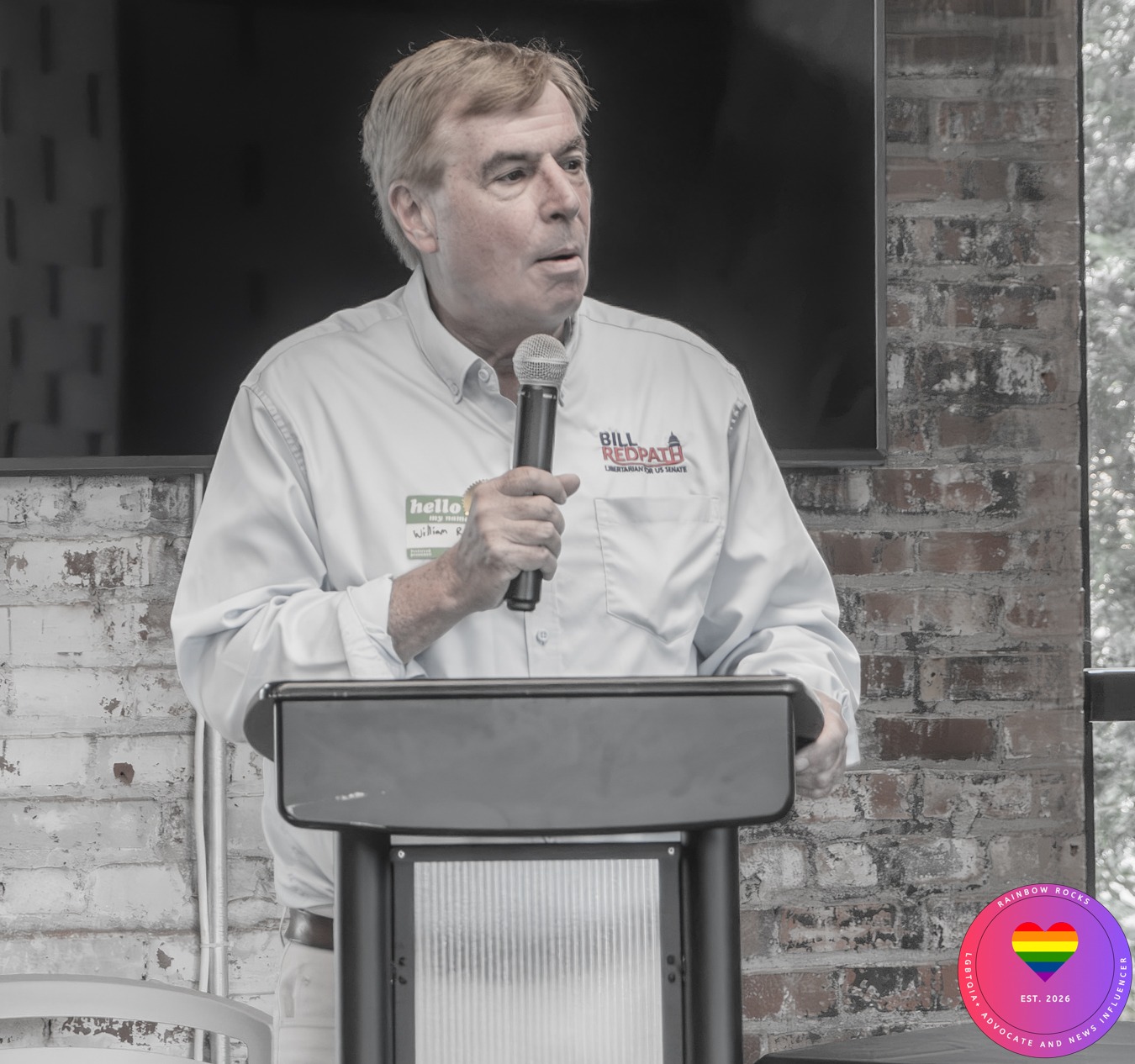
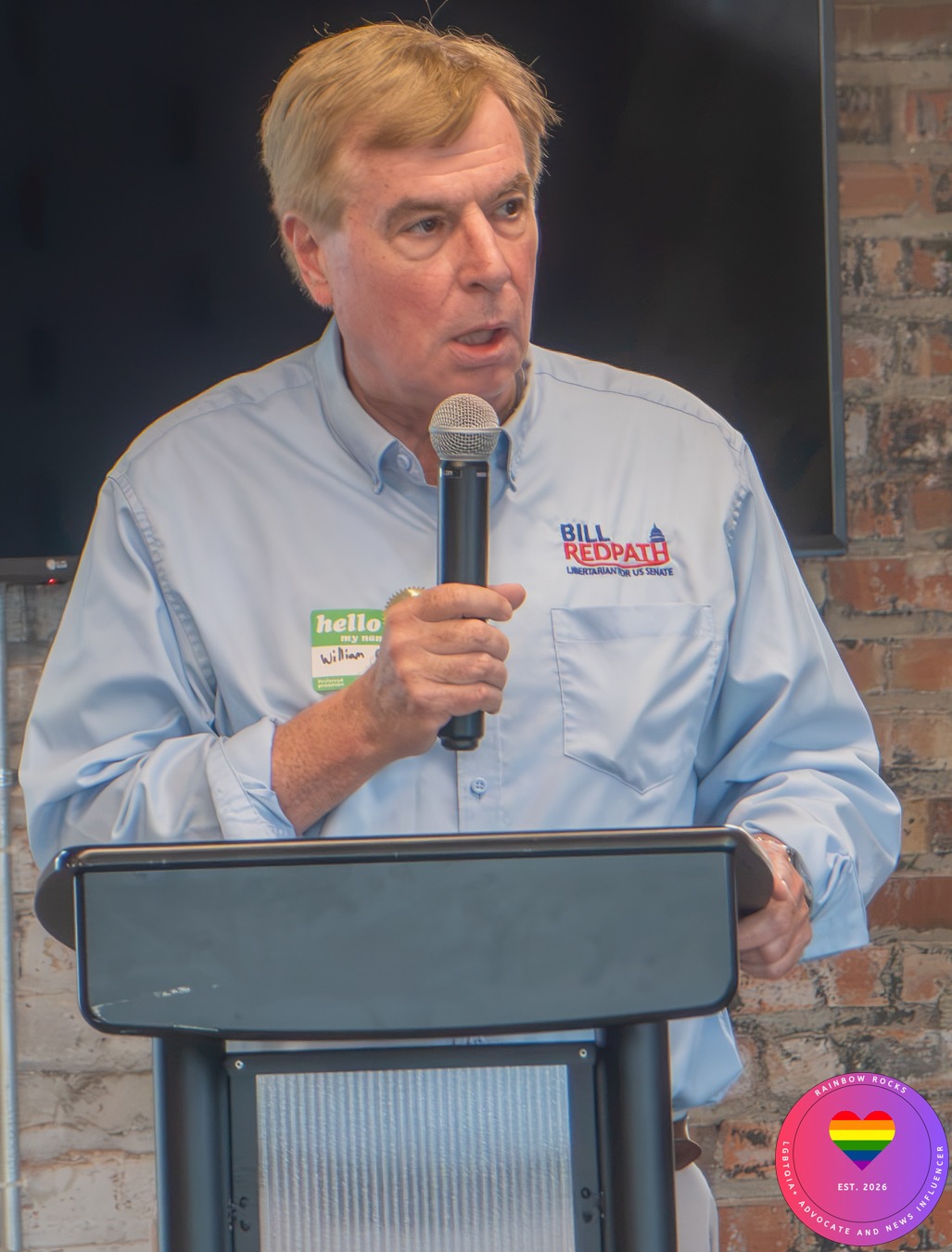
Bill Redpath (Libertarian Candidate for U.S. Senate)
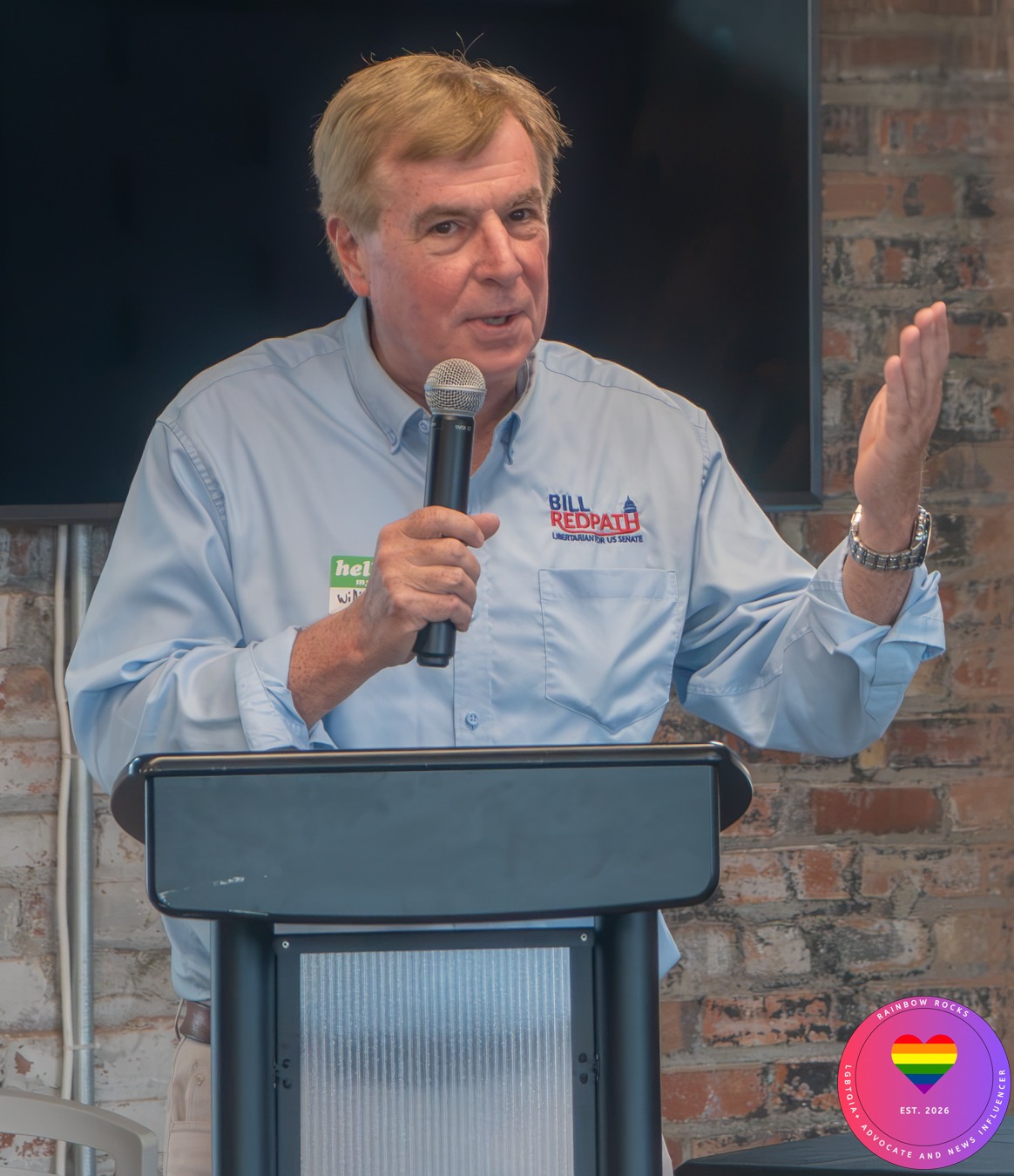
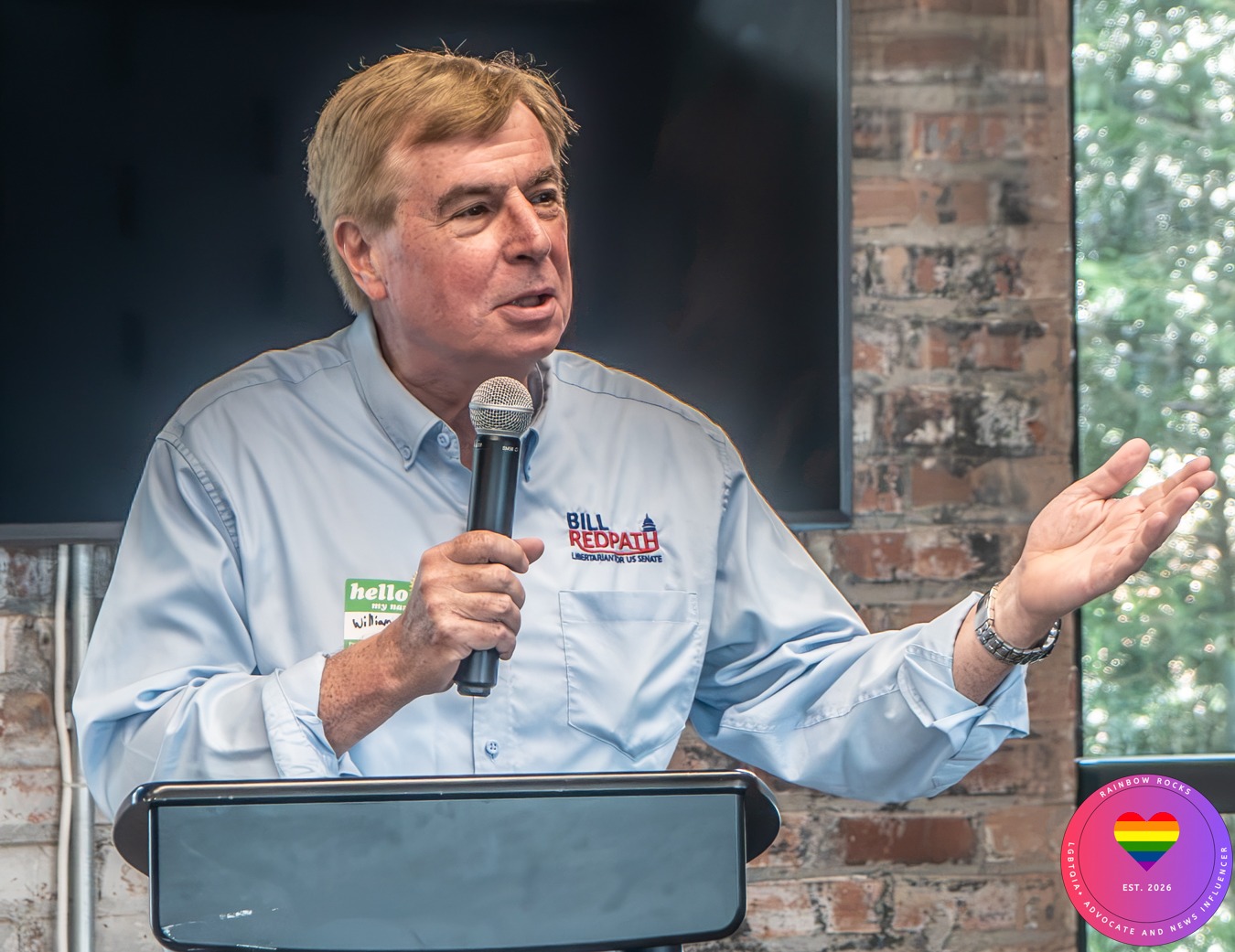
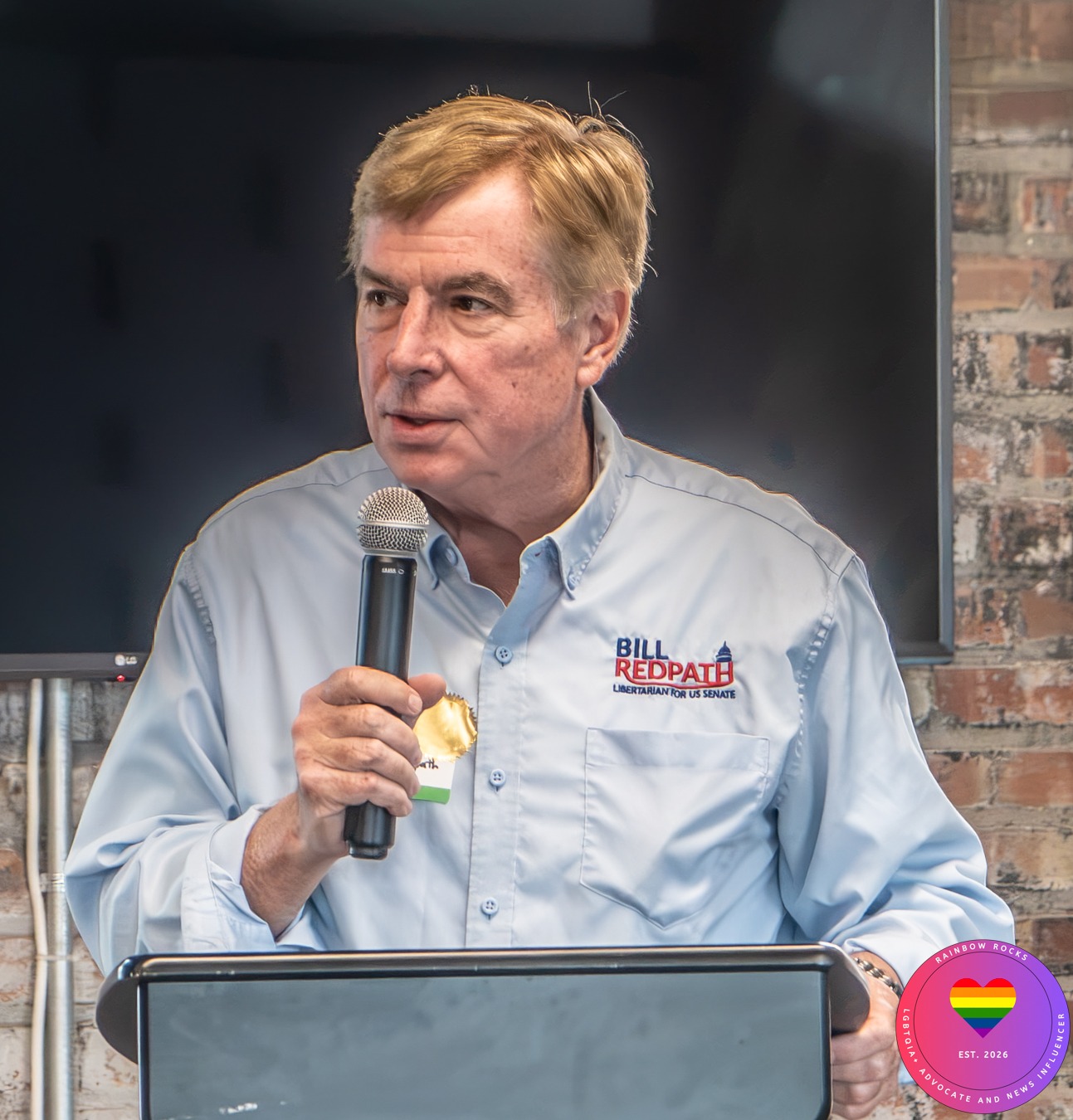
Bill Redpath opened his remarks by sharing his extensive professional background as a certified public accountant and business valuation expert. He expressed profound frustration with restrictive ballot-access laws in Ohio and across the nation, which he argued insulate major political parties from meaningful competition. He positioned his independent libertarian campaign as a necessary step toward establishing a robust, multi-party democracy where diverse viewpoints receive fair representation in federal legislation.
Transitioning to fiscal matters, Redpath addressed the compounding national debt crisis by proposing independent, expert-led commissions to audit federal programs. He argued that unchecked federal spending threatens long-term economic stability and places an unfair tax burden on future generations. Rather than raising taxes or imposing arbitrary regulations, he advocated for systematic spending reductions and the elimination of obsolete federal agencies. His financial expertise informed every aspect of his budgetary proposals, emphasizing mathematical precision and fiscal prudence.
During the Q&A session, Redpath fielded audience questions on international trade, immigration reform, and structural political changes. He advocated for streamlined, security-vetted immigration pathways that prioritize economic integration and the rule of law over rigid quotas. On trade, he championed unilateral free trade agreements that eliminate tariffs and lower consumer prices. When asked about electoral reform, he expressed strong support for alternative voting systems that empower third parties and encourage consensus-building among legislators.
Redpath wrapped up his time by encouraging voters to champion electoral reforms that open up the political process to independent voices. He emphasized that true democratic representation requires tearing down artificial legal barriers erected by the political establishment. By combining professional financial acumen with a steadfast commitment to personal liberty, he delivered a data-driven and principled platform. His remarks provided attendees with a rigorous economic critique of current federal policies.


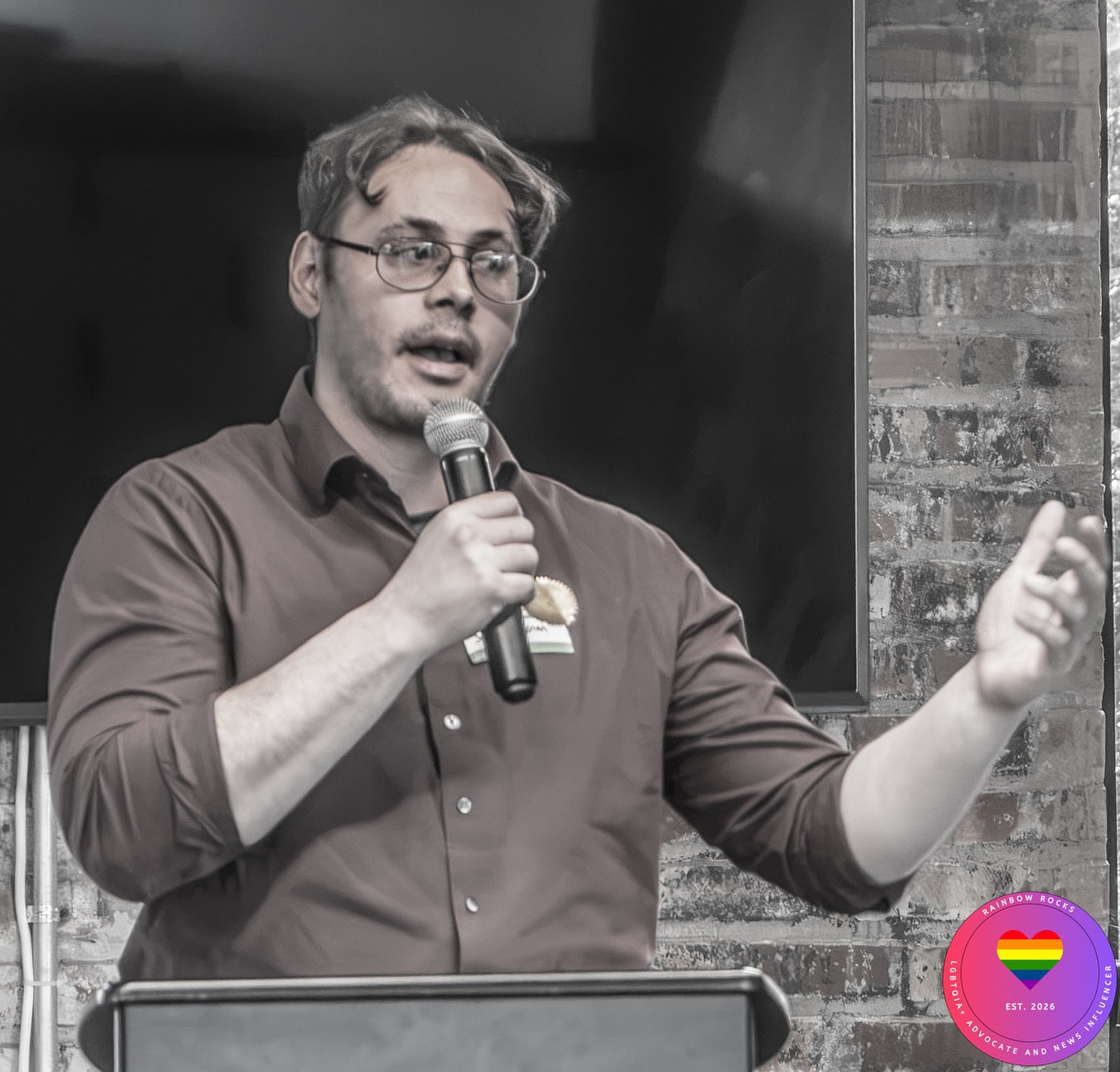
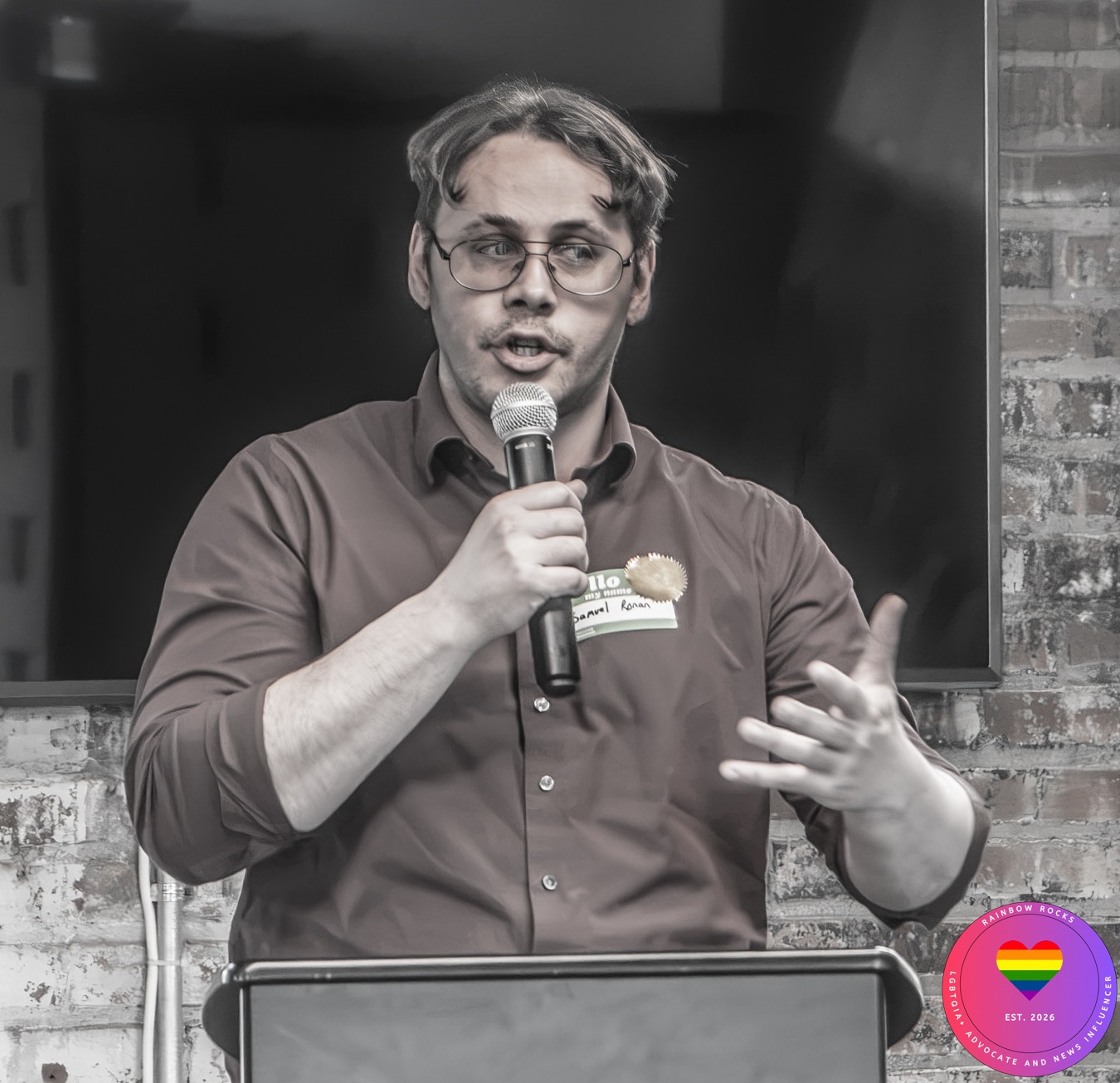
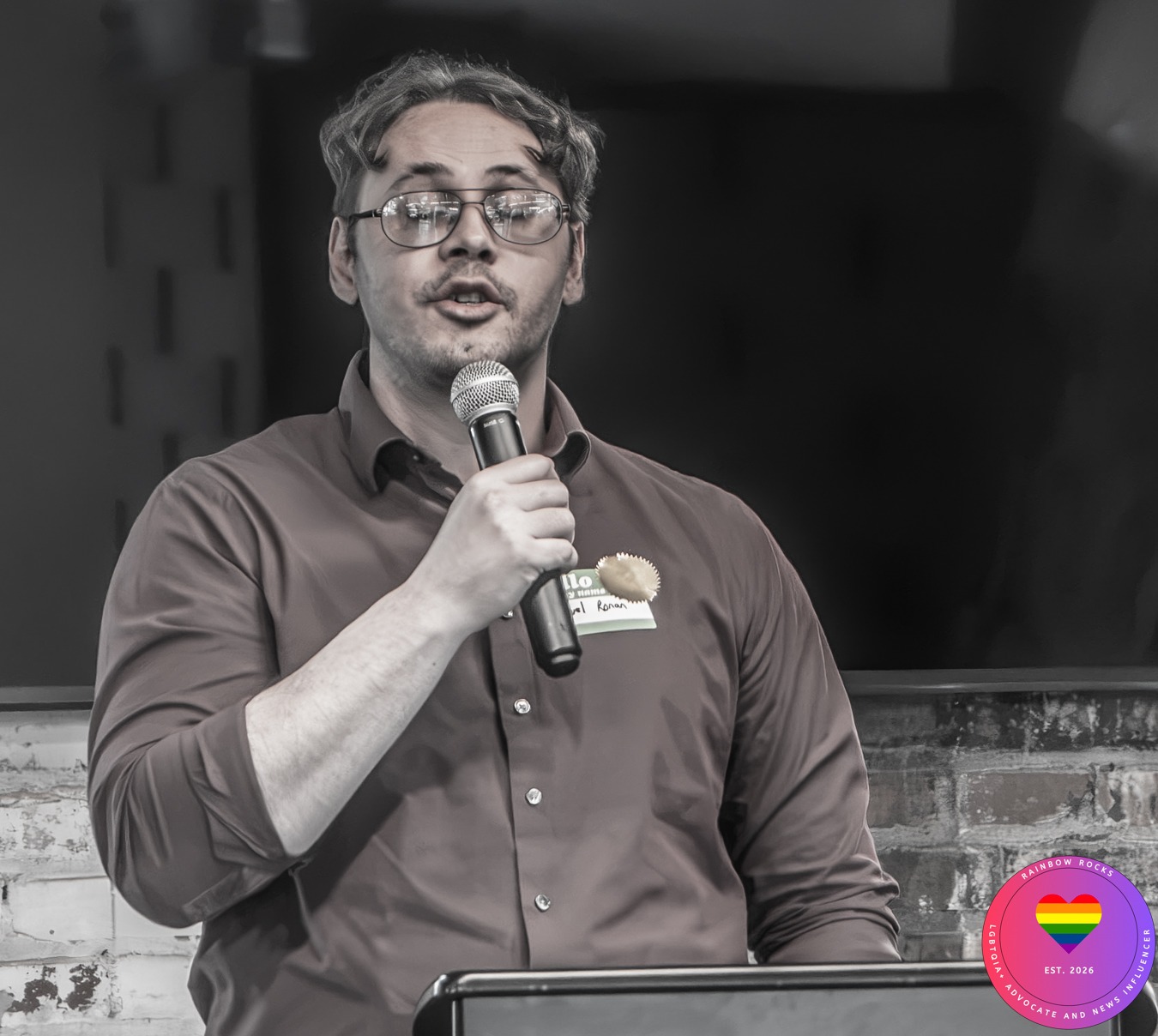
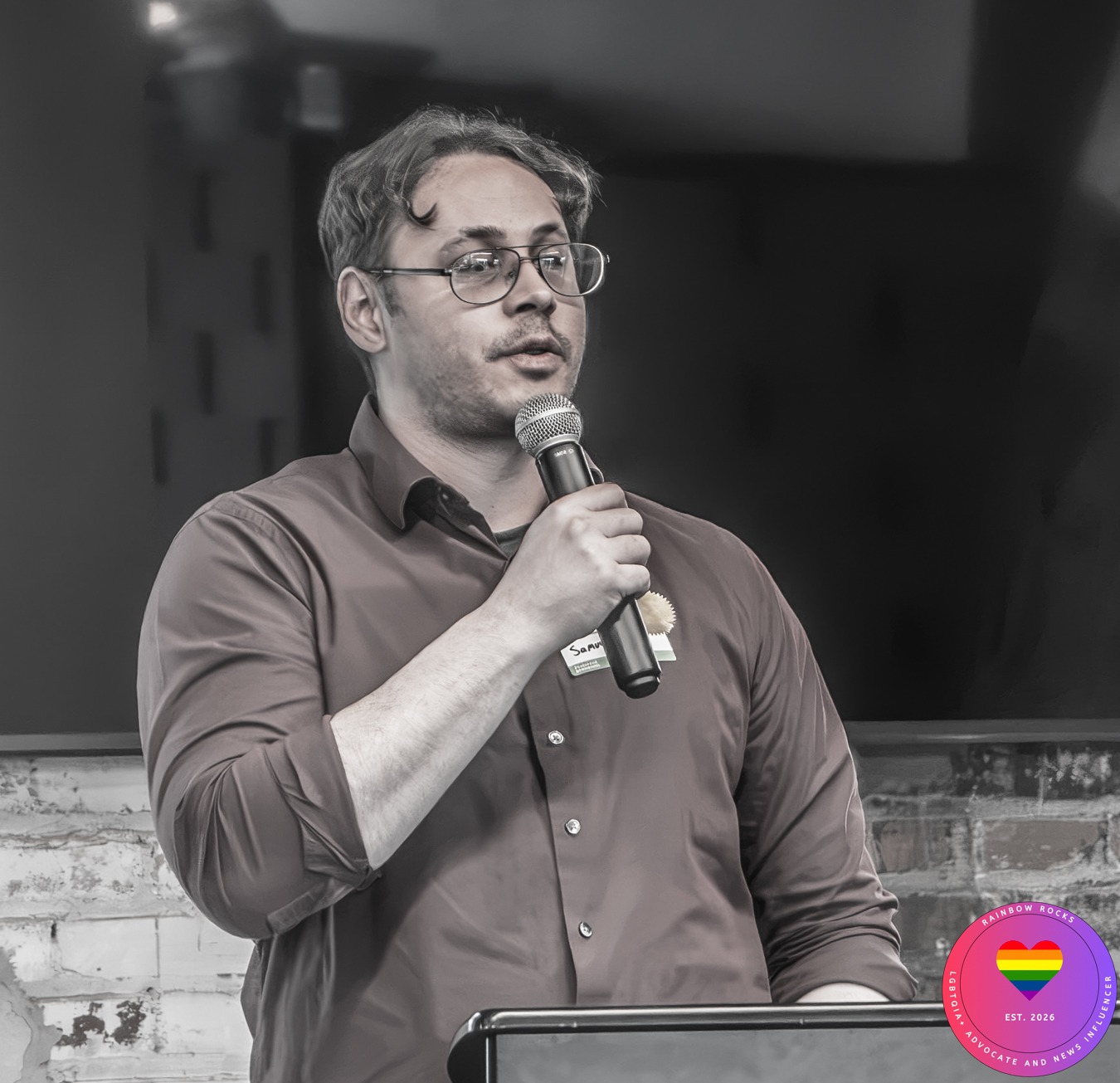
Samuel Ronan (Independent/Write-in Candidate for 15th Congressional District)
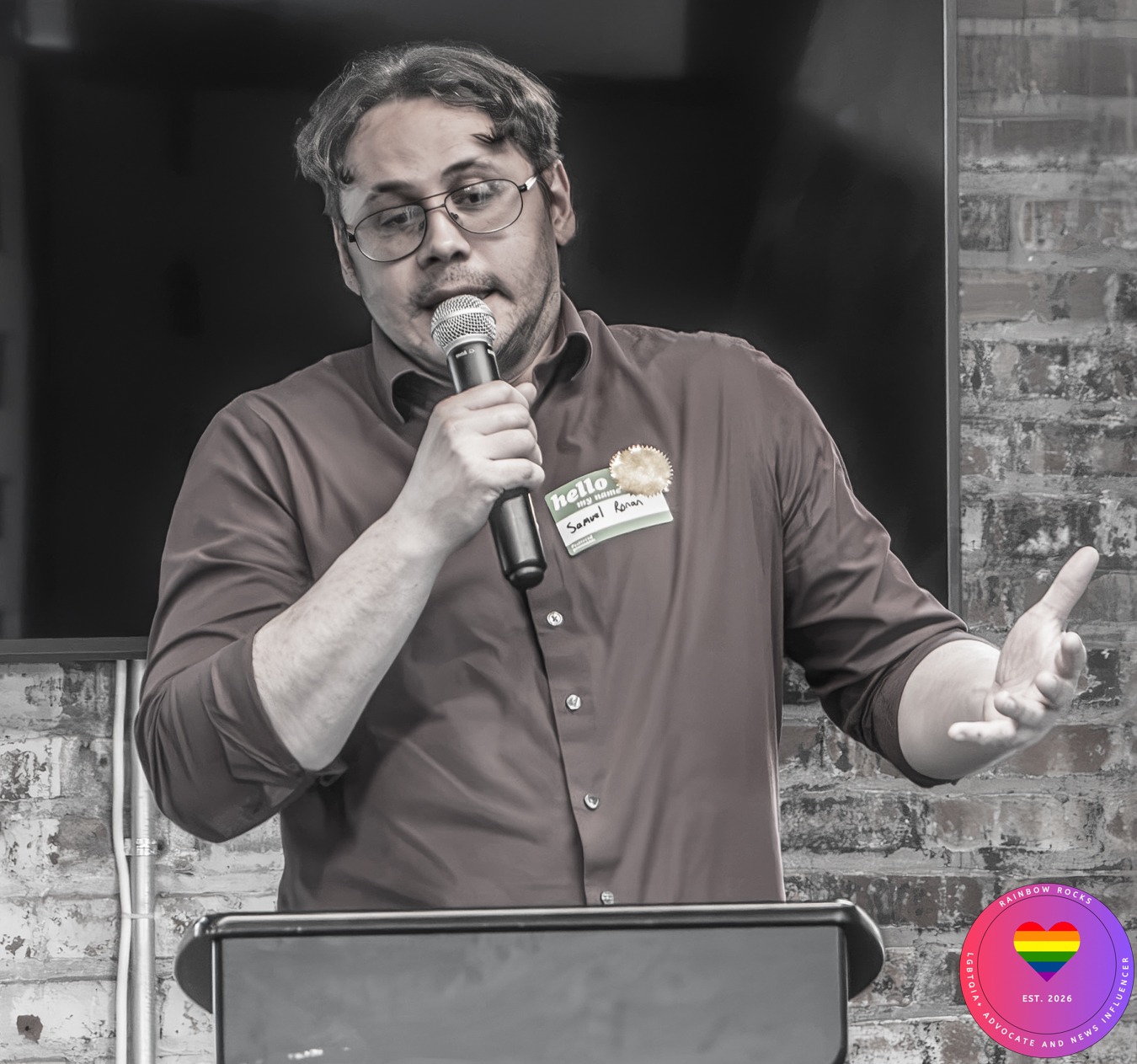
Samuel Ronan began his address by highlighting his background as a military veteran and his unwavering commitment to the U.S. Constitution. He positioned his independent write-in campaign as a direct challenge to the corrupting influence of corporate money in federal politics. Rejecting both major parties, he argued that working-class Americans are consistently left unrepresented by career politicians who answer to wealthy donors rather than their constituents. His opening remarks resonated with attendees seeking authentic systemic reform and independent leadership.
Diving deeper into his platform, Ronan advocated for robust economic policies centered on working-class prosperity and human dignity. He championed universal healthcare access and stronger labor protections, arguing that corporate monopolies actively suppress wages and destabilize local economies. His “America Works” initiative focused on creating sustainable jobs, raising livable wages, and rebuilding domestic infrastructure. He stressed that economic security is a fundamental human right that must be fiercely protected against corporate exploitation.
During the question-and-answer portion, Ronan addressed foreign policy, government transparency, and the influence of special interest lobbying in Washington. He called for strict anti-corruption laws and an immediate end to foreign lobbying influence in domestic legislative decisions. When questioned about civil rights and social justice, he reaffirmed his unwavering support for marginalized communities and systemic equality. His passionate delivery underscored his dedication to fighting for progressive economic policies and government accountability.
Ronan concluded his segment by issuing a call to action for voters to reject lesser-evil voting and demand genuine representation. He urged community members to look past partisan divisions and unite around shared economic and social goals. By emphasizing grassroots empowerment and uncompromised integrity, he presented a compelling vision for independent congressional leadership. His remarks left a strong impression on attendees looking for a fighter who prioritizes people over party politics.

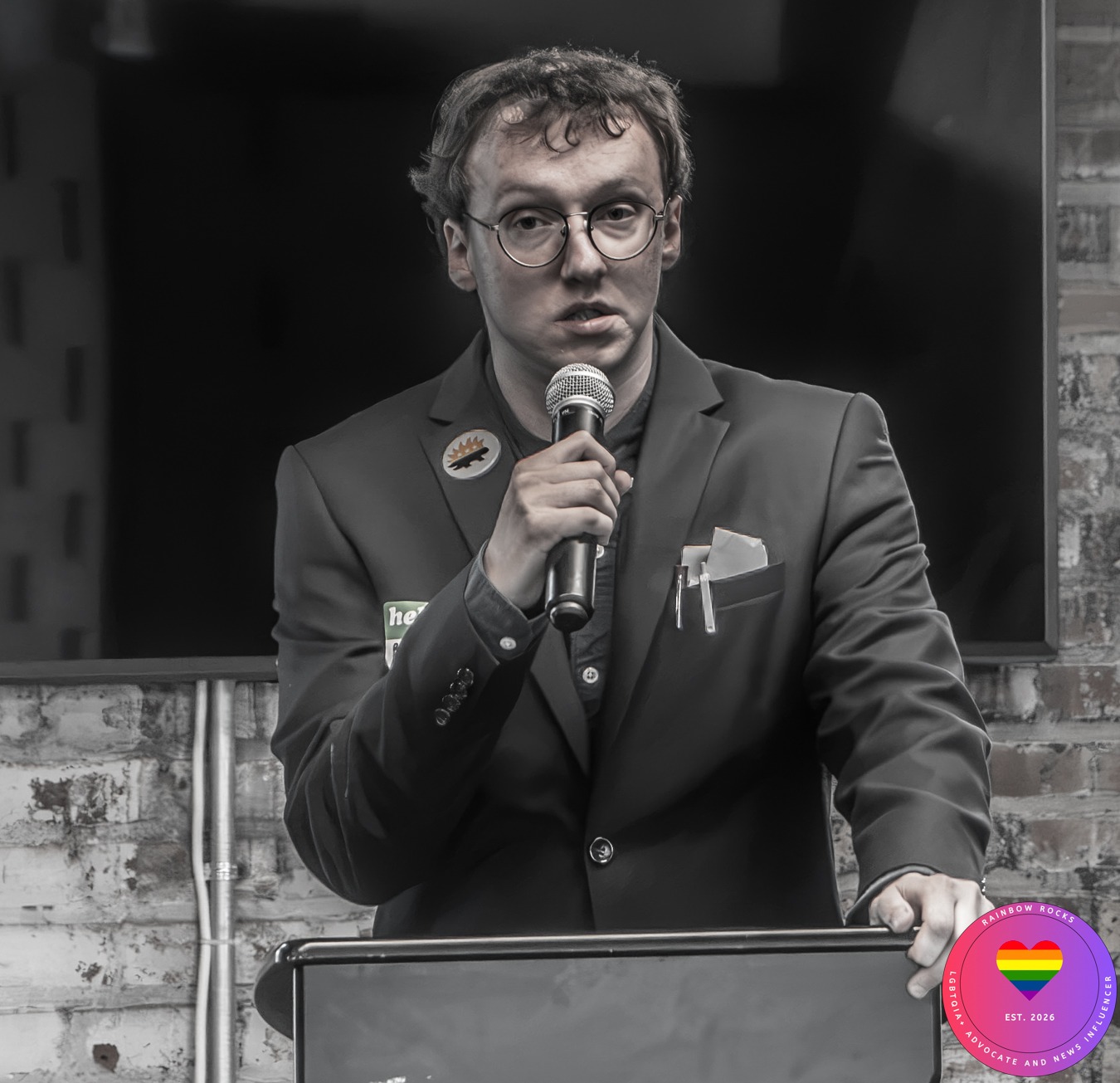
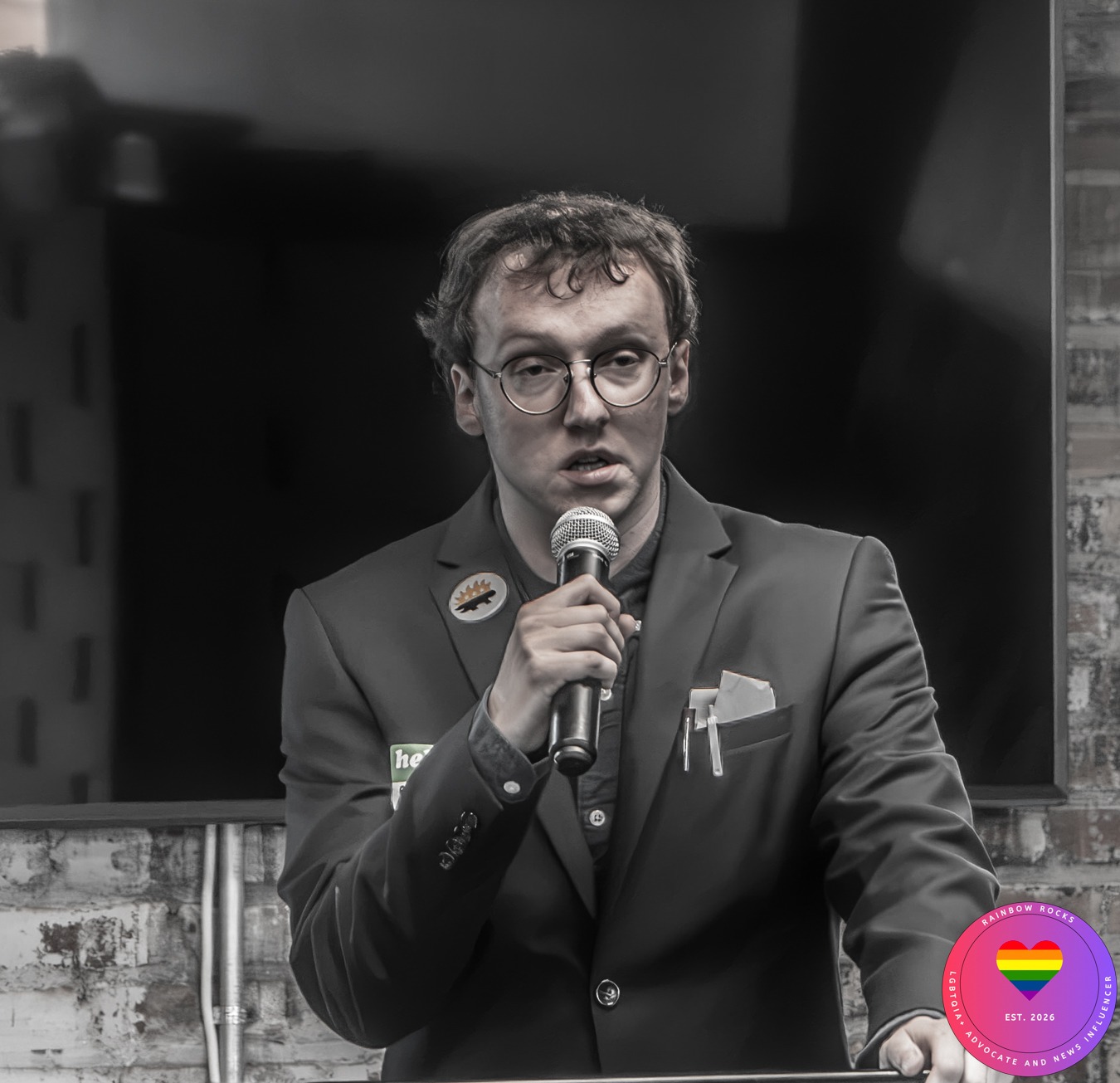
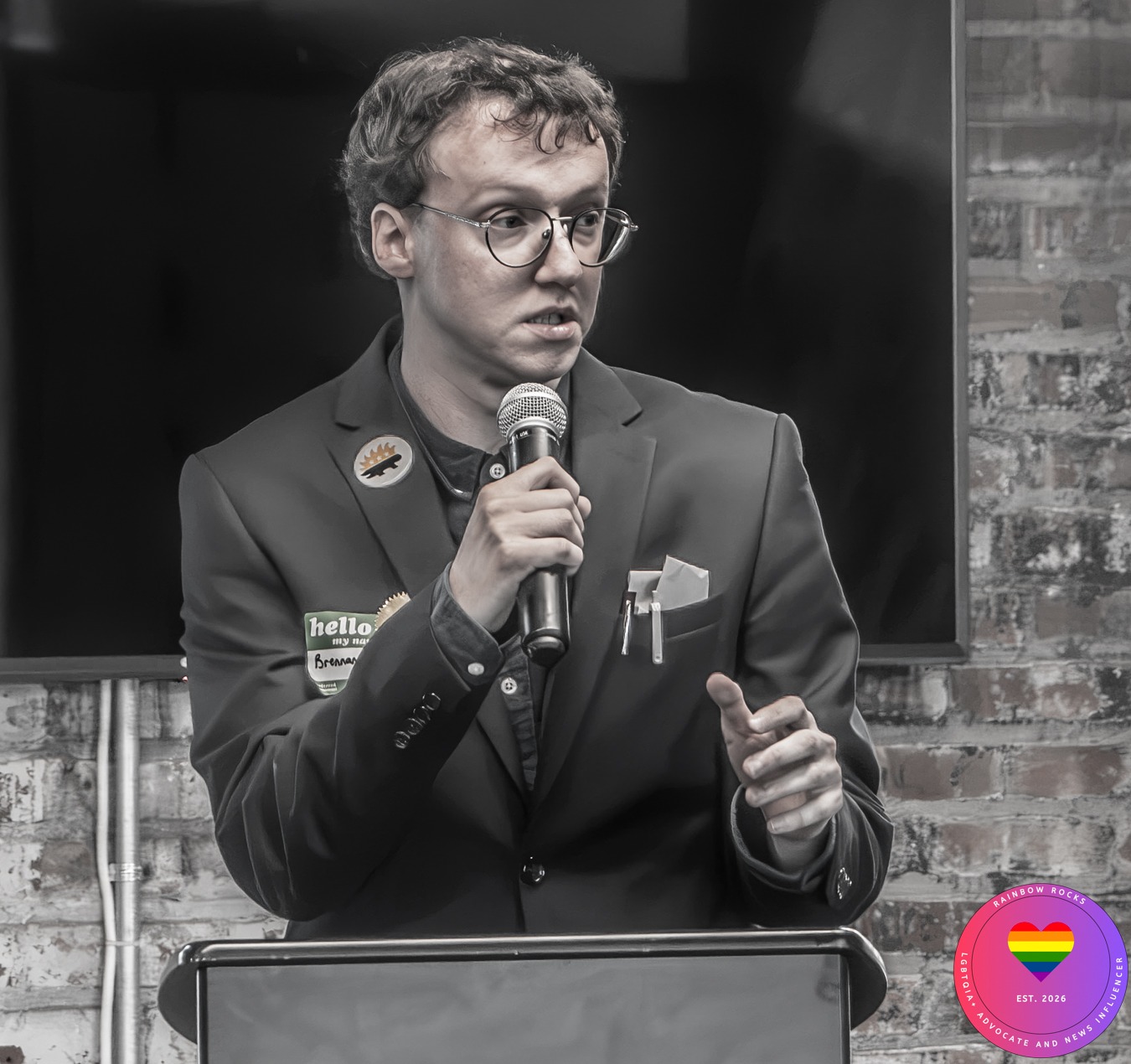
Brennan Barrington (Libertarian Candidate for 15th Congressional District)
Brennan Barrington opened his presentation by drawing on his background as an aerospace engineering graduate from Ohio State University. He framed his platform around systems efficiency, scientific problem-solving, and the decentralization of government power. He argued that centralized federal overreach is the primary root cause of modern economic anxieties and civil rights concerns. By applying engineering principles to governance, he proposed streamlined solutions designed to maximize individual freedom and minimize bureaucratic waste.
Continuing his address, Barrington emphasized the importance of returning authority from federal agencies back to state and local municipalities. He contended that localized governance naturally safeguards personal liberties and civil rights more effectively than sweeping federal mandates. On economic policy, he advocated for free-market principles, deregulation, and the removal of artificial market barriers that stifle innovation. His platform aimed to create an agile economic environment where small businesses and individual entrepreneurs can thrive without government interference.
During the interactive Q&A session, Barrington tackled audience questions regarding electoral reform, civil liberties, and federal accountability. He advocated for structural voting reforms, including ranked-choice voting for major federal races and proportional representation models inspired by international democracies. When asked about protecting marginalized communities, he argued that decentralized, community-based governance offers better protection against oppressive federal policies. His thoughtful responses highlighted his analytical approach to complex political and social challenges.
Barrington wrapped up his time by encouraging voters to embrace innovative political structures that foster genuine diversity of thought. He stressed that systemic reform requires challenging outdated political paradigms and welcoming new perspectives into the legislative process. By combining technical precision with a libertarian dedication to personal autonomy, he offered a fresh perspective on congressional representation. His address provided a structured, forward-looking conclusion to the evening’s legislative discussions.


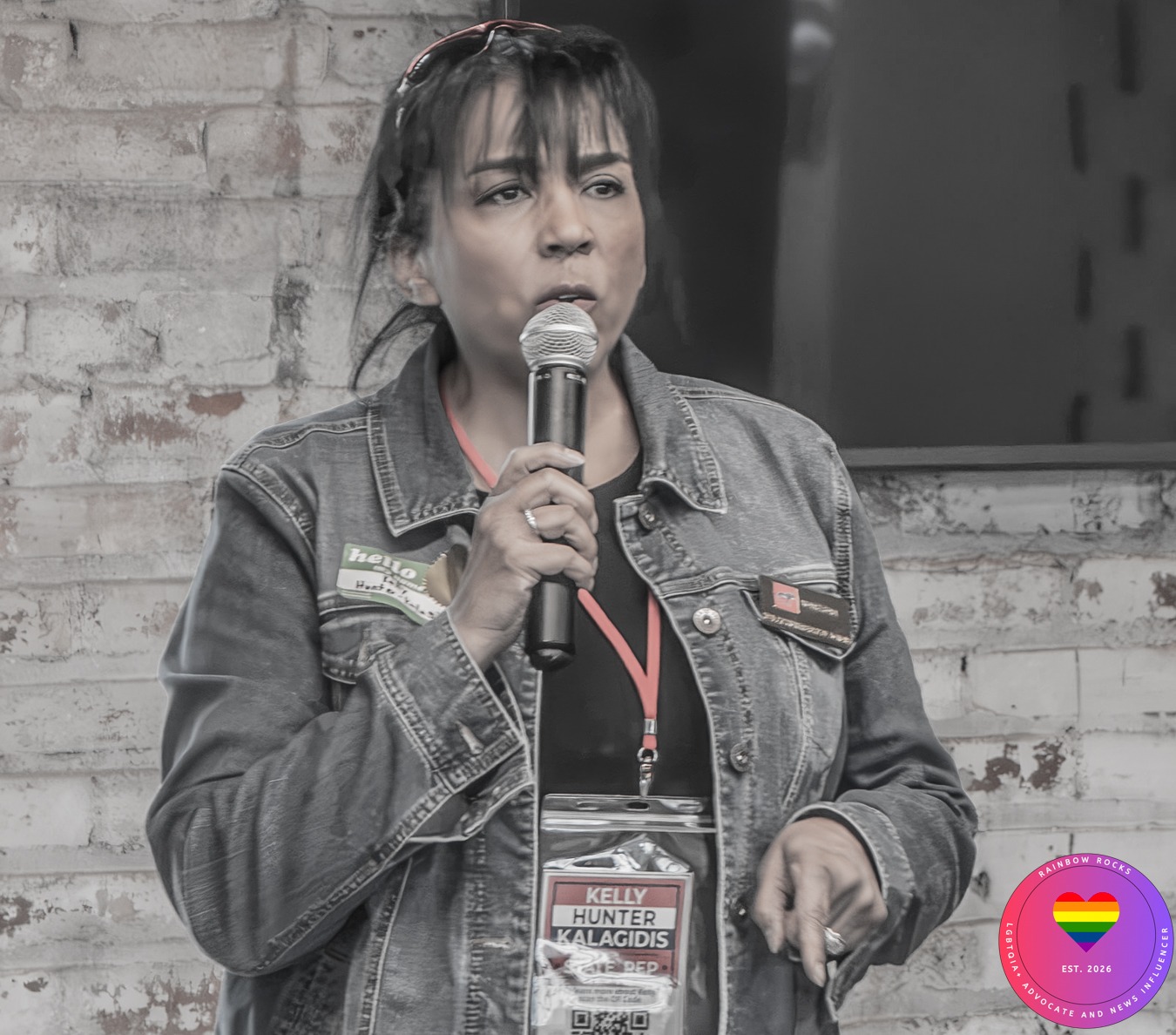
Kelly Hunter Caladigos (Republican Candidate for Ohio House)
Kelly Hunter Caladigos utilized her opening statement to highlight her extensive background as an educator with over two decades of classroom experience. Grounding her campaign in common-sense conservative values inspired by historical precedent, she focused her platform on educational excellence and academic rigor. She emphasized her deep commitment to supporting teachers, elevating school standards, and fostering collaborative partnerships between parents and educational institutions. Her opening remarks positioned her as a dedicated public servant invested in community development.
Expanding on her educational platform, Caladigos addressed the challenges currently facing public schools across Ohio. She stressed the necessity of focusing classroom instruction on foundational academic skills while ensuring schools remain transparent and accountable to local families. On fiscal matters, she advocated for strict budgetary discipline and local accountability in public taxation. She argued that taxpayer dollars must be managed responsibly, prioritizing direct classroom support and essential community services over bloated administrative overhead.
During the forum’s Q&A session, Caladigos answered questions regarding school funding, parental involvement, and community support systems. She emphasized that educational success depends on open communication between educators, parents, and local school boards. When questioned about fiscal conservancy, she reiterated her commitment to protecting taxpayers from unnecessary financial burdens while maintaining high standards for public infrastructure. Her practical, educator-focused approach provided a grounded perspective on state legislative priorities.
Caladigos concluded her presentation by emphasizing her dedication to serving all residents of her district with integrity and listening ear. She urged voters to value practical experience and community dedication when selecting their representatives in the statehouse. By focusing her campaign on educational improvement and fiscal responsibility, she presented a clear platform aimed at strengthening local communities. Her remarks reinforced her commitment to constructive, collaborative policymaking.
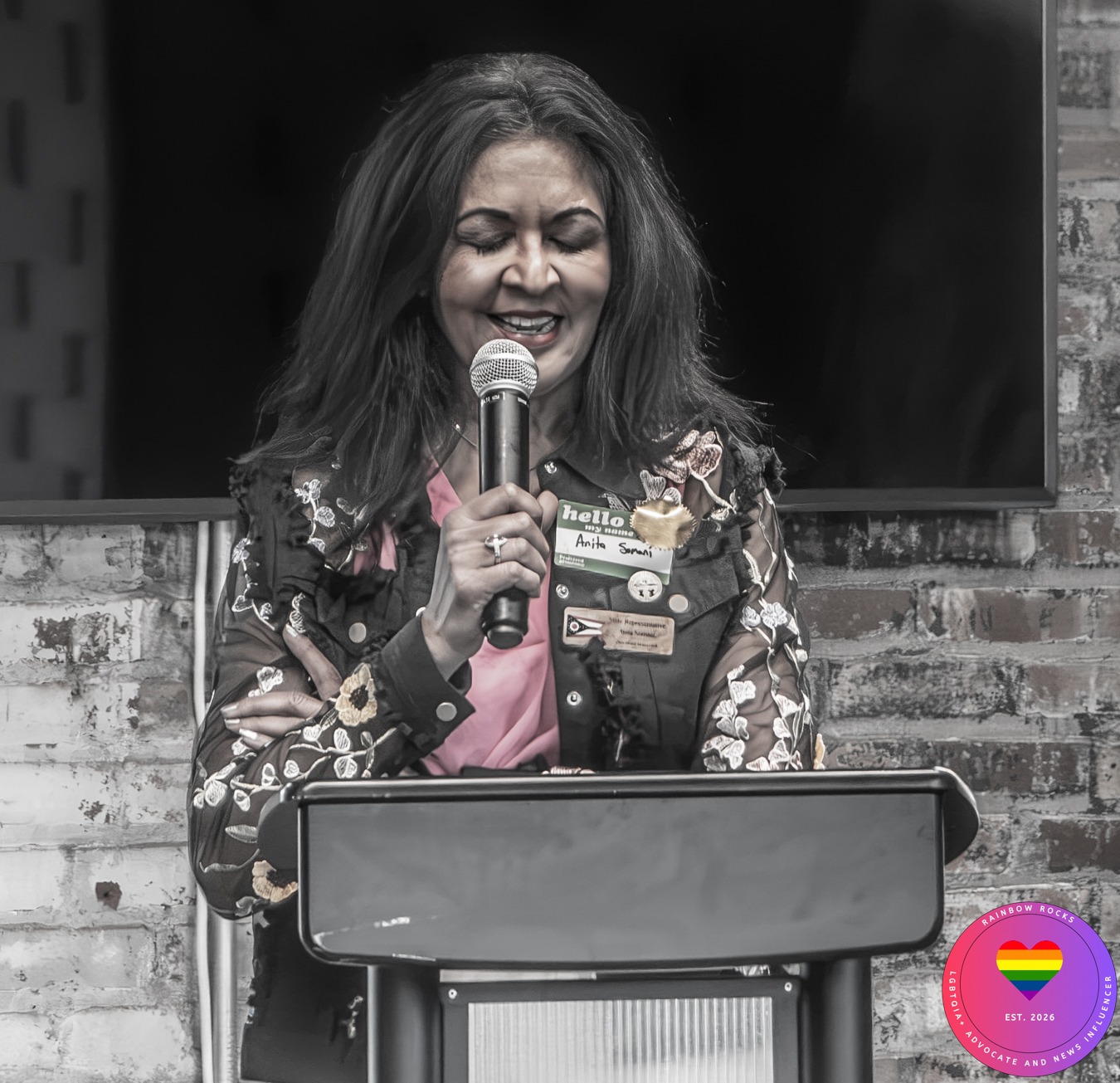
Dr. Anita Somani (Democratic Candidate for Ohio House District 11)
Dr. Anita Somani opened her address by reflecting on her decades of service as a practicing obstetrician-gynecologist in Columbus since 1992, as well as her current role as a state representative. Her speech centered on public health, bodily autonomy, and compassionate governance rooted in medical experience. She detailed her legislative efforts to defend comprehensive healthcare access, protect civil rights, and support vulnerable populations across Ohio. Her opening remarks established a deeply personal and professional connection with the audience.
Continuing her presentation, Dr. Somani spoke passionately about the damaging impacts of restrictive healthcare legislation on patients and medical professionals. She reaffirmed her unwavering commitment to safeguarding the full spectrum of reproductive care, including contraception, fertility treatments, and abortion access in Ohio. Beyond reproductive freedom, she addressed broader public health initiatives, emphasizing the critical link between accessible preventative medicine, mental health resources, and overall community well-being. She argued that healthcare is a fundamental right that must be defended against legislative overreach.
During the interactive Q&A session, Dr. Somani answered detailed questions regarding legislative strategy, civil rights protection, and community health funding. She outlined her ongoing efforts to collaborate with advocacy groups and fellow lawmakers to resist discriminatory policies in the statehouse. When questioned about supporting marginalized communities, she emphasized the importance of empathy, active listening, and persistent legislative advocacy. Her responses highlighted her frontline experience fighting for equality and healthcare access in the General Assembly.
Dr. Somani wrapped up her time by encouraging attendees to remain active participants in the political process and steadfast advocates for their rights. She reminded the audience that civic engagement is essential for protecting democratic norms and human rights against regression. By anchoring her campaign in healthcare advocacy and compassionate public service, she delivered a powerful message of resilience and dedication. Her comprehensive address underscored her ongoing commitment to fighting for a fairer, healthier Ohio.

Public Service and Community Leadership: A Profile of Stacie Baker
Stacie Baker has established a substantial footprint in local government and public advocacy through extensive service on municipal and county levels. Operating primarily out of central Ohio, his professional and elected career centers on civic engagement, policy development, and addressing the daily economic pressures facing working families.
Background and Municipal Governance
Baker serves as an At-Large Representative and Council President Pro Tempore on the Reynoldsburg City Council, bringing years of dedicated experience to municipal administration. In addition to his legislative responsibilities, his professional background includes long-standing public service as a county employee working closely with local constituents.
Scope of Representation and District Footprint
In his legislative and public advocacy capacities, Baker’s work impacts a broad range of communities across central Ohio. His legislative footprint spans multiple regions within southern Franklin County, including:
- Reynoldsburg
- Canal Winchester
- Lockbourne
- Obetz
- Grove City
- Surrounding townships such as Hamilton, Madison, and Mifflin
Core Economic and Policy Focus
Throughout his public addresses and policy platforms, Baker consistently emphasizes practical economic relief for residents. His platform prioritizes addressing pressing cost-of-living challenges, such as soaring fuel and gas expenditures required to navigate sprawling municipal districts, alongside finding sustainable solutions for affordable housing and balanced property tax structures.
Motivation for Office: Why he chose to run for office when he could have been retiring, particularly concerning the impact of the Dobbs decision and healthcare.
Sustaining Public Service: How he manages to show up and fight the daily political and community battles day after day while balancing public service.
Budget and Funding Concerns: How he handles the city’s cannabis budget and funding allocation relative to city needs like housing and education compared to other states.
Education and Curriculum: What specific changes and curriculum overhauls he wants to enact to improve public schooling and better meet the needs of students and future teachers.
- Motivation for Office: He stated that he ran for office because of the Dobbs decision, which brought reproductive rights to the states, and expressed his belief that empathy and healthcare access are critical for an inclusive Ohio.
- Sustaining Public Service: He described his motivation as stemming from a background in healthcare (noting his experience as an OB-GYN practicing in Columbus since 1992 and performing robotic surgery), explaining that while a doctor helps one patient at a time, a legislator can impact larger groups of people. He also mentioned that when he feels frustrated, supporters remind him that he acts as a “lighthouse” or beacon to keep others going.
- Budget and Funding Concerns: He noted that a significant amount of time during the legislative session was spent addressing Medicaid waivers and explained that Medicaid cuts impact everyone, including insured and uninsured individuals, pointing to a recent drop in ACA coverage due to increased premiums. He also mentioned introducing a reinsurance bill to help people facing high medical costs that lead to bankruptcy.
- Education and Curriculum: He emphasized the need to revamp public school education and curricula to better meet student needs, drawing on his background supervising future teachers and noting that educational standards have been overly “dumbed down.”
Acknowledgments
As this comprehensive overview of the evening’s speeches and discussions comes to a close, special recognition and heartfelt thanks are extended to the organizations, individuals, and supporters who made the event possible:
- Stonewall Columbus: Thank you for providing the welcoming venue and hosting this vital community gathering at 1160 N High St.
- Equality Ohio: Thank you for your partnership, advocacy, and dedication to organizing a non-partisan platform centered on LGBTQ+ issues and civil rights.
- The Candidates: Thank you to all the statewide and legislative candidates who participated, shared their platforms, and engaged directly with the community through thoughtful dialogue.
- BBI Accounting: Thank you to the underwriter for generously paying for the food and refreshments provided during the evening.
- Hospitality and Stonewall Staff: Thank you to the dedicated staff members and volunteers for ensuring exceptional hospitality, seamless coordination, and a smooth experience for all attendees.