Constitutional Crisis at the West Wing: Inside the White House Press Ban and the Industry Pushback
- Rainbow_Rocks
- September 21, 2026
- Breaking News, Politics
- #ColumbusOhio, #IndependentJournalism, #RainbowRocks, ABC News, CBS News, CNN, CSPAN, First Amendment, Fox News, MS Now, MSNBC, NBC News, Politico, The Washington Blade
- 0 Comments
Written and Photographed by LGBTQIA+ Independent News Reporter — Kyle Williams — Rainbow Rocks — RainbowRocks.space — September 21st, 2026
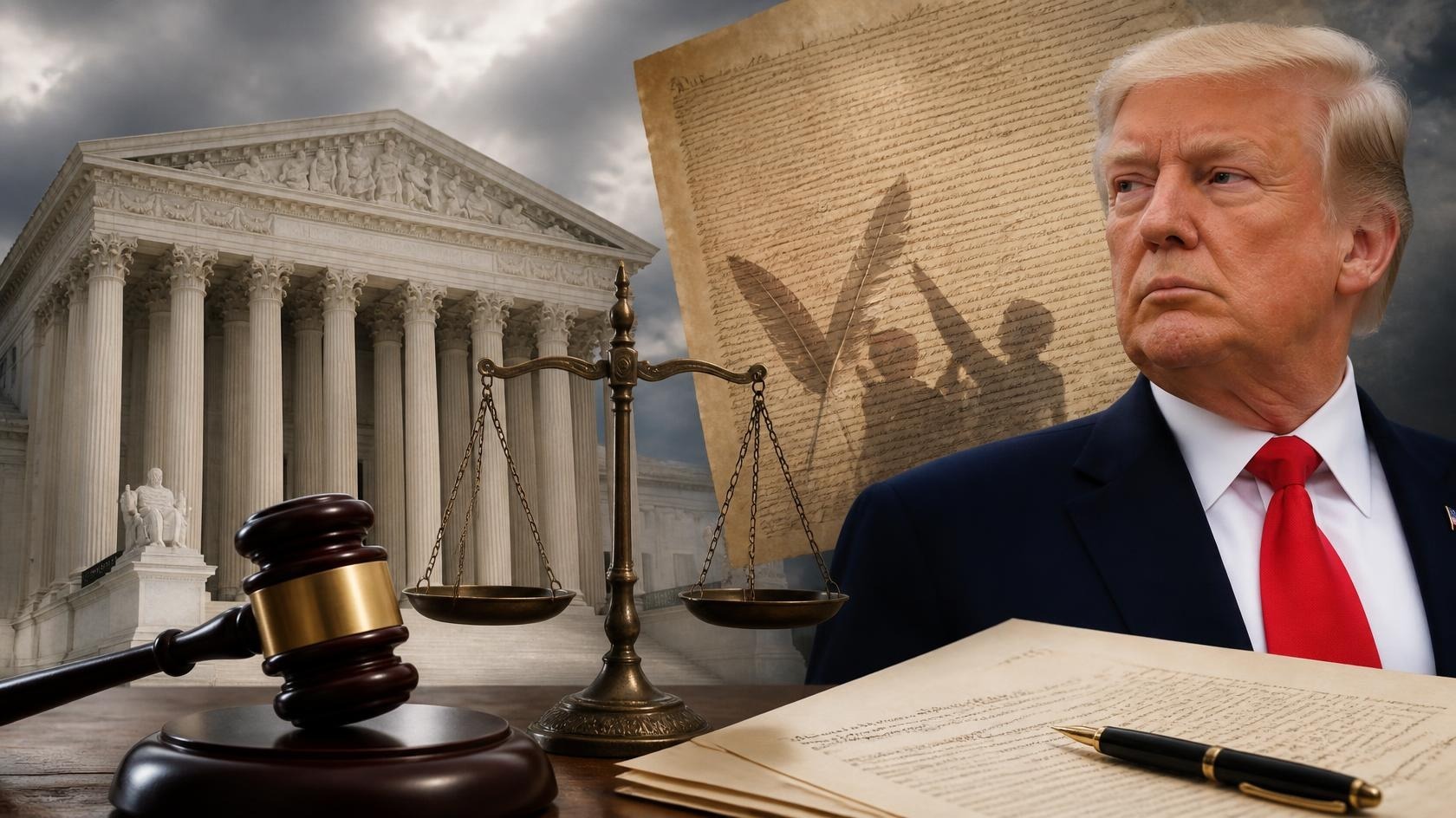
The conflict between the White House and the American press escalated dramatically when President Donald Trump revoked press credentials and barred journalists from CNN, MS NOW, and Politico from entering White House grounds. Citing objections to critical reporting and labeling the organizations as purveyors of “fake news,” the administration’s actions triggered an immediate and widespread crisis over First Amendment rights, government accountability, and the future of independent journalism.
The Ban and Immediate Legal Action
The directive began as an announcement on social media before Secret Service agents physically confiscated hard passes and turned away reporters and photographers attempting to enter the complex. Legal experts and press freedom advocates, including the Reporters Committee for Freedom of the Press, immediately denounced the move as an unconstitutional retaliation against protected speech. In response, the affected organizations—CNN, MS NOW, and Politico—filed a joint federal lawsuit challenging the censorship and seeking an immediate restoration of access.
Broadcast Boycotts, Complicity, and the LGBTQ+ Press Dilemma
The fallout rippled quickly through the entire White House press corps. In an unprecedented display of solidarity, major television networks—including ABC, CBS, NBC, CNN, and Fox News—announced a joint suspension of their rotation in the White House TV press pool, refusing to provide camera crews or video feeds for presidential events.
However, the handling of the pool rotation revealed a deeply painful contradiction within the press corps—particularly regarding independent and community-specific outlets. While major legacy networks took a unified stand, print and digital reporting pools fractured. The Washington Blade, a historic D.C.-based LGBTQ+ newspaper founded in 1969, continued serving as part of the print pool rotation alongside conservative outlets like The Daily Caller, filing dispatches on presidential activities while mainstream solidarity crumbled.
For many within the community, it is deeply distasteful to watch an LGBTQIA+ print publication participate in a White House press pool that ignores the unified stance of major legacy outlets. More critically, it raises an unavoidable question for every independent queer newsroom: How can any LGBTQIA+ print and digital outlet justify occupying a seat in a room that normalizes an administration attacking our rights, our healthcare, and our very existence every single day? Playing stenographer to power while basic community survival is under relentless assault is a profound betrayal of the independent ethos.
Administration Defense and Broader Implications
Defending the administration’s stance, officials argued that physical access to government facilities and press pools is a revocable privilege rather than an absolute right. Vice President JD Vance publicly backed the decision, claiming the barred networks produced overwhelmingly negative coverage and comparing their output to propaganda.
Conversely, press associations and First Amendment advocates warn that establishing a framework where a sitting president can selectively expel news organizations based on editorial viewpoint sets a dangerous, authoritarian precedent. As the legal battle heads to the courts, the ban fundamentally strains the mechanics of public information and forces independent media to choose between chasing access and standing unapologetically with the communities they were created to protect.