Save Ferris at Rumba Cafe: A Masterclass in Ska Punk Longevity
- Rainbow_Rocks
- August 19, 2026
- Editorial Features, Entertainment, I
- #ColumbusOhio, #DragIsArt, #IndependentJournalism, #LGBTQIA, #RainbowRocks, Ear Shot Media, LGBTQIA+, Monique Powell, Save Ferris
- 0 Comments
Written and Photographed by Independent News Reporter — Kyle Williams — Rainbow Rocks — RainbowRocks.space — August 19th, 2026
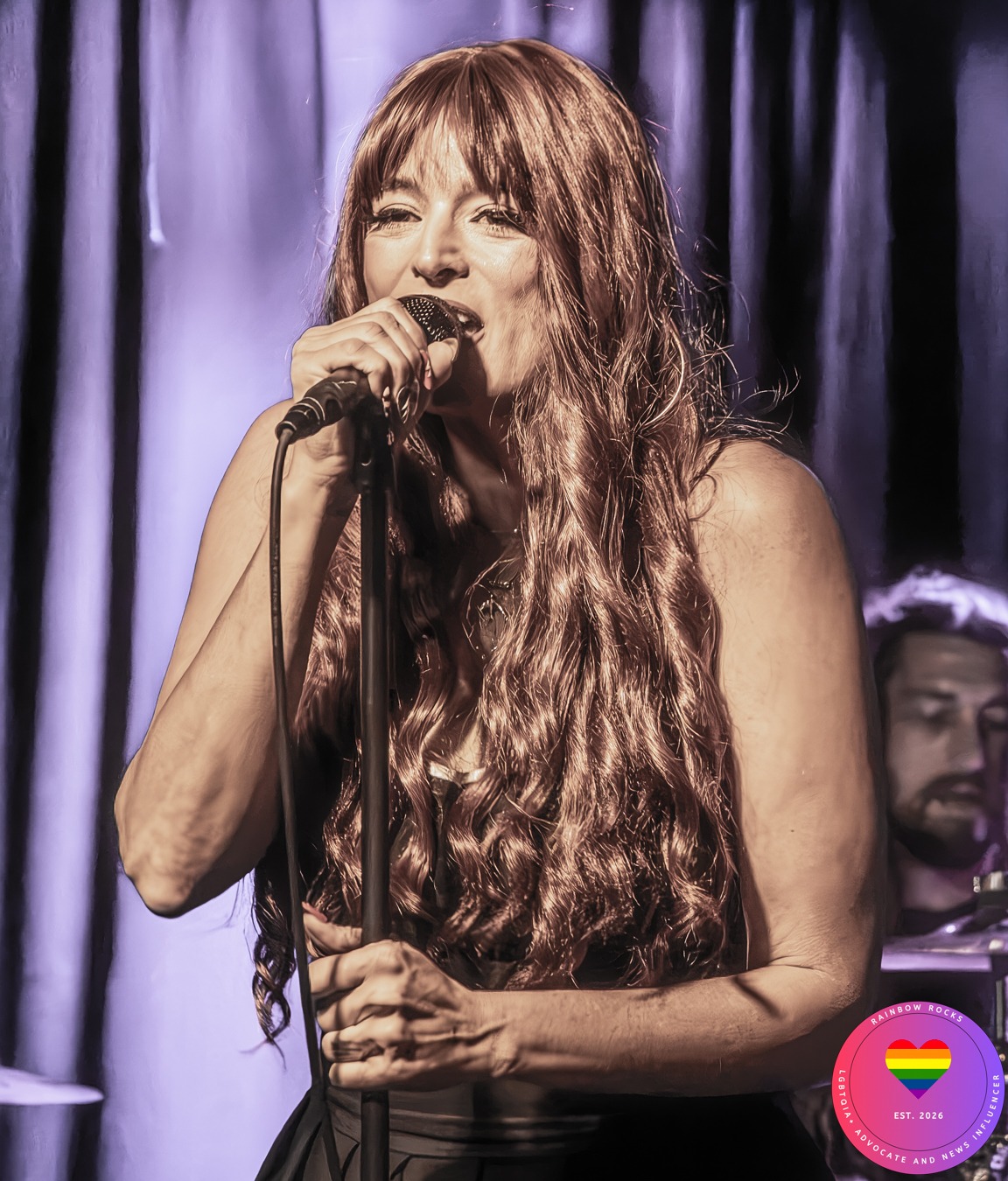
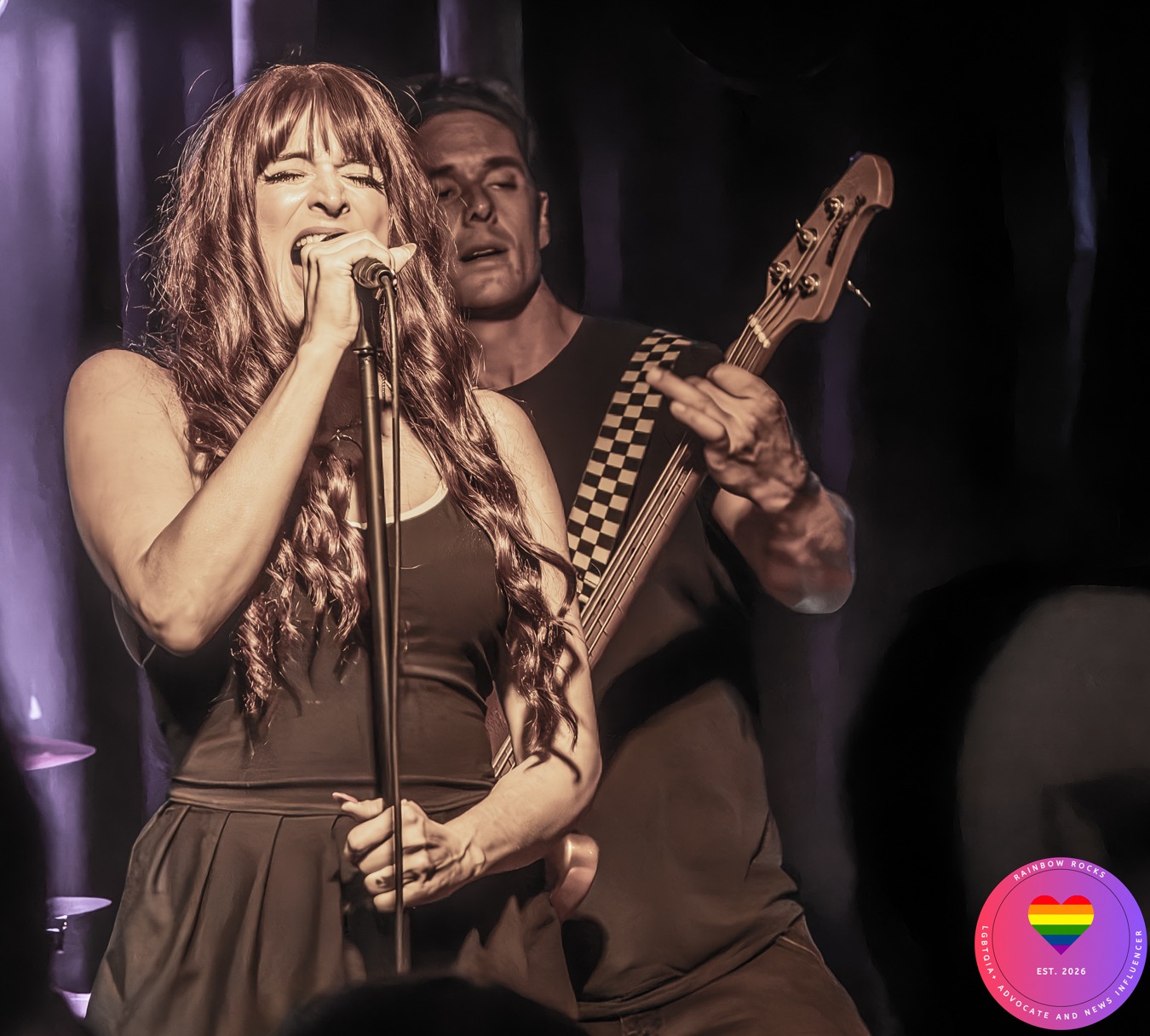
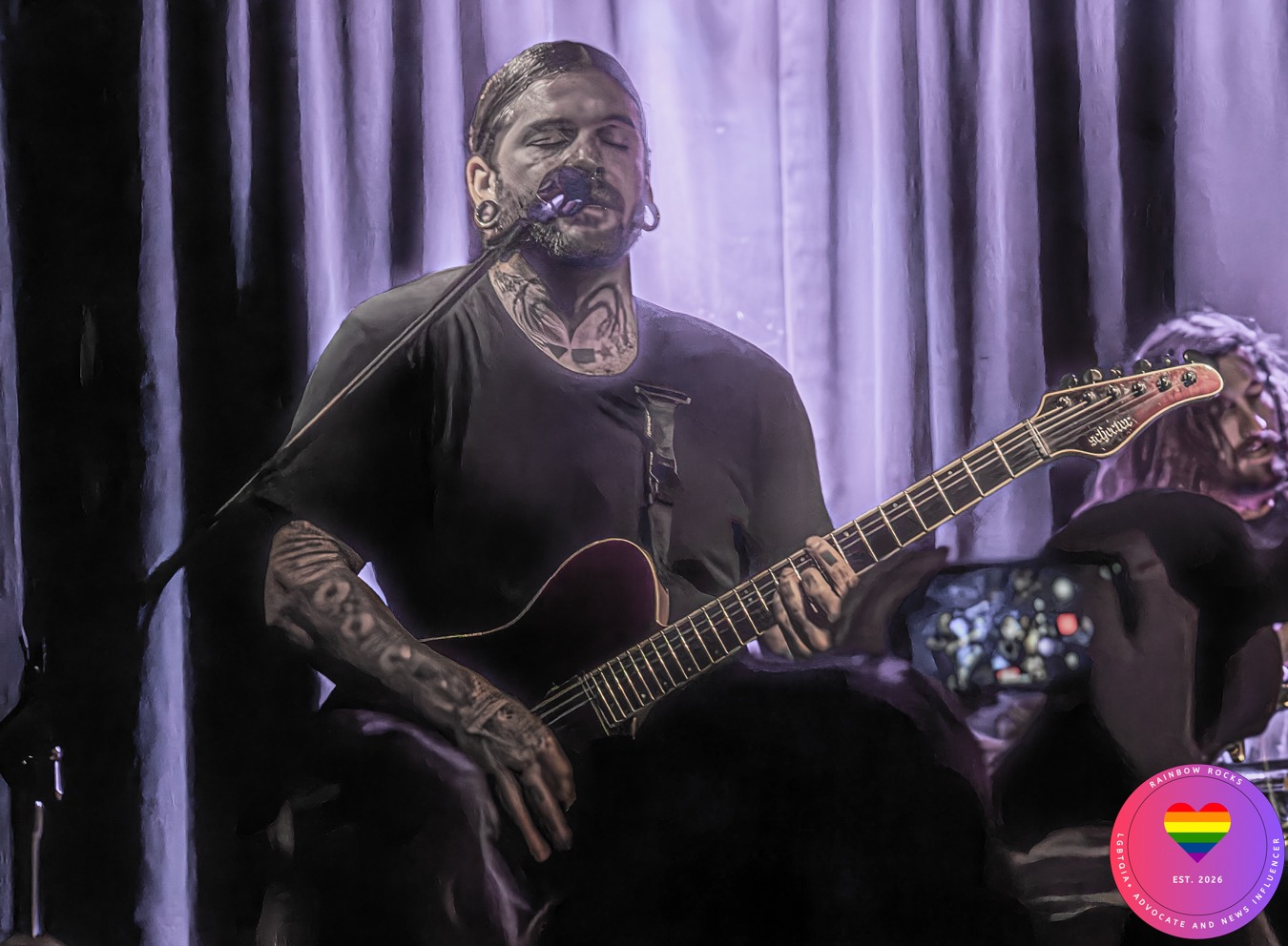
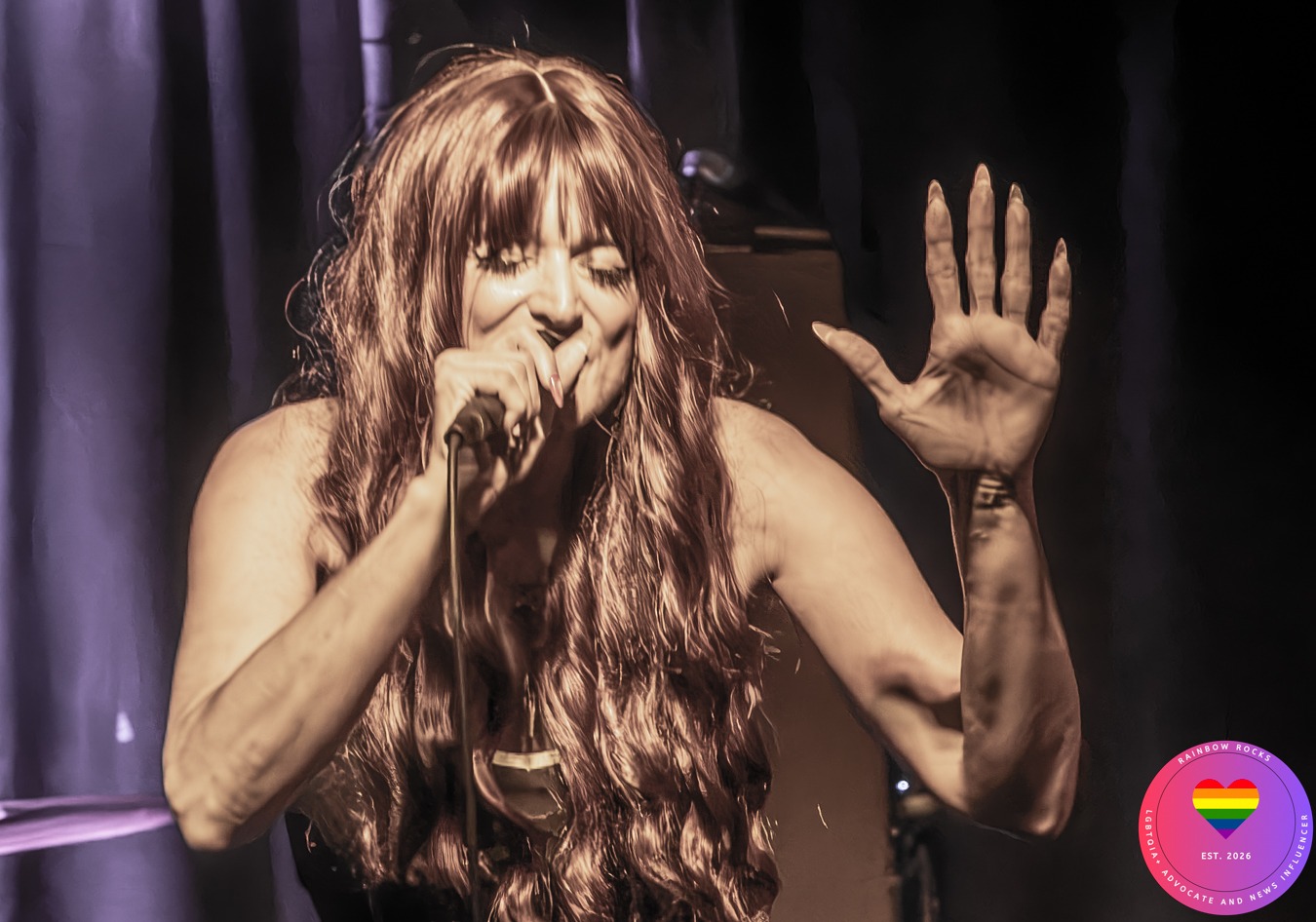
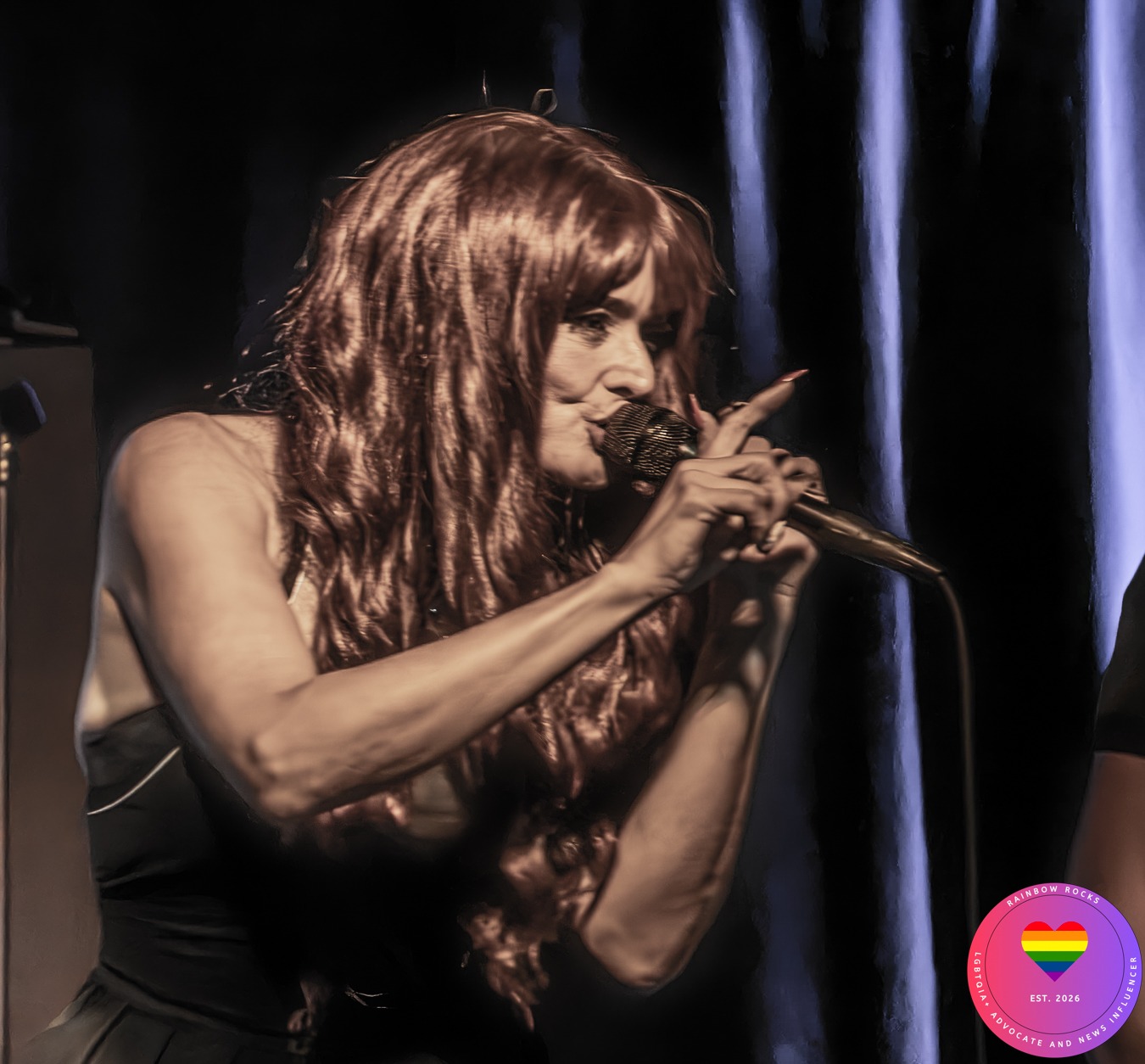
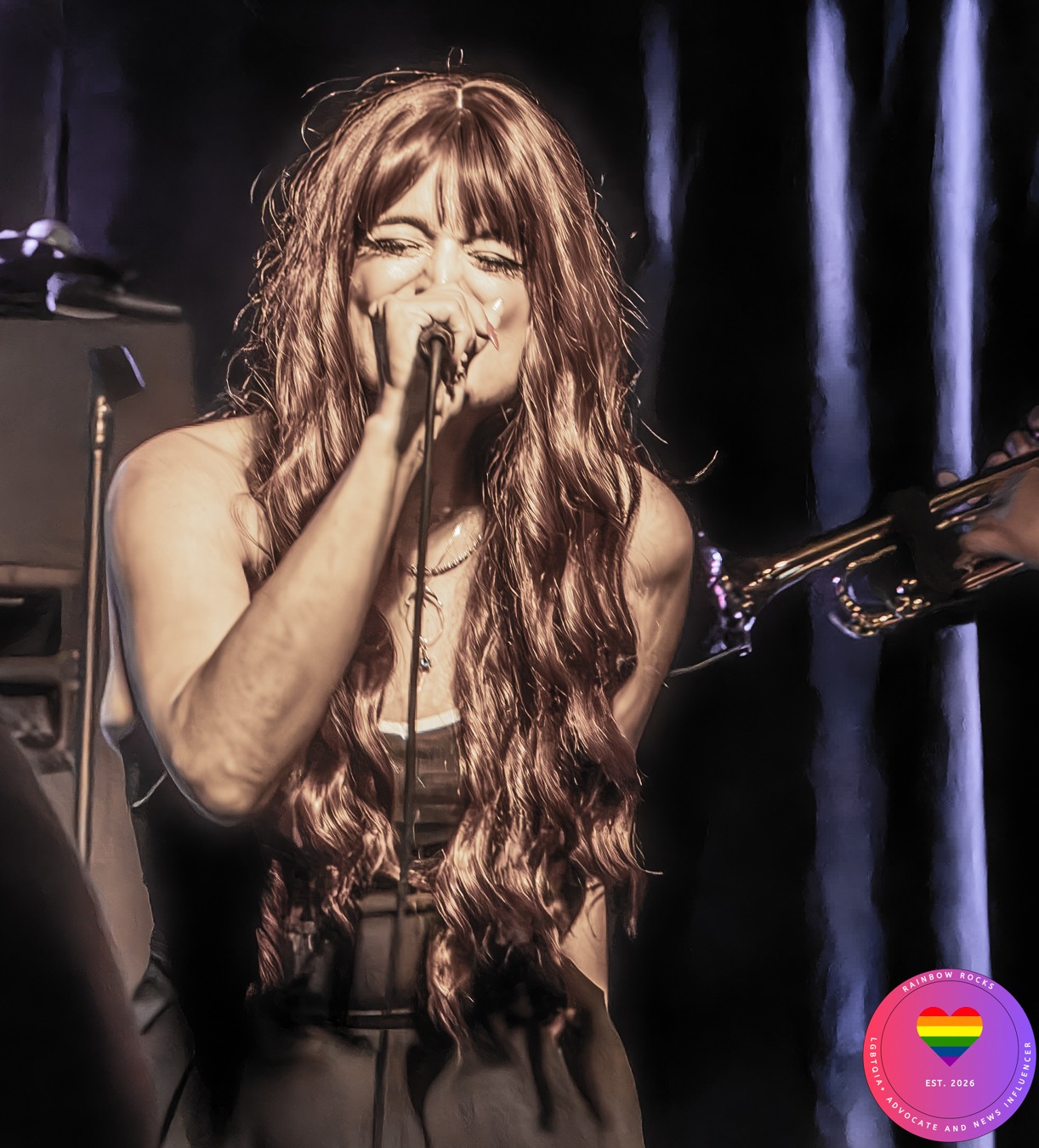
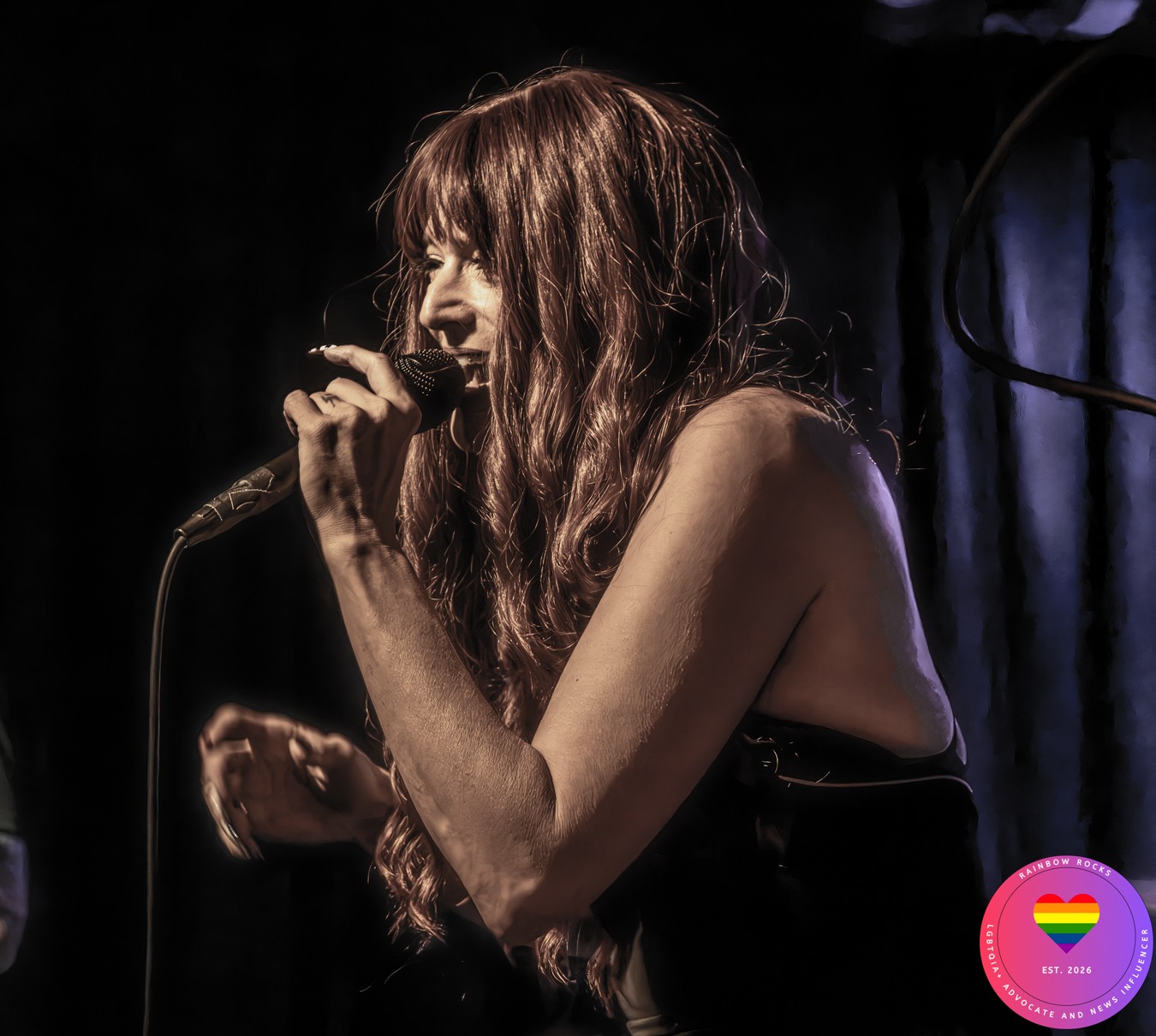
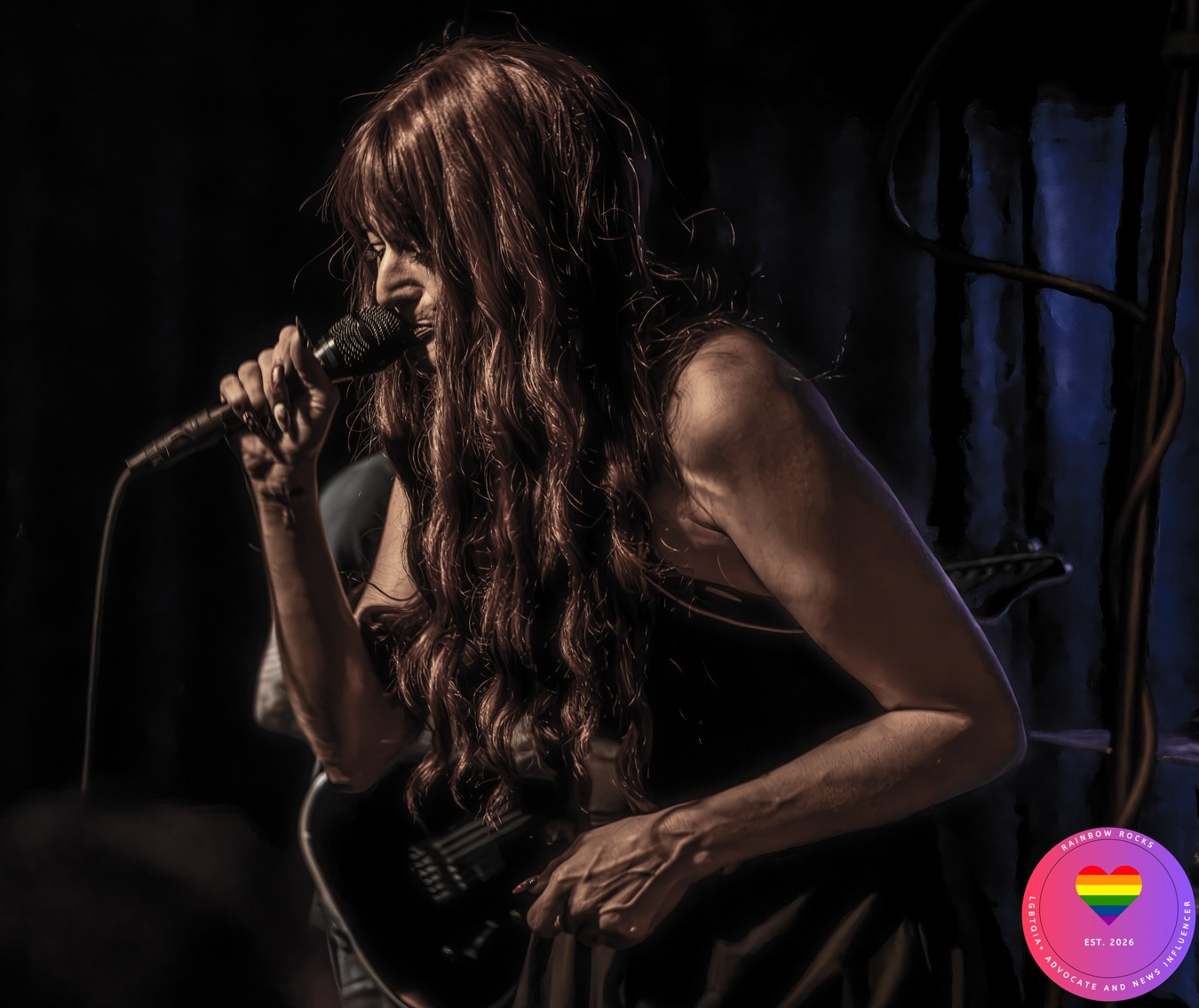
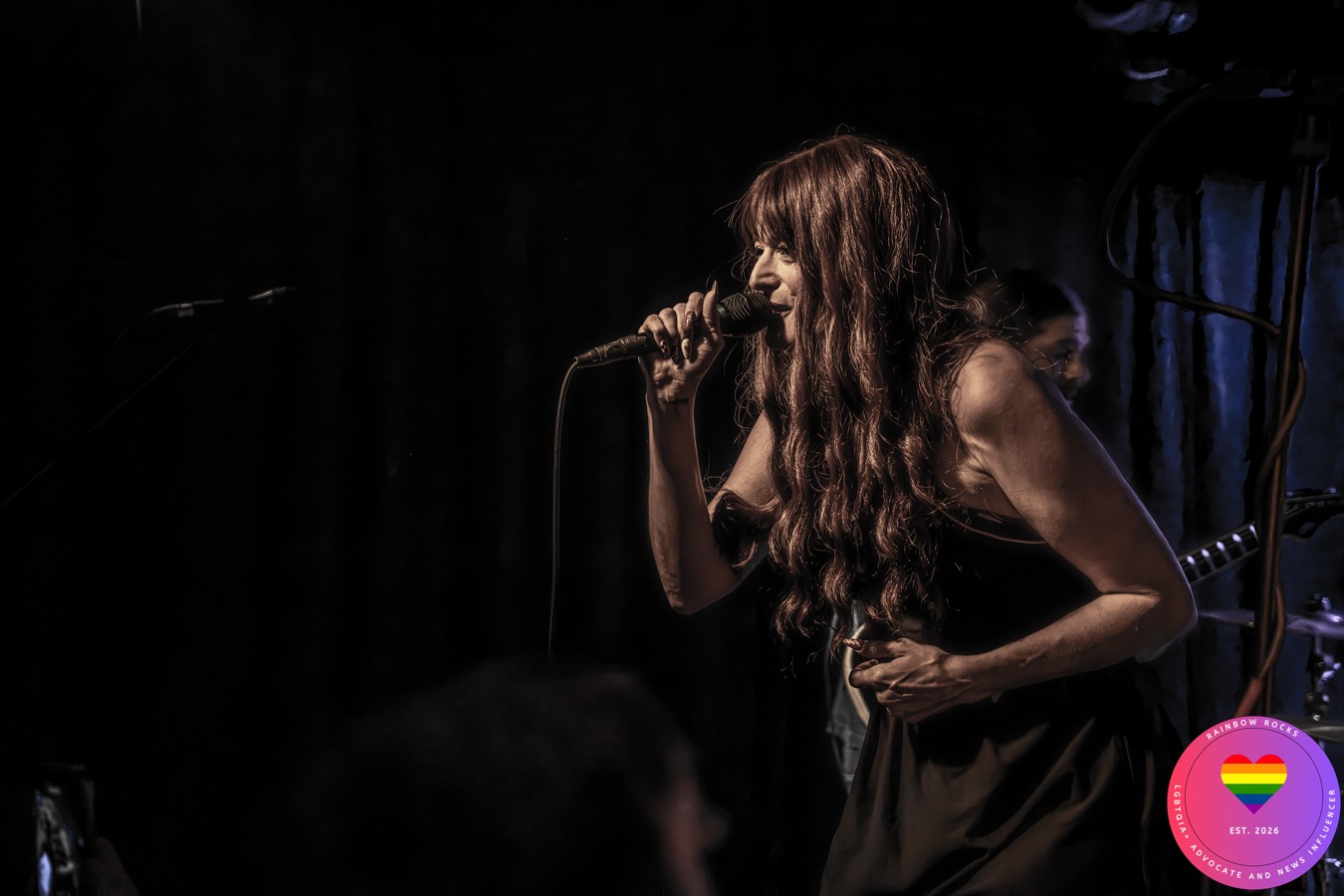
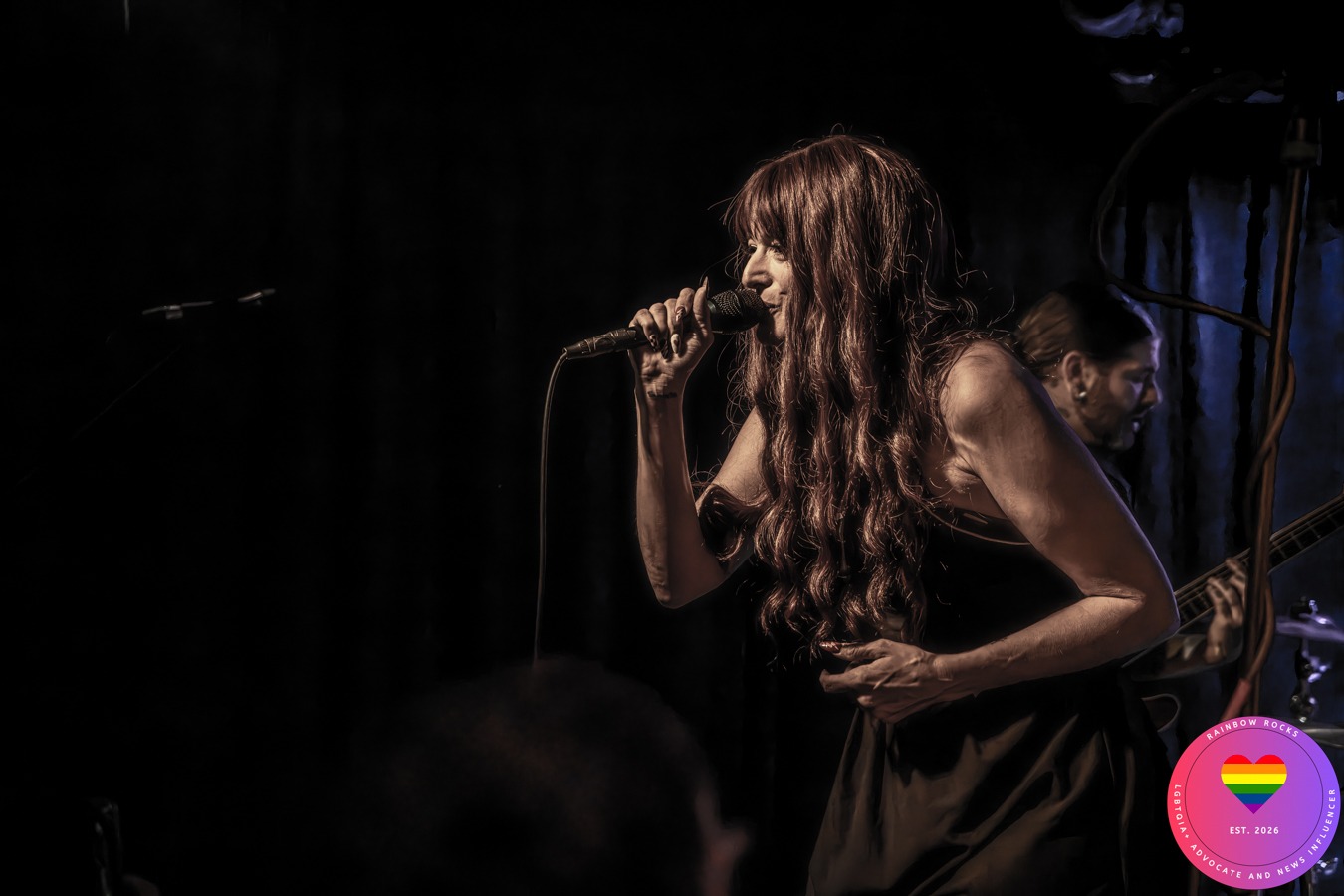
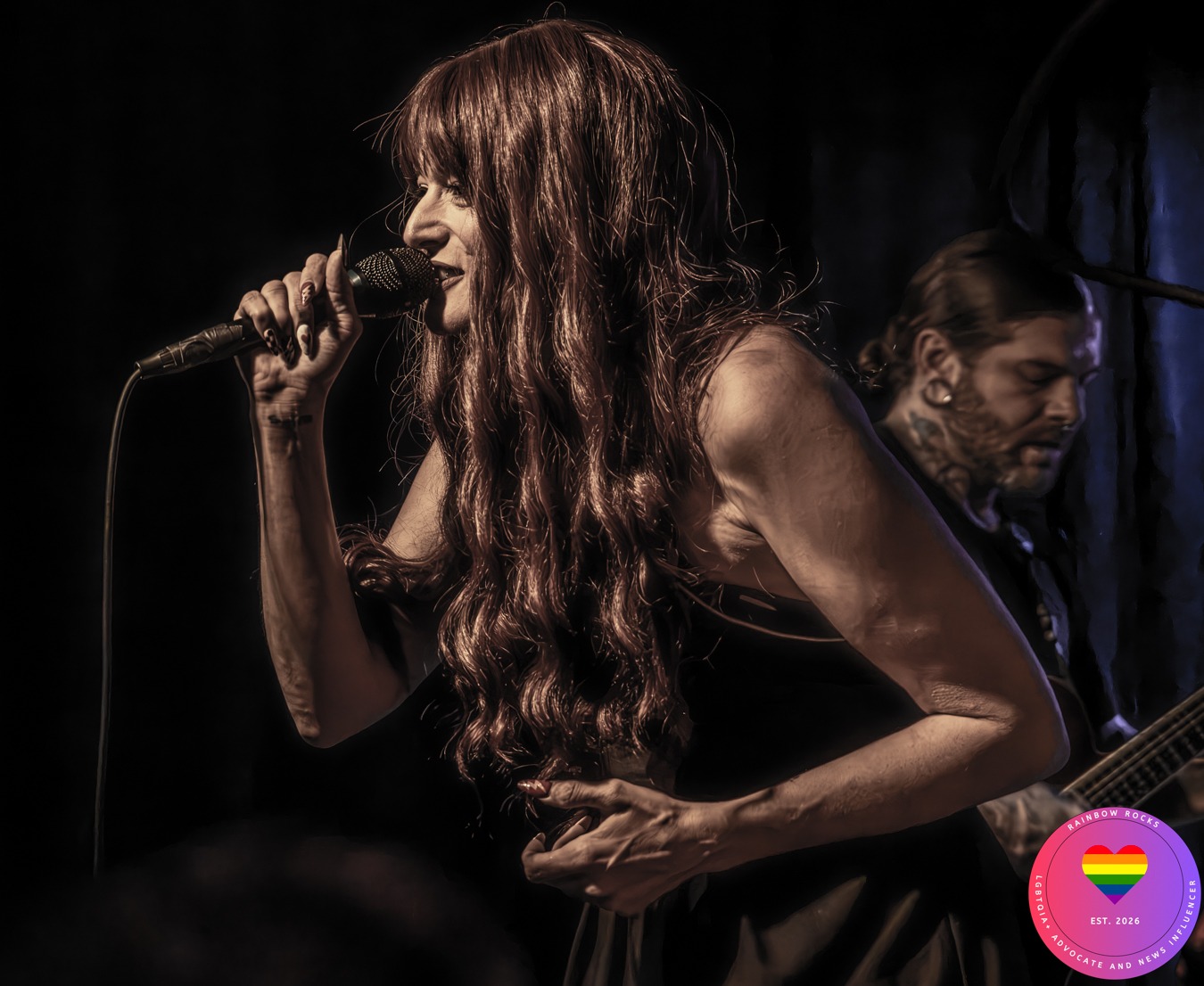
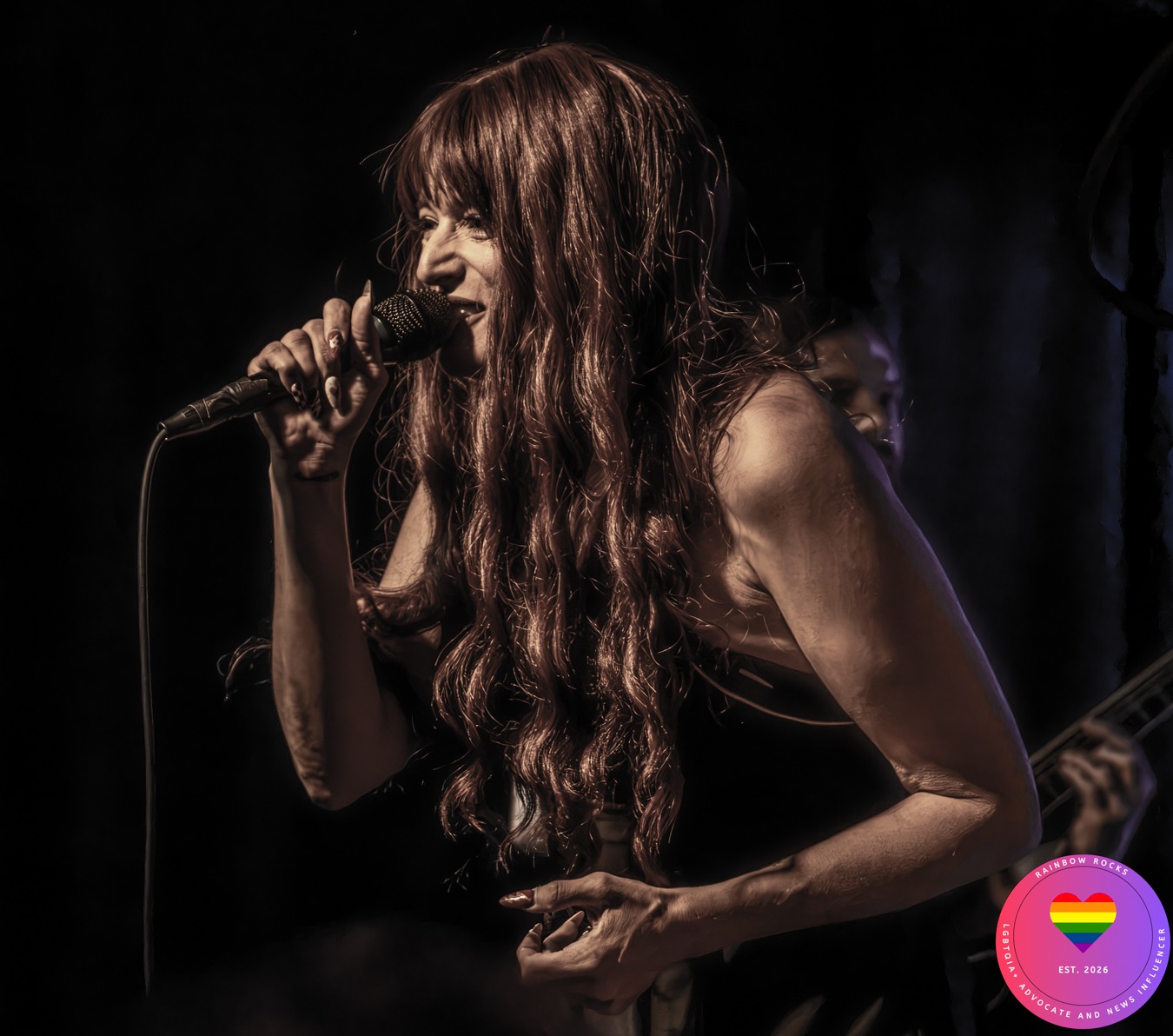
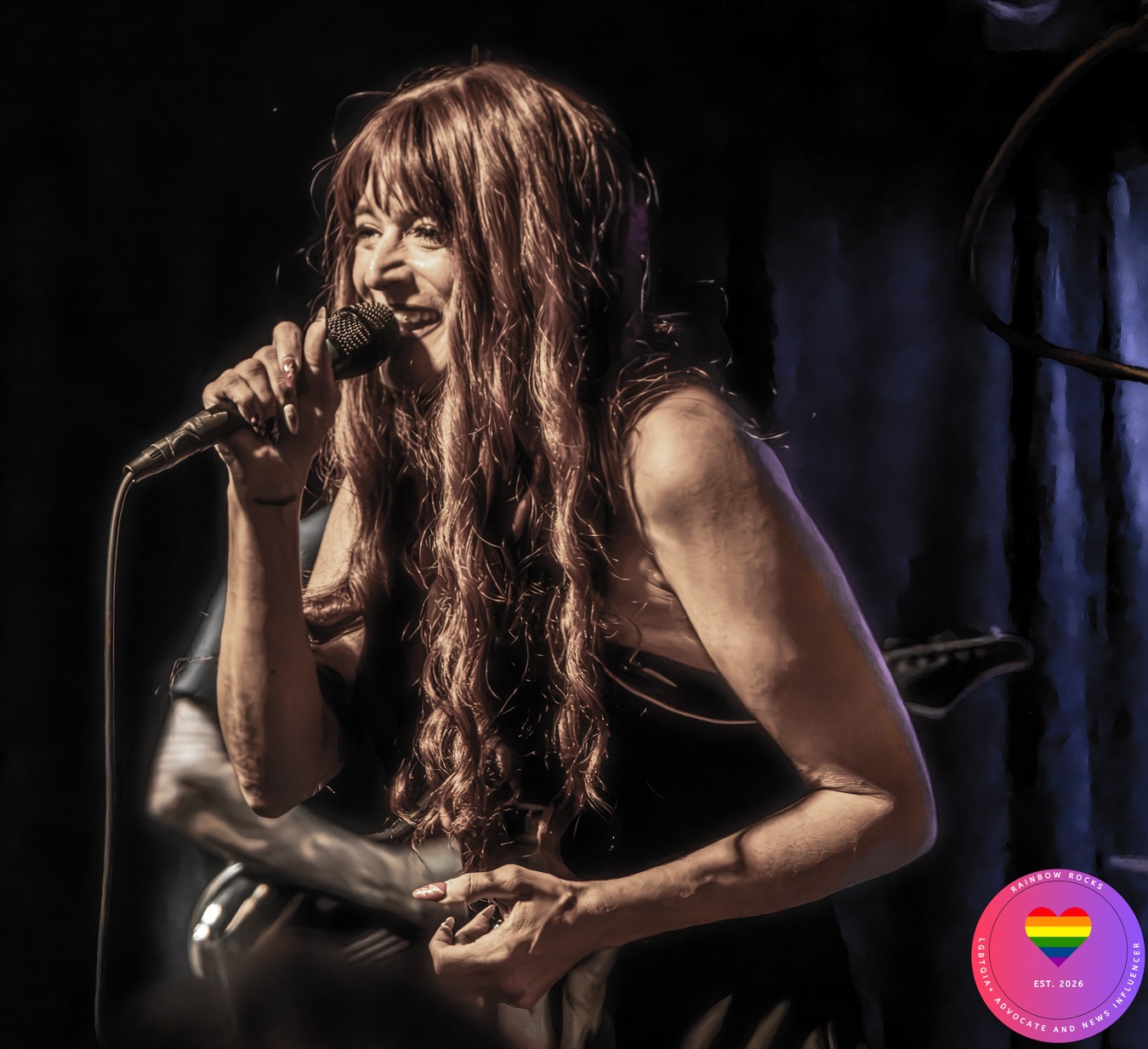
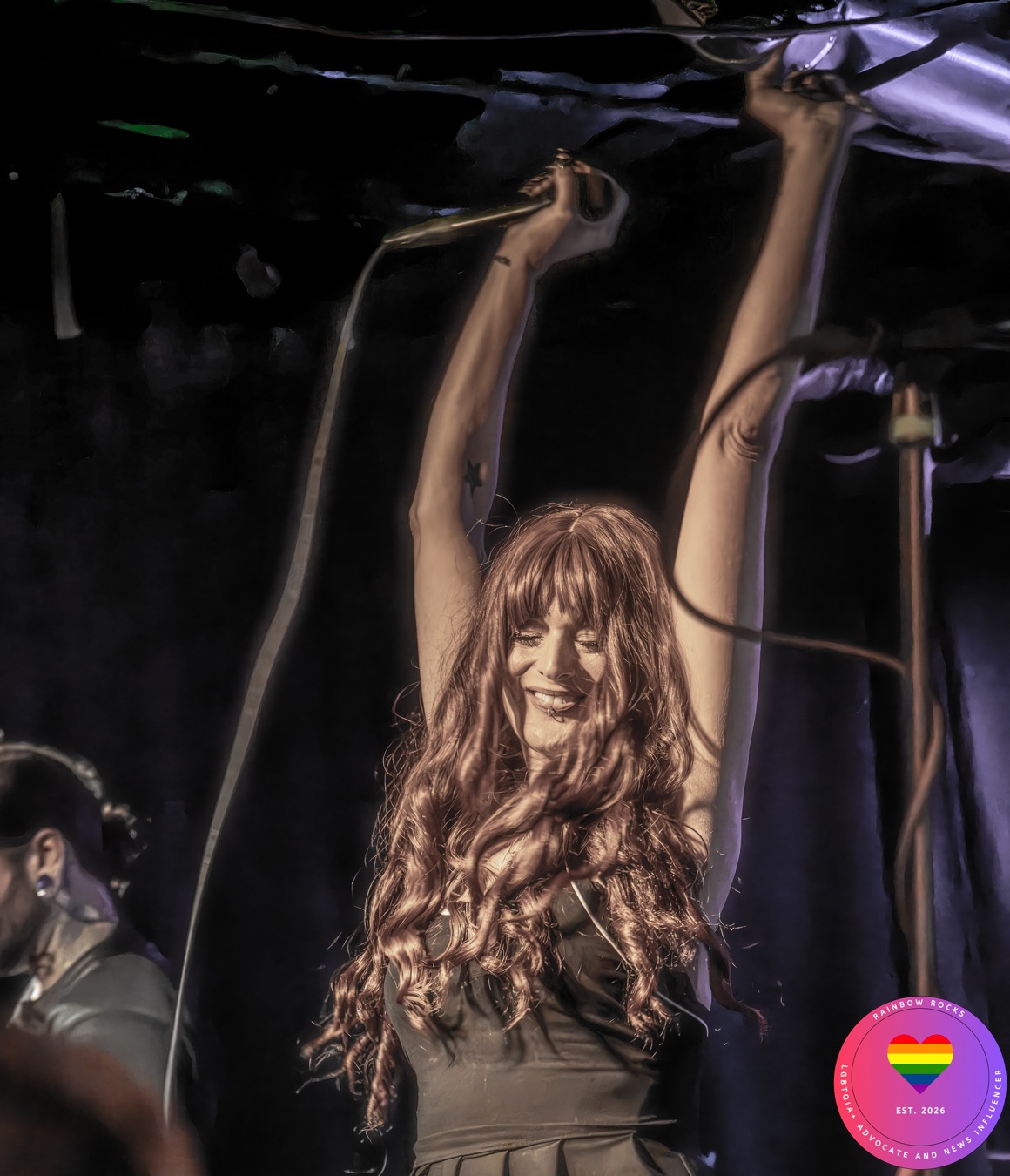
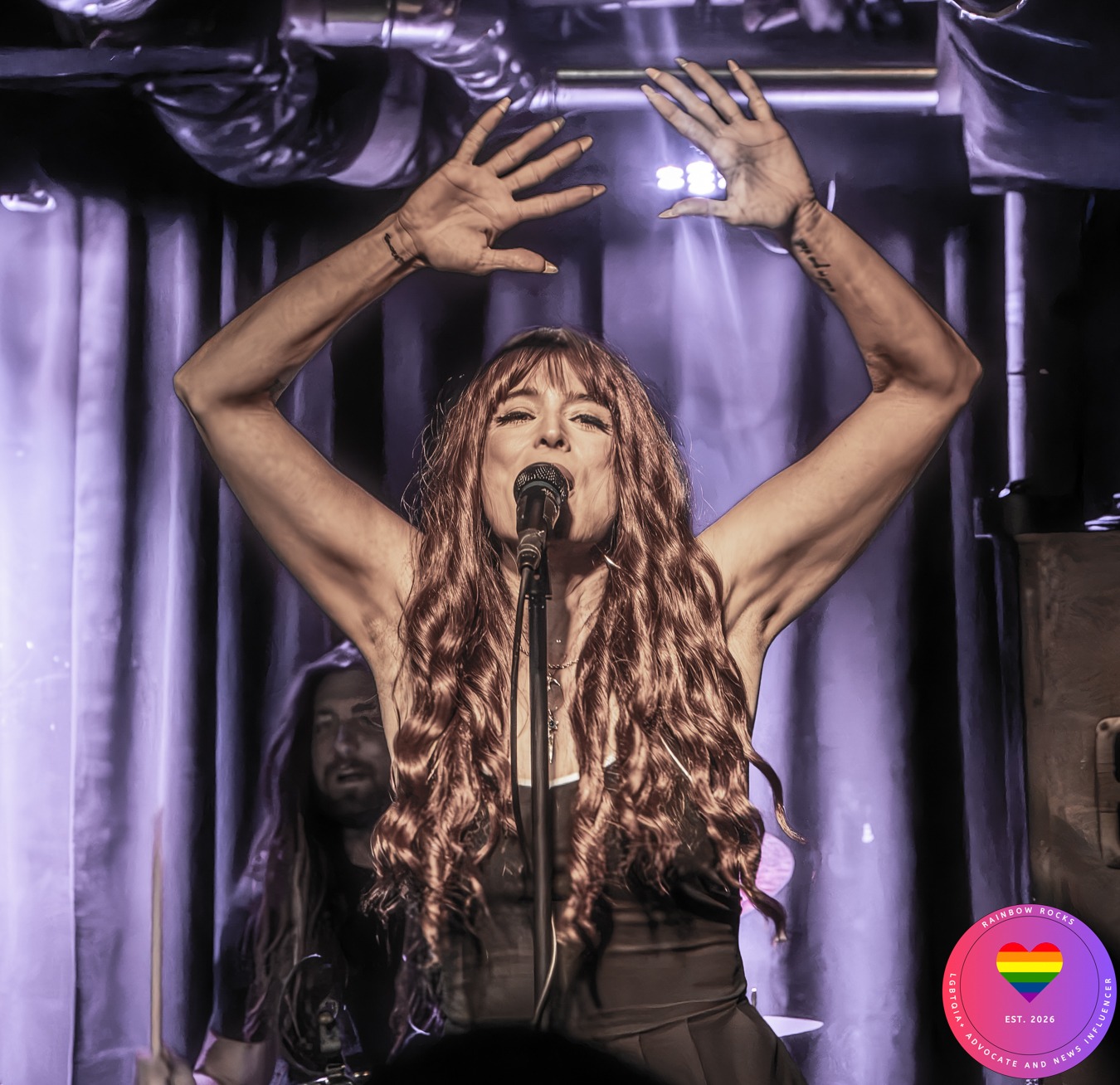
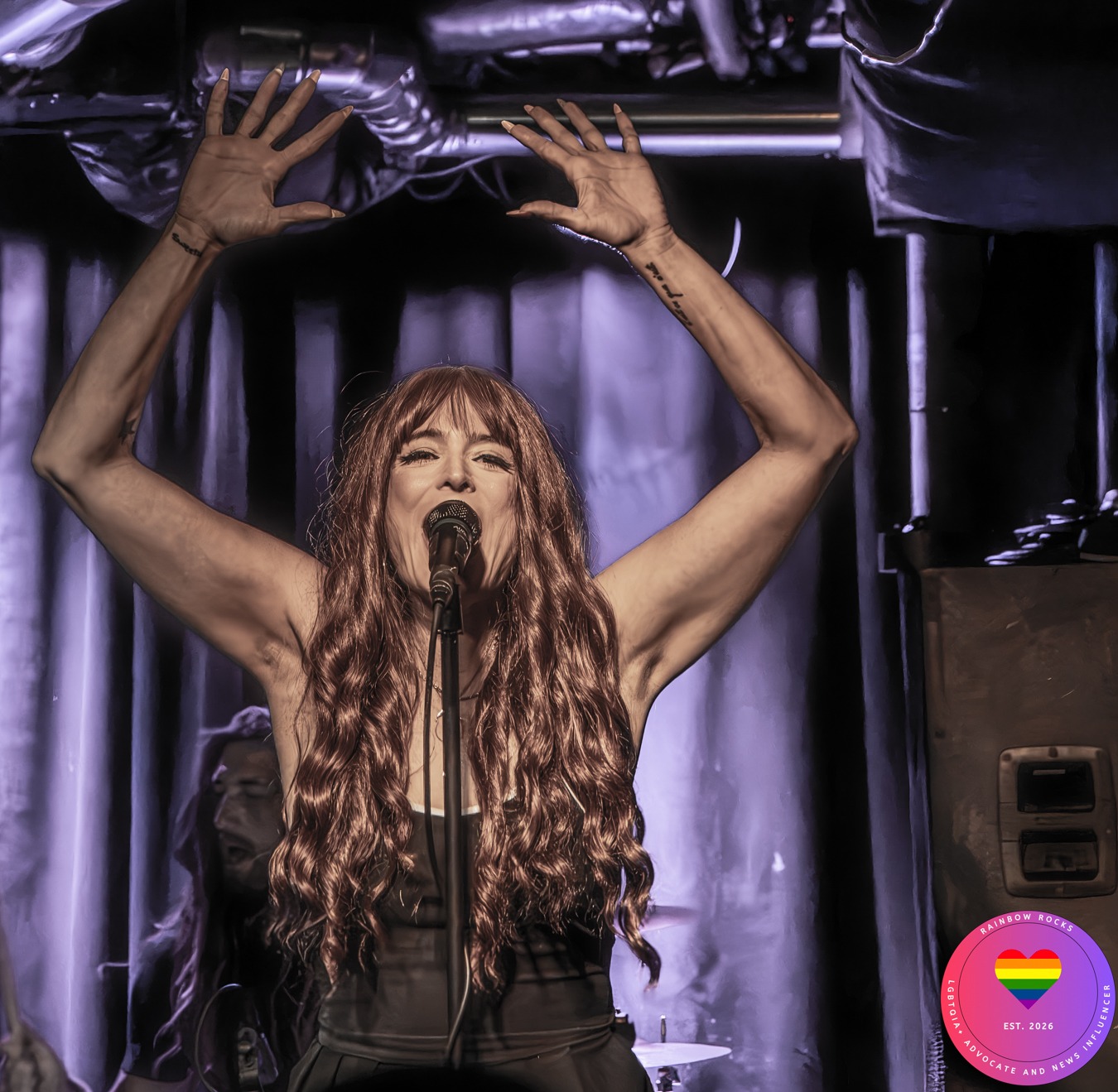
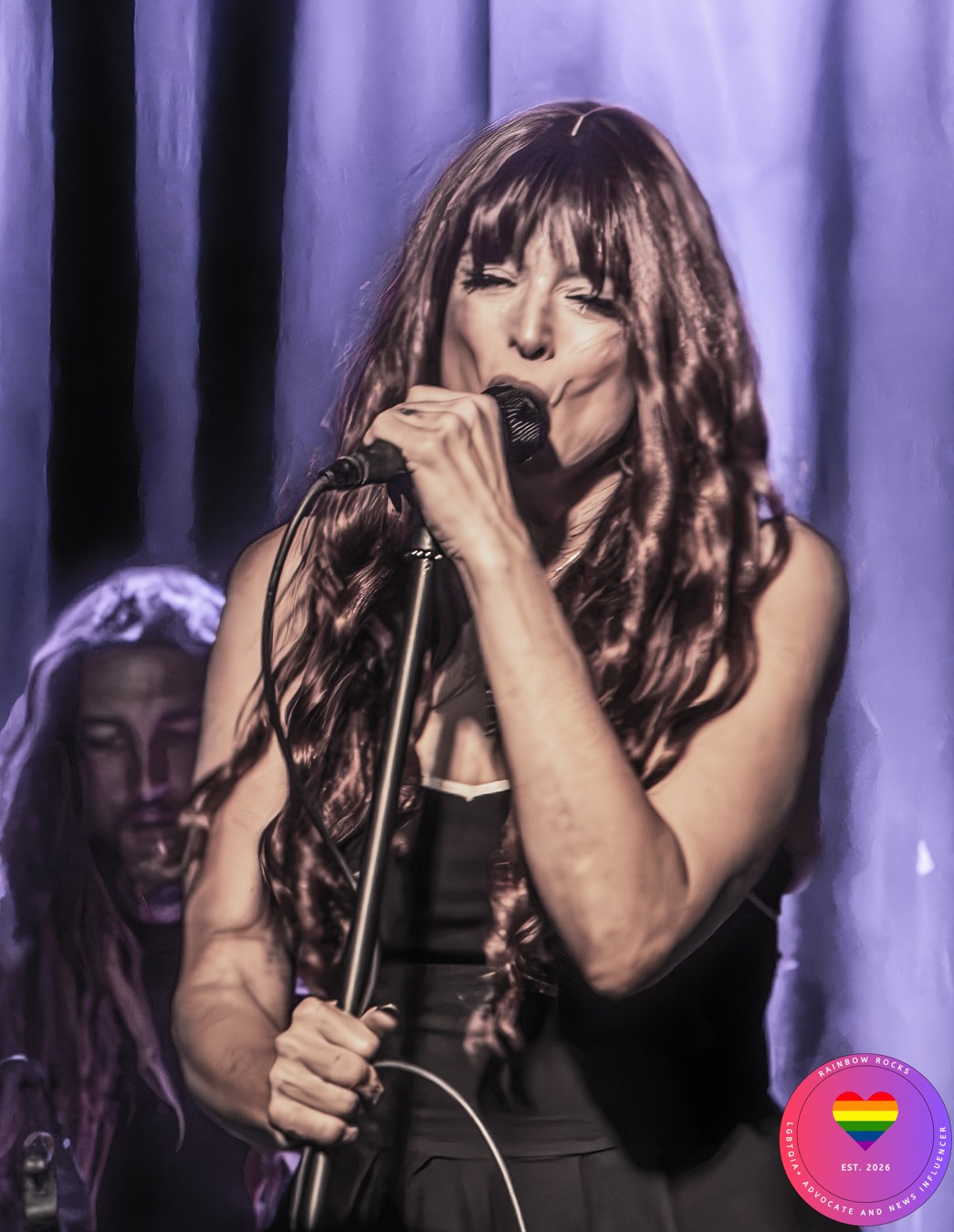
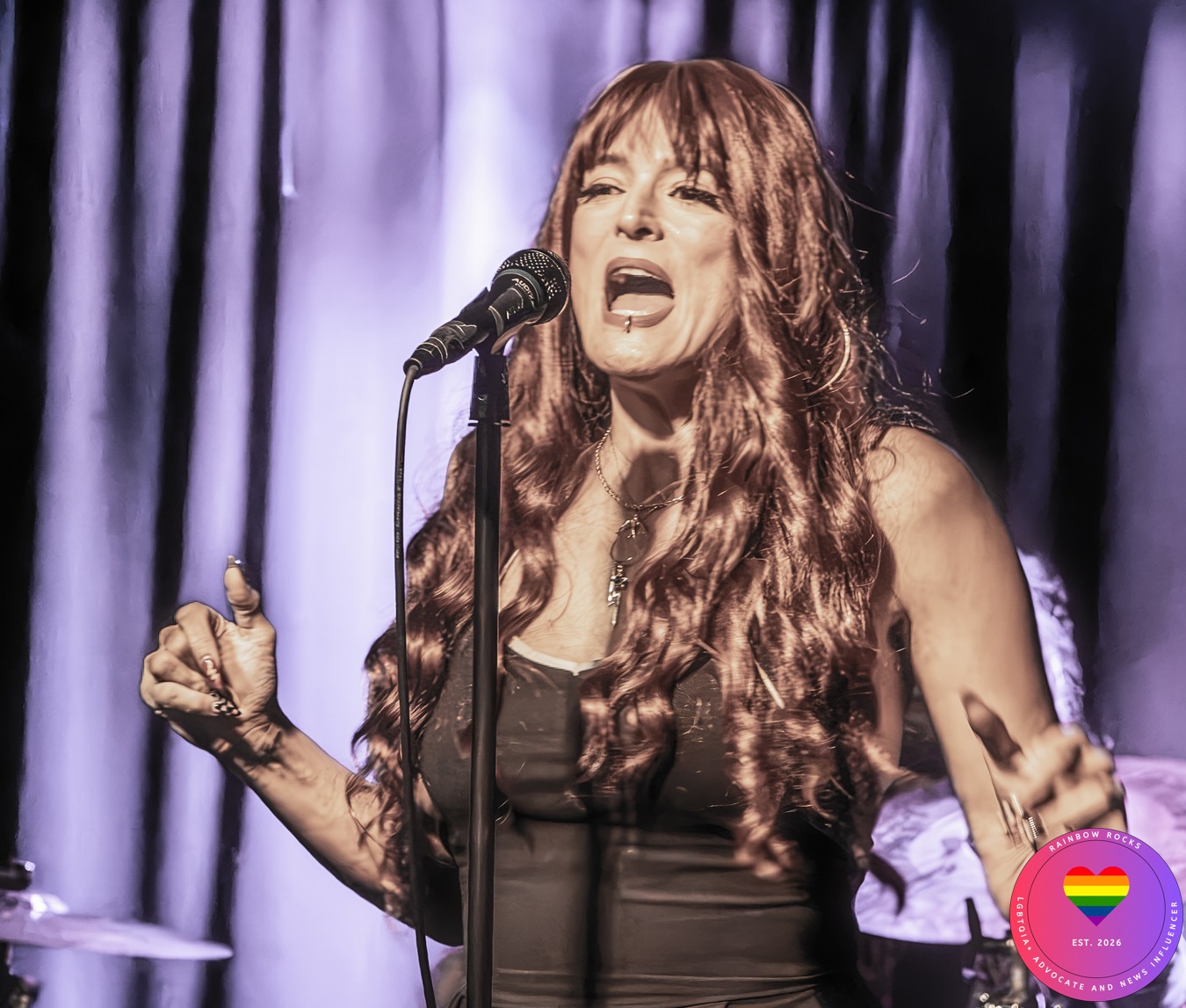
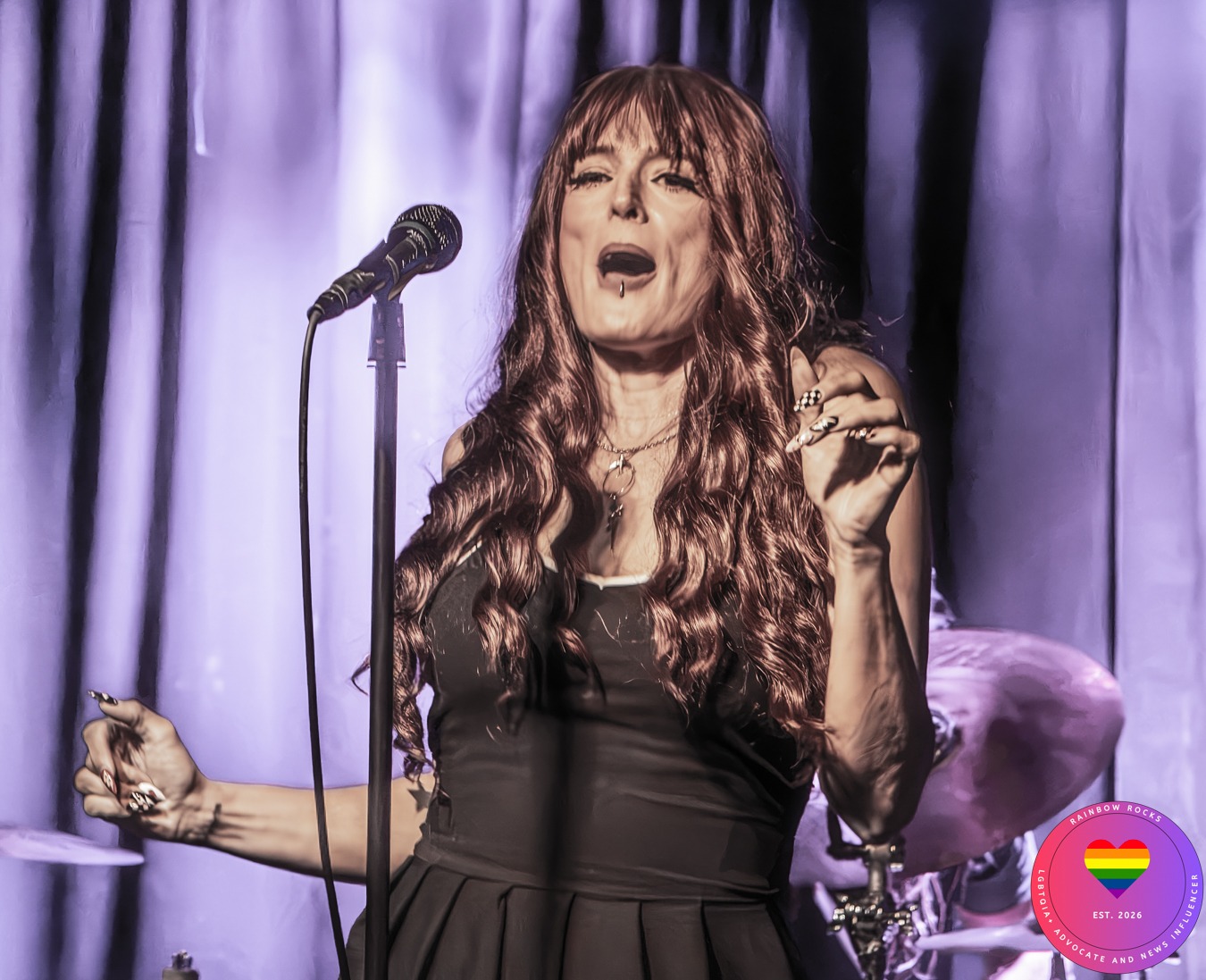
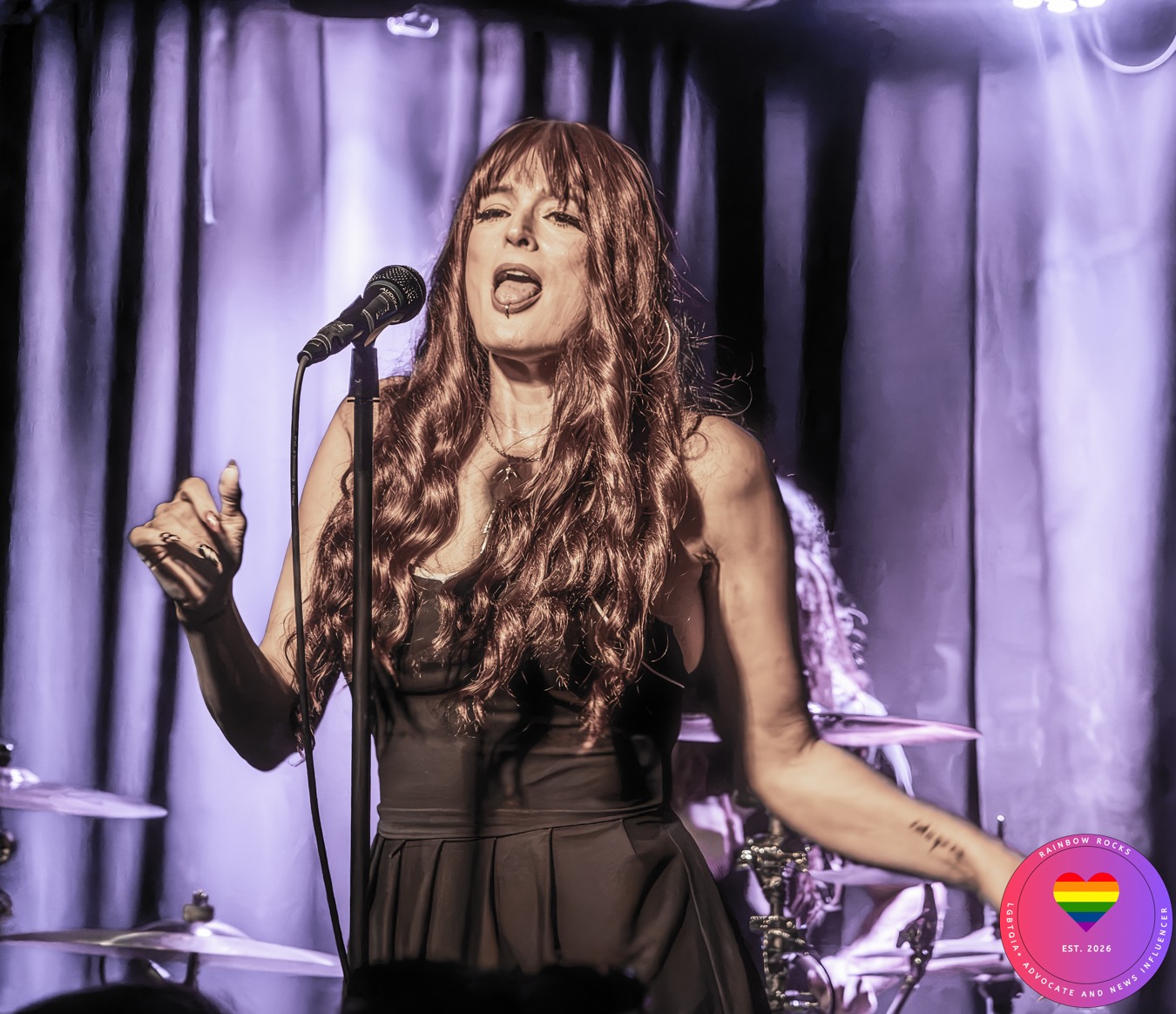
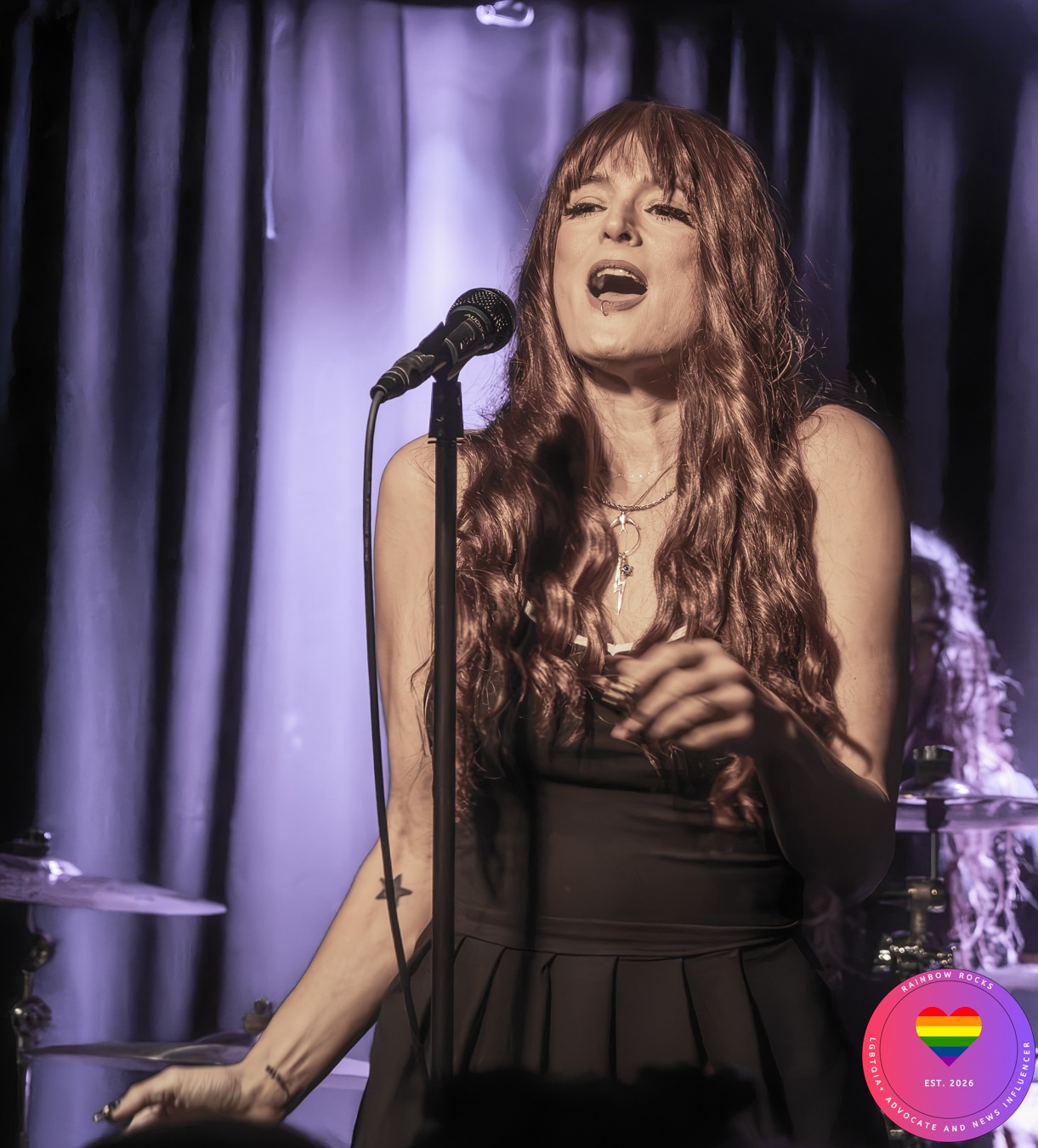
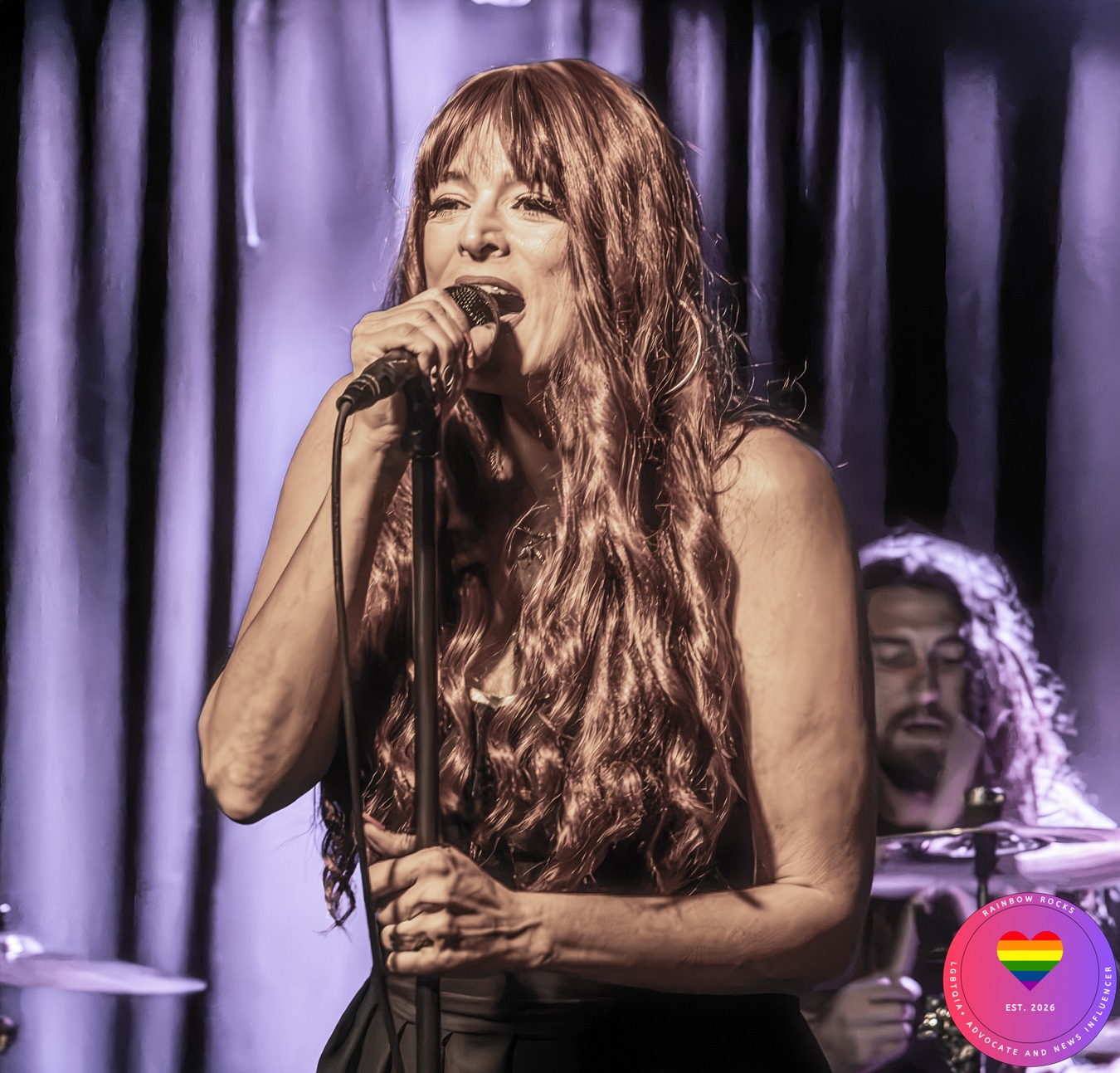
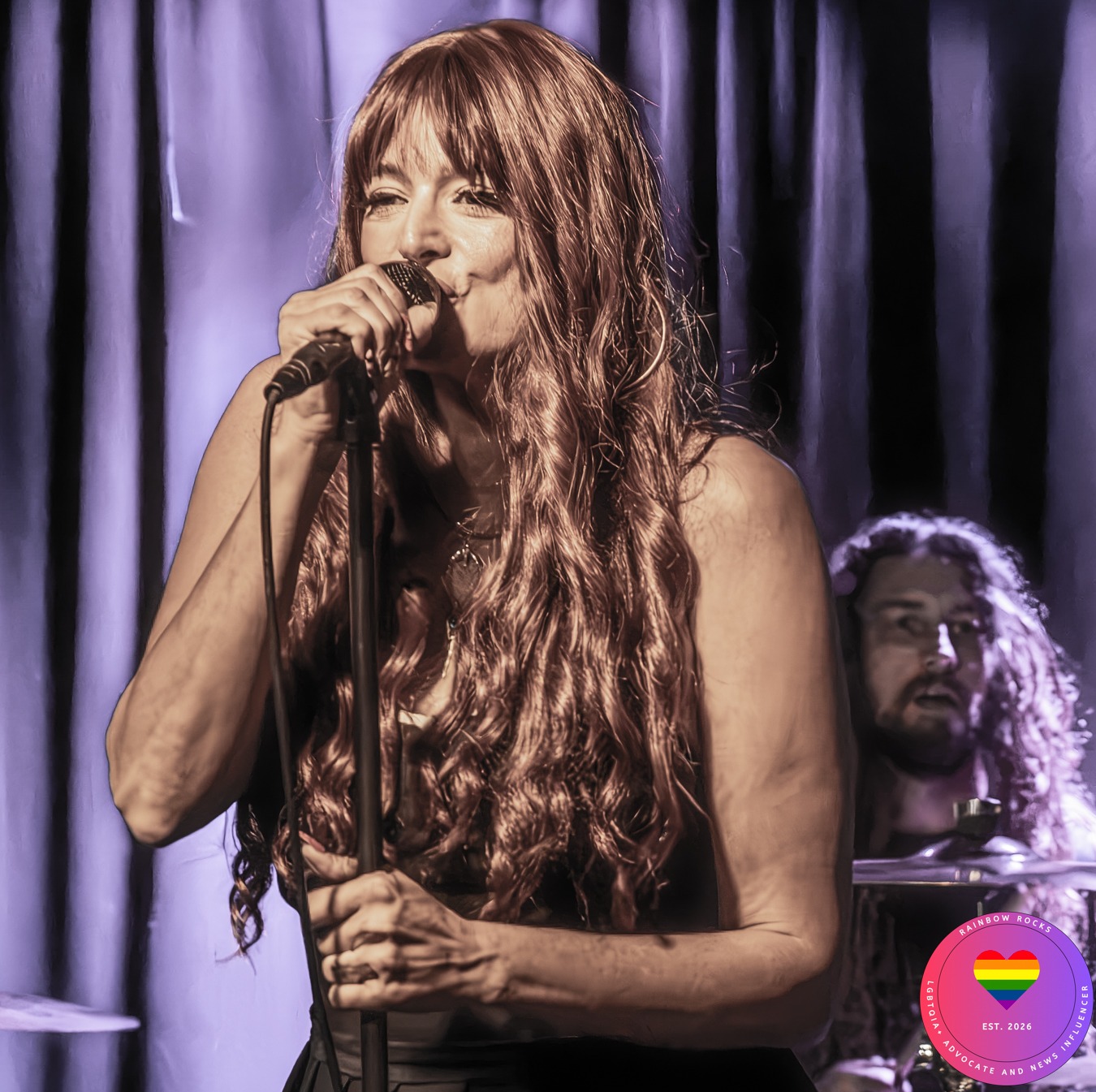
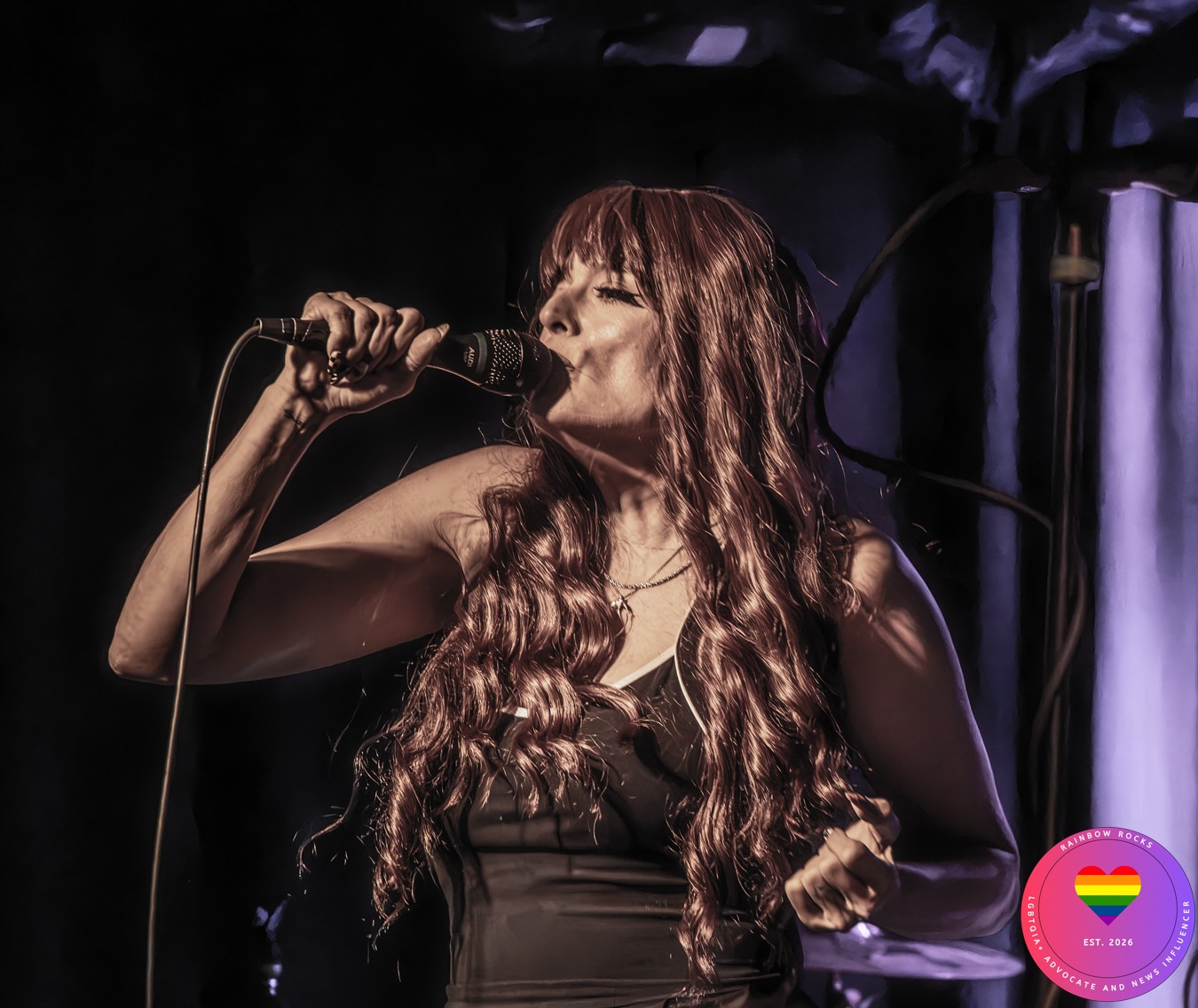
There are shows you attend, and then there are shows that utterly demolish any preconceived notions of what a live band can deliver. At Rumba Cafe, Save Ferris didn’t just play a gig—they set the room ablaze, proving beyond a shadow of a doubt why ska punk remains an indomitable force.
Taking over Columbus’s premier inclusive dive bar, the band delivered a masterclass in stage presence, musicianship, and raw, unfiltered energy. For a packed house of devoted fans—affectionately known as “Saved Ferraris” ranting and raving about how incredible she is—the night was nothing short of a sanctuary of queer joy, acceptance, and punk rock solidarity.




Three Decades of Raw Power
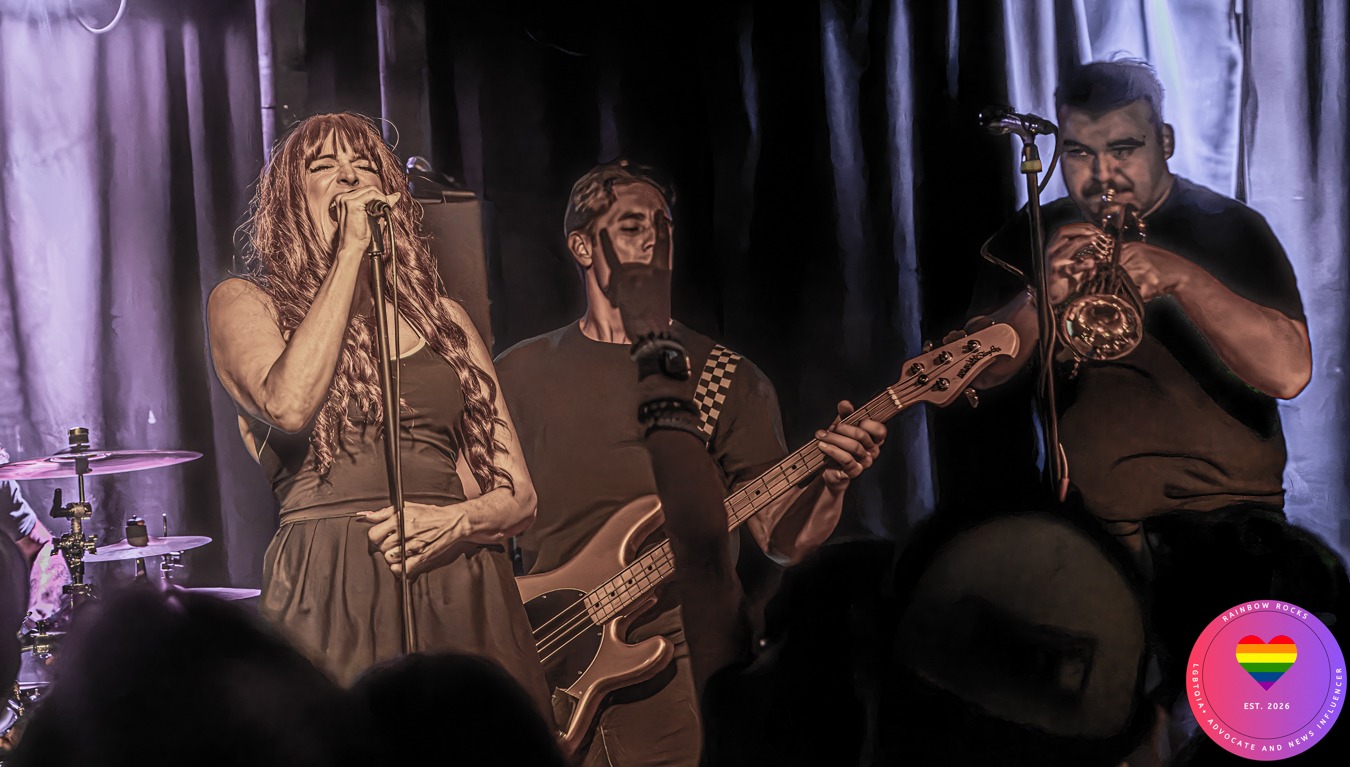
Longevity in the music industry is rare; maintaining peak, explosive relevance across three decades is practically unheard of. Yet, Save Ferris makes it look effortless. Frontwoman Monique Powell commands the stage with a fearless, magnetic intensity that welcomes every marginalized voice into the fold and leaves audiences entirely spellbound. Every track pulsed with the fierce vitality that launched the band into the stratosphere, updated with a modern, razor-sharp edge.
From the opening notes to the final encore, the venue transformed into a churning, joyful sea of bodies representing every letter of the LGBTQIA+ spectrum and beyond. The room erupted when Monique and Ben launched into “Spam,” leading the entire crowd in spelling out S-P-A-M at the top of their lungs—a euphoric, hilarious reminder that true best friends always stick together.
Just when the crowd thought they had caught their breath from the relentless sweat and euphoria, Save Ferris returned to the stage for an explosive encore that pushed the packed venue right back over the edge. It wasn’t just a trip down memory lane; it was a living, breathing testament to a powerhouse music career that fiercely champions authenticity, inclusion, and a damn good time.
The Rumba Cafe Experience
There is something profoundly special about witnessing a legendary national powerhouse inside an intimate, radically inclusive space like Rumba Cafe. Stripped of corporate pretense, the barrier between artist and audience vanished. The crowd was a swirling vortex of shared history, community, and safe, unadulterated queer punk joy.
- The Energy: Relentless, sweaty, and electrifying from the first second all the way through the final encore.
- The Atmosphere: A radically welcoming, high-octane sanctuary where everyone—regardless of identity—belonged completely.
- The Performance: Flawless execution paired with the raw emotional stakes that only true punk can deliver.
Outperforming countless stadium and national acts that have rolled through town this year, Save Ferris delivered hands down one of the absolute best live concert experiences of all year. Local or national, few acts possess the sheer sonic firepower to match what happened on that stage.
Dynamite Conversations
To cap off an already monumental evening, the post-show interview proved to be absolute dynamite. Candid, fierce, and deeply insightful, it captured the ethos of a band that has always stood shoulder-to-shoulder with outsiders, creating space for authentic self-expression.
Leading the Charge: Monique Powell on Music, Generational Shifts, and the Fight for Inclusion in Ohio
Bridging Generations: The Evolution of the Crowd
When you look out across the venue crowd at a Save Ferris show, you are witnessing a living bridge across decades of alternative music culture. Standing shoulder-to-shoulder are long-time fans who caught the wave back in the 1990s—when the band first burst onto the Southern California third-wave ska scene with high-octane energy and breakout alternative radio hits—right alongside a brand-new generation of young newcomers experiencing the raw energy of live independent music for the first time. For frontwoman Monique Powell, watching that demographic expansion unfold has been both surreal and profoundly rewarding.
Reflecting on the shifting faces in the audience, Powell shares:
“Our demographic has never been so broad. In the 90s, our demographic was kids that were our age and that was about it. But now, our demographic is kids that are my age and kids that are half my age. And it’s a trip to see it. It just makes me really happy.”
That multi-generational connection proves that the core ethos of alternative rock—raw expression, anti-establishment grit, and emotional sanctuary—continues to resonate with anyone who has ever felt like an outsider.
Confronting the Past and Defining the Scene
Yet, building an inclusive space doesn’t mean ignoring the historical flaws of the alternative and punk scenes themselves. When asked whether the broader alternative landscape has traditionally been welcoming to everyone, Powell offers a refreshingly blunt and honest assessment:
“I don’t think that my scene has been very inclusive in the past. Not even. I don’t think so. And I don’t think that they ever took me seriously as a woman, to be honest. And so, for me, I feel like our scene’s kind of different. Our scene is sort of like, show up, be yourself—whoever that is—and leave with a sense of knowing that like, we love you exactly as you are, no matter what.”
That commitment to making spaces genuinely open, safe, and welcoming is more critical now than ever, particularly against the backdrop of an increasingly tense political climate sweeping across the nation and hitting the state level hard.
The Shadow of Legislation: Fighting for Civil Liberties in Ohio
That need for safe spaces has taken on an unprecedented urgency given the current political climate, particularly within the state of Ohio. The conversation turns toward sweeping legislative actions—such as House Bill 249, the heavily debated bill targeting public gender expression, drag performance, and individual identity markers under updated exposure laws.
When discussing how these sweeping legal and political shifts impact the state’s residents, artists, and queer communities, Powell emphasizes the profound human toll and economic danger of legislating identity:
“It’s definitely going to affect the community here. They’re going to lose at least 25% of the community because people are going to be like, ‘I don’t want to be paying taxes to a state that criminalizes a person’s birthright.’ We have the right to be who we want to be.”
The legislative overreach doesn’t stop at personal autonomy; it threatens the entire cultural and economic ecosystem of the state. Independent music venues, queer-friendly spaces, and local creative hubs face a chilling environment where state-sanctioned policing threatens to erode decades of progress.
Powell warns of how this transforms Ohio’s image on a national scale:
“Nobody’s going to be coming to Ohio to go to the Rock and Roll Hall of Fame anymore, or to see the things about Ohio that could be beautiful. They’re just going to see it as ugly. Very ugly.”
Comparing these developments to similar restrictive legislative pushes in states like Florida—where appellate and supreme court battles have tested the boundaries of the First Amendment—highlights a broader, nationwide civil rights battle. For Powell, turning these issues into a First Amendment and human rights crisis is central to pushing back against state overreach.
Protecting the Venues and the Tribe
Independent venues and inclusive local spots are the lifeblood of regional music scenes. When political hostility threatens these spaces, the impact is devastating—not just for artists trying to tour, but for everyday people trying to make a living.
Discussing the economic pressures already squeezing everyday citizens—where inflation forces hard choices between basic necessities like groceries and the luxury of buying a concert ticket—Powell stresses how vital it is to keep independent venues alive:
“I don’t want to see venues go out of business anymore. Like, I don’t want to see them being shuttered. We’re losing so many of them because… people see art as a luxury and our economy is suffering, and the last thing they need to spend money on is groceries—all their money is going on bills. The last thing that they can do is like, purchase a ticket to a show. It’s already hard enough.”
Despite the exhaustion of navigating a hostile political climate and watching independent spaces struggle, the message to queer fans, allies, and anyone feeling silenced is clear: refuse to back down.
The Ultimate Tool: Music and Togetherness
For Save Ferris, the stage is more than a platform for playing music—it is an active vehicle for community defense and psychological sanctuary. Continuing to tour and connect with fans, Powell and the band use their art to foster unity.
Closing out the discussion with a message to anyone feeling weary of the political landscape, Powell encapsulates the band’s core mission:
“I’m just trying to create an atmosphere of inclusion and love for everybody. And I know it sounds cheesy, but, like, it’s the only tool that I have in my arsenal at this point. I go to the protests and I do what I can, but my greatest tool right now is this band, and that’s how I hope to be able to spread just a feeling of togetherness and awareness that we are all worthy of love and acceptance—all of us, however we feel today, we are worthy of that.”
Save Ferris at Rumba Cafe wasn’t just a concert. It was a statement. Ska punk isn’t just surviving—it is thriving, bleeding, and burning brighter than ever for every single one of us.