When the Grammys Tried to Silence BTS: Inside the Digital Erasure and the Fight Against Industry Gatekeeping
- Rainbow_Rocks
- August 5, 2026
- Entertainment
- #IndependentJournalism, #RainbowRocks, BTS, BTS ARMY, Cultural Critique, Grammys, Indie Culture, K-Pop, LGBTQIA+, Music Industry, Music News, Recording Academy, Representation Matters
- 0 Comments
The Music Industry thought it could quietly sweep a global pop titan under the rug. Instead, it woke a sleeping giant.
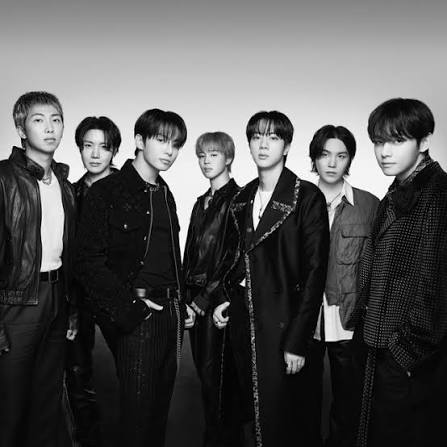
When the Recording Academy recently scrubbed official performance videos of BTS—including high-profile renditions of “Dynamite” and “Butter”—from its website and YouTube channel, the timing raised immediate red flags. Just days prior, all seven members of BTS dropped a bombshell joint announcement confirming they would boycott submissions for the 69th Grammy Awards.
Their offense in the eyes of the Academy? Refusing to play along with the creation of the “Best Asian Pop Music Performance” category.
While industry executives scrambled to claim that the sudden disappearance of the performance archives was merely a routine licensing expiration, nobody was buying it. Fandoms don’t swallow corporate PR excuses that easily. To millions of fans worldwide, the digital erasure looked suspiciously like retaliatory censorship against artists who dared to call out institutional tokenism.
The Dangerous Illusion of “Special” Categories
To understand why this feud matters far beyond the K-pop bubble, you have to look at how major cultural institutions treat anything that doesn’t fit a tidy, Western-centric mold.
Creating a hyper-specific, segregated category like “Best Asian Pop Music Performance” sounds progressive on paper. In practice, it is a velvet-roped enclosure. It’s a way for establishment award shows to point and say, “Look, we’re being inclusive!” while simultaneously boxing those artists out of the major General Field categories like Album, Record, or Song of the Year. It’s structural containment masquerading as celebration.
For marginalized communities, this kind of institutional sleight of hand is all too familiar.
Across the country, and right here at home in Ohio, queer artists, alternative creators, and independent venues know the sting of the “separate box.” Whether it’s corporate media outlets carving out a single restricted month to highlight LGBTQIA+ culture while ignoring queer talent the rest of the year, or local arts funding boards tokenizing diverse acts to meet a diversity quota, the playbook is identical. It’s about control. It’s about letting the establishment decide where you are allowed to sit, ensuring you never threaten the status quo of the mainstream center.
The Fandom Resiliency Blueprint
When the Recording Academy thought they could wipe the slate clean and pretend BTS’s historic Grammy moments never happened, they underestimated the digital infrastructure of modern fandoms.
Within hours, the global ARMY mobilized. Scrubbed videos were mirrored, archived, re-uploaded, and shared across decentralized networks before the ink on the Academy’s press release could even dry. It was a masterclass in digital preservation and community-led defense against institutional revisionism.
That kind of grassroots pushback strikes a deeply resonant chord within local creative and queer subcultures. When mainstream gatekeepers attempt to sideline, gatekeep, or airbrush diverse voices out of cultural history, survival depends entirely on community networks stepping up to preserve their own narratives.
The BTS Grammy boycott isn’t just about an award show trophy or a missing YouTube link. It’s a fierce battle over who gets to write music history, who gets relegated to a specialized corner, and who holds the power to decide what “mainstream” actually means. And if the Recording Academy thought they could quietly discipline a global movement, they just learned a very hard lesson: you don’t mess with artists—and audiences—who refuse to stay in the box you built for them.