Columbus Pride 2026: Our Voices, Our City (Part 2)-Southside Pride And Worthington Pride
- Rainbow_Rocks
- June 24, 2026
- Creative Work, Editorial Features, Entertainment, Interviews
- #DragIsArt, #IndependentJournalism, #RainbowRocks, Cain Culto, Calli Coquette, Candid crowd shots, CGLSA, Champagne Bordeaux, Cherry Poppins, Columbus Gay World Series Announcement, Commander Sins, Dallas, grassroots, Jada Fenix Lorez, Jaye the doll, Juicee Fruit, LGBTQIA+, Malestrom West, Maris, Mimi Sharp, Nico Kelly, Parsons North Brewing, Safe Space, selena west, Southside Pride, State Street Pride Fest, worthington pride
- 0 Comments
Written by: Rainbow: June 23rd, 2026
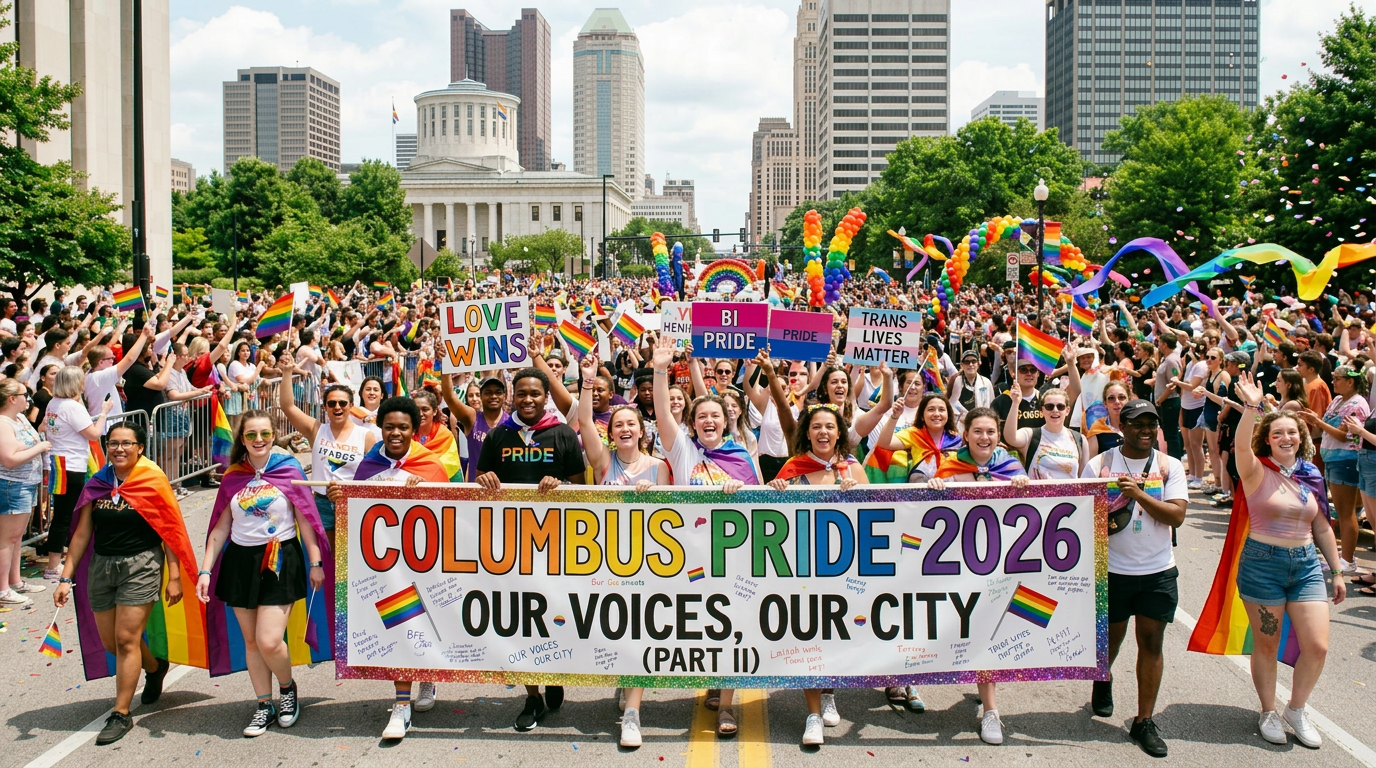
The momentum of Columbus Pride 2026 continues to build, underscoring the essential role of neighborhood-level advocacy and grassroots organizing in the city’s broader LGBTQ+ community. From localized community festivals to major national leadership transitions, Part 2 of our coverage examines the civic initiatives, business partnerships, and localized organizing shaping this year’s Pride season.
Neighborhood Focus: The South Side Pride Festival
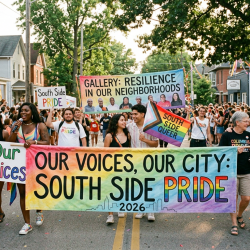
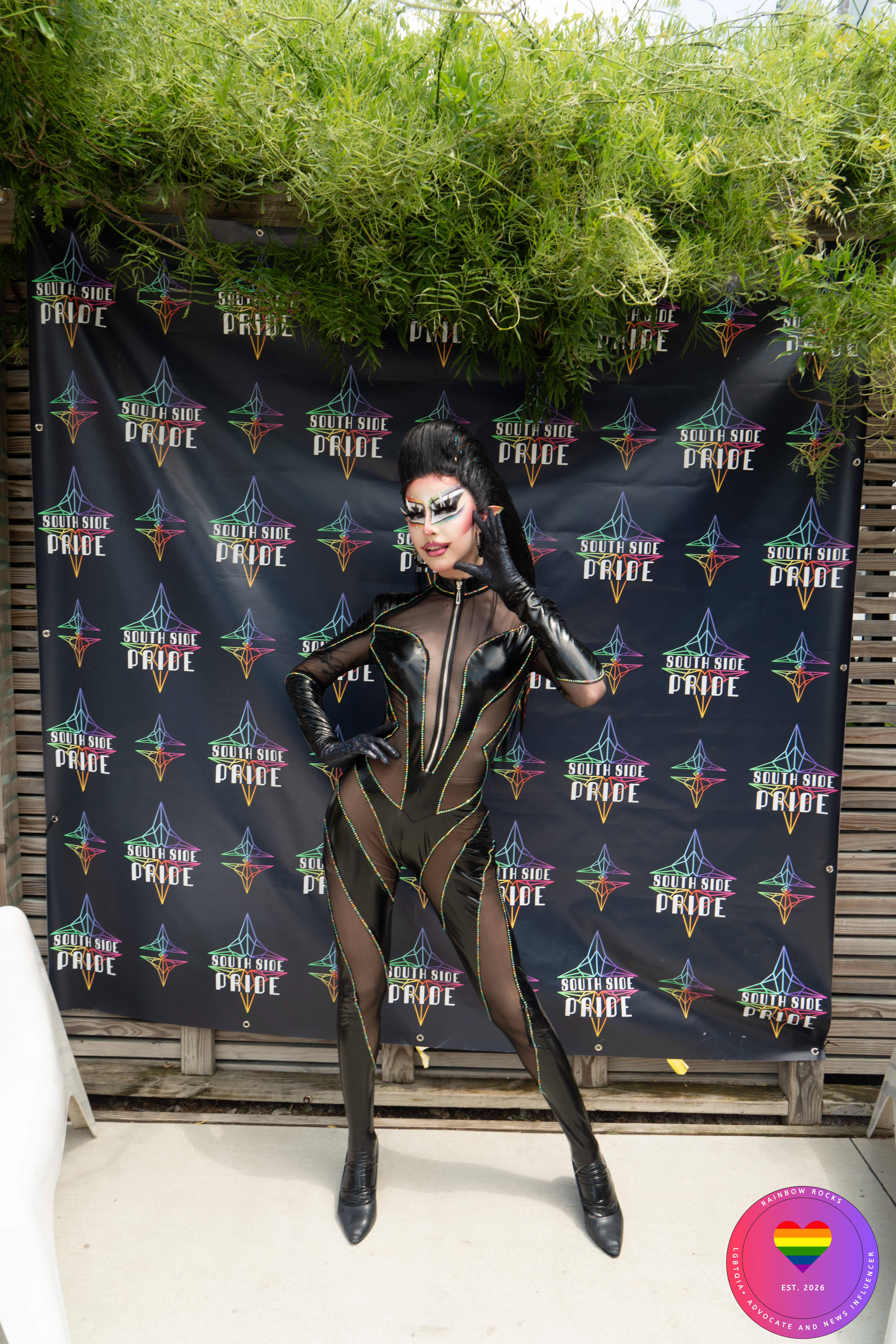
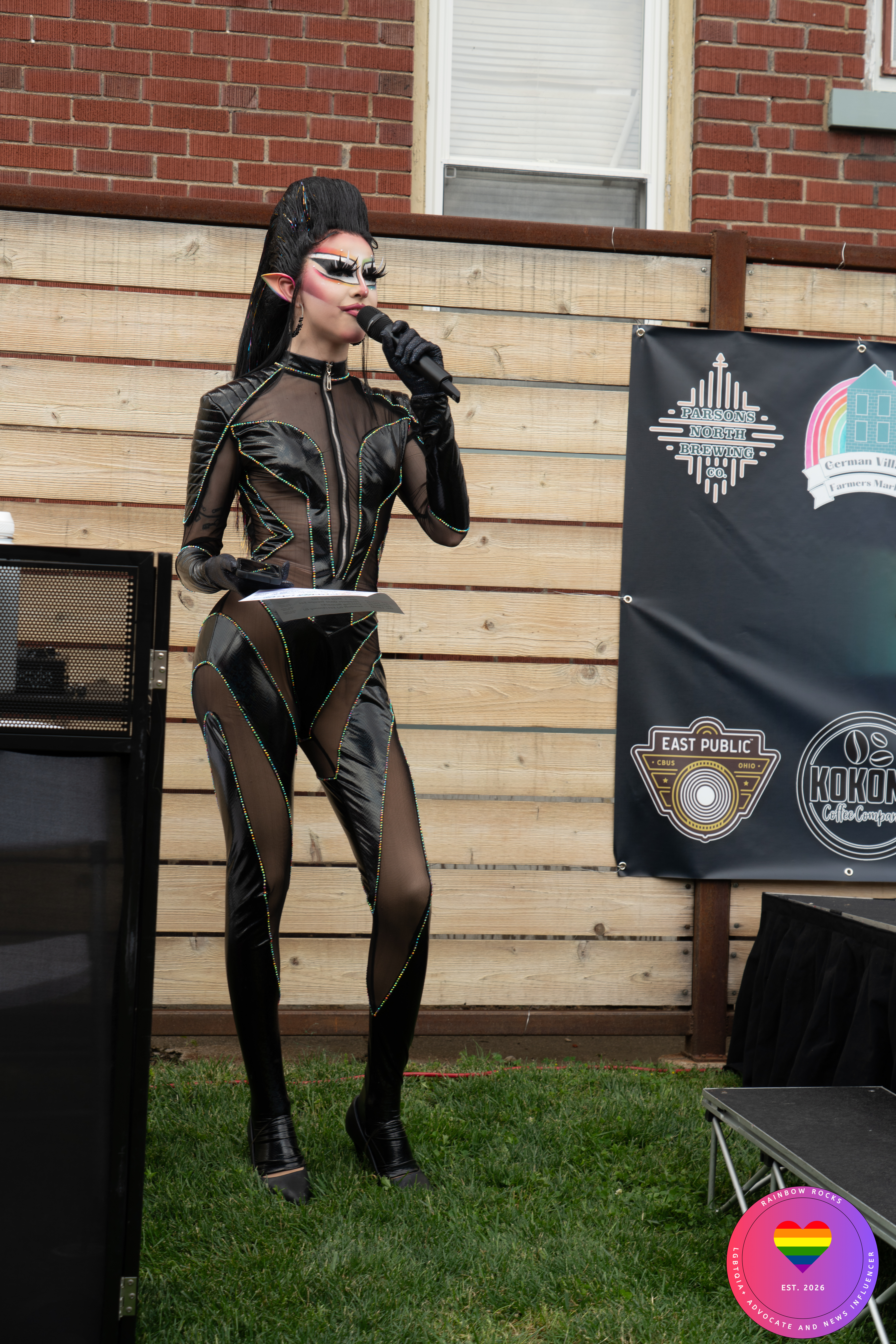
The seasonal celebrations commenced with the inaugural South Side Pride Fest, hosted on the grounds of Parsons North Brewing Company. The neighborhood gathering featured a curation of local art installations, community resources, and public performances aimed at strengthening localized solidarity.
In its first year, organizers secured city permission for a full closure of Parsons Avenue to accommodate the crowd. Below are the complete, unabridged transcripts of our on-the-ground interviews with the festival’s leadership and participating business owners, detailing the event’s logistics, community reception, and urgent legislative concerns.
✨ [Click to see the full gallery of South Side Pride Fest] ✨
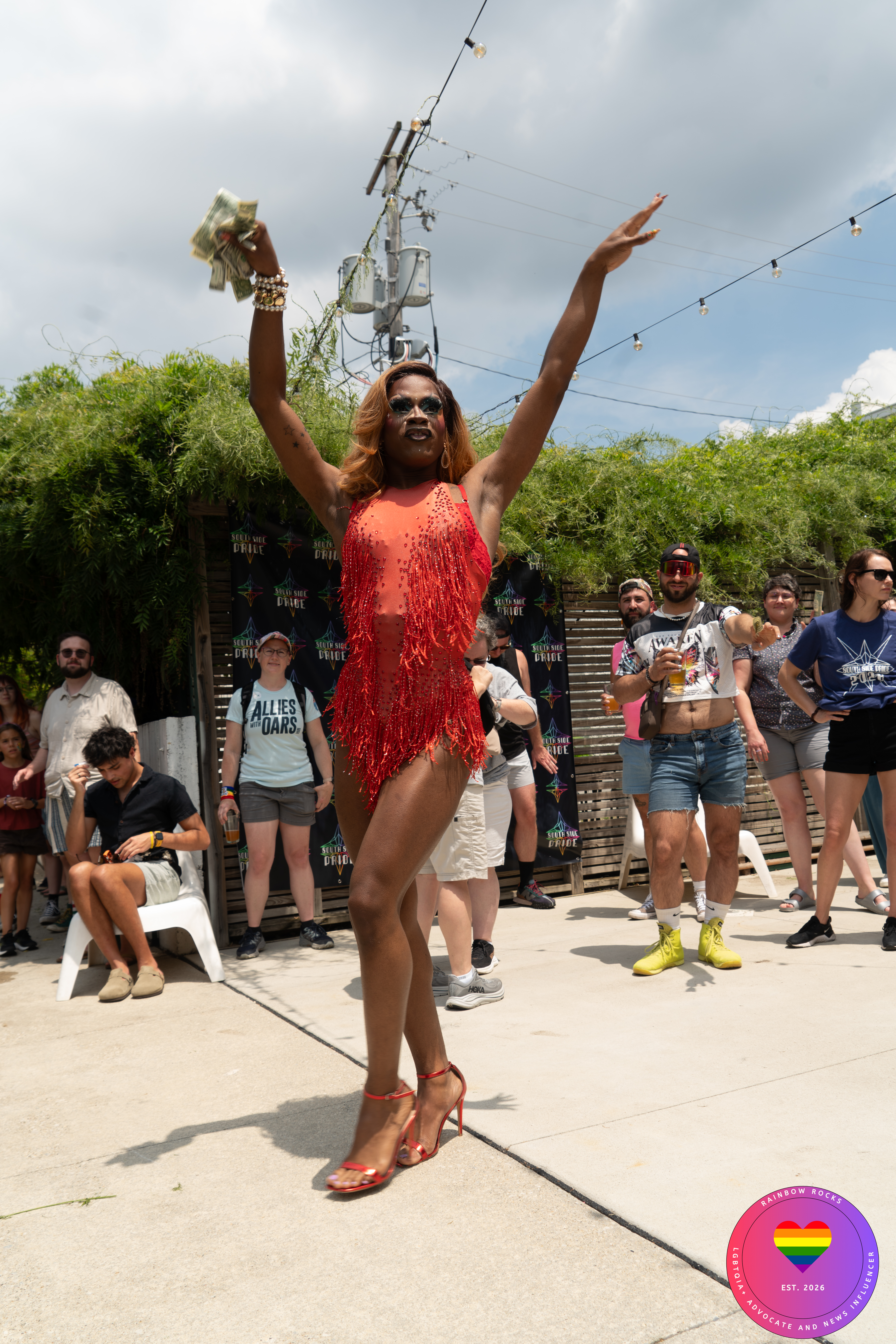
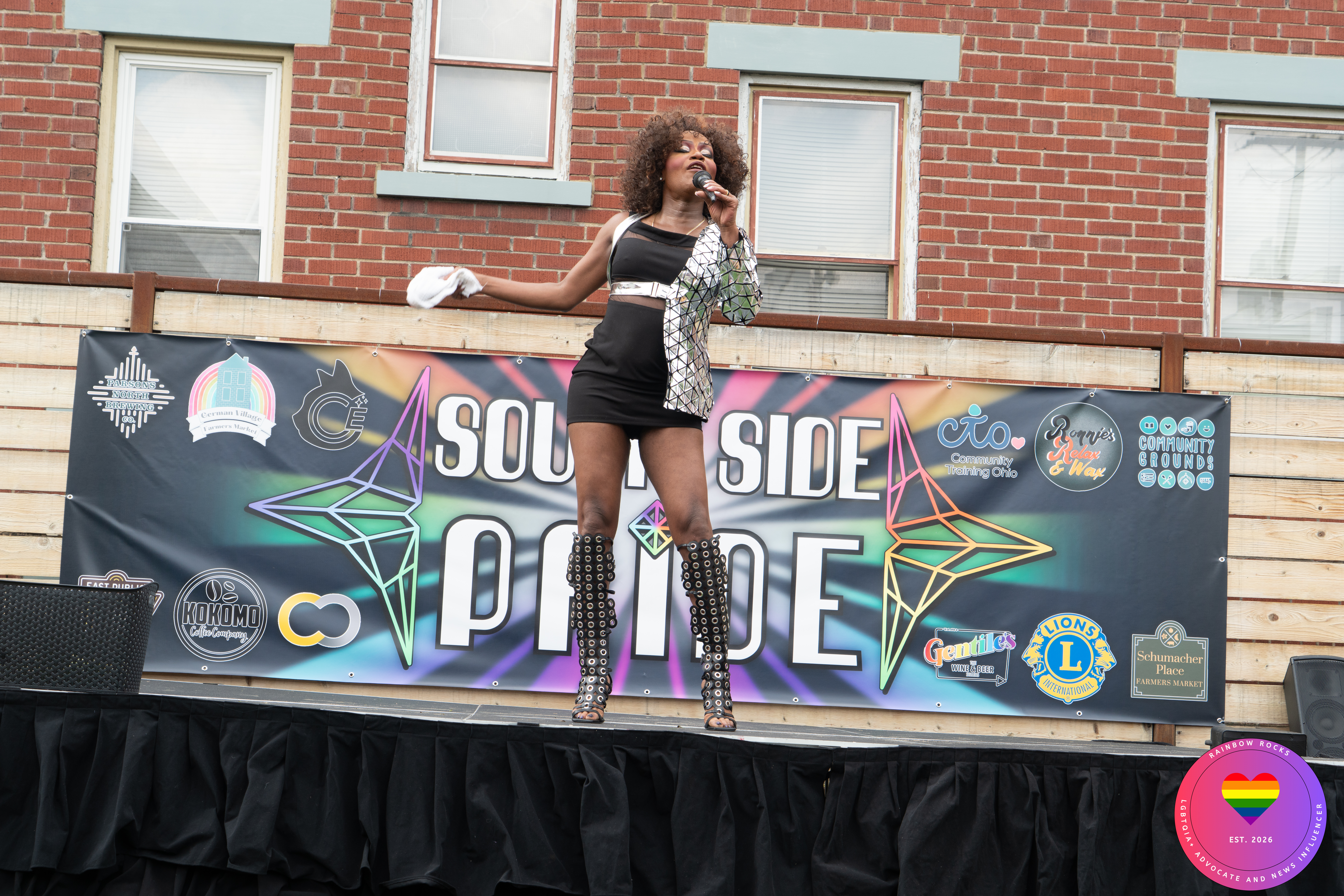
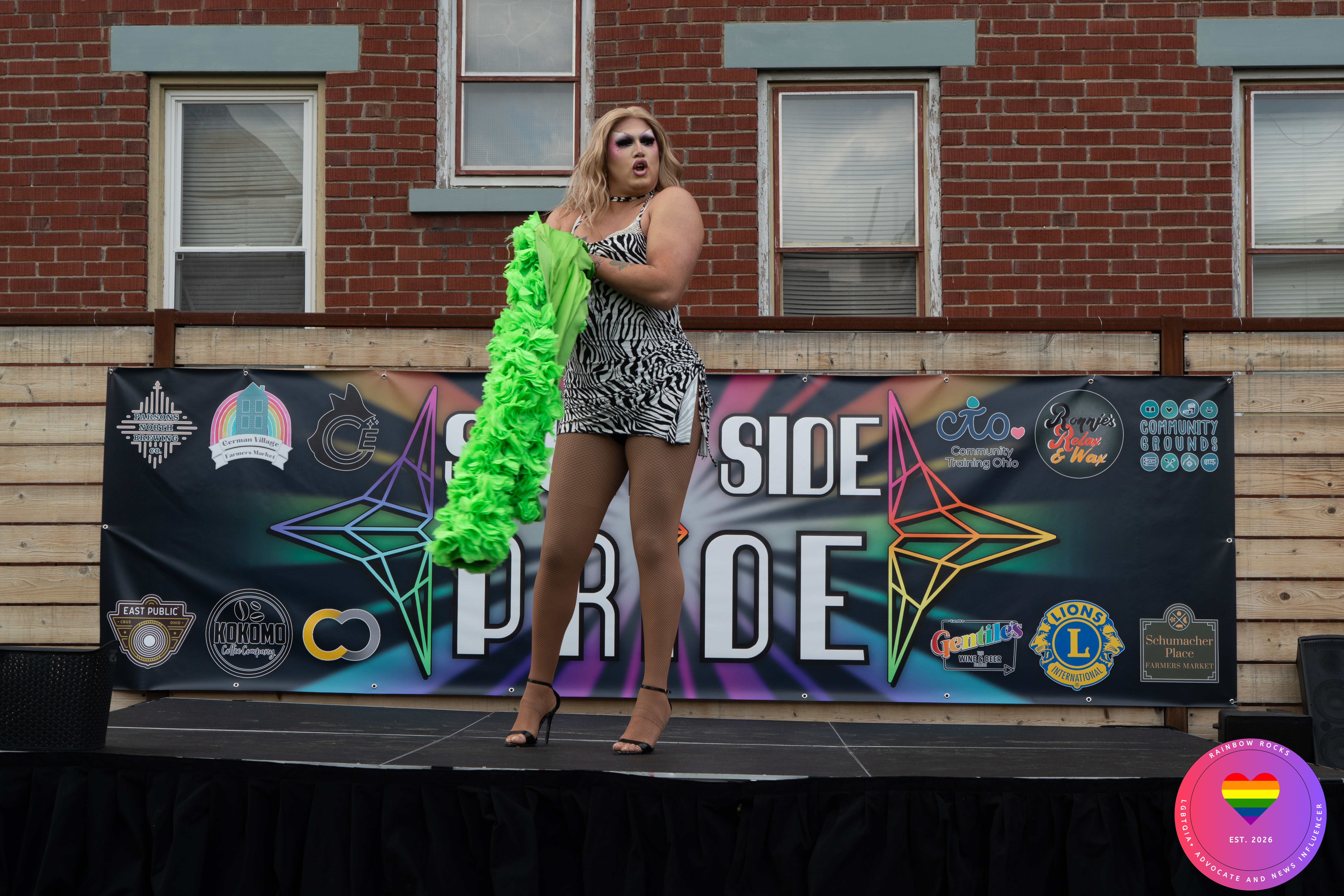
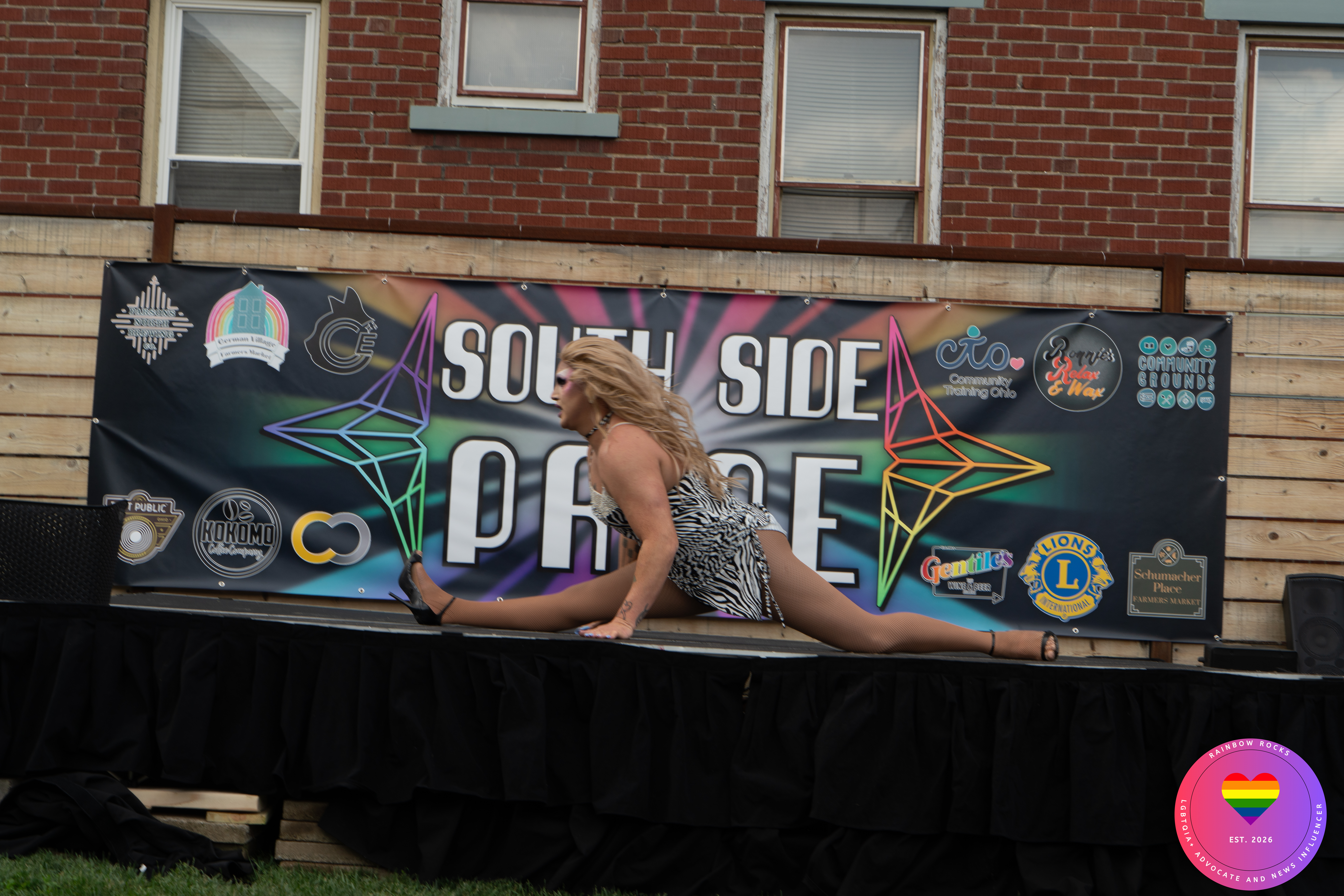
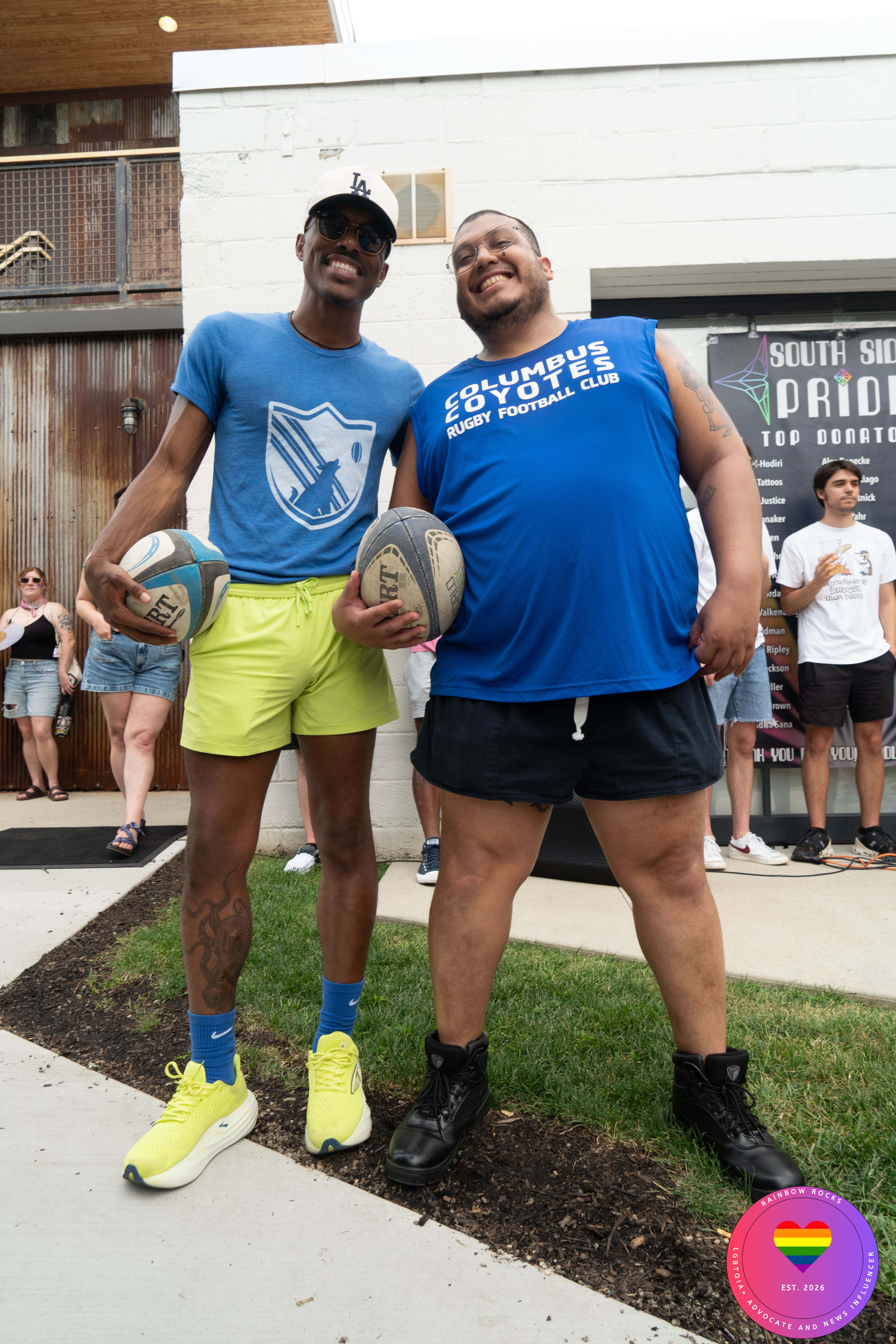
Behind the Scenes of South Side Pride: An Interview with Calli Coquette
Rainbow Rocks: Hello. This is Rainbow Rocks with Calli Coquette at Southside Pride at Parsons North Brewing. How are you doing today?
Calli Coquette: I’m doing wonderfully. It’s a warm, sunny day, and we’re feeling very prideful out here.
Rainbow Rocks: So tell us a little bit about the behind-the-scenes of how you got Southside Pride started.
Calli: So I’ve been hosting drag brunches here at Parsons North Brewing for a little over a year now. And me, Seth, the owner of Parsons, and Carol from German Village Farmers Market all came together and brainstormed this idea about, I want to say, 6-8 months ago. And from there, it just grew and grew and grew. And I am so, so happy and thankful that it came together the way that it did. We crowdfunded, we got some corporate sponsors, and the community really is showing up and showing out.
Rainbow Rocks: And your drag set was really good today.
Calli: Thank you so much. You know I try. I try to bring great energy.
Community Turnout and Scale
Rainbow Rocks: So what do you think about the turnout today?
Calli: The turnout has been so, so wonderful. It has been really, really amazing to just see everybody come together. That’s always, as a producer, my biggest fear: that nobody’s going to show up when you put something together. But it’s been wonderful to see how much the community has come out to support us.
Rainbow Rocks: How much work did it take to get Parsons Road closed for the Southside Pride?
Calli: Oh, girl, you don’t know the half of it. Ooh, it was a tough job. We had to, you know, make a call or two, go in person a couple of times to, you know, get things settled with the road closure and all of that. But the fact that we were able to do it in our first year, I’m really, really happy with. I’m so, so proud.
Legislative Context: House Bill 249
Rainbow Rocks: The one thing that’s on everybody’s mind this month for Pride is House Bill 249. Give a little bit of a statement about what you want people to know about it and what you’re doing to support it, against it.
Calli: Listen up, okay? Listen, listen up. House Bill 249 has passed the House of Representatives and is moving to a vote in the Ohio Senate in the near future. It is very, very important that you call your senators. If you go to the Ohio.gov website, you can search for a guide that will find your senator in your area. Please call them. If you want to get ahead of it, call Governor DeWine. And most importantly, just share and spread the word that HB 249 is not a law that we want in the state of Ohio.
Rainbow Rocks: Thank you so much, Calli. Have a safe day.
Calli: Thank you, and happy Pride. Mwah.
Creating Safe Spaces and Community: An Interview with Michelle Michelle Salon
Rainbow Rocks: Hello, this is Rainbow Rocks at Southside Pride on a beautiful Sunday afternoon. How are you guys doing today?
Michelle Michelle Salon: We’re good!
Rainbow Rocks: So, tell us about Michelle Michelle Salon.
Michelle Michelle Salon: Well, we are Michelle Michelle Salon. We are a queer, female-owned business here downtown on East Mound Street. We offer hair, skin, and nails, and we love sparking creativity and community. Community is really important to us, actually, so we are all-inclusive. We love to bring people in, just show them a safe space, and offer them services that help them relax and feel good when they leave. We also do a lot of philanthropy work, so that is also a really big part of our business.
Geography and Community Outreach
Rainbow Rocks: And where are you guys located?
Michelle Michelle Salon: We’re located on 449 East Mound Street here in Columbus, Ohio.
Rainbow Rocks: How far is that from downtown and the Short North?
Michelle Michelle Salon: From downtown, it’s about maybe two-thirds of a walk. And from here, it’s just over on the other side of Nationwide Children’s on East Mound Street.
Rainbow Rocks: And you guys are close to Short North for Pride, too? Are you guys close to the Short North, where the parade is going to be?
Michelle Michelle Salon: We’re not as close to the Short North. We’re closer over here to Nationwide Children’s on East Mound, yeah. But still close!
Rainbow Rocks: Cool, cool. I appreciate it. Thank you, guys.
Michelle Michelle Salon: Thank you. Thank you.
Regional Highlights: Worthington Arts Pride Fest
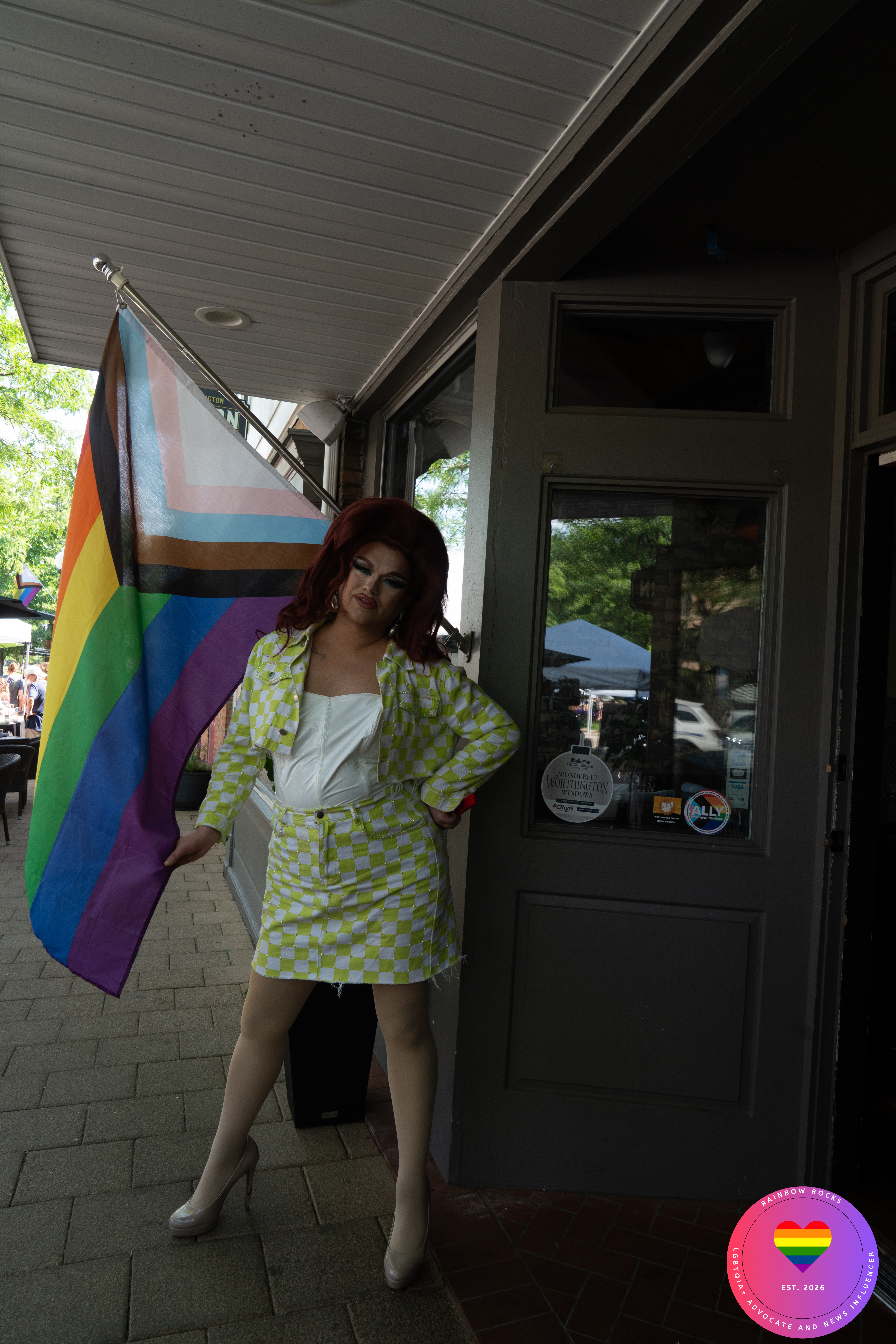
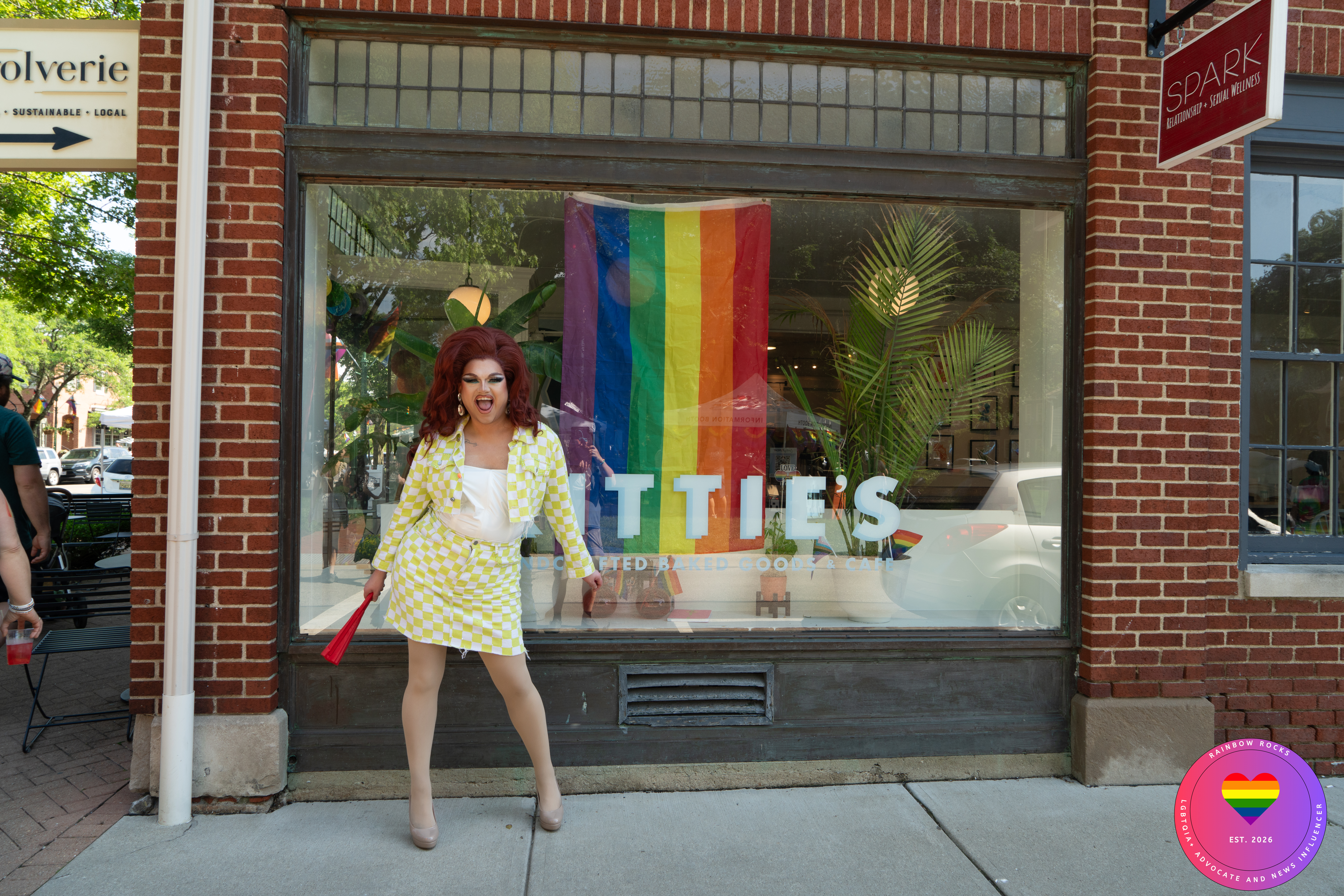
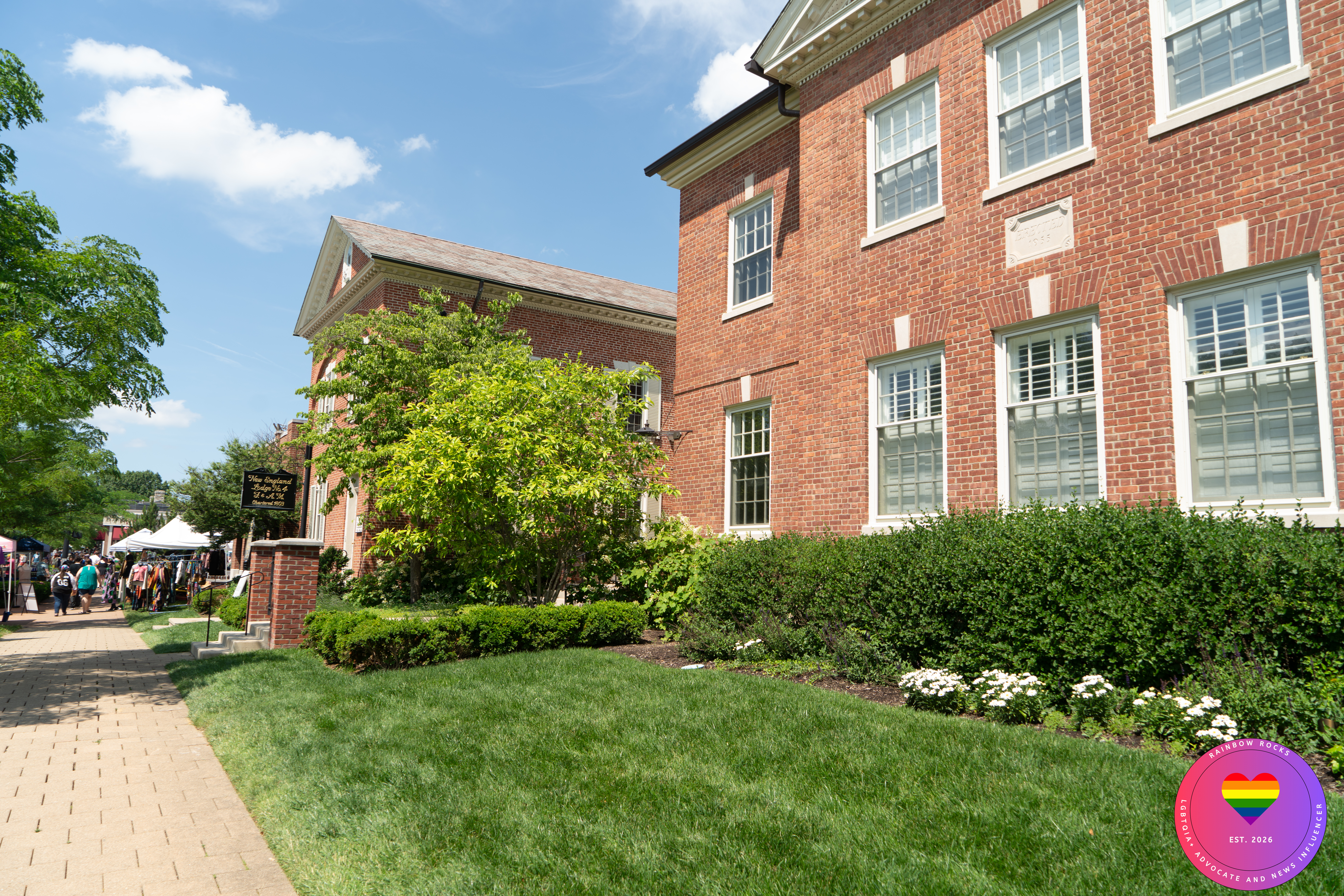
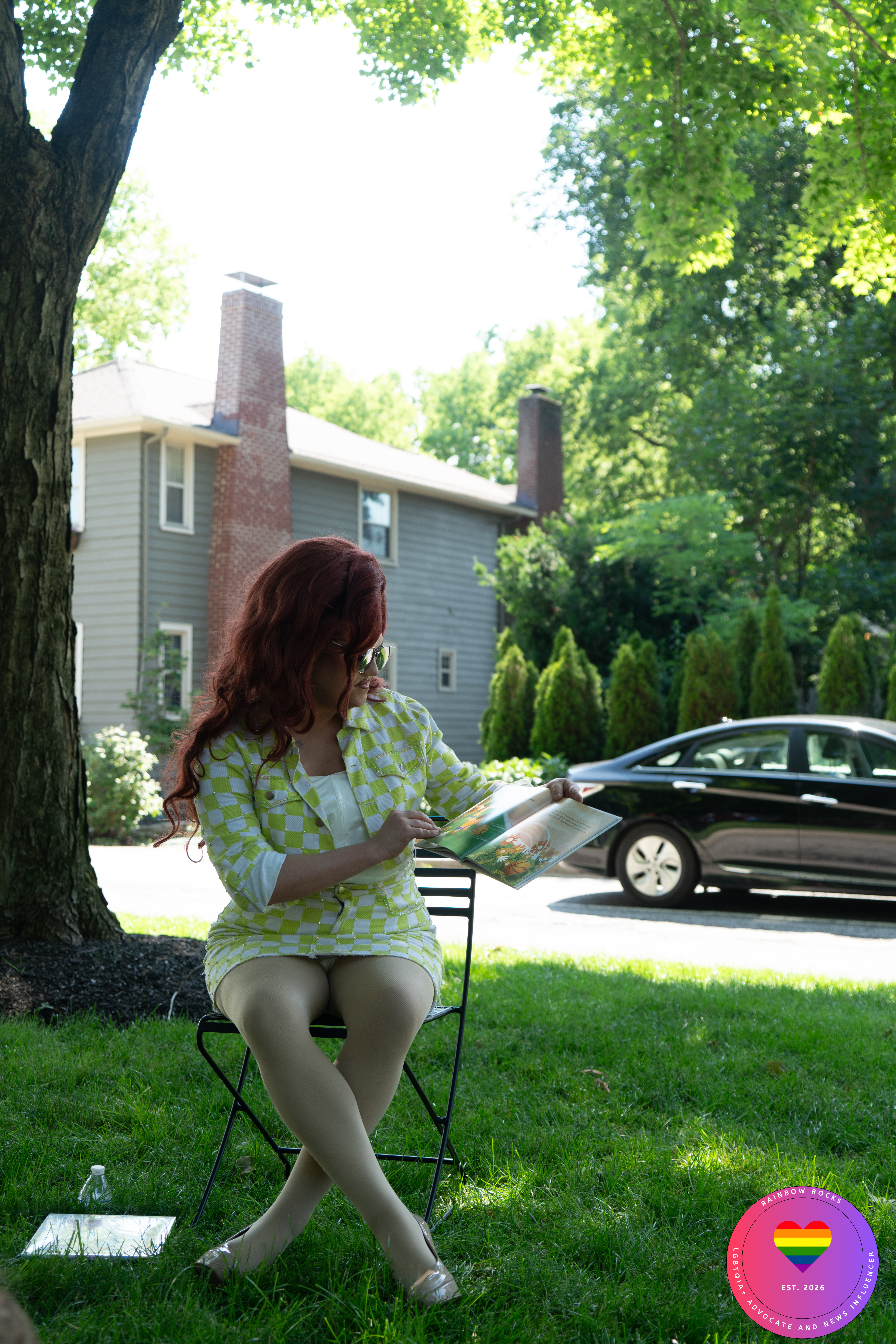
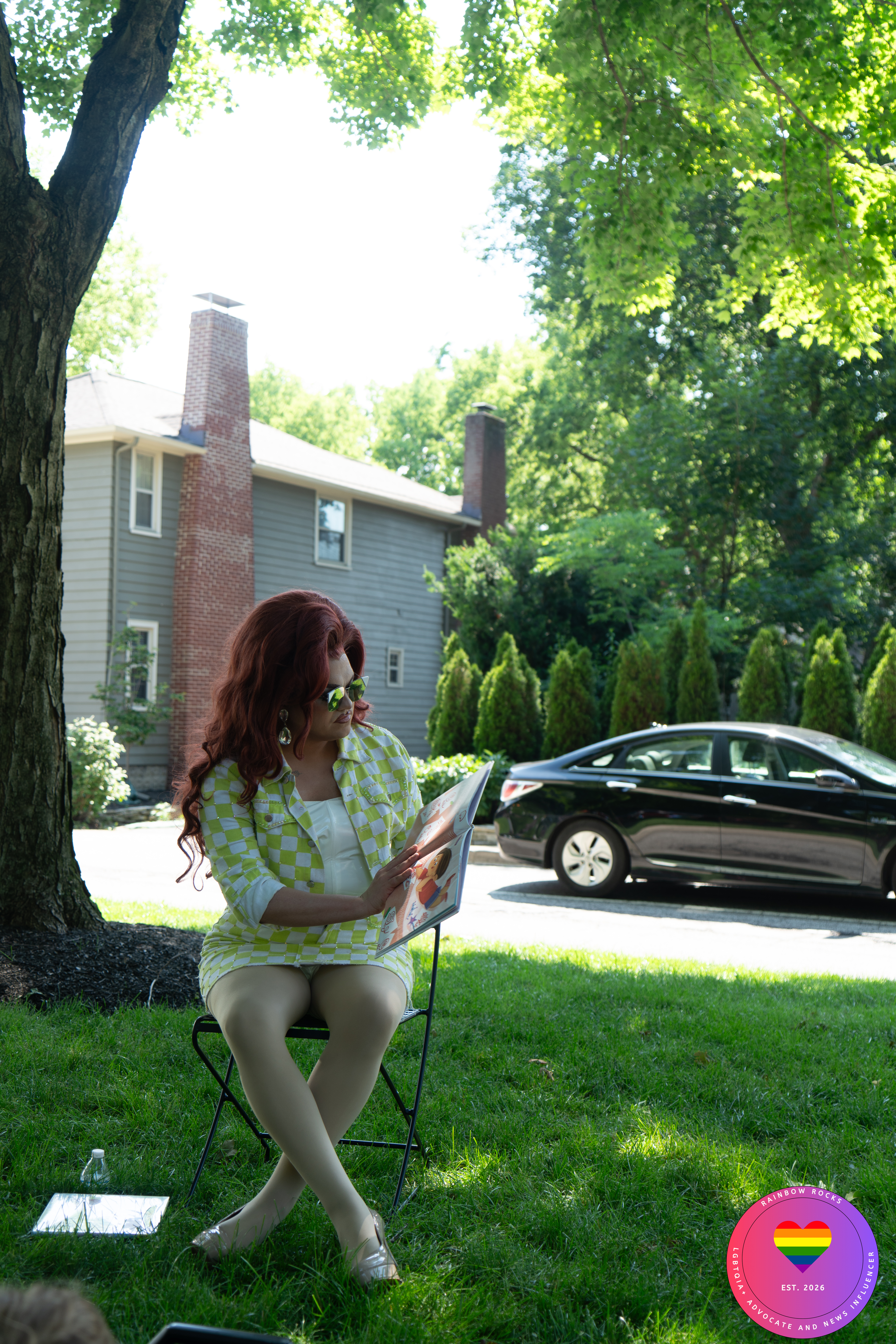
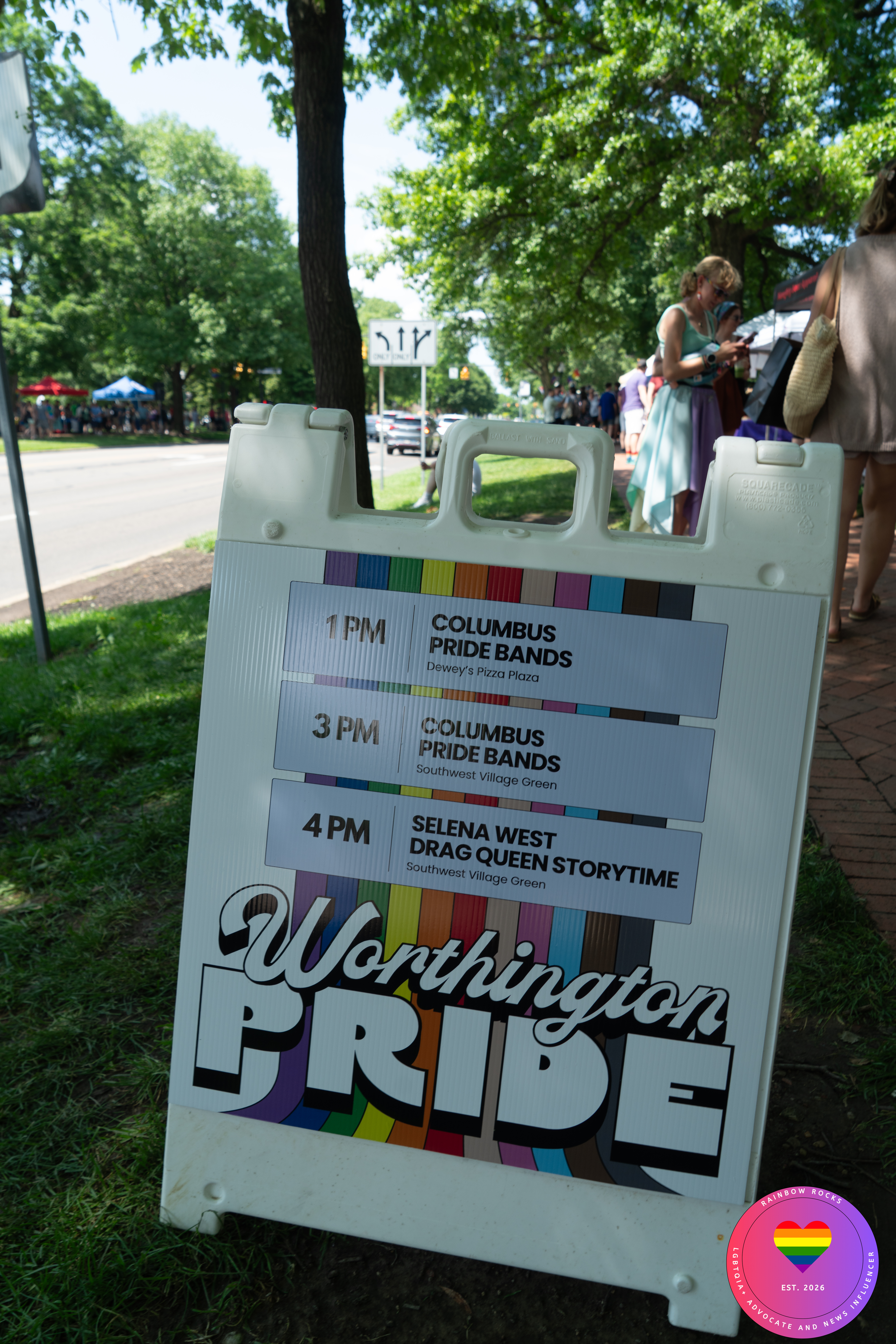
Further north, the Worthington Arts Pride Fest integrated community art exhibitions with family-centric advocacy programming. A central feature of the event was a dedicated Drag Story Time hosted by Selena West, focusing on themes of early literacy, inclusion, and representation.
Below is the complete, unabridged transcript of our on-the-ground conversation with West, discussing public storytelling, regional community acceptance, and her role representing the state.
Bringing Pride to the Parks: An Interview with Selena West
Rainbow Rocks: Hello, Selena. How are you doing today?
Selena West: I am great. How are you?
Rainbow Rocks: So this is the seventh day of Pride Month. How are you doing so far?
Selena: I love it. Except for the heat, it’s perfect. I’m feeling prideful, and I’m excited to be here.
Drag Storytime and the Spirit of Worthington Pride
Rainbow Rocks: So tell us a little bit about what you were doing today at Worthington Pride.
Selena: At Worthington Pride, I was doing a story hour, and I was reading some books to children out here in the beautiful park. It was amazing. We had so much fun.
Rainbow Rocks: How do you like Worthington Pride this year?
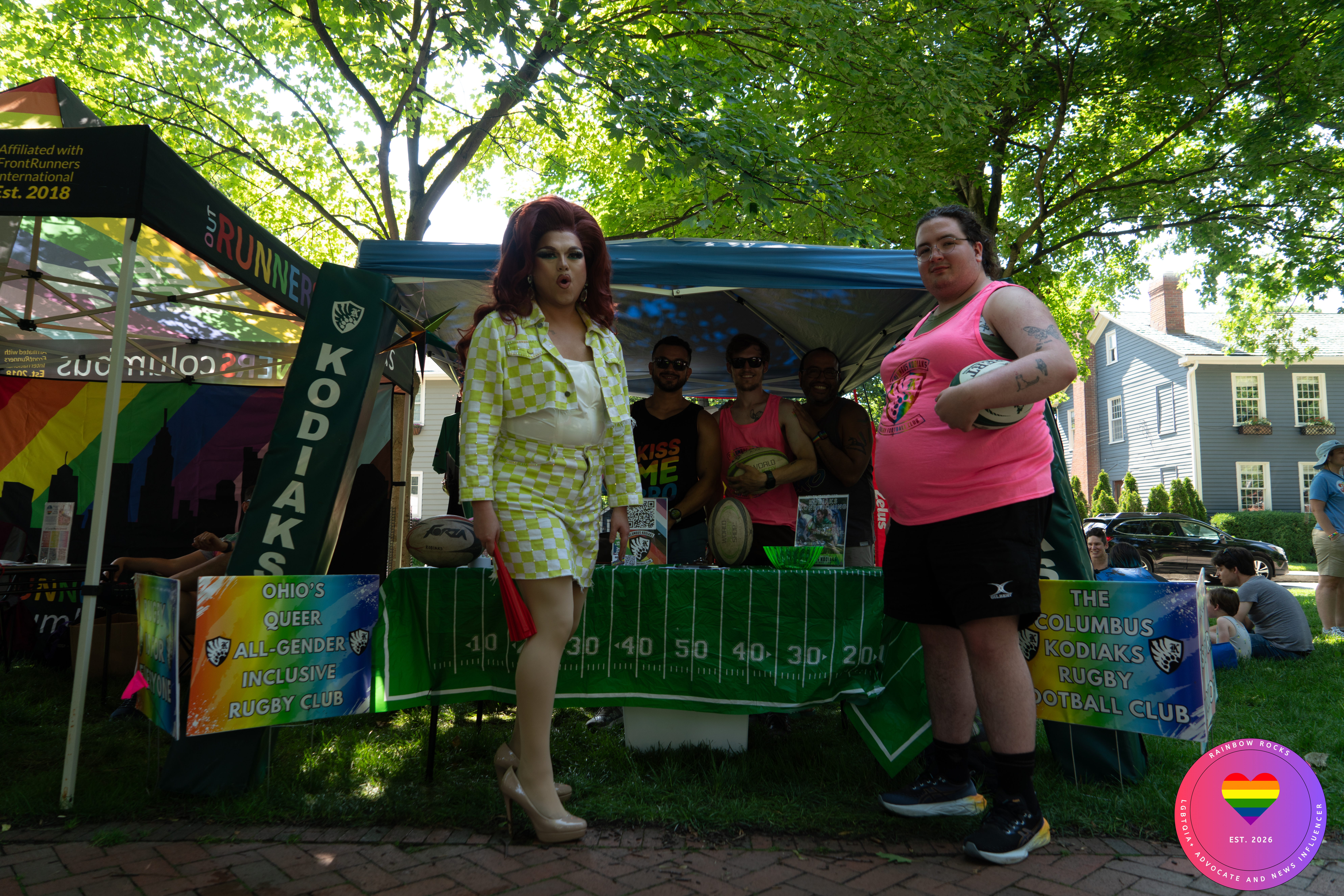
Selena: I love it. There are a lot of vendors, a lot of people, and it proves that Pride is alive and well in the city. And it’s really exciting and touching to see.
Representing Ohio and Looking Forward to the Parade
Rainbow Rocks: So what are your other Pride engagements for this month?
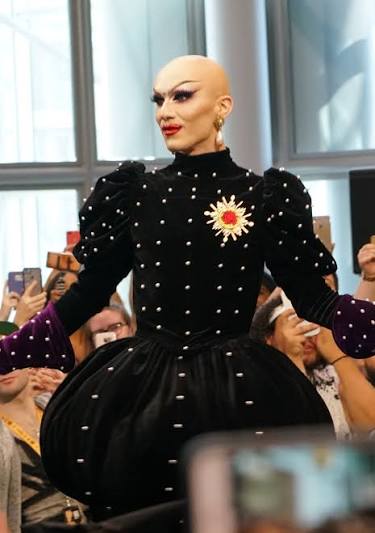
Selena: Oh my gosh, I’m hosting different Pride events at District West. I will be in the parade. I’m Miss Gay Ohio, United States, so I’m representing Ohio. And I’ll be all over the city and all over the state, just being fabulous.
Rainbow Rocks: Congratulations.
Selena: Thank you.
Rainbow Rocks: So what is your most expected Pride event that you’re looking forward to the most coming up?
Selena: I think I’m looking forward to the parade. I love seeing all the families, everybody coming together, just the different walks of life. And in Columbus and in Ohio, we just have a great Midwestern Pride with thousands of people that you wouldn’t expect in a state like Ohio.
Rainbow Rocks: I appreciate it. Thank you, Selena.
Selena West: Thank you.
Analysis: From Grassroots Celebration to Corporate Suburbia
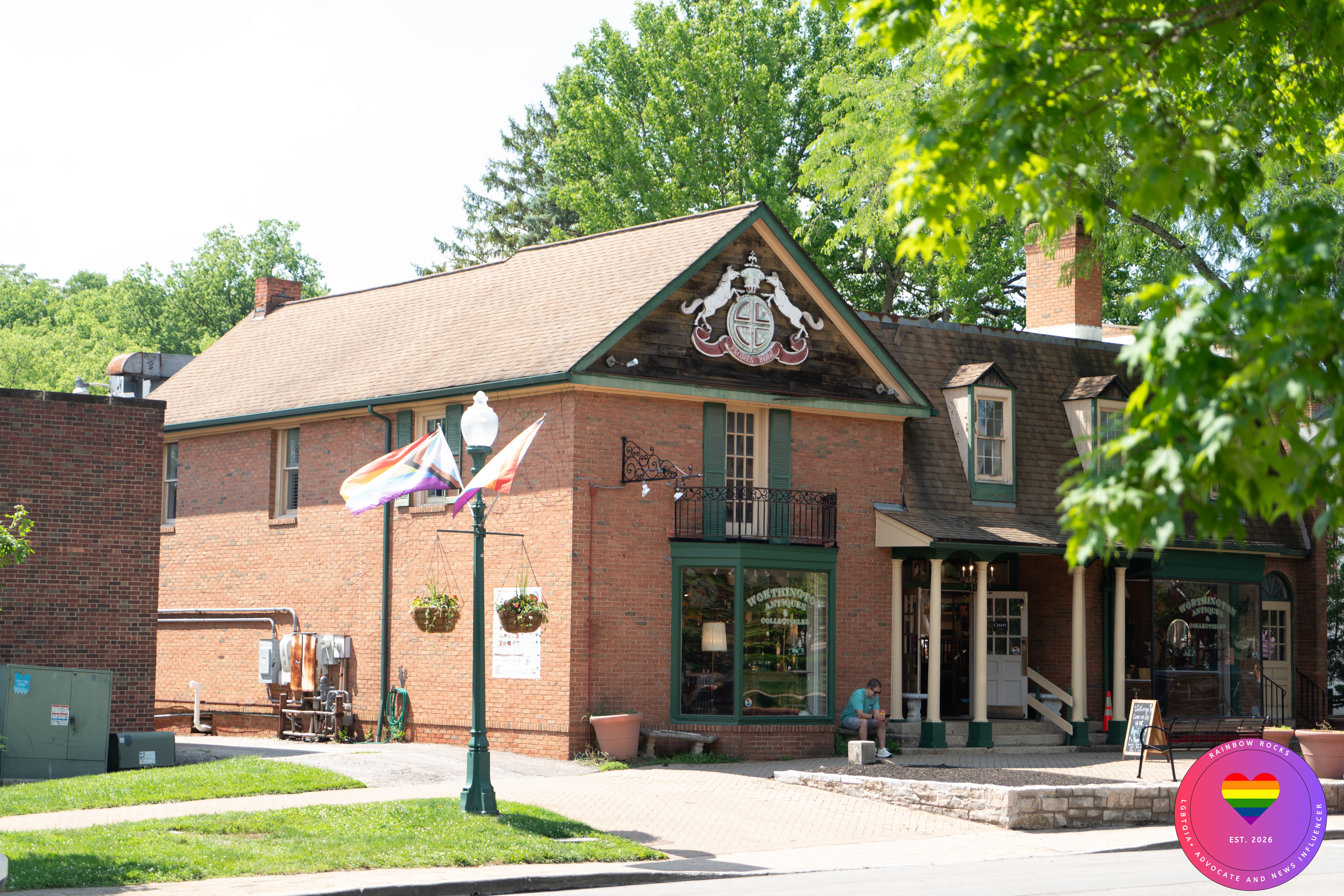
The regional layout of central Ohio’s celebrations provides a striking study in contrasts, offering a clear window into the shifting logistics and philosophy of modern regional programming. Traveling from the South Side Pride Fest at Parsons North Brewing northward to the historic district of Old Worthington reveals a delicate, often complex structural balance between ground-up, grassroots organizing and suburban corporate integration.
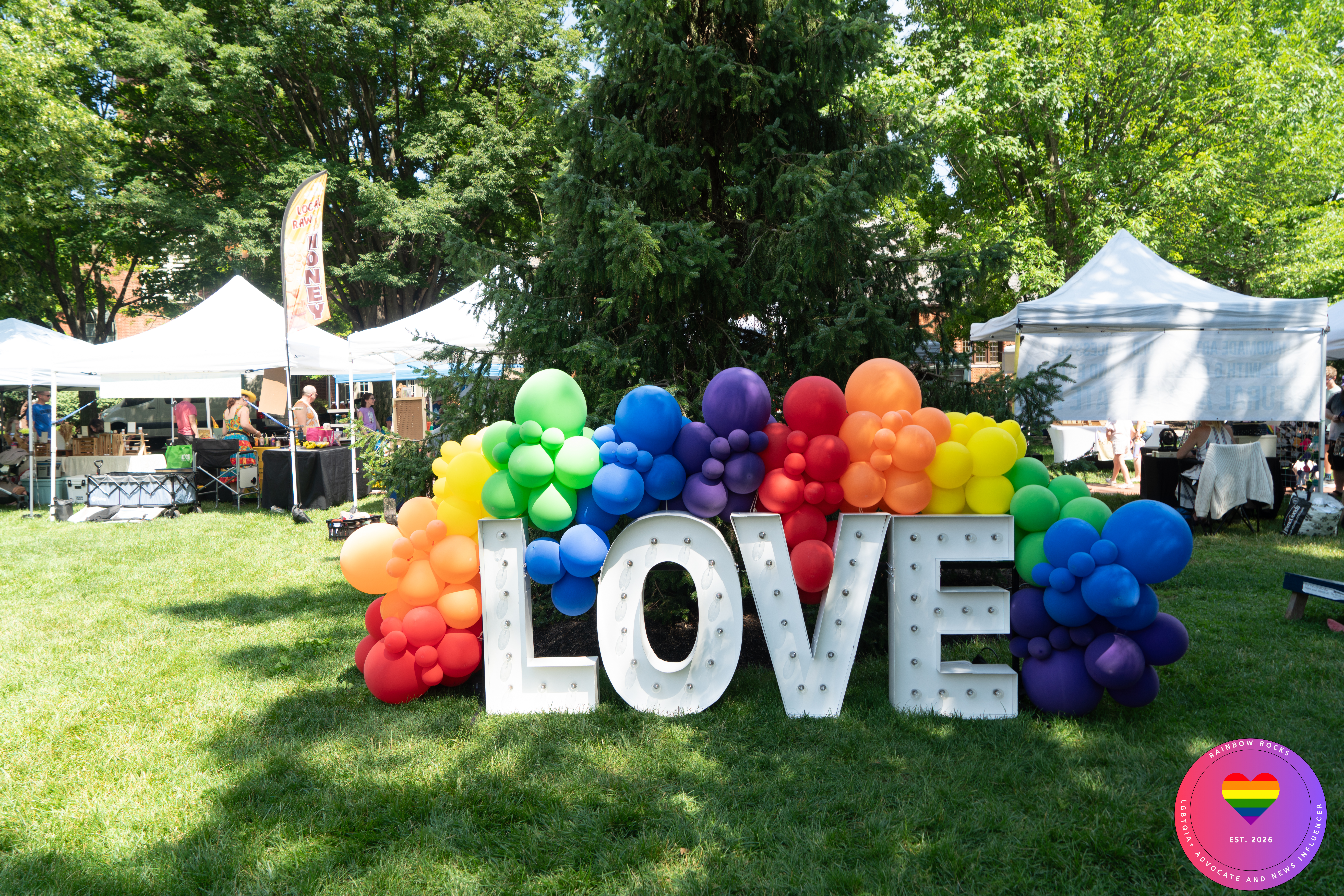
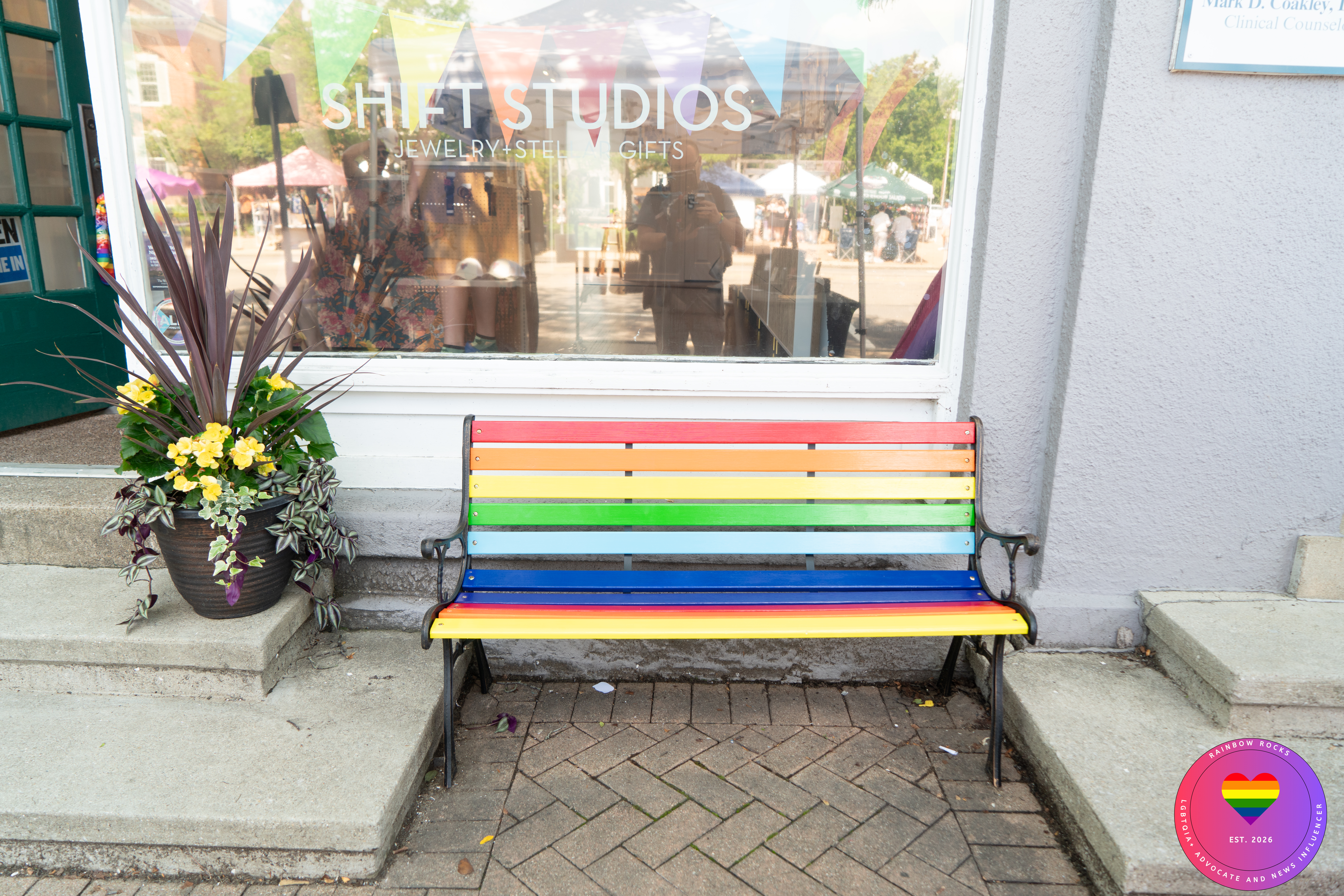
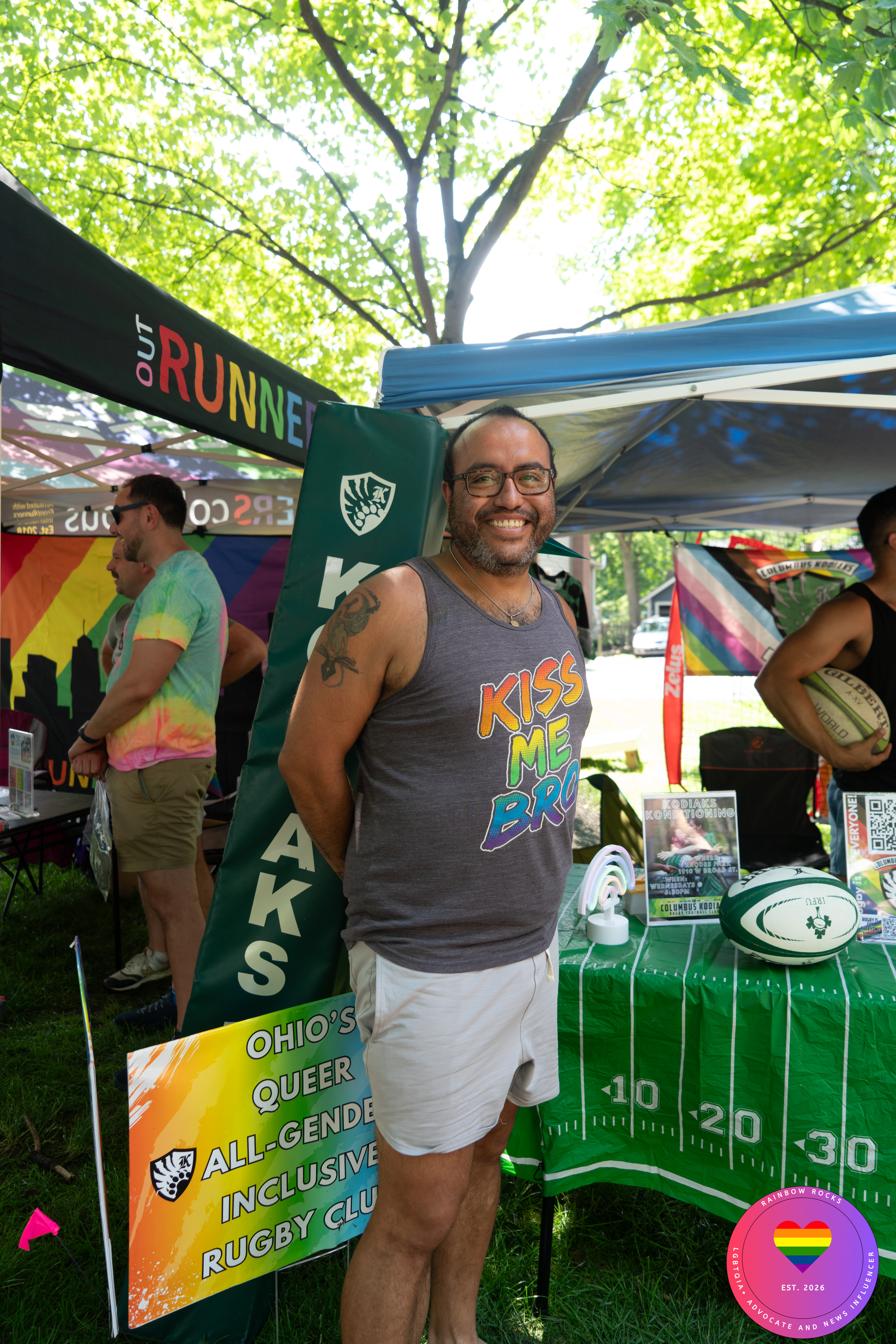
On the South Side, the event maintained an explicit, community-first focus. Organized from the pavement up by local queer creators, the energy remained intimate, intentional, and unapologetically grounded in neighborhood culture. Shifting to Worthington, however, altered the operational landscape entirely. On one hand, the sheer scale of suburban civic visibility was highly effective; the festival provided a safe, welcoming, and kid-friendly environment featuring a wealth of LGBTQIA+ booths, essential advocacy resources, family crafts, and local small business retail specials. It stood as a clear testament to structural progress within suburban spaces.
Yet, alongside this visibility was a heavy corporate footprint. At times, the organizational focus felt less like a targeted celebration of historical queer liberation and closer to a generalized neighborhood commercial festival draped in symbolic rainbows. When corporate presence tilts toward generic marketing expos—where branding exercises overshadow specialized queer-owned spaces and dedicated advocacy vendors—it highlights a tension currently playing out across national pride circuits. In suburban settings, where public events frequently rely on established municipal business partnerships, commercial saturation can inadvertently dilute the grassroots heart of the movement.
However, to assess Worthington Pride strictly through the lens of corporate integration would overlook its real-world utility. Despite the commercial tents, the foundational objective of the gathering achieved its goal: fostering collective belonging, intergenerational trust, and critical visibility. For regional youth and older adults alike, seeing an entire suburban district openly transformed into an explicit space of acceptance represents a tangible community success. Corporate backing and large crowd logistics are necessary operational components for regional expansion, but the ongoing challenge for future regional programming will remain preserving the essential, community-first foundation that built the movement.
As a local teenager at the event summarized, “It’s such a fun experience to be around so many people who share something that you do too in the LGBTQ+ community.” Alex, an advocate with PFLAG Columbus, reinforced this structural value: “It’s a great local event that builds community, trust, and hope. And it crosses generations. Without these types of events, it would be hard to find your people.”
Looking Ahead to Part 3
The interviews and community perspectives gathered in this segment underscored a unified theme: local advocacy remains foundational to broader legislative and civic progress.
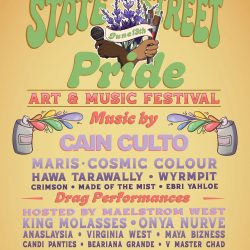
Our coverage will continue in Part 3, shifting focus to the ongoing debate surrounding Ohio House Bill 249 (the Indecent Exposure Modernization Act) following its passage in the House and subsequent referral to the Senate Judiciary Committee. Part 3 will feature exclusive, in-depth interviews with advocacy organizers and community figures, including Juicee Fruit, Dallas of the Columbus Gay and Lesbian Sports Association (CGLSA), Drag Queen Maelstrom West, Maris, and Cain Culto. Additionally, our upcoming coverage will bring you extensive photojournalism-style galleries documenting the Columbus Gay World Series Announcement and the sights from the State Street Pride Fest.
“Rainbow is the author and creator behind this. Committed to amplifying LGBTQIA+ voices and pushing through the noise, Rainbow stands by this work. For media inquiries, official commentary, or press statements regarding the response to this article or gallery on RainbowRocks.Space, please reach out to Evan J Thomas PR (EvanJThomasPR@gmail.com)—proudly providing LGBTQIA+-affirming, protective public relations.”