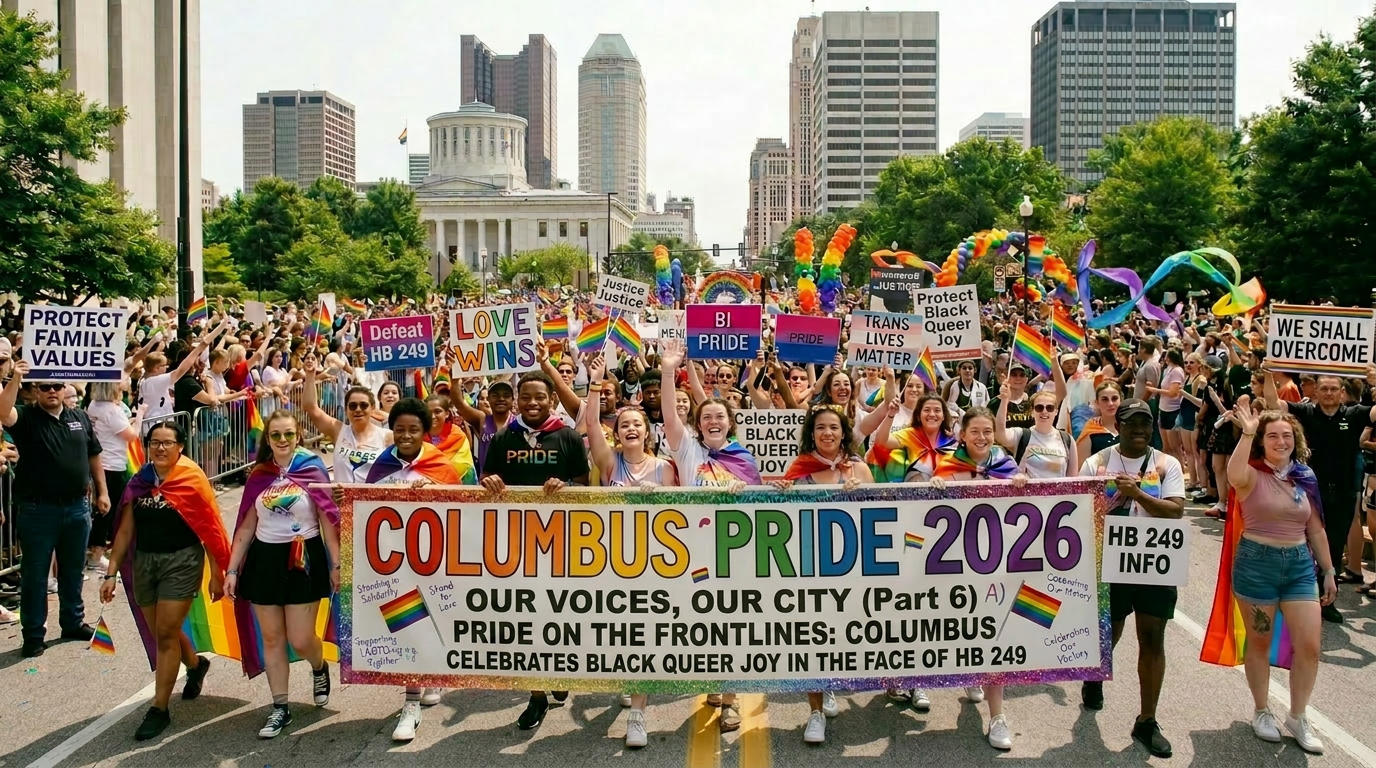
Columbus Pride 2026: Our Voices, Our City (Part 6 A) Pride on the Frontlines: Columbus Celebrates Black Queer Joy in the Face of HB 249
- Rainbow_Rocks
- June 25, 2026
- Creative Work, Editorial Features, Entertainment
- #ColumbusOhio, #DragIsArt, #IndependentJournalism, #RainbowRocks, Amber Knicole, Anisa Love, Rainbow Rocks, Stonewall Columbus, Stonewall pride Fest
- 0 Comments
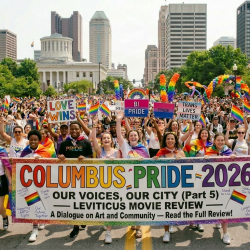
COLUMBUS, Ohio — The energy at the Stonewall Columbus Pride Festival on Friday evening, June 19, 2026, was nothing short of electric. Since its inception in June 1981, this annual gathering has served as an essential sanctuary and beacon for the local LGBTQIA+ community.
But this year, the atmosphere carried a distinct, vital frequency—one that felt more urgent, more powerful, and unapologetically intentional. As thousands of community members and allies gravitated toward the 200-plus vendor booths and packed the space around the Freedom Stage, the opening night evolved into a profound testament to Black Queer Joy, Collective Resilience, and Active Political Resistance.
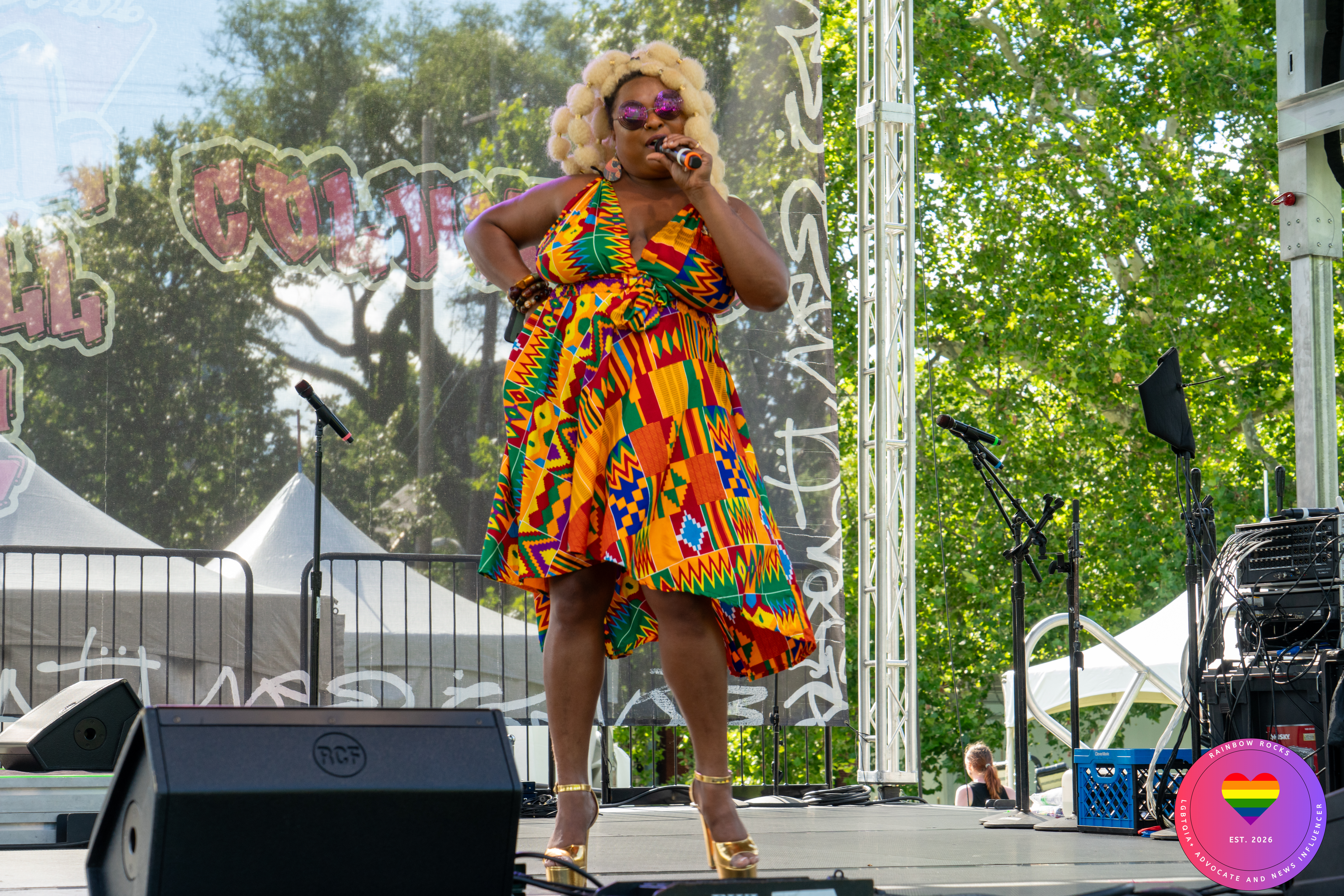
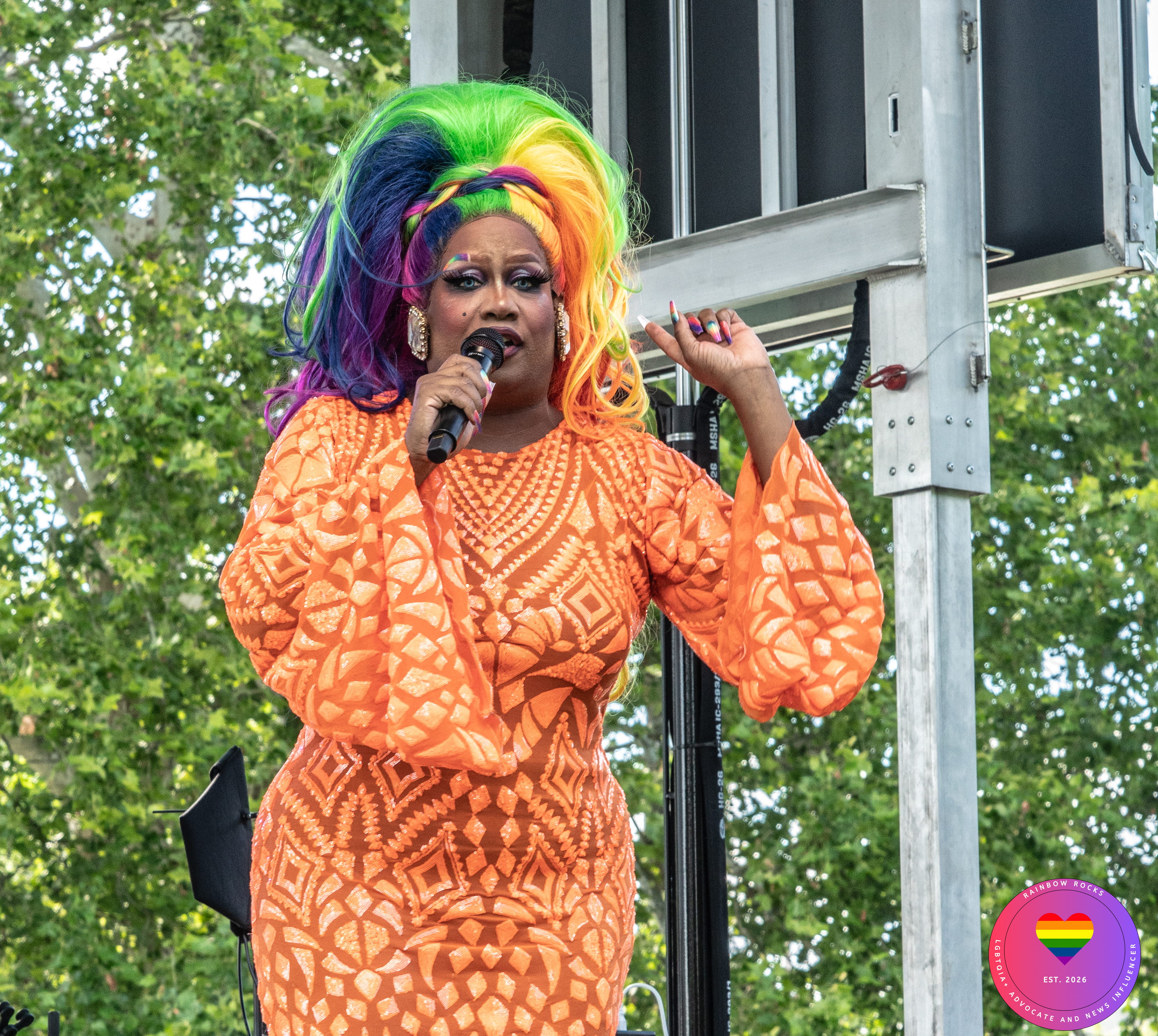
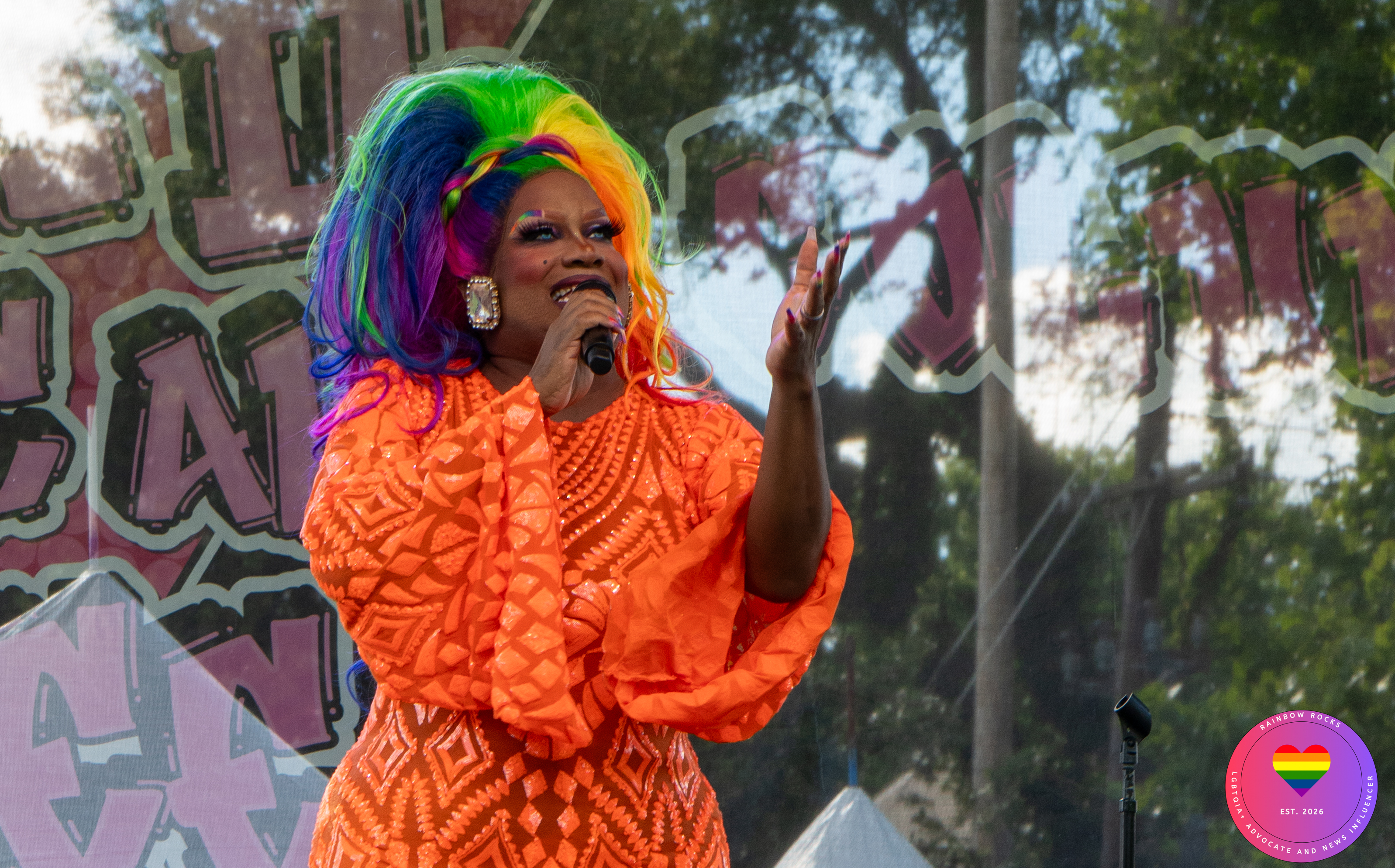
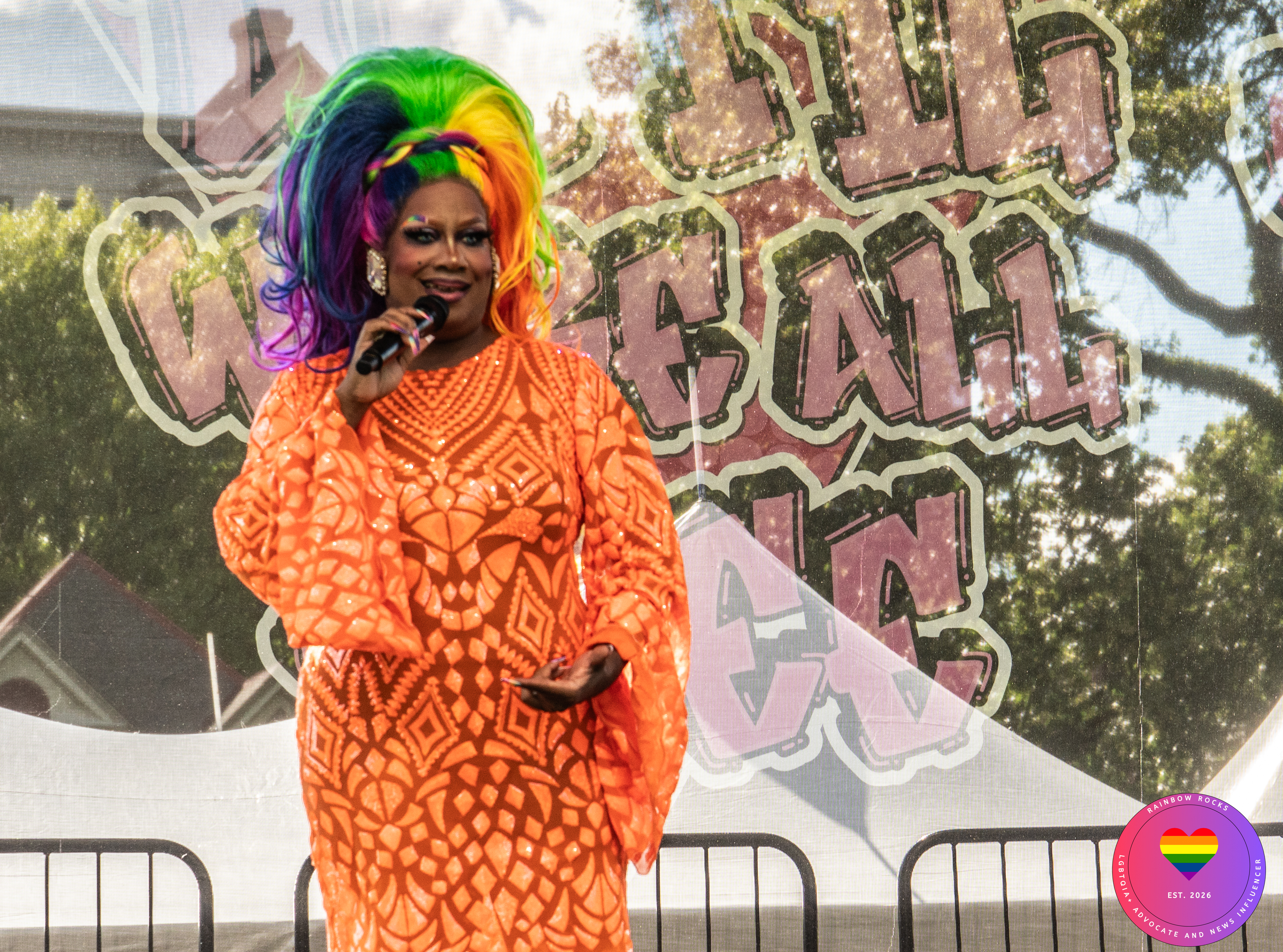
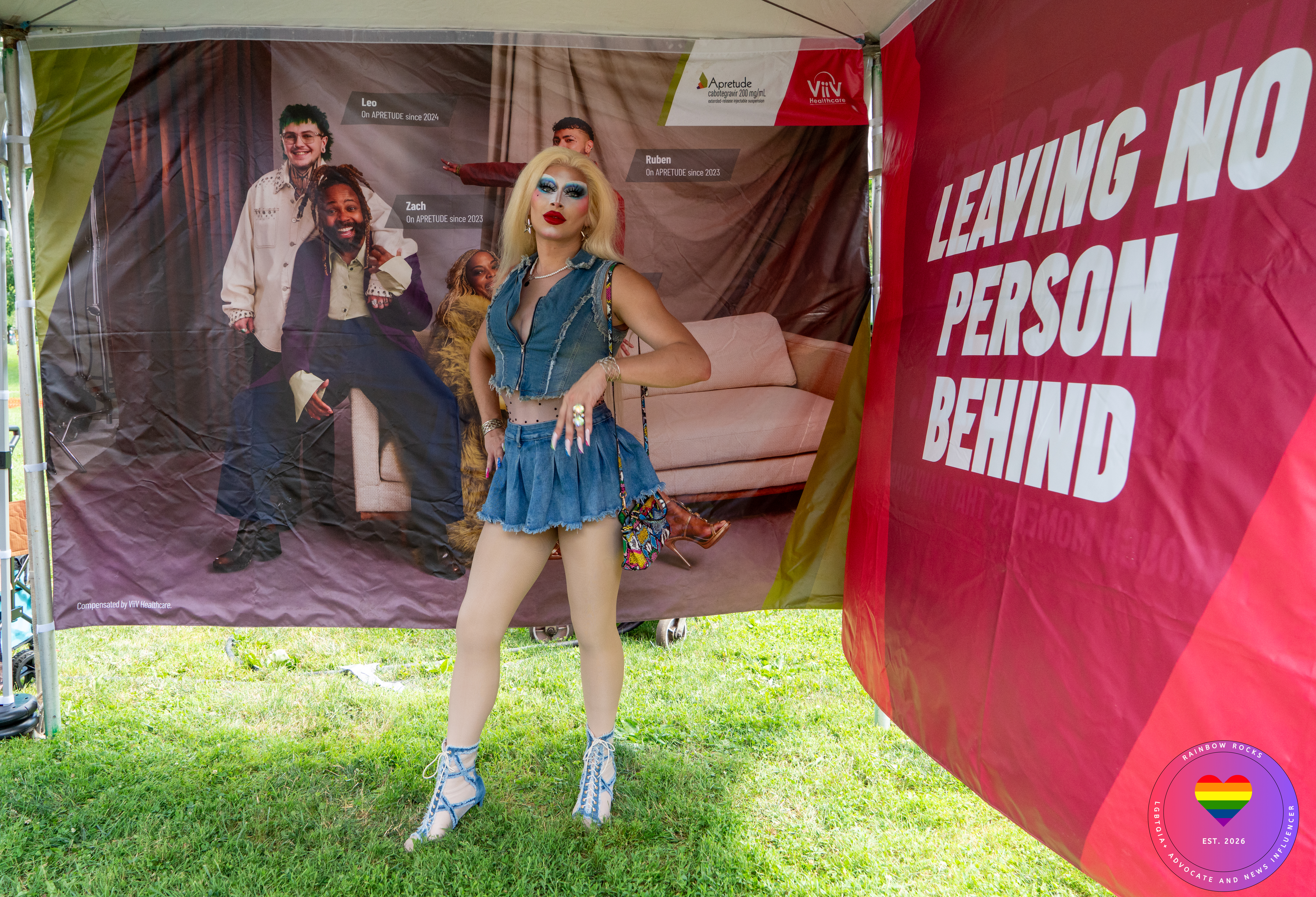
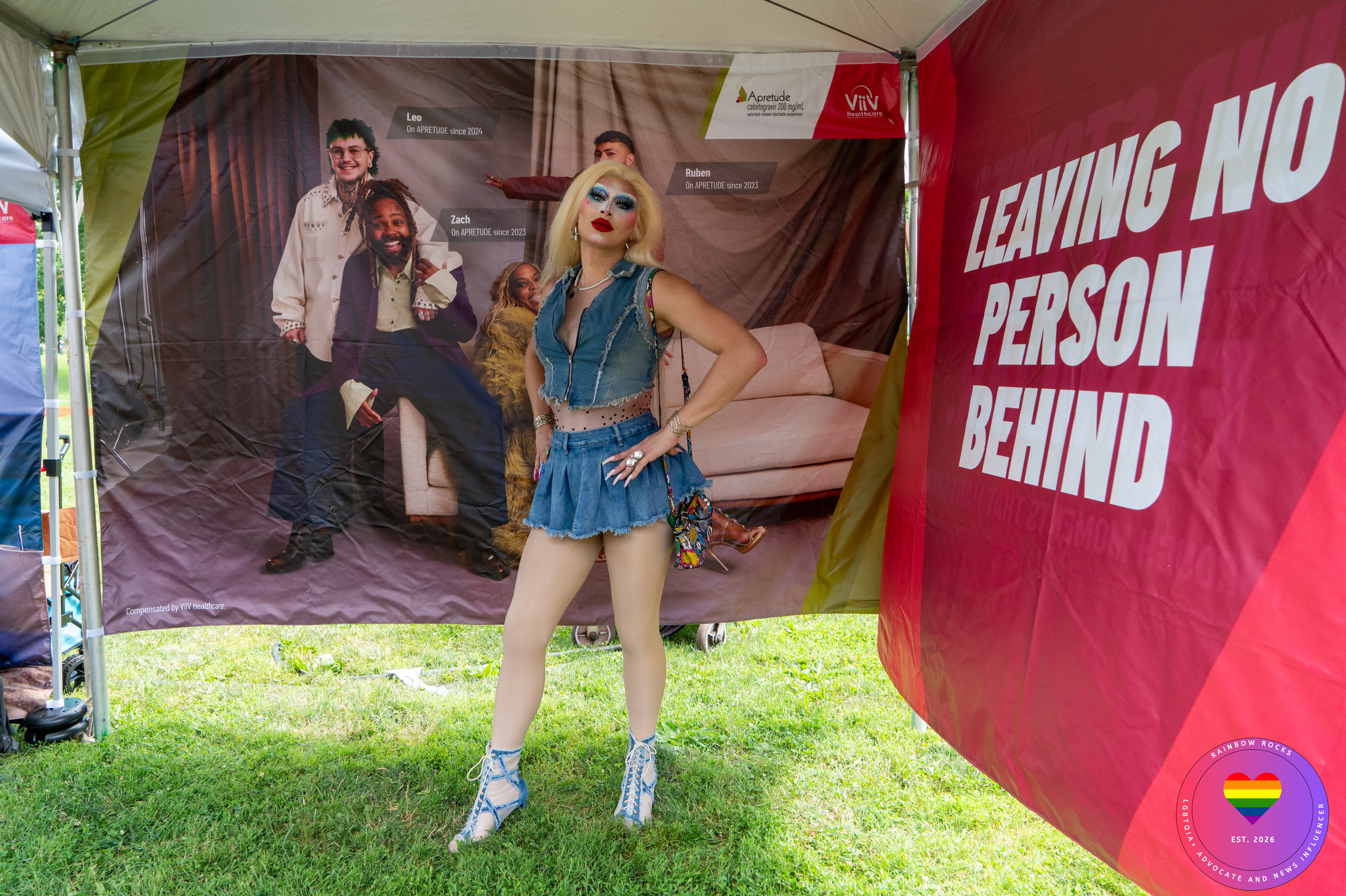
Anchored by the magnetic presence of host Amber Knicole, the Freedom Stage served as the beating heart of the evening. The music was heavy, the drag and live entertainment were stellar, and the crowd was unified in absolute solidarity. Yet, beneath the pulsing bass and the euphoric dancing, a singular topic dominated every conversation, interview, and quiet huddle across the festival grounds: Ohio House Bill 249.
The Shadow of HB 249: “It Will Kill Pride as We Know It”
While the festival grounds were alive with unapologetic celebration, the legislative reality brewing just blocks away at the Ohio Statehouse cast a long shadow. Rebranded by proponents under the paternalistic title of the “Indecent Exposure Modernization Act,” House Bill 249 passed the Ohio House in late March 2026 and currently sits with the Senate Judiciary Committee.
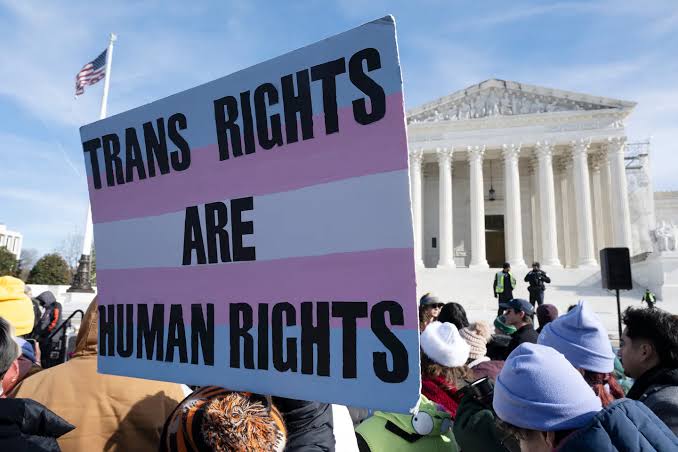
The bill seeks to ban what it labels “unlawful adult cabaret performances” anywhere outside of strictly designated, adult-only venues if a minor could potentially be present. Because the legislation deliberately utilizes sweeping, highly ambiguous language to define a cabaret performer—effectively weaponizing definitions to target anyone expressing a gender identity that differs from their assigned sex at birth—the community views it as a direct, thinly veiled attempt to criminalize public drag and erase transgender and non-binary visibility from public life entirely.
On the ground at the festival, grassroots mutual aid and advocacy organizations like Punk Rock Saves Lives were actively engaging with attendees, gathering community commentary, and capturing the raw reactions of a community under legislative siege. The consensus among festival-goers was absolute and unwavering: nobody wants House Bill 249.
“This bill isn’t about protecting anyone,” one festival attendee shared during an on-site interview. “It’s designed to push us back into the closets and dark corners. If HB 249 passes, it kills public Pride festivals. It criminalizes our art, our trans siblings, our expression, and our fundamental freedom to gather in the sunshine.”
The anxiety is rooted in the draconian statutory penalties outlined in the bill, which could elevate public drag performances or gender-nonconforming expressions in front of a minor to a first-degree misdemeanor—or even a fourth-degree felony under vaguely defined, highly subjective “obscene” contexts. For an event like Stonewall Columbus Pride, which has welcomed families, queer youth, and chosen families for 45 years, the legislation represents an existential threat to public survival.
Celebrating Black Queer Excellence on Juneteenth
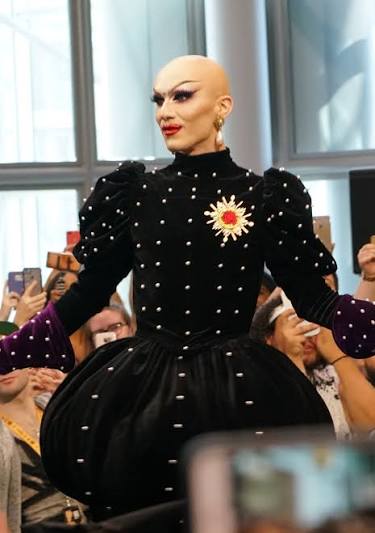
Adding to the emotional weight of the evening, local icon and drag queen Anisa Love took to the Freedom Stage, delivering a stunning vocal performance that resonated deeply across the crowded festival grounds. Singing a powerful, uplifting anthem dedicated to the historic survival of the queer community, her performance arrived at the perfect moment—acting as a therapeutic release for an audience carrying the heavy anxiety of House Bill 249.
As her voice soared over the crowd, it transformed the space into one of pure, collective healing. In that moment, Anisa Love did more than just entertain; she reminded everyone present of the enduring power of queer art, anchoring the Juneteenth celebration in a profound sense of hope, ancestral strength, and unapologetic pride.
The timing of Friday’s festival opening carried immense cultural weight. Falling on June 19th—Juneteenth—the evening naturally became a dedicated, intentional space to honor, center, and uplift Black queer identity and history in Columbus.
Amidst the legislative existential dread, the Freedom Stage became a sanctuary. Amber Knicole kept the crowd’s energy elevated, reminding everyone that queer joy is not a distraction from the fight—it is, in itself, a radical form of protest. Performers, musicians, and speakers took turns reclaiming the narrative, refusing to let the looming political battles strip away the magic of the night.
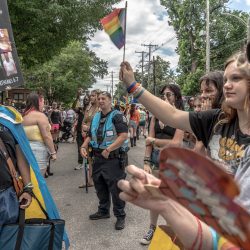
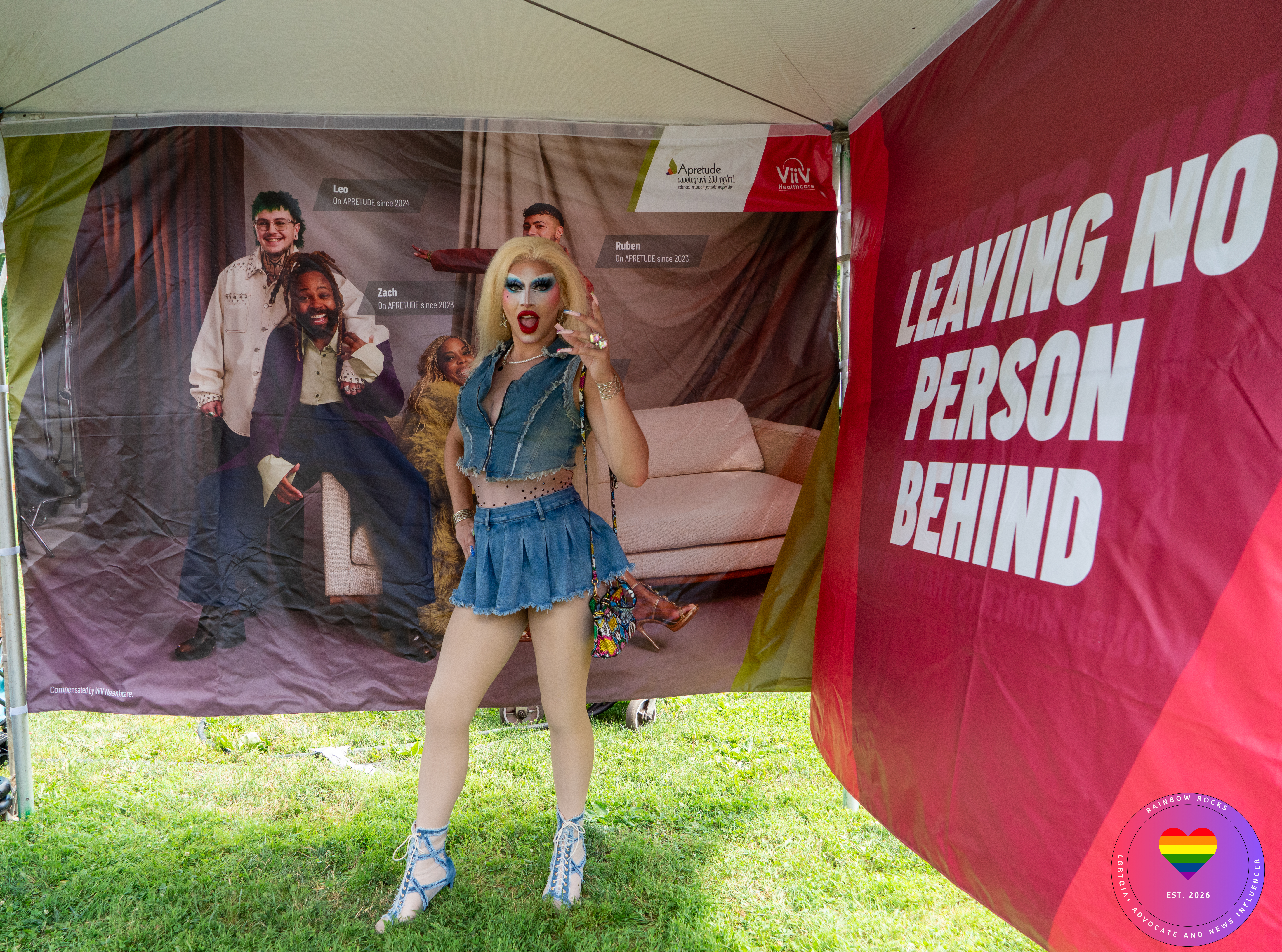
Attendees drifted through rows of booths representing LGBTQIA+-affirming local businesses, life-saving healthcare resources, and grassroots advocacy groups. The sheer density of the crowd and the warmth of the interactions served as a physical reminder of the community’s size, power, and refusal to be intimidated. If the authors of HB 249 intended to scare Ohio’s LGBTQIA+ population back into hiding, the massive turnout on Friday night delivered the exact opposite message.
A Brewing Storm
Ultimately, Friday night proved that the true power of Columbus Pride does not belong to the hostile politicians at the Statehouse, nor does it yield to the agitators at the gates. It belongs to the people dancing in front of the Freedom Stage, the organizers building safety nets at the booths, and the Black queer community standing resilient on Juneteenth.
As the music faded into the warm June night, the overwhelming takeaway was clear: a community built on decades of survival, mutual aid, and authentic expression cannot be easily legislated away. The battle lines for Ohio’s future have been drawn, but if the fierce unity on display in the Short North was any indication, Columbus is more than ready to fight for its right to shine.
Editor’s Note: This article is Part 6A of an ongoing Pride series covering Columbus Pride 2026. In our upcoming installment, Part 6B, we will shift our focus heavily to the annual Pride Parade and the Main Festival grounds. Part 6B will feature reactions from the Stonewall Pride March and a detailed look into just how volatile the situation became when a Far-Right Anti-Christian Agitator Group breached the Stonewall Pride Festival, Food, and Community Alley on Saturday, June 20th. We will examine how the LGBTQIA+ community was forced to defend its sacred space against these agitators, and look into the actions of the Columbus Police Dialogue Team, whose presence escalated the tension and violated the First Amendment rights of LGBTQIA+ and Trans festival-goers.
Part 6b: The Streets Belong to Us — The Power of the Pride Protest
[Separate Feature] Pride was born out of a riot, and resistance is woven directly into our DNA. In this special standalone feature, we throw it back to the foundational roots of the movement and look closely at the modern fights still being fought on the ground. From history to the present day, explore why taking to the streets, holding banners high, and marching in protest remains a vital, unyielding power chord for true liberation.
“Rainbow is the author and creator behind this. Committed to amplifying LGBTQIA+ voices and pushing through the noise, Rainbow stands by this work. For media inquiries, official commentary, or press statements regarding the response to this article or gallery on RainbowRocks.Space, please reach out to Evan J Thomas PR (EvanJThomasPR@gmail.com)—proudly providing LGBTQIA+-affirming, protective public relations.”