Columbus Pride 2026: Our Voices, Our City (Part 6 B) Joy, Resilience, and Friction in the Streets: Stonewall Columbus Pride 2026 Clashes with Anti-LGBTQ+ Agitation and Police Volatility
- Rainbow_Rocks
- July 1, 2026
- Creative Work
- #ColumbusOhio, #DragIsArt, #IndependentJournalism, LGBTQIA+, Rainbow Rocks, Stonewall Columbus Pride Fest And Parade
- 0 Comments
Photographed By: Rainbow: June 20th, 2026

Click Here To See Full Gallery
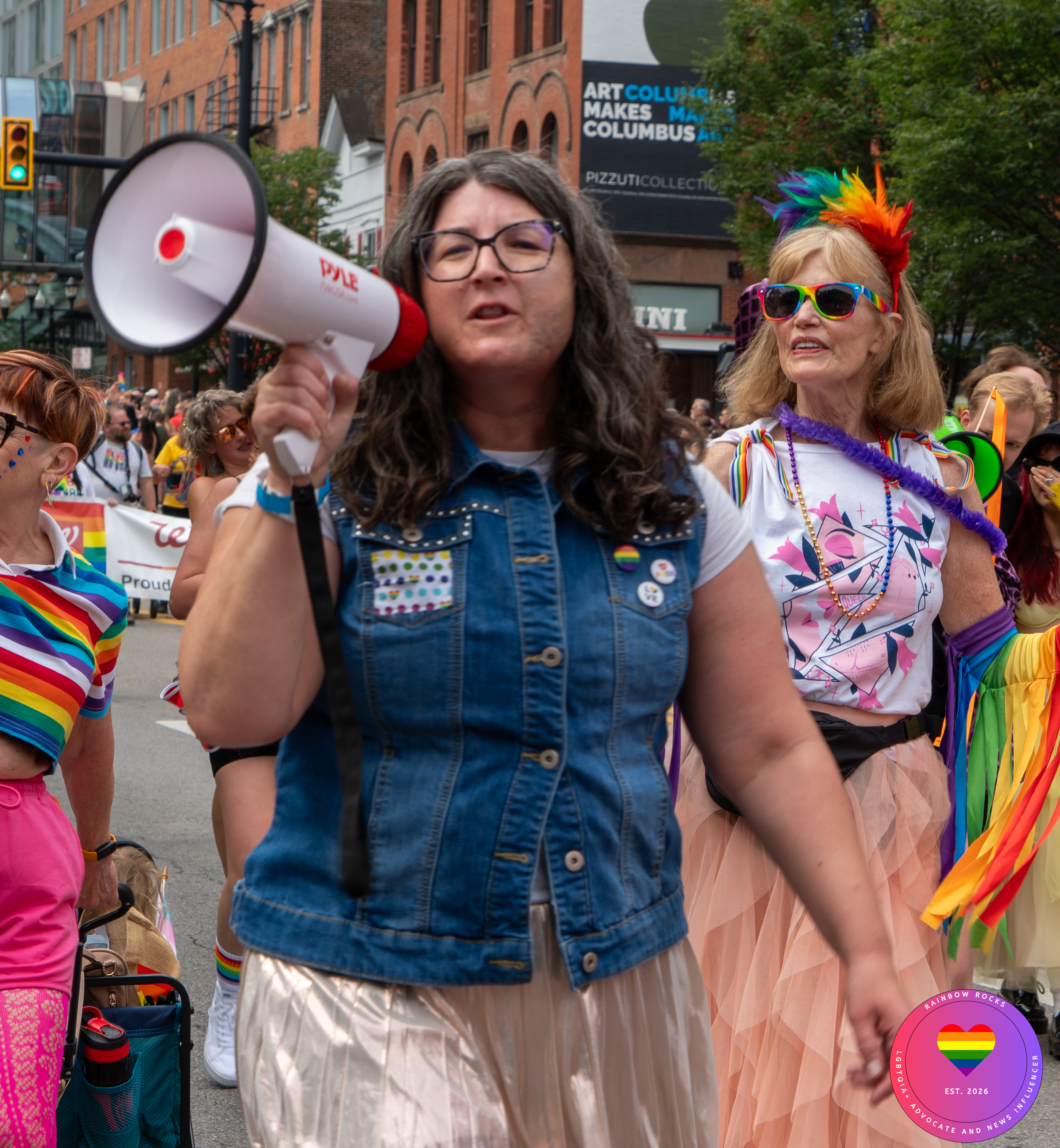
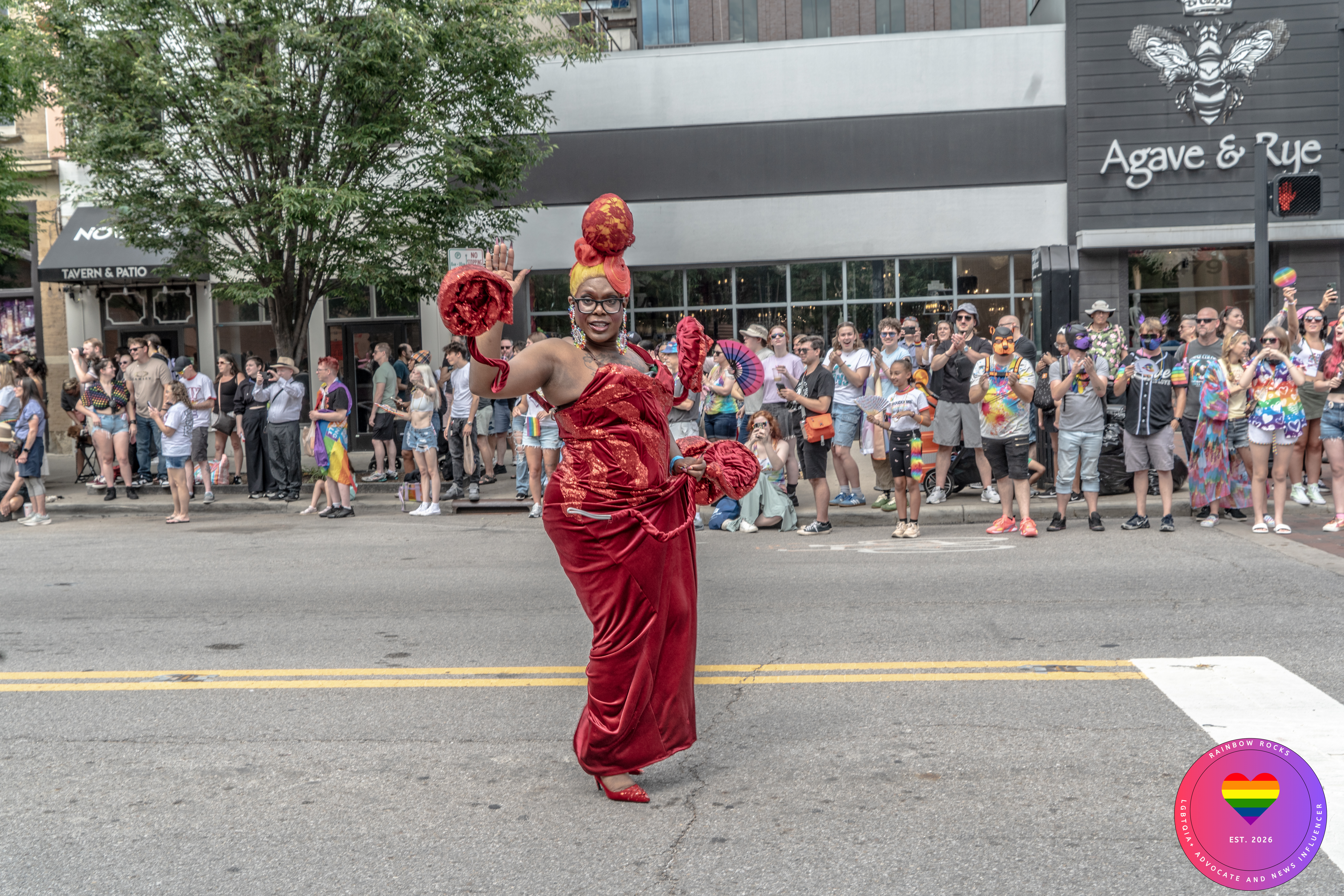
COLUMBUS, Ohio — The 2026 Stonewall Columbus Pride March on June 20th, 2026, stepped off into a brilliant, sun-drenched Saturday morning, wrapped in an energy that was simultaneously celebratory and fiercely defiant. A crisp, relentless wind buffeted the downtown towers and swept across the pavement, but it did nothing to dampen the spirits of the estimated 700,000 spectators and participants who flooded the urban core.
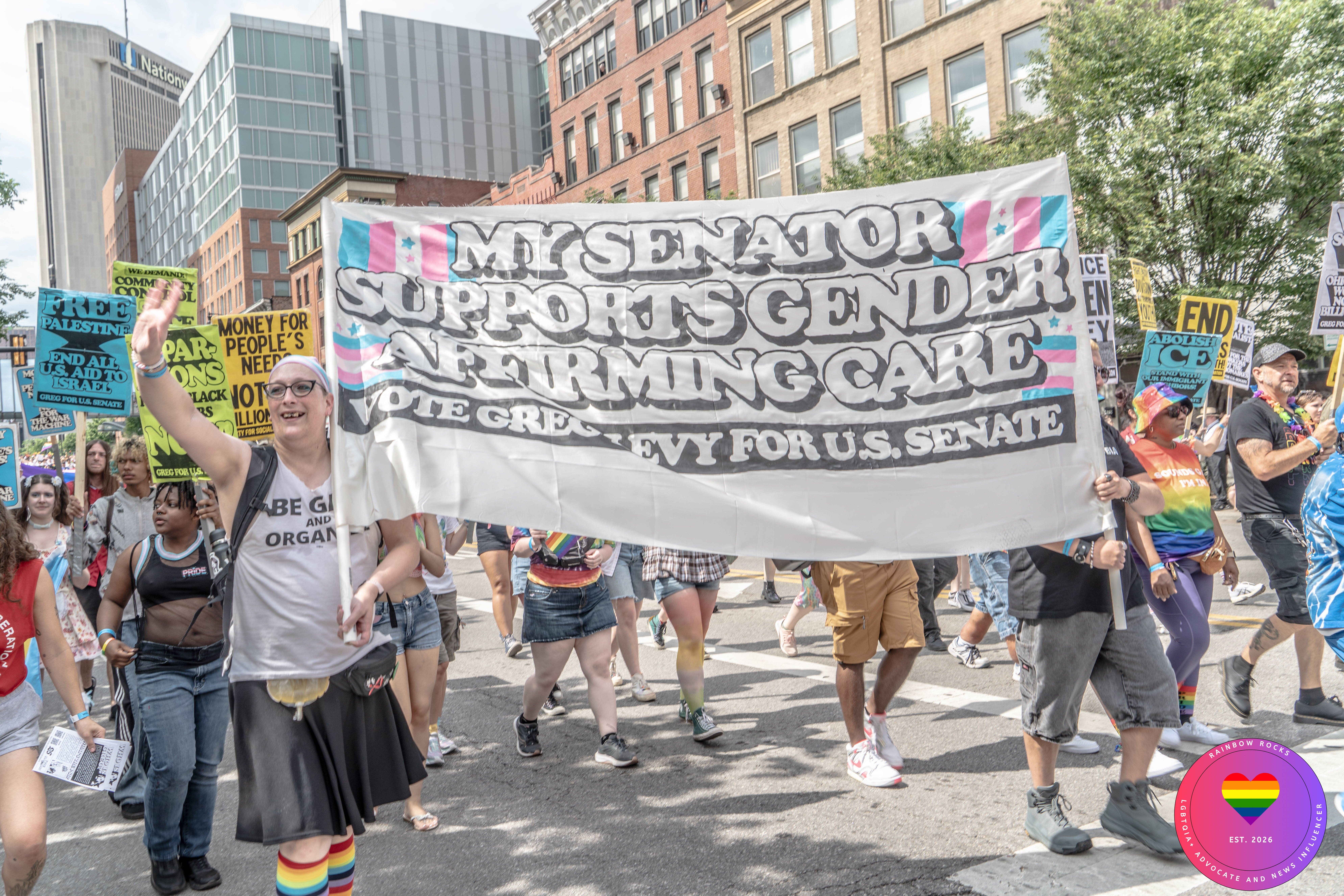
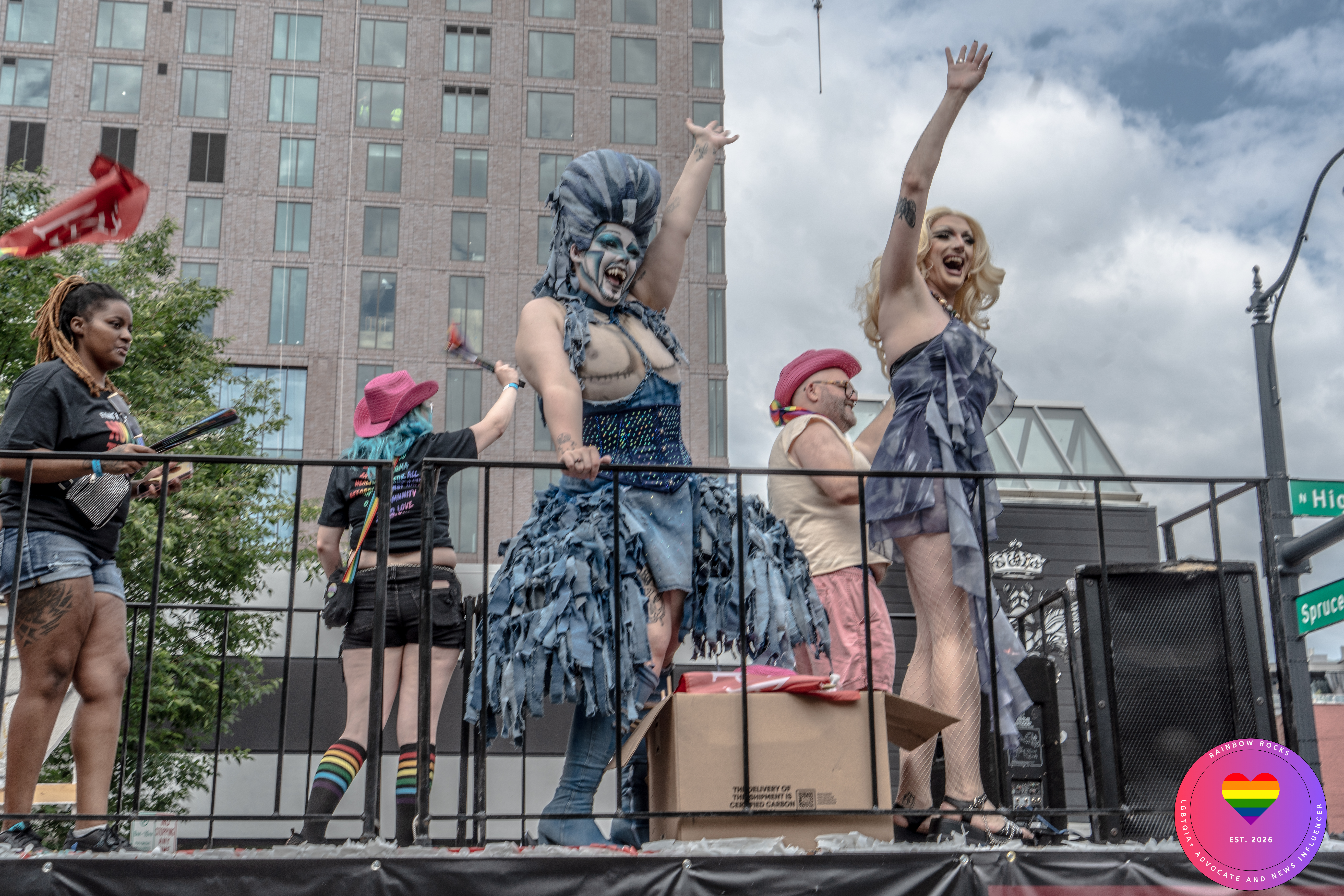
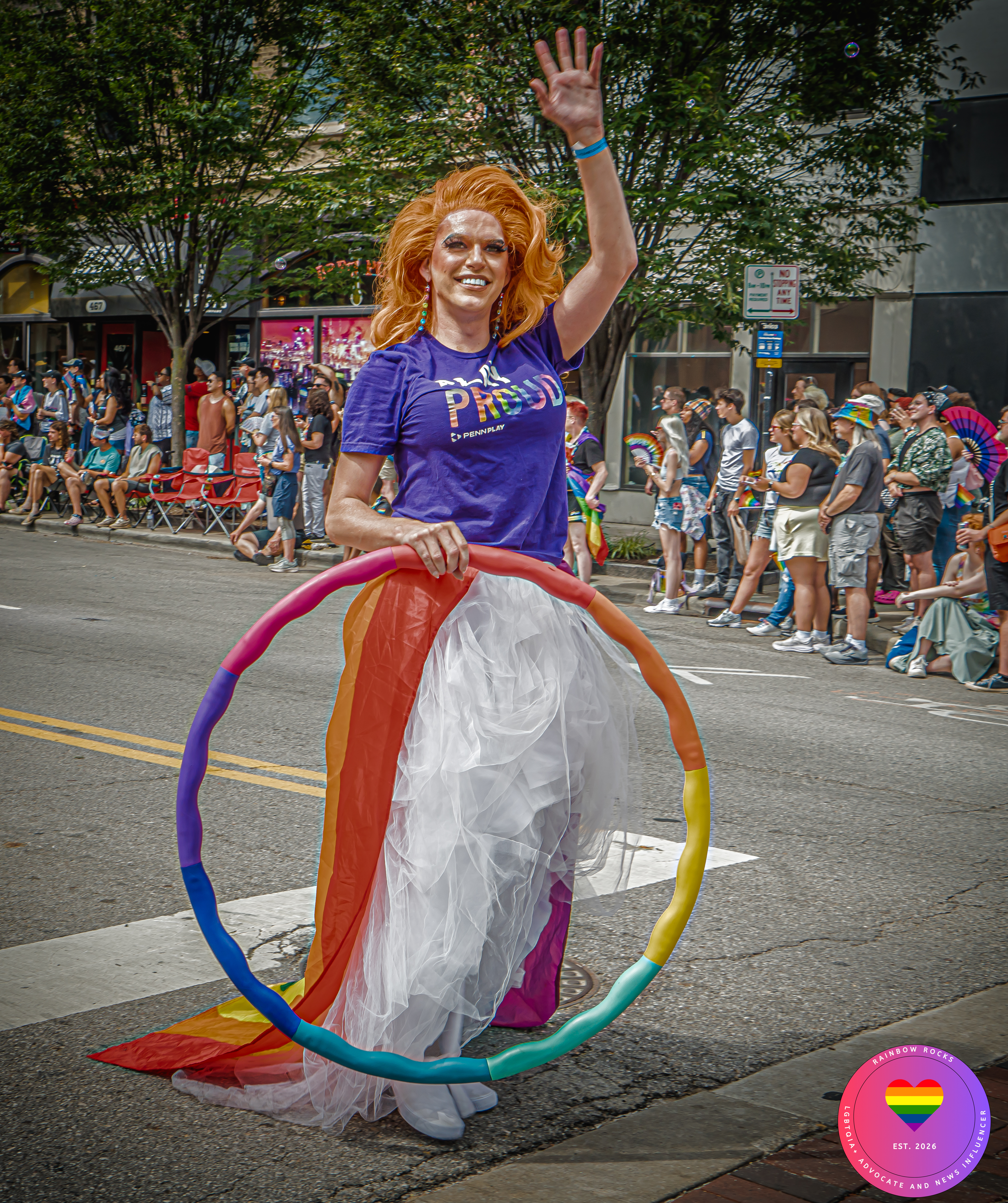
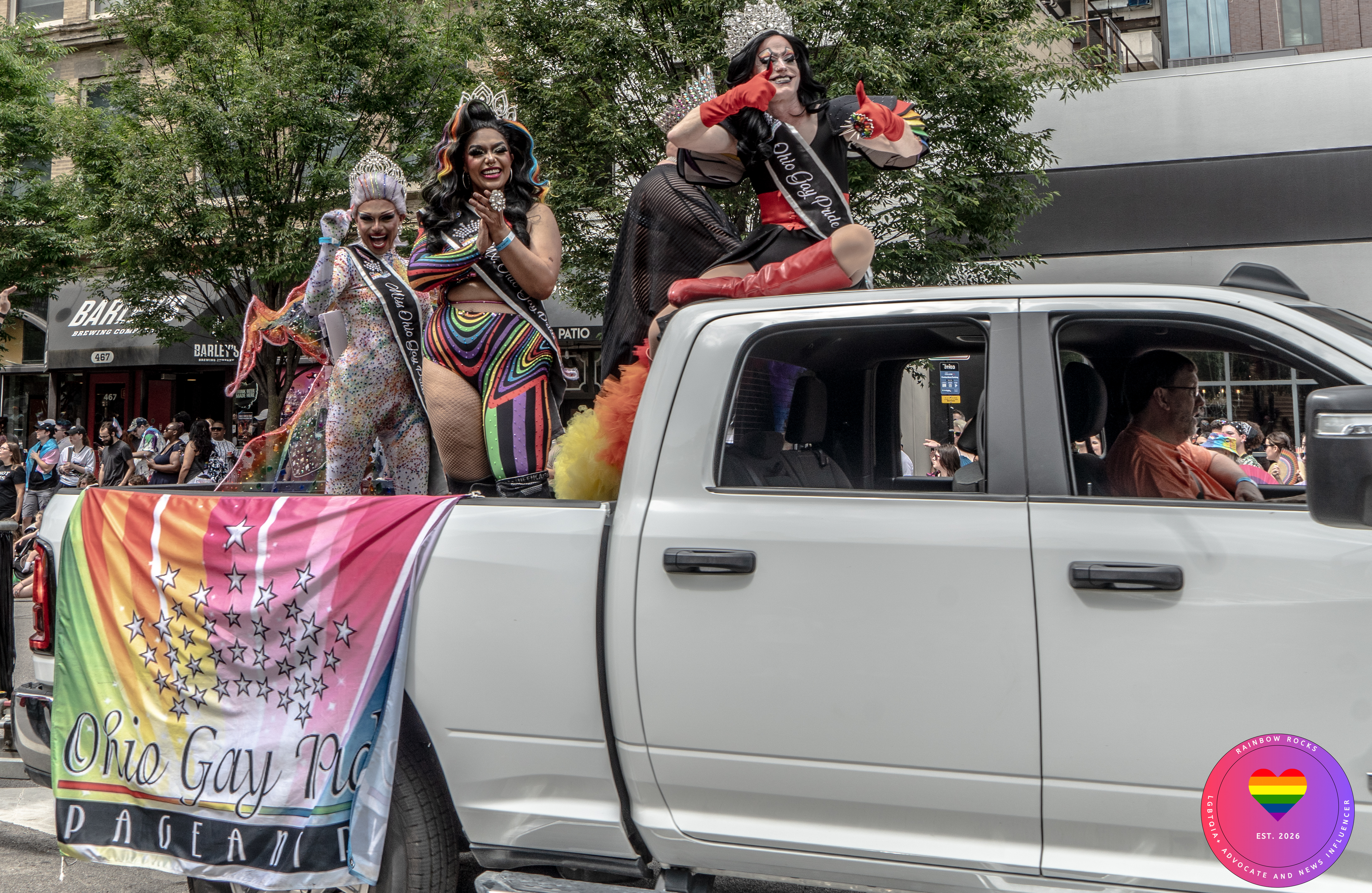
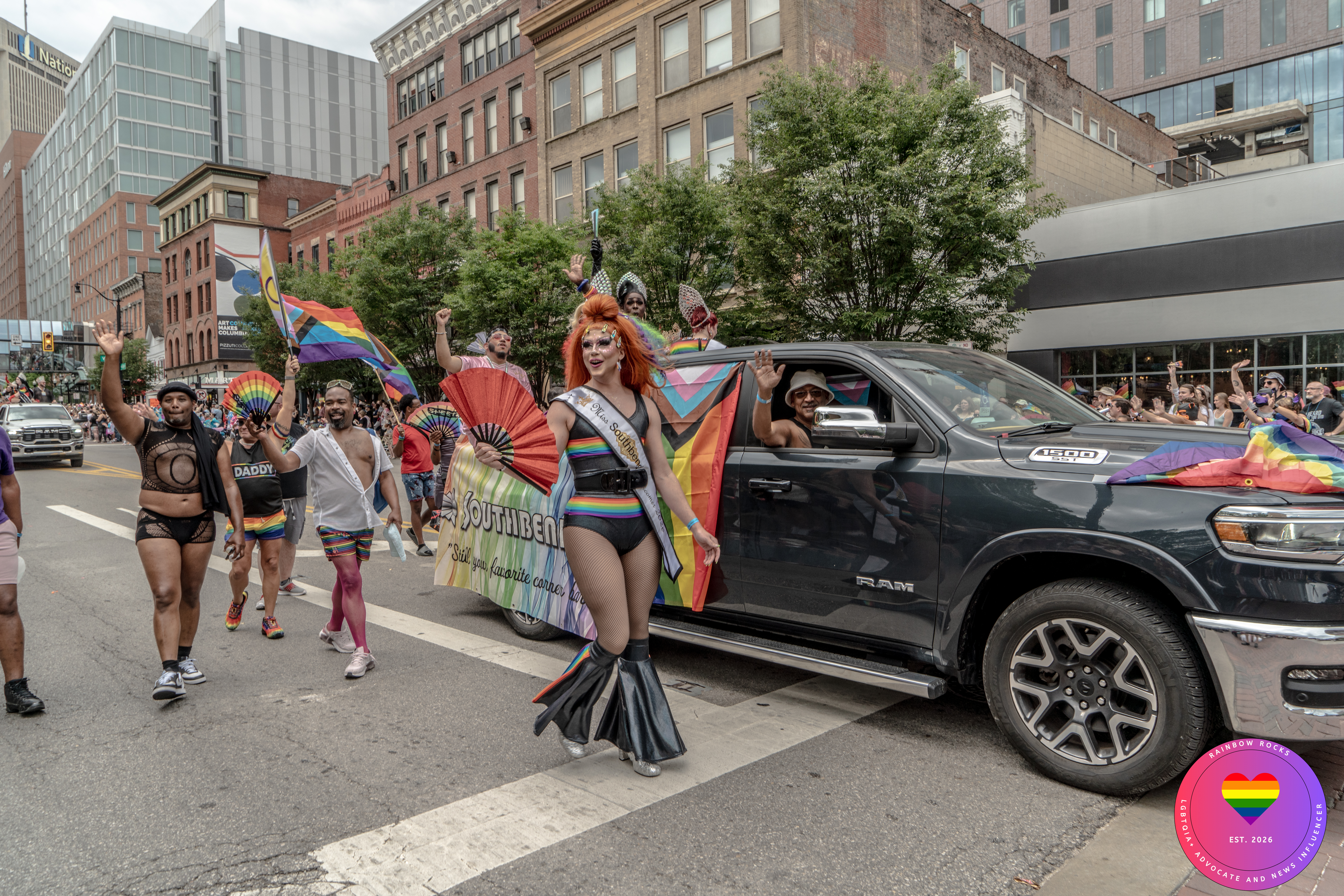
Moving north up High Street toward Goodale Park, the parade route became a massive, pulsing artery of community visibility and unadulterated joy. For miles, the barriers between the marchers and the crowd dissolved into a shared space of interaction, filled with thousands of advocates, community organizations, decorated vehicles, and towering, rainbow-draped floats.
The extraordinary turnout served as a profound affirmation of the strength and scale of the LGBTQIA+ community in Central Ohio. It stood as a vivid reminder of why the fight for equal rights—particularly for transgender and non-binary individuals whose liberties are increasingly contested—remains a deeply personal battle for thousands of residents.
                  [THE 2026 PRIDE PROGRESSION MAP]
   Downtown Columbus Core  ═════════════════════════>  Goodale Park
   • 10:45 AM March Step-Off                           • Festival Grounds
   • 700,000 Spectators & Marchers                    • Community Stages
   • High Street Corridor                              • Park & Russell Perimeter
The Spirit of the Streets: Joy as a Form of Protest
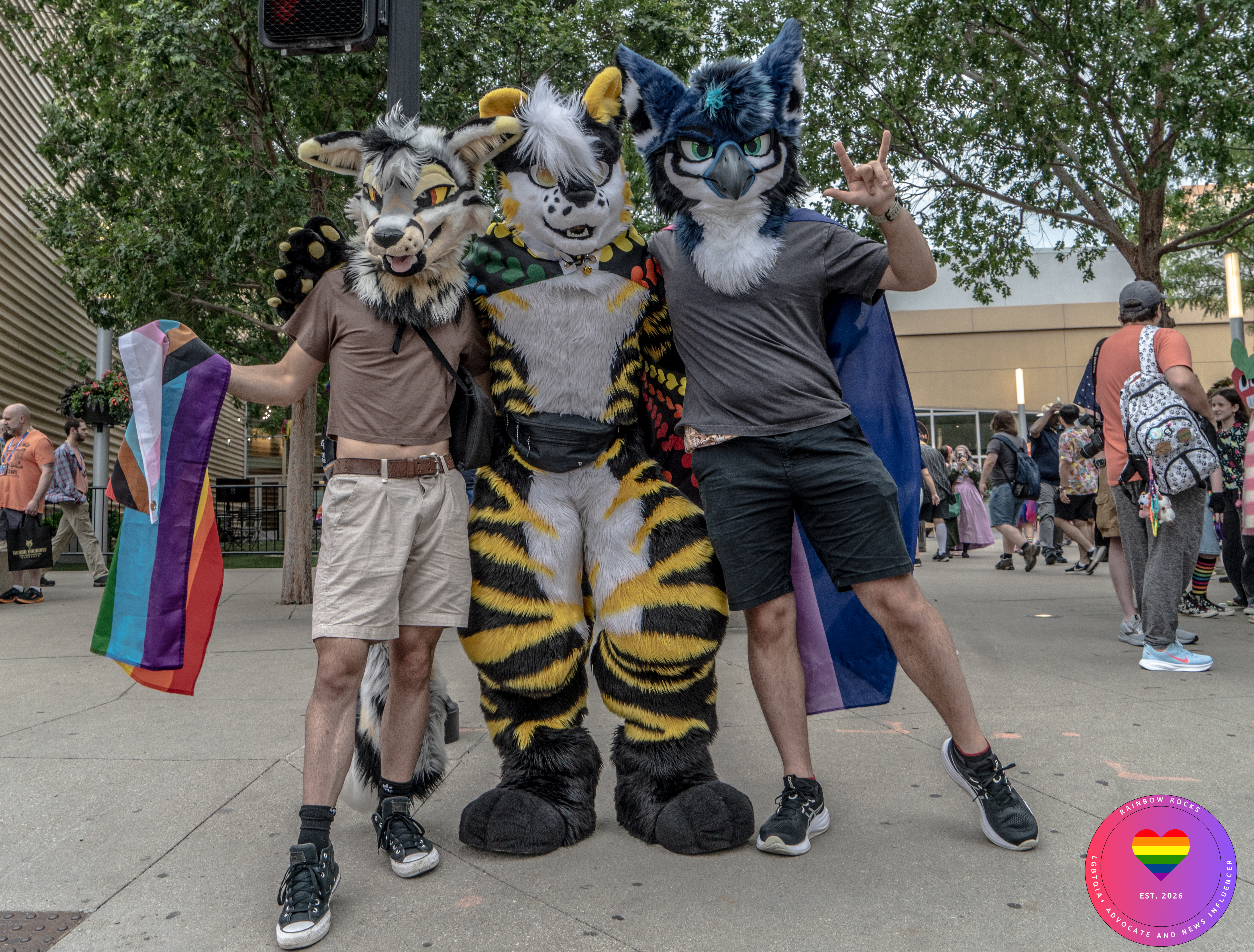
Among the endless visual highlights winding through the Short North Arts District, one of the most vibrant displays of spontaneous community joy centered around the downtown plaza where the iconic bronze statue of Arnold Schwarzenegger stands. What began as a handful of costumed furry revelers quickly captured the attention of the surrounding crowd. Ranting, raving, dancing, and interacting with passing floats, their infectious energy transformed the stone plaza into an open-air celebration.
Every time spectators turned around, the group seemed to multiply, swelling to nearly twenty individuals in full, intricately crafted suits, laughing and dancing in full view of the passing parade. It was a beautiful, surreal, and deeply human moment that encapsulated the essence of modern Pride: taking up public space authentically, playfully, and without apology.
The emotional undertow of the parade, however, carried a much heavier weight. When speaking with attendees along the route, the reactions were defined by a profound mix of unity, resilience, and tactical empowerment. This was not merely a corporate-sponsored parade; it was a visible stand.
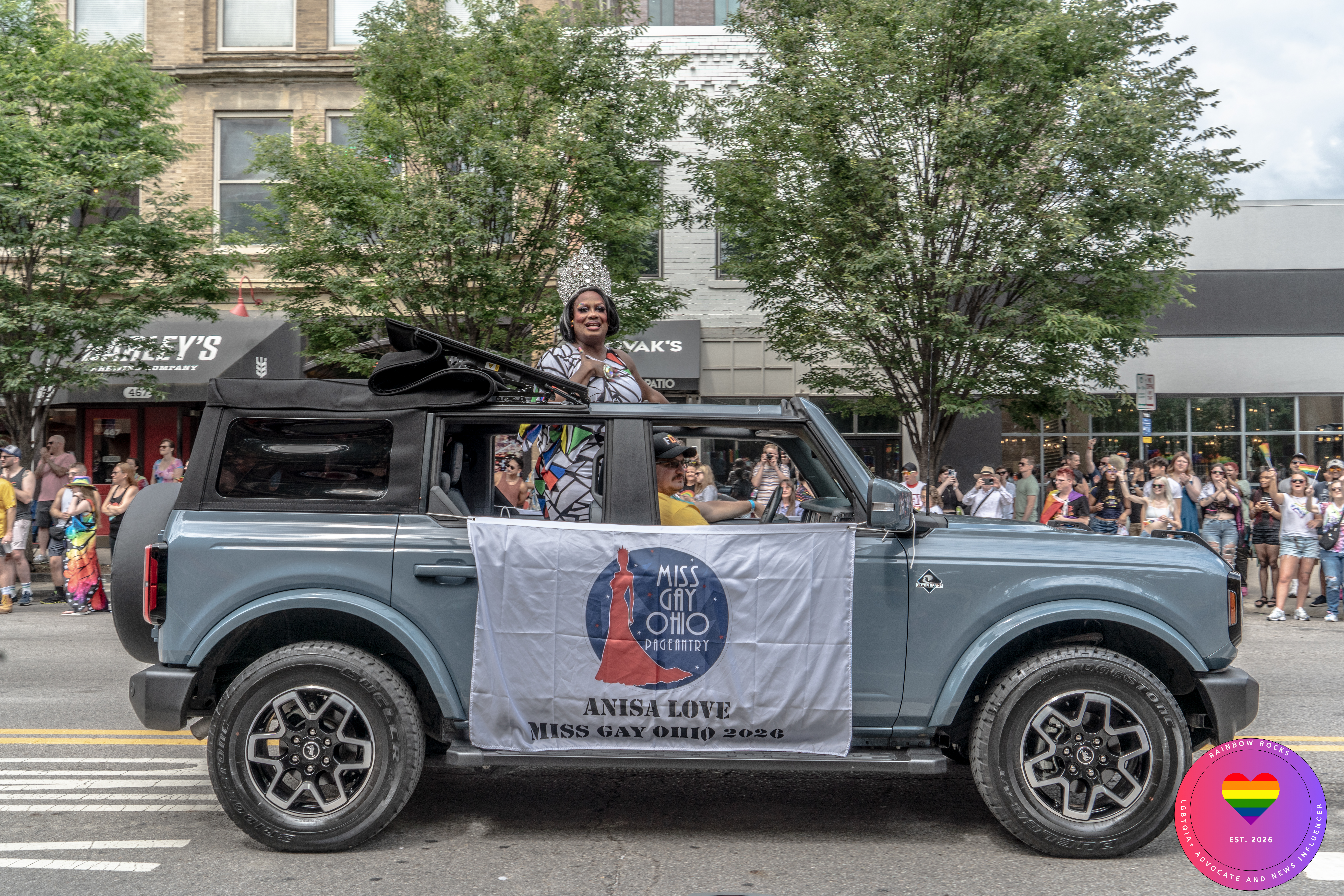
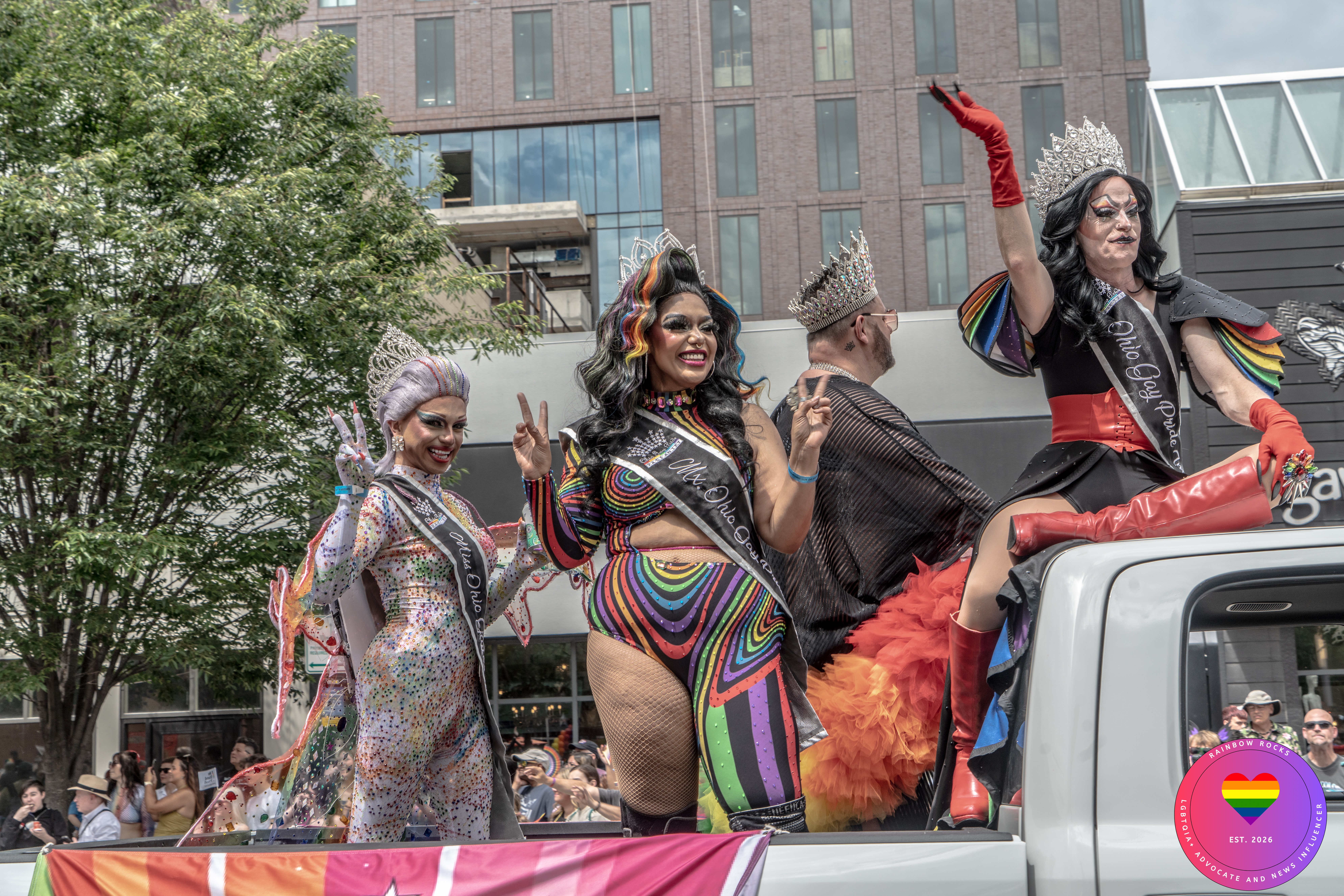
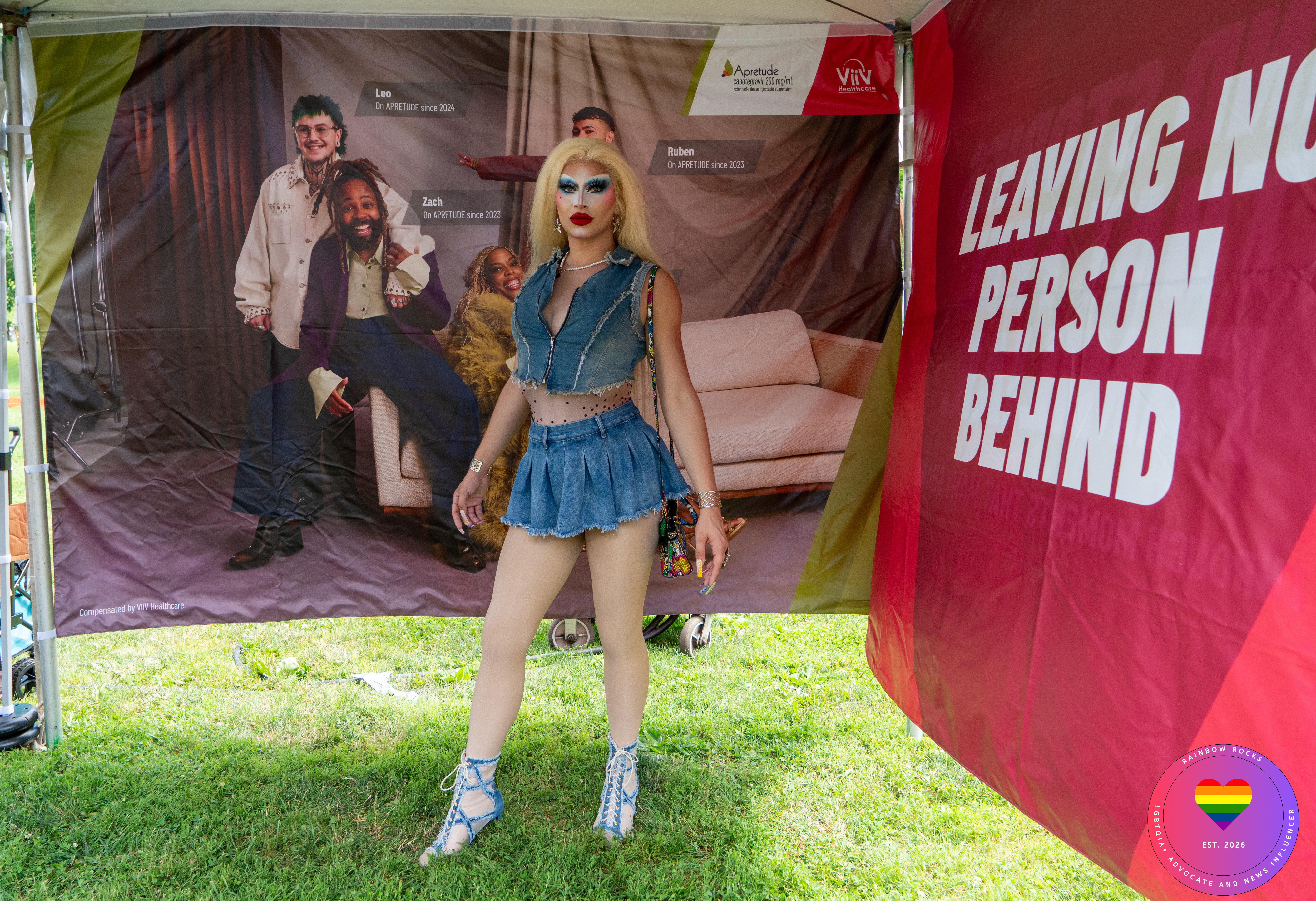
A central point of pride among the crowds was the prominent presence of local drag queens. Walking openly down the center of High Street, their towering silhouettes and elaborate gowns were met with deafening cheers. Their visibility was a deliberate, direct rebuke of the legislative shadow currently looming over the entire state of Ohio: House Bill 249.
The Legislative Shadow: Deciphering House Bill 249
To understand the mixture of celebration and anger present at the 2026 Pride March, one must look directly at the Ohio Statehouse. Known officially as the “Indecent Exposure Modernization Act,” House Bill 249 passed the Ohio House of Representatives with a 63–32 vote and has been a central point of contention as it moves through the legislative process.
The bill seeks to strictly regulate what it defines as “adult cabaret performances,” restricting them solely to adult-only venues like nightclubs, specific adult bars, or private residences where no minors are present. However, it is the bill’s expanded legal definition of “cabaret” that has sent shockwaves through the LGBTQIA+ community. The legislation broadens the definition to include any performer or entertainer who exhibits a gender identity that differs from the sex they were assigned at birth using clothing, makeup, prosthetics, or other theatrical physical markers.
| Statutory Provision under HB 249 | Practical Application & Real-World Impact | Primary Community & Legal Concerns |
| Expanded Definition of Cabaret | Automatically categorizes public performers expressing a gender identity different from their assigned birth sex alongside exotic dancers. | Broadly criminalizes public transgender presence, gender non-conforming expression, and traditional theatrical art forms. |
| Strict Location Mandates | Restricts all designated “cabaret performances” exclusively to age-restricted, adult-only internal spaces. | Bans all-ages family drag events, drag story hours, public park pride festivals, and open-air community stages. |
| Escalating Criminal Penalties | Charges individual artists with a first-degree misdemeanor if minors are present, escalating to felonies under specific obscenity clauses. | Grants wide, highly subjective interpretation to local law enforcement officers to police clothing, gender expression, and public artistry. |
If fully enacted into law, HB 249 would essentially wipe out public drag performances across Ohio, threatening working artists with immediate criminal prosecution and a permanent criminal record simply for performing their art on a public street or an outdoor stage where a teenager or child might look on. For the transgender, non-binary, and gender-diverse community in Columbus, the bill represents an existential crisis—a calculated attempt to use state power to push queer art, culture, and literal bodies out of the public square.
“The language of this bill is so intentionally vague that it gives the state the power to police what people wear in public. A law enforcement officer could look at an individual who is completely covered from head to toe, and if their clothing doesn’t align with traditional gender assumptions, label it an unlawful adult performance. It starts with drag, but the target is the visibility of trans lives.”
— Equality Ohio Advocacy Briefing
This legislative threat is precisely why the festival’s Red Space Stage became such an emotional lightning rod over the weekend. Dedicated entirely to celebrating drag excellence and queer performance, the stage served as a vital sanctuary.
For hours, crowds packed the space to cheer on performers who were delivering world-class art under the literal threat of impending criminalization. It was a space of pure, defiant joy—but for everyone in attendance, from the teenagers dancing in the front rows to the elder activists watching from the back, the stage felt like a beautiful fortress constructed on a rapidly shifting, dangerous political landscape.
                    [THE RED SPACE SANCTUARY]
     ┌────────────────────────────────────────────────────────┐
     │  • Public Celebration of Drag & Queer ArtISTRY         │
     │  • Safe Space for Trans & Non-Binary Representation    │
     │  • Defiant Focal Point Against Statehouse Censorship   │
     │  • Intergenerational Gathering of Community Support    │
     └────────────────────────────────────────────────────────┘
The Clash at Pride Fest: Standoff at Park and Russell
The underlying tension between community resilience and hostile outside forces came to a volatile head on Saturday afternoon as the festival hit its peak. The atmosphere within Goodale Park was celebratory, but as attendees and independent journalists navigated the crowded exits leading toward the food trucks and community vendors, the environment shifted instantly from a haven to a high-risk conflict zone.
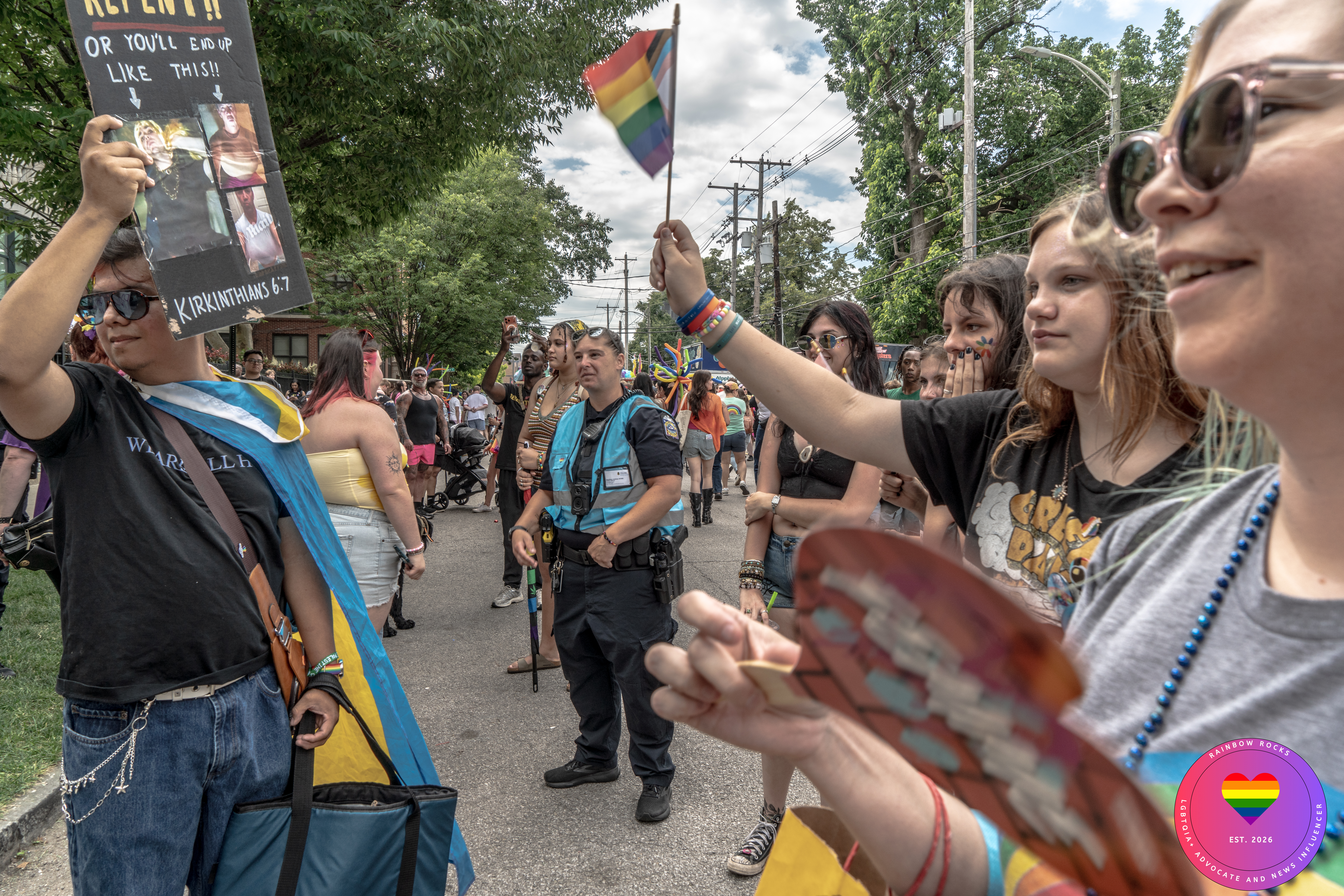
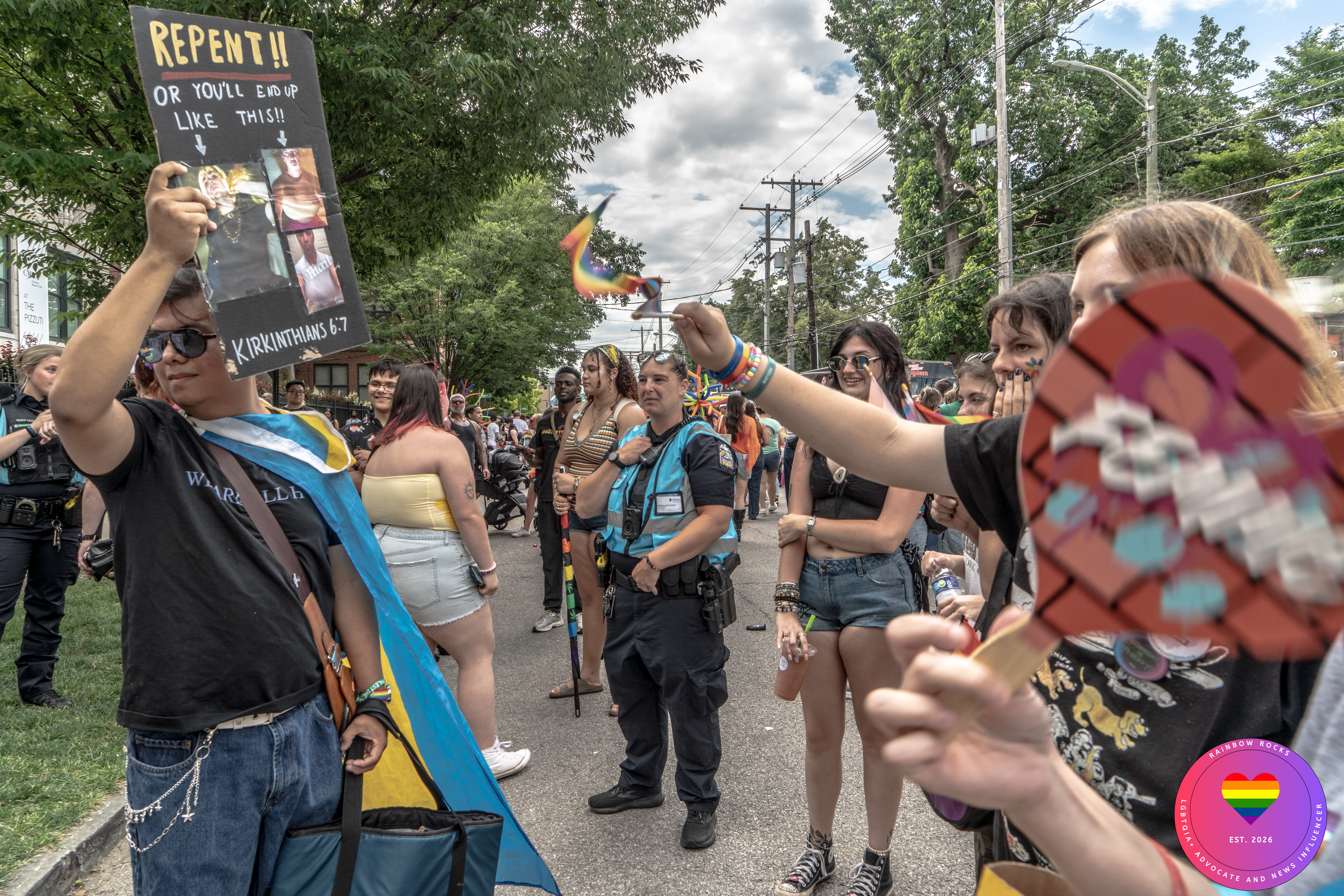
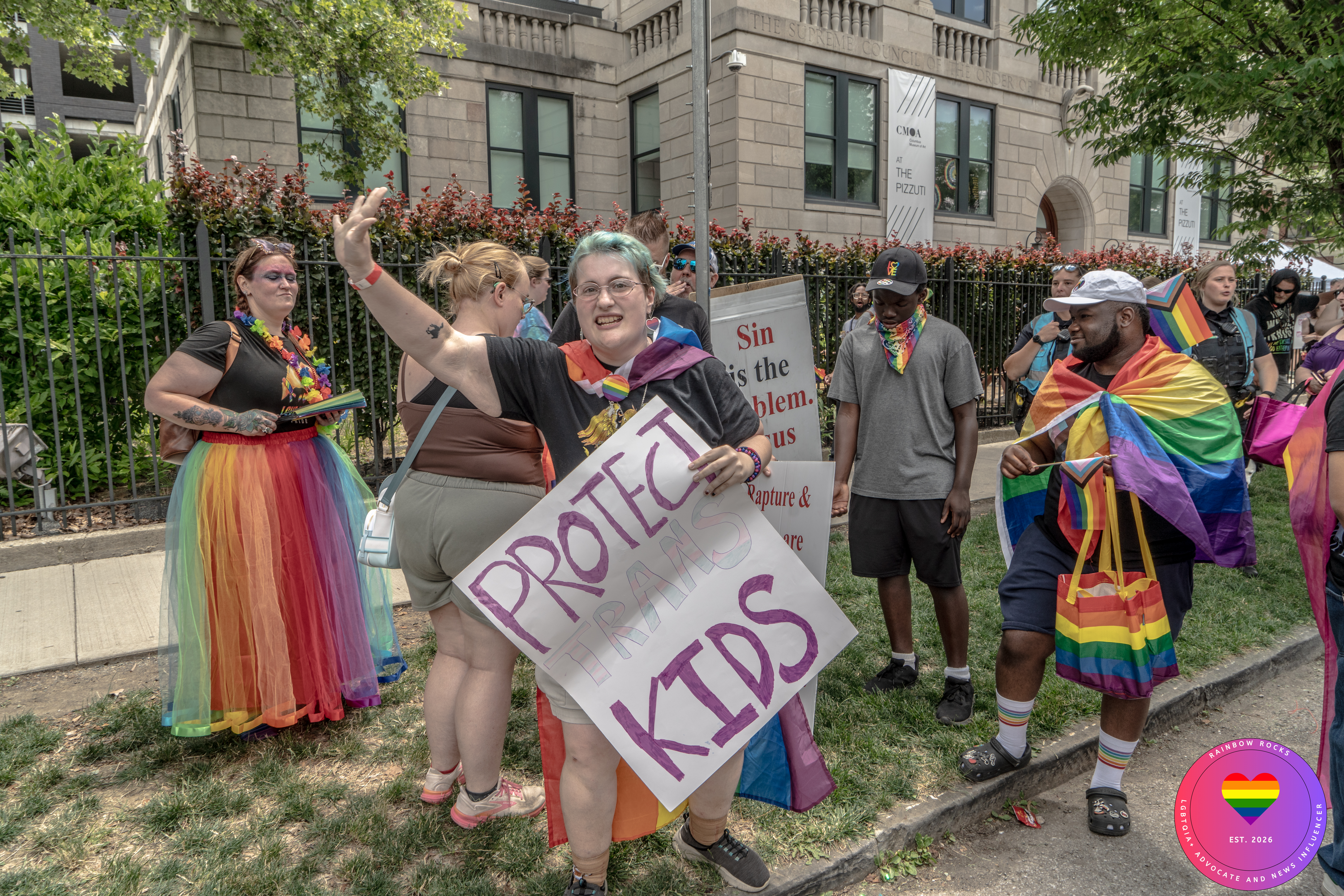
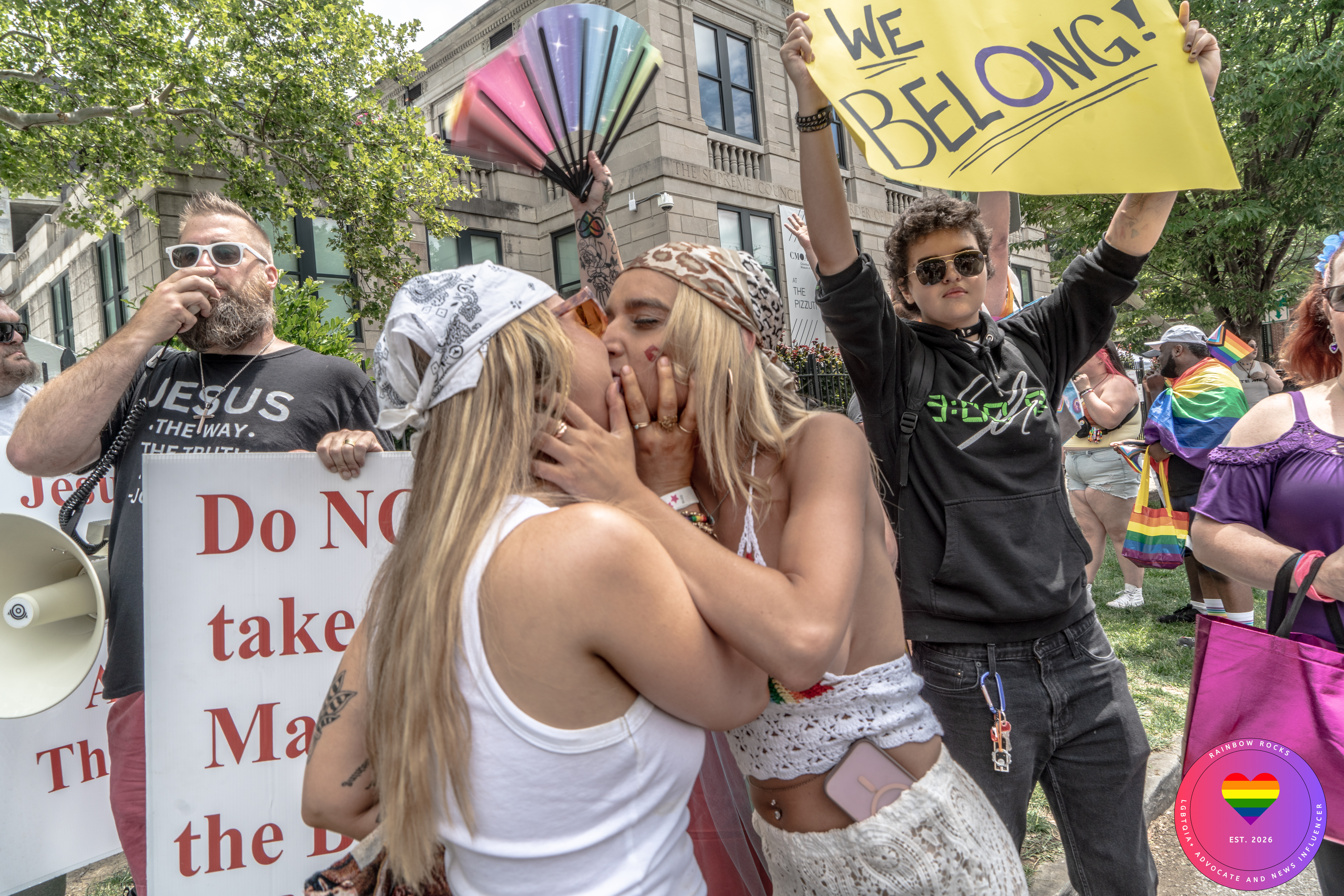
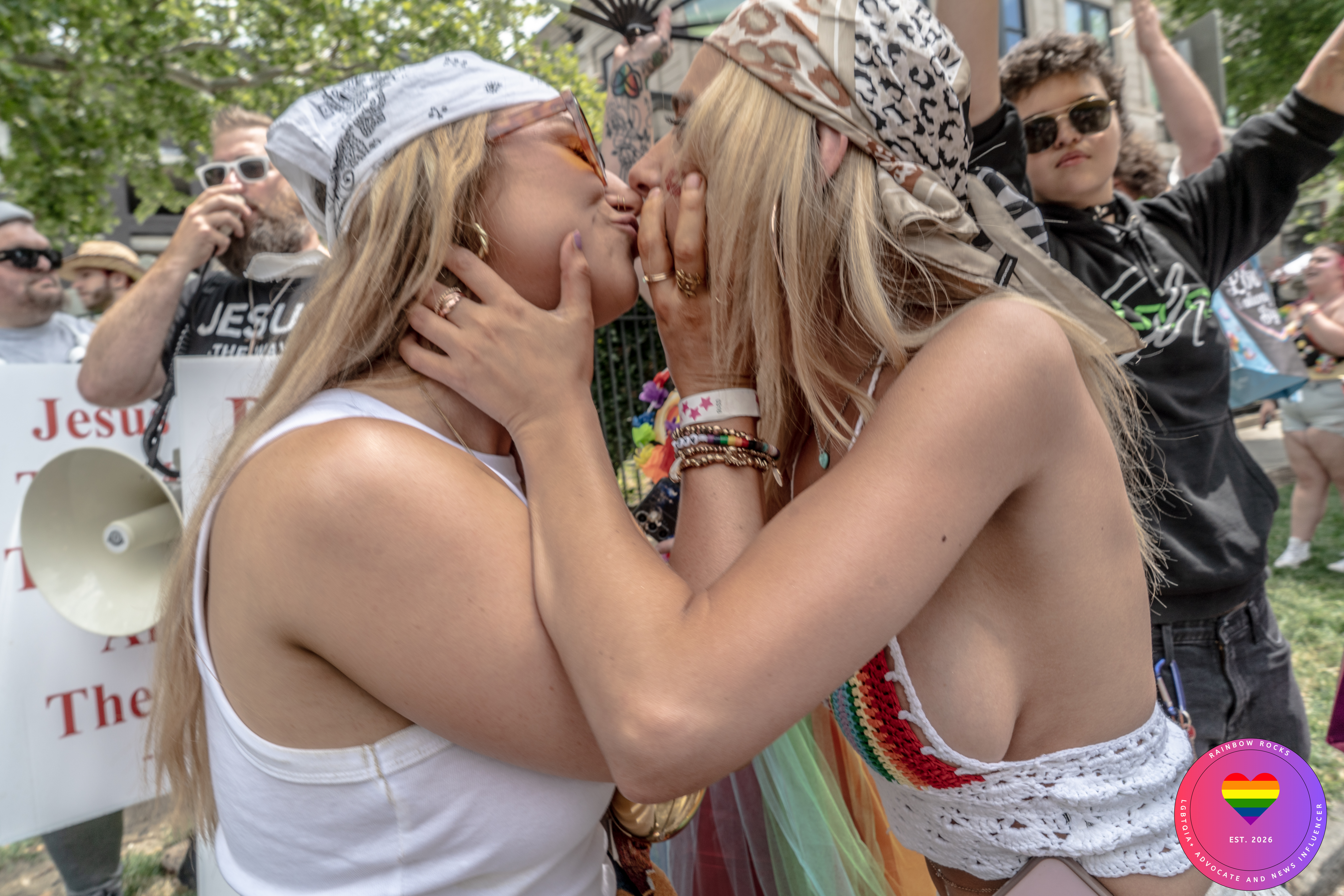
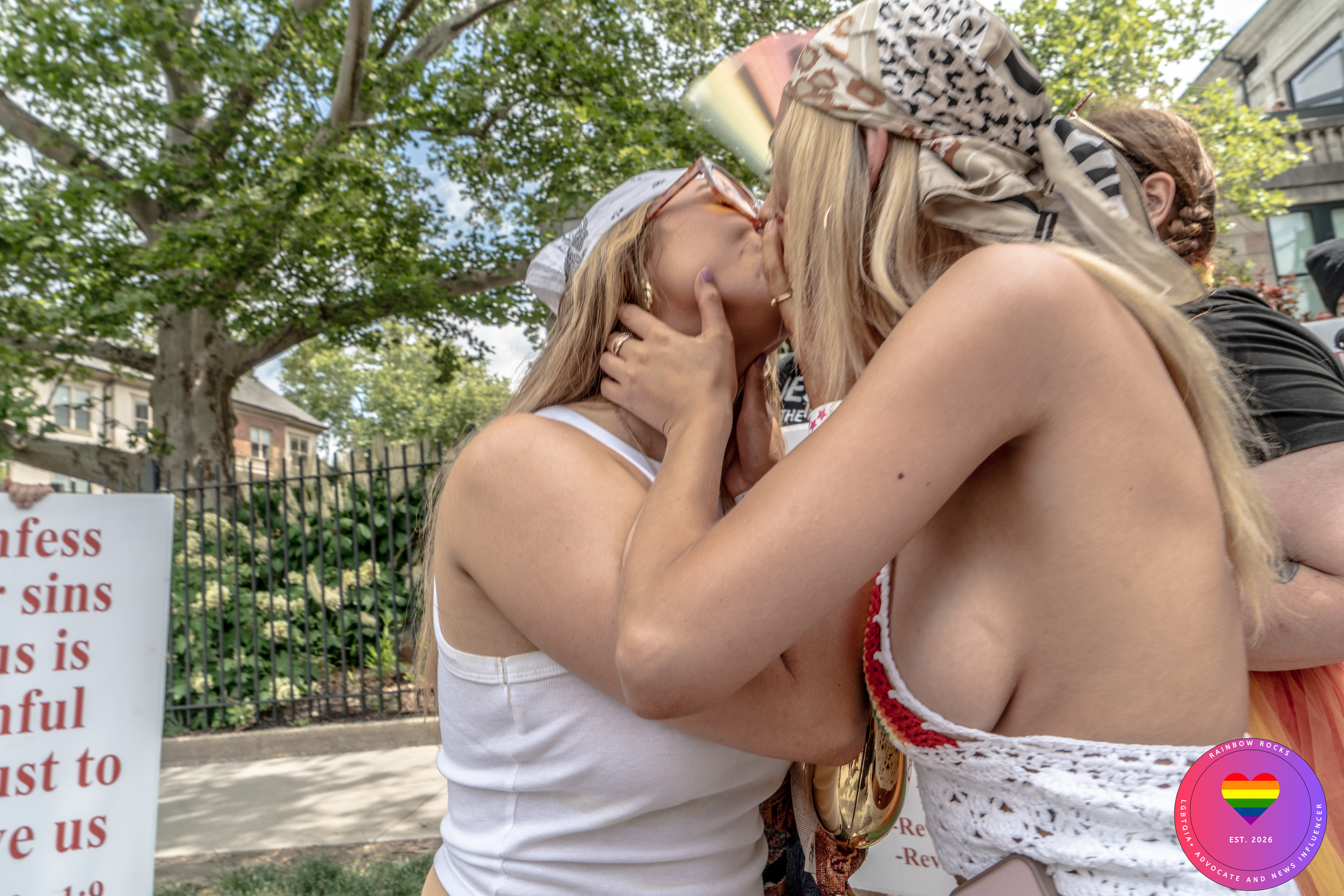
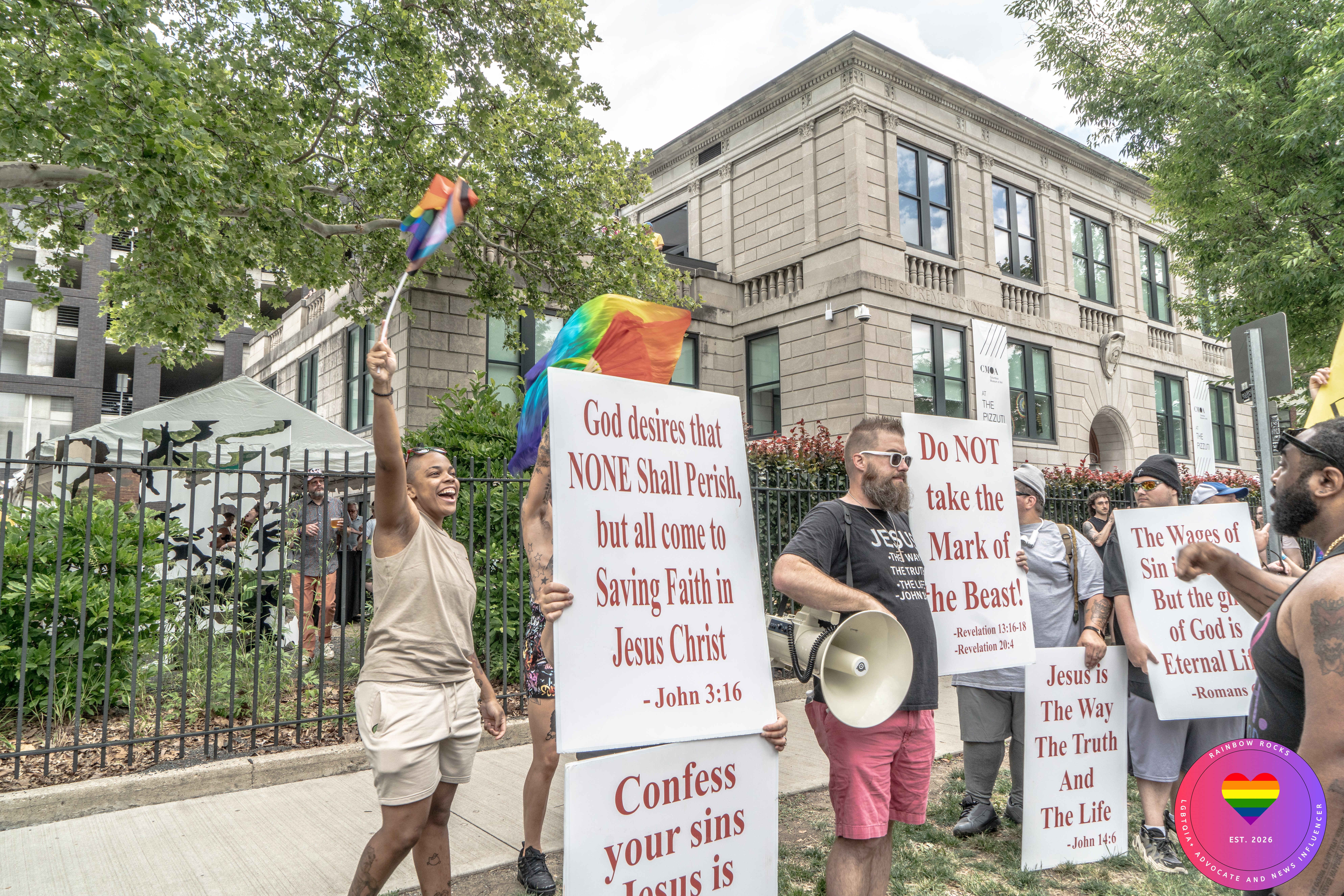
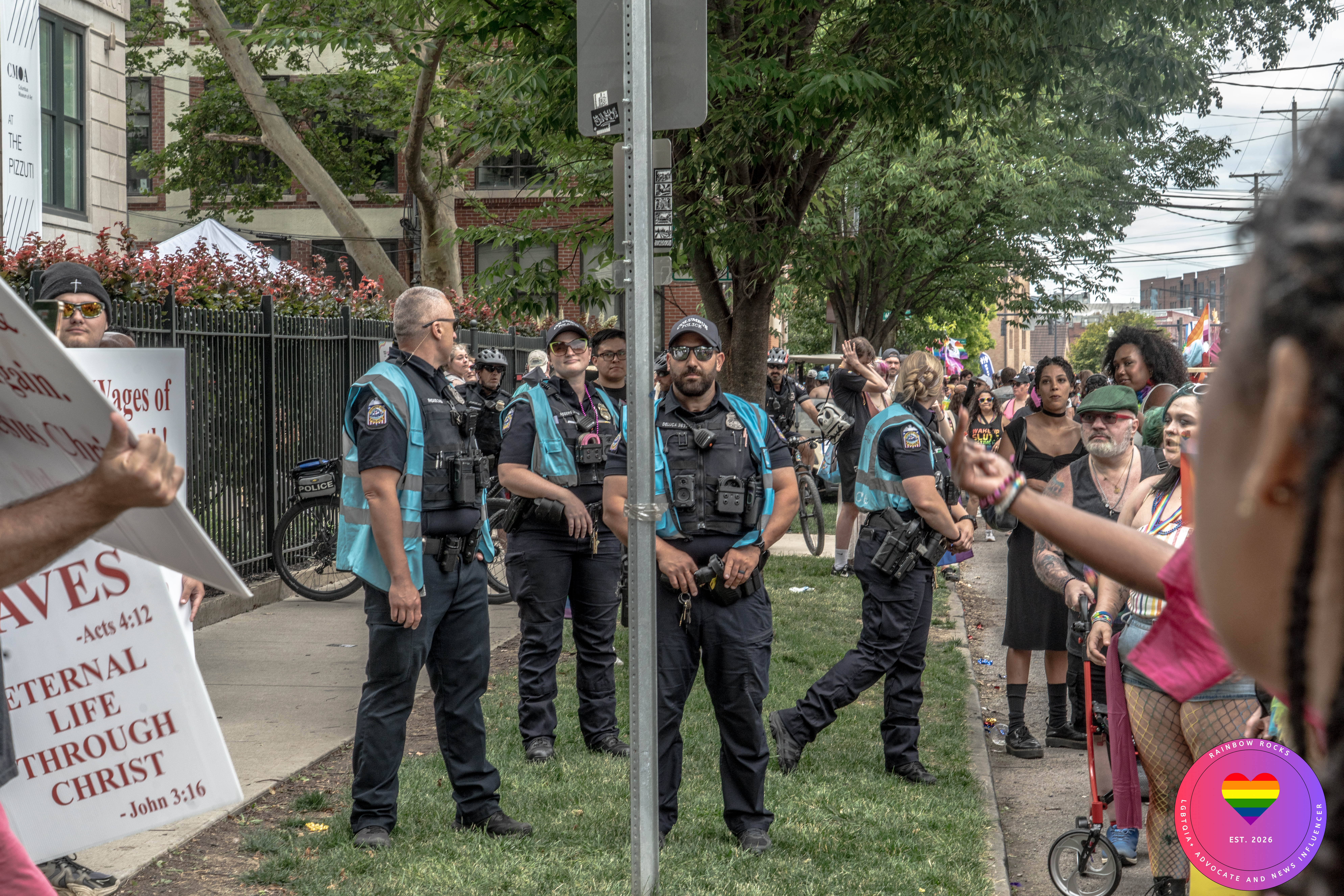
At the intersection of Park Street and Russell Street—less than half a block from the official boundary of Goodale Park—a far-right, anti-LGBTQ+ agitator group established a position on the public sidewalk. Brandishing highly graphic, inflammatory signs and utilizing amplification equipment, the group began shouting venomous rhetoric directly at the thousands of festival-goers walking past. The intent was clear: to disrupt the event, provoke a reaction, and bring psychological warfare to what was supposed to be a safe community space.
The response from the LGBTQIA+ community was immediate, organic, and fiercely protective. Rather than ignoring the intrusion, a crowd of approximately one hundred community members quickly mobilized into a human counter-protest.
Armed with massive rainbow flags, trans pride flags, and hand-painted signs, the counter-protestors formed a physical, visual wall directly in front of the agitators. They systematically raised their flags to form an impenetrable fabric barrier, completely blocking the hateful signage from the view of families and young children walking by.
              [VISUAL FLOW: PARK & RUSSELL INTERSECTION]
 ┌──────────────────────────────────────────────────────────────────┐
 │                  FAR-RIGHT AGITATOR GROUP Anti Christian                        │
 │  [Hate Speech / Inflammatory Signage / Amplified Rhetoric]       │
 ├──────────────────────────────────────────────────────────────────┤
 │ █ █ █ █ █ █ █ █ [COMMUNITY FLAG WALL BUFFER] █ █ █ █ █ █ █ █ █   │
 │  [~100 LGBTQIA+ Advocates / High Flags / Defensive Chanting]    │
 ├──────────────────────────────────────────────────────────────────┤
 │ ◄═══ COLUMBUS POLICE DIALOGUE TEAM (6 OFFICERS DEEP)             │
 │  [Physical Pushing / Direct Threat of Arrest / Crowd Control]    │
 └──────────────────────────────────────────────────────────────────┘
The street echoed with defensive chants: “Hey, hey, ho, ho, take your deplorable signs away! Get out of here! This is our community!” The counter-protestors maintained a strict boundary of passive resistance. They stood their ground on the public sidewalk and adjoining grass, careful not to initiate physical contact or place hands on the anti-LGBTQ+ agitators, utilizing their flags and voices as their sole instruments of defense.
The situation deteriorated rapidly, however, not because of the agitators, but due to the tactical intervention of the Columbus Police Dialogue Team.
Police Volatility and the Targeting of Independent Media
Arriving on the scene six officers deep, the Columbus Police Dialogue Team’s actions immediately escalated the volatility of the intersection. Rather than acting as an impartial de-escalation force or addressing the hostile agitators who were sparking the conflict, the team focused their physical energy entirely on the LGBTQIA+ counter-protestors.
Officers began physically pushing the pride advocates back, forcing them off the public sidewalk and away from the grass buffer zone. The Columbus Police Dialogue Team issued aggressive warnings, explicitly threatening the community members with immediate arrest if they did not yield the public space to the agitators.
Despite the very real threat of incarceration, the community refused to be intimidated. Driven by a deep sense of historical resistance, the crowd held its defensive line, continuing to shield the passing festival-goers from the agitators’ view.
It was during this intense standoff that law enforcement turned its focus toward independent journalism. As Rainbow Rocks stood safely within the crowd near the Front Line, documenting the volatile choreography of the protest and the police response with my camera, members of the Columbus Police Dialogue Team approached me directly. Officers explicitly threatened me with arrest, claiming that my presence as an independent photographer was “impeding” law enforcement from performing their operational duties.
This assertion was completely unfounded. At no point did I cross police lines, interfere with an officer’s physical movements, or disrupt their actions; I was performing standard, constitutionally protected journalism in a public space, capturing the realities of a community under duress. The threat felt less like a legitimate operational concern and more like a tactical attempt to clear the area of independent lenses that could hold law enforcement accountable for their conduct.
                  [JOURNALISTIC BOUNDARY PRINCIPLES]
  Protected Press Activity               Unfounded Law Enforcement Claim
  ┌──────────────────────────────┐       ┌──────────────────────────────┐
  │ • Standing within public crowd│  VS   │ •Claims of physical impedance│
  │ • Documenting police conduct │       │ • Threats of criminal arrest │
  │ • Non-interfering photography│       │ • Attempts to blind the press│
  └──────────────────────────────┘       └──────────────────────────────┘
Beyond the aggressive physical pushing and threats directed at the press and protestors, a critical failure in communication occurred. The Columbus Police Dialogue Team operated completely isolated from the festival’s infrastructure, entirely failing to notify the internal Stonewall Columbus Pride Safety Team that a highly volatile, potentially dangerous Protest had developed on the immediate perimeter of their event.
With thousands of festival-goers continuing to stream past the corner of Park and Russell, the potential for a catastrophic physical escalation grew by the minute. Realizing that the police were exacerbating the crisis rather than resolving it, I made the executive decision to leave the immediate perimeter and track down festival leadership.
Navigating through the heavy foot traffic, I located organizers wearing official Stonewall leadership shirts. I briefed them clearly on the gravity of the situation: “You need to get a hold of the Stonewall Pride Safety Team and get them down to Park and Russell immediately. The police are pushing the crowd, arrests are being threatened, and with this many people walking by, this is going to get incredibly bad if your team doesn’t intervene.”
Internal Intervention and Local Reflections
The leadership team acted swiftly upon receiving the report. By the time I navigated back through the density of the festival to the intersection of Park and Russell, the internal Stonewall Pride Safety Team had arrived on site.
Unlike the local police officers, who relied on intimidation and physical displacement, the festival’s internal safety personnel possessed a deep understanding of de-escalation mechanics and community trust. Operating with calm authority, the safety team successfully stepped into the fray, defused the immediate operational gridlock, and effectively managed the dispersal of the conflict, bringing an end to an hour of intense emotional and physical distress for the community.
The fact that it required an independent journalist to leave the scene of an active protest to alert festival leadership because municipal law enforcement refused to coordinate with community safety structures speaks volumes. The Columbus Police Dialogue Team demonstrated an institutional inability to comprehend the structural totality of why that protest was so volatile, and why an aggressive police posture toward a marginalized community in the middle of a safety sanctuary causes immediate, deep psychological pain.
Following the resolution of the protest, I spoke extensively with multiple eyewitnesses and festival-goers who witnessed the Columbus Police Dialogue Team’s actions. The sentiment across the board was one of profound heartbreak and frustration.
“We come to Pride to feel safe, to feel like we finally have a weekend where we don’t have to look over our shoulders. To see the police show up and immediately start pushing us around, protecting the people screaming slurs at us, and threatening to lock us up for holding flags… it completely shatters that illusion of safety. They don’t understand our community, and honestly, it feels like they don’t want to.”
— Marcus, Local Festival Attendee
At the same time, there was immense praise for the Stonewall Columbus internal teams. The community felt protected by their own people, underscoring a growing sentiment that true safety within marginalized spaces is built through community self-defense and trained internal advocacy, rather than reliance on traditional law enforcement structures.
                   [THE CONTRAST IN SAFETY MODELS]
  Municipal Law Enforcement               Internal Community Safety
  ┌─────────────────────────────────┐     ┌─────────────────────────────────┐
  │ • Reliance on physical force    │     │ • Prioritization of de-escalation│
  │ • Threats of criminal arrest    │ VS  │ • Deep understanding of trauma  │
  │ • Isolation from event leaders  │     │ • Direct coordination with orgs │
  │ • Escalation of crowd tension   │     │ • Preservation of safe spaces   │
  └─────────────────────────────────┘     └─────────────────────────────────┘
Voices of Pride: Strength, Solidarity, and the Main Stage
Despite the shadow cast by the statehouse and the friction on the perimeter, the core of the two-day festival proved to be an undeniable triumph of solidarity. Walking the grounds of Goodale Park and interviewing a diverse cross-section of attendees, activists, and allies revealed a community that is deeply reflective, politically mobilized, and acutely aware of its collective power.
The common thread throughout every conversation was the vital necessity of public, protected queer spaces. Attendees repeatedly emphasized that Pride in 2026 cannot just be a party; it must be an active zone of political defense.
Many spoke passionately about using the festival as an organizing hub to coordinate resistance against House Bill 249, utilizing the communal energy to gather resources, plan legislative testimony, and ensure that trans and queer youth feel completely supported by the adult community.
                 [FESTIVAL COMMUNITY PULSE SUMMARY]
  ┌───────────────────────────────────────────────────────────────┐
  │ • Political Hub: Active organizing against Statehouse bills   │
  │ • Artistic Haven: The Red Space Stage honoring drag artistry  │
  │ • Intergenerational Safety: Protection of queer & trans youth  │
  │ • Allyship Visibility: Record-breaking mainstream solidarity  │
  └───────────────────────────────────────────────────────────────┘
The entertainment options across the park provided the necessary emotional release for a community under pressure. While the Red Space Stage anchored the grassroots artistic resistance, the main Freedom Stage delivered a continuous lineup of high-caliber performances.
A particularly notable takeaway among long-time Columbus festival-goers was the historic level of vocal, active allyship displayed on the main stage. Performers and public figures used their platforms not just to offer platitudes, but to explicitly name and condemn the discriminatory policies targeting the transgender community, proving that the network of solidarity in Central Ohio extends far deeper into the mainstream than opponents realize.
A Changing of the Guard: The Legacy of Densil Porteus
As the historic weekend drew to a close, a palpable sense of transition hovered over the organization behind the event. This year’s festival marked the final Pride under the local leadership of Densil Porteus, who is officially stepping down from his long-standing role as the Executive Director of Stonewall Columbus.
Porteus is transitioning away from the local chapter to assume a major national leadership position with the Human Rights Campaign, the nation’s largest LGBTQ+ civil rights organization.
                    [LEADERSHIP TRANSITION]
        Densil Porteus: Stonewall Columbus Executive Director
                                  │
                                  ▼
        National Leadership Fleet: Human Rights Campaign (HRC)
The announcement brought a bittersweet wave of reflection from community leaders and festival attendees alike. Under Porteus’s guidance, Stonewall Columbus navigated some of its most complex financial, cultural, and political eras, consistently expanding the festival’s footprint while attempting to balance corporate partnerships with grassroots activist demands.
While the local community deeply laments the loss of his day-to-day guidance in Central Ohio, there is an overarching sense of pride regarding his elevation to a national stage. Furthermore, community members expressed relief upon learning that Porteus intends to remain based right here in Columbus during his national tenure, ensuring that his deep institutional knowledge and personal dedication will continue to actively support and anchor the local movement.
Stonewall Columbus Pride 2026 will ultimately be remembered as a critical turning point. It demonstrated that while the physical and legislative realities facing the LGBTQIA+ community remain fraught with volatility, state-sanctioned censorship, and law enforcement friction, the collective resilience of this community cannot be easily contained. Through joy, performance, street-level defense, and unwavering solidarity, Columbus proved once again that the fight for human rights is an enduring fire that no amount of opposition can extinguish.
“Rainbow is the author and creator behind this. Committed to amplifying LGBTQIA+ voices and pushing through the noise, Rainbow stands by this work. For media inquiries, official commentary, or press statements regarding the response to this article or gallery on RainbowRocks.Space, please reach out to Evan J Thomas PR (EvanJThomasPR@gmail.com)—proudly providing LGBTQIA+-affirming, protective public relations.”