Weaponized Dogma and Supernatural Dread — How Leviticus Transforms Conversion Therapy into Visceral Horror
- Rainbow_Rocks
- September 3, 2026
- Entertainment
- #AdrianChiarella, #ColumbusOhio, #ConversionTherapySurvivor, #HorrorFilms, #IndependentJournalism, #IndieHorror, #JoeBird, #LeviticusMovie, #LGBTQHorror, #LGBTQIA, #QueerCinema, #QueerHorror, #RainbowRocks, #ReligiousTrauma, LGBTQIA+
- 0 Comments
Written and Photographed by LGBTQIA+ Independent News Reporter — Kyle Williams — Rainbow Rocks — RainbowRocks.space — September 1st, 2026
Weaponized Dogma and Supernatural Dread — How Leviticus Transforms Conversion Therapy into Visceral Horror
The horror genre has historically functioned as an ideal mirror for societal anxieties, shifting the invisible psychological weights of trauma, shame, and institutional oppression into tangible, screen-ready monsters. In the critically acclaimed supernatural thriller Leviticus, writer-director Adrian Chiarella and lead actor Joe Bird elevate the genre, merging tender queer coming-of-age romance with the terrifying, lived realities of religious trauma and conversion therapy.
Reimagining the Exorcism Trope
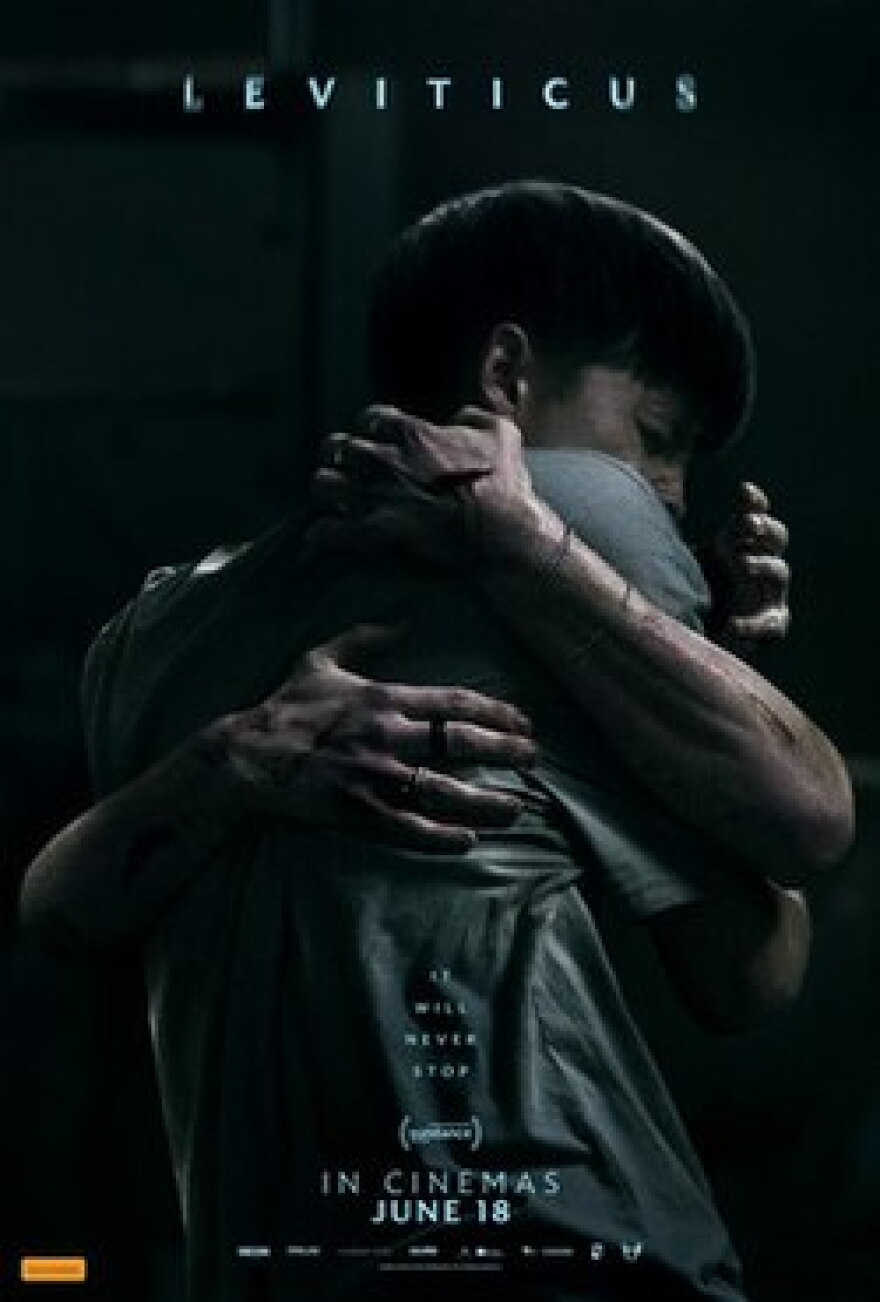
Set within an oppressive, post-industrial Australian Bible Belt community, Leviticus follows teenagers Naim (Joe Bird) and Ryan (Stacy Clausen) as they navigate a clandestine romance. Their fragile happiness is shattered when local religious authorities discover their relationship and subject them to a brutal, institutionalized purification ritual.
Rather than casting out a traditional demon, the ceremony inadvertently invites one in. A shapeshifting entity begins stalking the boys, taking the form of the person they desire most: each other. The narrative hook acts as a brilliant, devastatingly clear metaphor for the internalised homophobia manufactured by extremist religious environments, weaponizing the notion that queer love is inherently predatory or destructive.
Authentic Vulnerability On Screen
Making his feature directorial debut, Chiarella explained that the film was born out of a desire to examine the modern political and cultural resurgence of anti-LGBTQ+ rhetoric. By depicting the quiet, chilling complicity of community members alongside active religious dogmatism, the film captures the atmospheric dread of small-town isolation.
Lead actor Joe Bird delivers a career-defining performance as Naim, balancing raw vulnerability with the frantic survival instincts of a youth pushed to the edge. Supported by Stacy Clausen and executive producer Mia Wasikowska—who portrays a chillingly matter-of-fact religious mother—the film transcends standard genre tropes.
Grossing notable box office figures and maintaining critical praise following its festival runs, Leviticus proves that queer horror can be both deeply terrifying and profoundly cathartic, offering a visceral reminder that the most monstrous forces are often those disguised as righteousness.